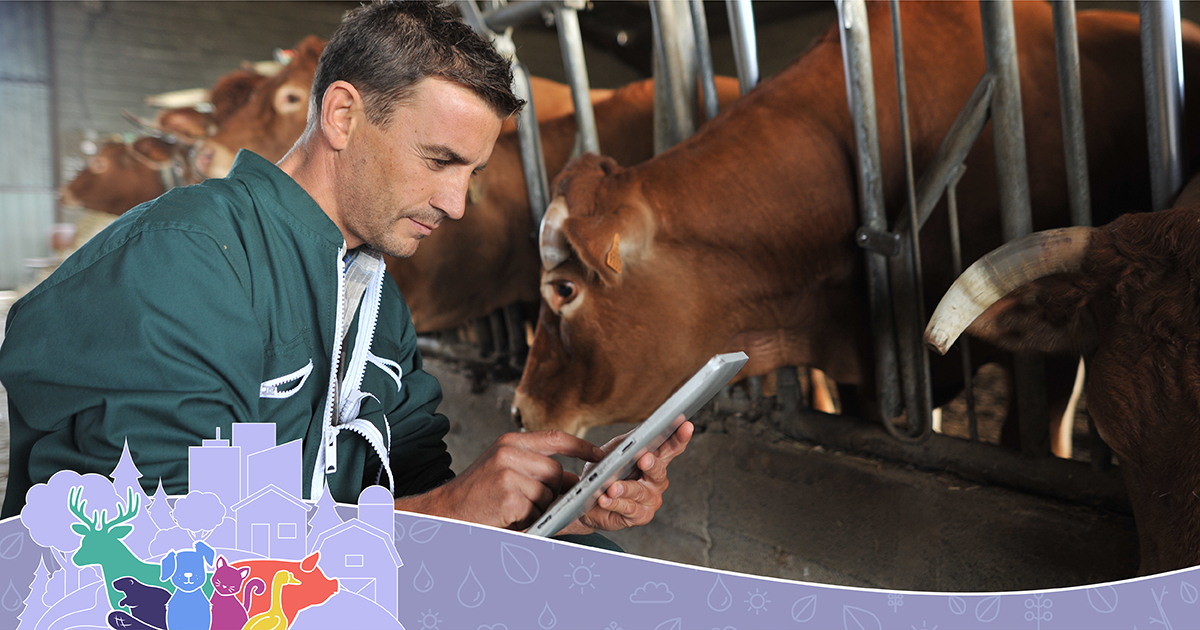
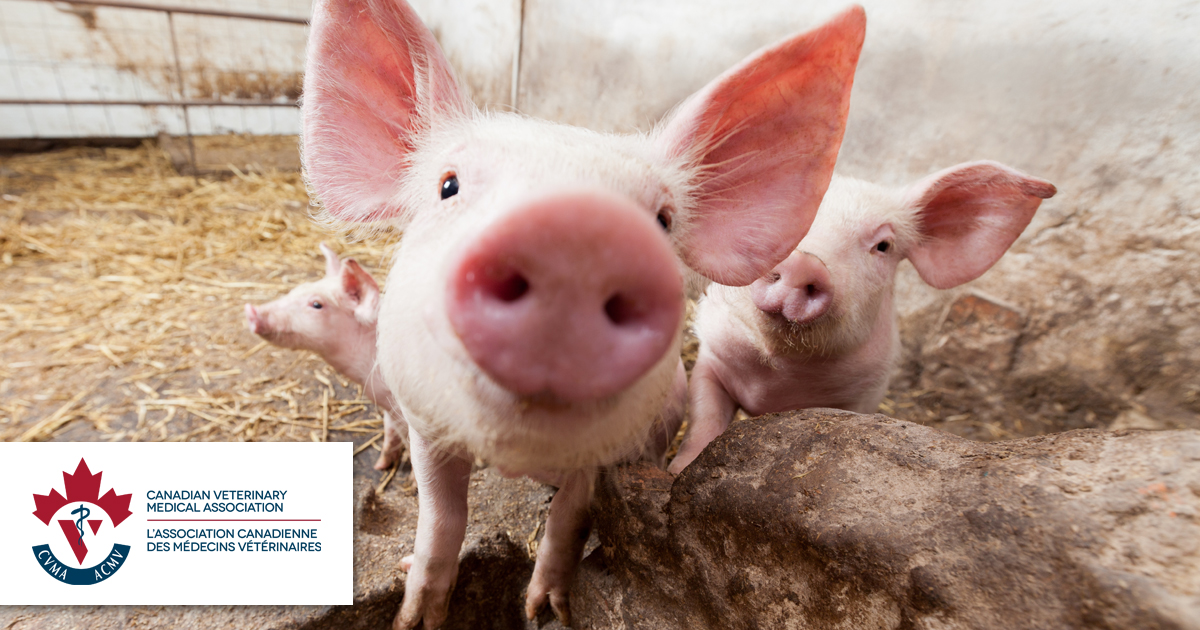
Vets have crucial and critical roles
in food safety, environmental
protection, & public health.
This includes safeguarding the food
production while
protecting the health and welfare of
animals on farms.
#AnimalHealthWeek#foodsafety#publichealth#animalwelfare
Contribute to Habitat Protection and
Pandemic Prevention by keeping the
habitat of wild animals as clean as
possible and ensuring farm animals
and pets have routine veterinary
visits, optimal nutrition, and
parasite prevention.
#AnimalHealthWeek#vetvisits
A bull can change from year to year. Just because they bred the cows last year, doesn’t mean they will do the same again. Yearly breeding soundness exams by your veterinarian can detect any abnormalities in the reproductive organs.
https://t.co/vp1dll1xjM
Remember that loud noises can be stressful to pets. Avoid taking them to fireworks displays and ensure they have a safe place to hide while inside. Try distracting them with play and/or providing background noise such as the television or music. #VetCareEverywhere
Human foods can be detrimental to pets. Keep alcohol, chocolate, poultry bones, and xylitol (an artificial sweetener) away from pets at all times. Ensure decorations that pets could choke on or eat are kept out of reach. #VetCareEverywhere
Antibiotics must be used appropriately to remain effective. Pet owners should administer your pet’s antibiotics exactly as prescribed by your veterinarian. Remember, healthy animals can better fight off potential illnesses. #VetCareEverywhere
Please avoid feeding your pets table scraps as many have digestive systems that can’t handle human foods like gravy and some foods such as onions and garlic are even poisonous. Turkey bones present a choking hazard and risk of death due to intestinal damage. #VetCareEverywhere
Keep your pets vaccinated & leashed to help prevent contact with roaming animals. Animals with rabies may show the traditional "furious" aggressive form, but the disease may present as an overly friendly animal or an injured or dazed animal. #VetCareEverywhere
African Swine Fever (ASF) is a serious disease for pigs. Help protect the Canadian pig herd by not bringing pork products into Canada. Live pigs can even contract ASF from processed pork products. Ask your veterinarian for more information. #VetCareEverywhere
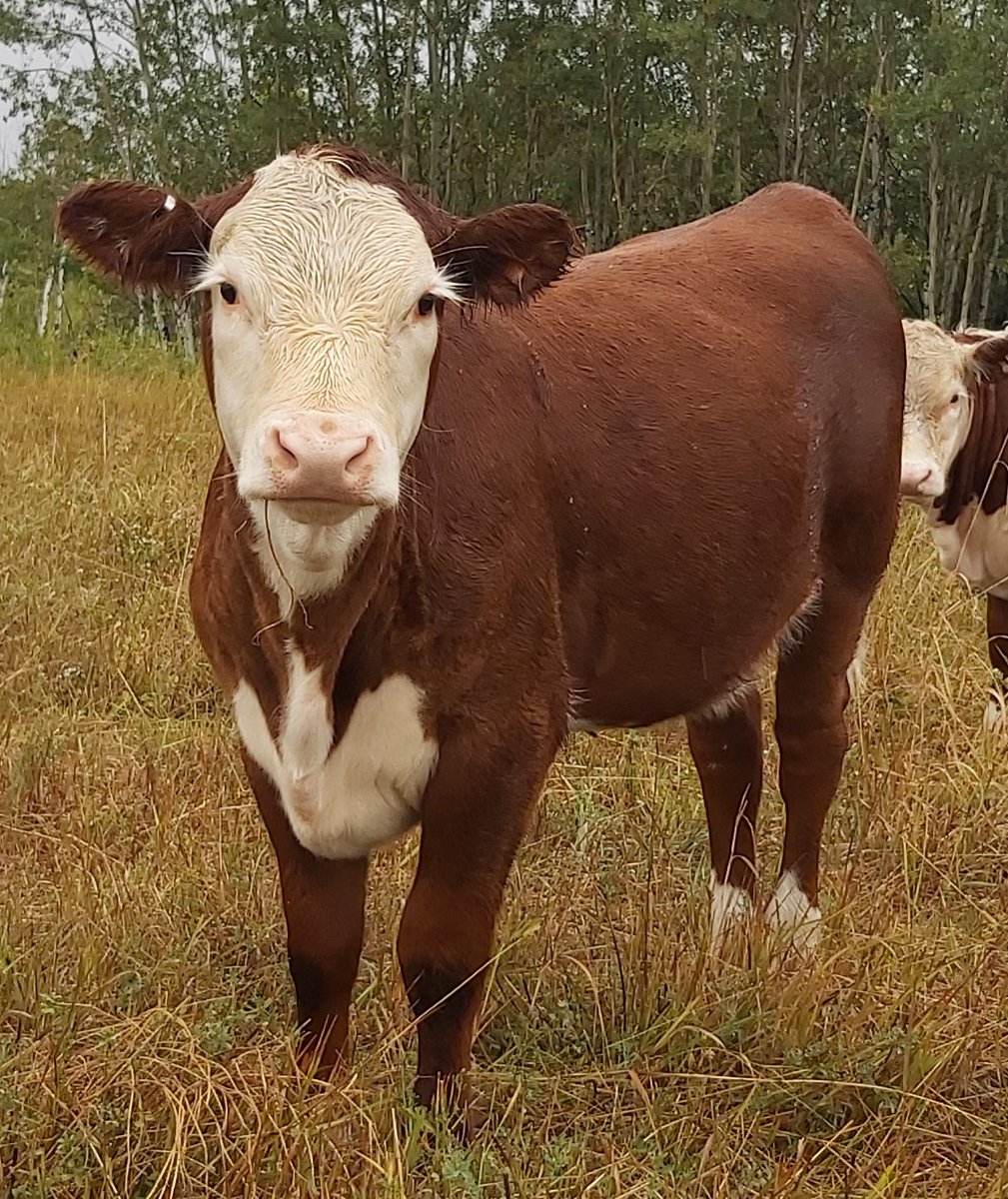
Fly season continues Pinkeye is still a concern for cattle producers. Pinkeye is a bacterial infection that causes symptoms such as tearing, squinting & cloudiness of the eye. If left untreated blindness can occur. Talk to your veterinarian about treatment & prevention options.
Ferrets are active, playful pets that enjoy human companionship. Ferrets live an average of 6-7 years and require a very high quality and concentration of protein and fats in their diet. Talk to your veterinarian before adopting a ferret. #VetCareEverywhere
Anal gland health is important. Problems like impaction, infection or abscesses can occur. Signs your pet may need a visit to the veterinary clinic include:
- 'scooting'
- excessive licking of the anal area.
- discharge from the anal area.
- straining to defecate.
Telemedicine (phone calls, video calls, etc.) can be useful in veterinary medicine. Telemedicine can be used in non-emergency situations to help veterinary professionals relay information to clients &, in exceptional circumstances, make a tentative diagnosis. #VetCareEverywhere
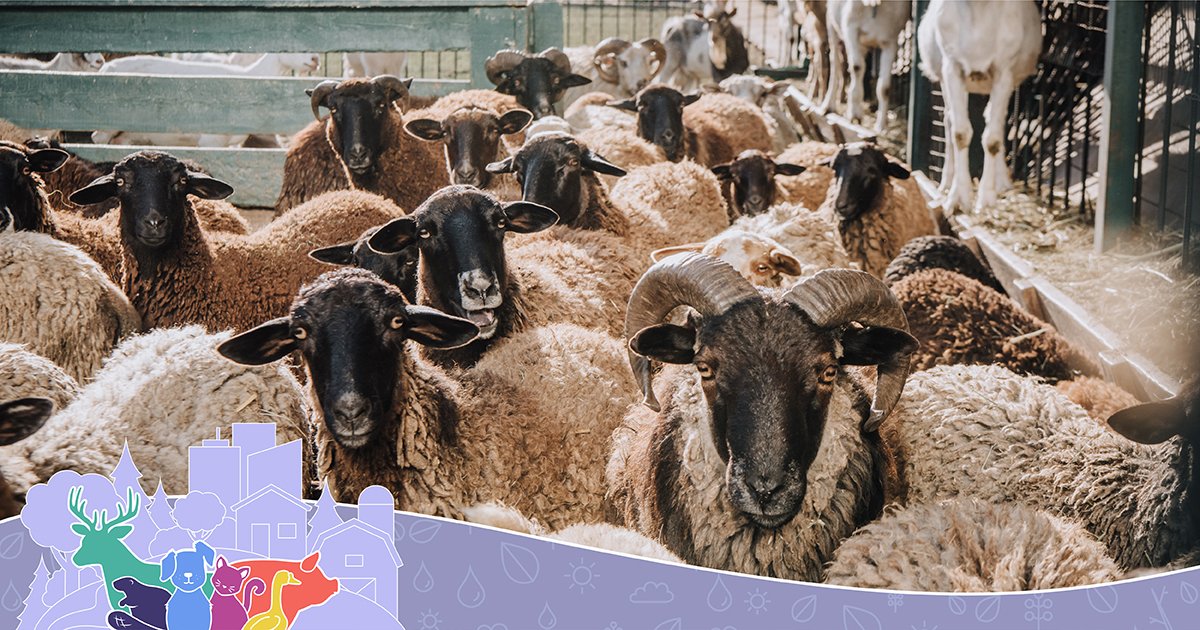
With the extended periods of high temperatures we’ve been experiencing farm animals are at risk of heat stress. Prevent this by providing plenty of room to lie down, a source of shade if possible and a clean water source.
Prairie Rattlesnakes are Saskatchewan’s only venomous snake, using their toxic venom to immobilize their prey; commonly rodents and lizards, before swallowing them whole. #worldsnakeday