A lot of hype around the new Fable 5 model from @AnthropicAI.
It's definitely among the top models in terms of quality and speed. However, it's also quite expensive.
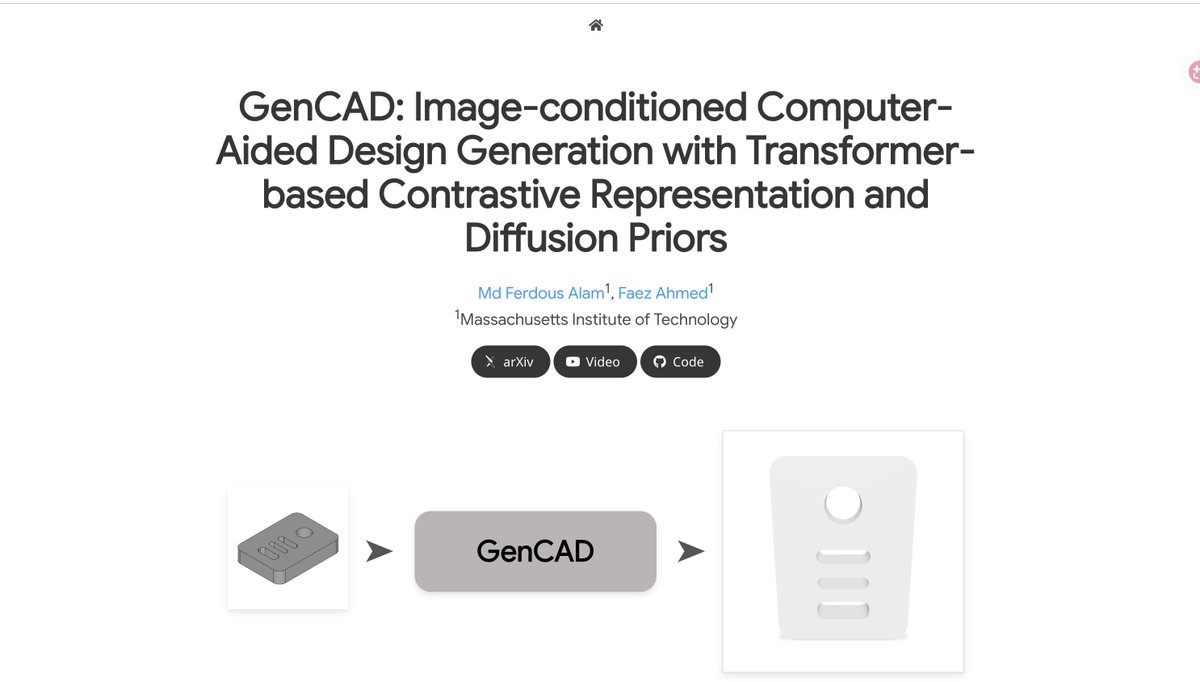
13 min / $37 using Text to CAD https://t.co/GubhgwynAd
(Comparison with Gemini 3.1 Pro in the comments)
asked claude fable 5 to design a qdd actuator
it also animated the gearbox and inspected collisions as part of the validation loop
~ 30 minutes / 400k tokens
This is the best site on the internet to learn harness engineering.
Free. Completely.
Most AI engineers have never heard the term.
https://t.co/bwDbTTYsjM
Bookmark this site.
Then read this setup ↓
A PhD student built a working nuclear fusion reactor in his garage, let an AI run it, and 400 thousand dollars later he works for Elon Musk.
he posted it once. that single post ended with a grant in his account and a job offer from the most powerful man on earth.
not a simulation. not a school project. an actual device that fuses atoms, sitting where his car used to be.
fusion is the thing governments have been chasing for 70 years with billion dollar labs. the hard part was never the reactor itself. it was the control. the plasma inside has to be held at conditions hotter than the core of the sun, and it shifts and collapses in milliseconds. no human can react fast enough to keep it stable.
so he stopped trying to do it himself. he handed the control loop to an AI.
the model reads the sensor data hundreds of times a second, predicts how the plasma is about to move, and adjusts the magnetic fields before it ever drifts out of line. it does not wait for the plasma to misbehave. it sees it coming and corrects it before it happens. the same reaction-before-the-event speed no person could ever match.
this is the exact kind of build people are tearing apart inside @NeuroClubAi. not to make reactors, but because the workflow is identical for anything hard. let the AI run the loop, predict the problem, fix it before it breaks. same playbook whether it is plasma or a business.
then the post went out.
within days Elon's fusion team reached out. they did not ask him to interview for an entry role. they handed him a 400 thousand dollar grant and pulled him onto the team building this at scale. one garage build turned a PhD student into an operator for the most ambitious man alive.
here is the part that should stop you.
he was one guy with a PhD, a garage, and an AI model doing the job that entire teams of physicists used to fail at. the AI was not assisting him. it was the operator. he built the hardware. the machine ran it. and that was enough to get noticed at the very top.
most people think AI writes emails and makes pictures. meanwhile someone pointed it at one of the hardest physics problems on earth, held the plasma steady, and got paid by Elon Musk for it.
the gap is not between humans and AI anymore. it is between the people who realize what this thing can already do and the people still using it to summarize their inbox.
Today, we introduce Claude for Marketing.
In one chat, Fastlane deploys social media accounts, generates viral content, and posts everything automatically.
You built a product, now make sure the world sees it.
RIP OpenClaw 💀
Claude now has
> Voice mode
> Agent Teams
> 38+ Connectors
> Cowork Projects
> Scheduled tasks
> Plugin Marketplace
> Persistent memory
> 1M Context window
> Dispatch for remote control
> Channels for Telegram & Discord
> Claude can use computer to run apps💀
Anthropic launching an openclaw competitor :)
'Dispatch' lets you text claude to do work for you while you're away, claude spins up agents to do it all.
- just instruct agents to complete a task and come home to finished work
- also launched persistent memory so claude keeps context across multiple tasks
this turns your phone into a personal ai computer
very cool
New in Claude Code: Remote Control.
Kick off a task in your terminal and pick it up from your phone while you take a walk or join a meeting.
Claude keeps running on your machine, and you can control the session from the Claude app or https://t.co/er6Blrr63e
🪐 Saturn, like you’ve never seen it before.
The James Webb Space Telescope has revealed Saturn in a way we’ve never seen before. In infrared light, the planet appears unusually dark, while its iconic rings glow brilliantly against the blackness of space.
This striking contrast is caused by methane in Saturn’s atmosphere, which absorbs sunlight, making the planet itself look shadowy — while the icy rings reflect infrared light back toward Webb.
But the image holds even more surprises.
Webb detected unexpected details such as mysterious dark bead-like features and star-shaped patterns within Saturn’s auroras and stratosphere. These phenomena were not fully predicted and are pushing scientists to rethink current models of how gas giant atmospheres behave.
Once again, Saturn reminds us that even the most familiar worlds in our solar system still have secrets to reveal — especially when we look at them with new eyes.
I'm Boris and I created Claude Code. I wanted to quickly share a few tips for using Claude Code, sourced directly from the Claude Code team. The way the team uses Claude is different than how I use it. Remember: there is no one right way to use Claude Code -- everyones' setup is different. You should experiment to see what works for you!