🌺 From Inner Silence to Inner Victory: Gurudev’s Profound Navratri Wisdom 🪔
Full Transcript of @Gurudev's Navratri Satsang ❤️
📍 Bangalore Ashram, 19th October 2026
✨ The Wisdom of Consciousness, Inner Silence, Tripura Rahasya & Vijayadashami
━━━━━━━━━━━━━━━━━━━━
🕉️ 1. EVERYTHING COMES FROM INNER SILENCE
Gurudev emphasised that everything comes from inner silence. The more silent and centred we are, the more bliss we radiate.
However, we cannot be greedy about this bliss and keep it only for ourselves. We must share it with everyone in the world.
That is the nature of light. Light does not keep its radiance to itself. It illuminates everything around it. Similarly, when we experience bliss within, we must allow that happiness to spread to everyone.
First, we go within, become silent and centred, and then bring that beautiful energy into the world.
Tomorrow is Vijayadashami, the day of victory. Let us wish one another well and continue the celebration.
Gurudev reminded everyone that life itself is a celebration. Every day can be a celebration.
Even amidst the challenges of the world and the difficulties in our personal lives, we must not lose our centre. And even if we lose it for a minute or two, we should not remain stuck in regret. We must gather ourselves and move forward.
This is the message of Navratri: remain centred, experience bliss within, and share it with the world.
━━━━━━━━━━━━━━━━━━━━
🌱 2. THE SEEDS OF HAPPINESS AND THE BLOSSOMING OF CONSCIOUSNESS
Gurudev connected the spiritual significance of Navratri with the seeds that were sown on the first day of the celebrations.
On the first day, five women came and sowed the seeds. Those seeds subsequently sprouted.
Gurudev explained that the sprouting of the seeds represents life energy and consciousness.
When consciousness remains in the form of a seed, it is unmanifested. When it receives the necessary nourishment, life emerges and becomes manifest.
Every one of us carries the seed of happiness and bliss within. That seed needs nourishment for happiness to blossom.
Just as a seed sprouts and grows from the ground, happiness blossoms from the space of consciousness.
The seeds of happiness are within that space, waiting to sprout. Meditation, mantra chanting, Yagyas and other spiritual practices are part of the process of nourishing this inner potential.
Gurudev invited everyone to recognise this beautiful possibility within themselves: the seed of bliss is already present, and it needs to be nourished.
━━━━━━━━━━━━━━━━━━━━
🔬 3. YAGYAS, MANTRA CHANTING AND SCIENTIFIC RESEARCH
Gurudev emphasised that these ancient practices should not be viewed merely as philosophy. They have practical dimensions that deserve further investigation.
He referred to research conducted by the Art of Living research department and encouraged the team to continue exploring the effects of Yagyas and mantra chanting.
He spoke about the importance of examining changes in energy patterns and other observable effects, so that these subjects can be investigated more deeply.
He also shared an observation from the Navratri rituals involving the Kalash vessels.
The same water was put into the different Kalash vessels, yet after the rituals, differences in temperature and weight were observed.
PS: The significance of the Kalash during Navratri
The Kalash is a holy pot that serves as a temporary home to welcome Goddess Durga during Navratri.
🌿 The Meaning: It acts as a sacred seat for the Goddess, bringing peace, positive energy and blessings to your family.
🌿 The Ritual: On the first day, you fill the pot with water, place mango leaves and a coconut on top, and set it in your temple.
🌿 The Final Day: It stays untouched for nine days. On the last day, you sprinkle the water on Gurudev in Navratri pujas.
Gurudev suggested that the research department should preserve some of the water and investigate these observations further.
The observation led him to speak about the intimate relationship between the macrocosm and the microcosm.
He explained that it is difficult to describe them merely as two things connected to each other, because one is an extension of the other.
The larger point was the need to explore the relationship between these ancient spiritual traditions, consciousness and the observable world through further research.
━━━━━━━━━━━━━━━━━━━━
🌌 4. THE DEEPER MEANING OF KUSHMANDA
Kushmanda is one of the names of the Divine Mother.
Gurudev explained the deeper symbolism of the name by breaking it down into three parts:
🌿 Ku means the tiniest.
🌿 Ushma means energy.
🌿 Anda means the universe or cosmic egg.
The deeper meaning points towards the tiniest form of energy in the universe and the immense significance it can have in the whole.
Gurudev connected this explanation to the relationship between the microcosm and the macrocosm.
The smallest expression of energy can have an immense impact on the larger universe.
He highlighted how much depth is contained in these traditional names and symbols. One can explore them every day and discover many fascinating aspects of their meaning.
The symbolism of the Divine Mother is not limited to the surface meaning of a word. It invites deeper exploration into the nature of energy, consciousness and the universe.
━━━━━━━━━━━━━━━━━━━━
📖 5. TRIPURA RAHASYA: THE PROFOUND KNOWLEDGE OF CONSCIOUSNESS
Gurudev spoke about the extraordinary knowledge of consciousness contained in Tripura Rahasya.
He observed that this knowledge is not widely known, even though it contains profound insights into consciousness and its all-pervading nature.
He appreciated the team at the ashram that has been bringing this knowledge to people over the past several years, teaching it with depth, wisdom and understanding.
Gurudev noted that the subject can be difficult for ordinary people to grasp because it goes beyond what is commonly understood. However, he expressed appreciation for the team and encouraged them to continue their work.
He then explained that the knowledge of Tripura Rahasya is connected with Parashurama.
Many people know about Parashurama's incarnation and are familiar with the stories associated with him. However, comparatively few know that Parashurama transmitted this profound knowledge.
Gurudev described the sharing of these insights as an opportunity to reveal the deeper wisdom contained in the tradition.
He also addressed the question of how Vedanta and Bhakti can exist in harmony.
The teaching brings together worship and meditation. Through meditation, understanding can deepen into realization. Devotion and the process of worship also have their place in this journey.
The two are not contradictory. The knowledge of consciousness and the path of devotion can complement each other.
Gurudev also reminded everyone to be satisfied with what they have received rather than constantly thinking that they need more and more.
━━━━━━━━━━━━━━━━━━━━
🌺 6. VIJAYADASHAMI: THE TRUE MEANING OF BURNING RAVANA
Gurudev explained the deeper meaning of Dussehra and the burning of Ravana's effigy.
Every year, we burn Ravana, yet the following year Ravana appears again.
If Ravana has been burned and destroyed, why does he return every year?
Gurudev used this question to direct attention towards the inner Ravana.
The tendencies that disturb the mind continue to arise within us. We become unhappy over small things, hold on to our expectations, and repeatedly create suffering for ourselves.
The real Ravana is also hidden within us.
Gurudev spoke about ego, insistence and the feeling that we are particularly special or different from everyone else.
He humorously asked how many people felt that they were very special to him, that they were the closest to him and that they were not ordinary people but special.
Many people feel that they occupy a uniquely special place in Gurudev's life. Yet everyone may have the same feeling about themselves!
The point is not to deny that every person is special. Rather, we must recognise how our insistence on being recognised as uniquely special can become another expression of ego.
Gurudev's message was direct:
Burn the Ravana within you. Finish it, and be happy.
Let go of the ego and unnecessary insistence. Be happy, stay happy and do Seva.
The true victory of Vijayadashami is not merely the burning of an external effigy. It is the continuing work of recognising and managing the tendencies within ourselves.
━━━━━━━━━━━━━━━━━━━━
🪔 7. KAMA, KRODHA, LOBHA, MOHA, MADA AND MATSARYA
The six inner tendencies are commonly described as:
1. Kama: Desire.
2. Krodha: Anger.
3. Lobha: Greed.
4. Moha: Attachment or delusion.
5. Mada: Pride or arrogance.
6. Matsarya: Jealousy or envy.
These tendencies may not be fully erased from the mind. Like dust in a room, they keep accumulating throughout the year and need to be cleaned.
Navratri is an especially good time to undertake this inner cleansing and invoke the divine qualities within us.
The objective is to keep these tendencies under control rather than allow them to dominate our thoughts and actions.
Burning Ravana outside is easy. Maintaining inner purity year after year requires continuous attention.
Gurudev's message can be remembered through three essential practices:
🙏 Satsang
🧘 Sadhana
🤝 Seva
Keep taking the medicine of Satsang, Sadhana and Seva.
Through these practices, we continue the work of managing our inner tendencies and bringing out the divine qualities within us.
Note: The six tendencies and the dust analogy are supplementary explanatory material. In the supplied transcript, Gurudev speaks about ego, insistence, mental vices and the inner Ravana, but does not explicitly recite all six names or use the dust analogy in this passage.
━━━━━━━━━━━━━━━━━━━━
🌼 8. SHARING BLISS AND OFFERING GOOD WISHES
Gurudev returned to the importance of sharing the happiness and bliss we experience.
We should not keep bliss confined to ourselves. We should share it with everyone.
As we celebrate Vijayadashami, let us wish peace, contentment and abundance for one another.
🌿 Om Shantirastu
Let there be peace in your life.
🌿 Om Tushtirastu
Let there be contentment and fulfilment in your life.
🌿 Om Pushtirastu
Let there be abundance in your life.
Gurudev encouraged everyone to offer these wishes to one another and to the wider world.
The celebration of Navratri reminds us to extend our good wishes beyond ourselves and continue celebrating life, even when challenges are present.
━━━━━━━━━━━━━━━━━━━━
🤝 9. SERVICE, PRACTICE AND SUCCESS
Gurudev emphasised the importance of helping one another.
We should help those who are older and support people who need assistance in moving forward.
Helping others is an important part of our way of life.
Gurudev reiterated the simple formula:
Service. Practice. Success.
Continue your practices, serve others and help one another.
The happiness we experience within should also find expression in the way we live and contribute to the lives of others.
━━━━━━━━━━━━━━━━━━━━
🌿 10. THE MIND'S HABIT OF COMPLAINING
Gurudev observed that the mind finds it difficult to remain without complaints.
When we are engaged in worldly responsibilities, working through difficulties and dealing with people, there will naturally be problems and situations that give rise to complaints.
There is no world entirely free of problems.
However, Gurudev highlighted the importance of knowing when to put these complaints aside.
When we are dealing with practical matters, we may need to identify problems and address them. But when we enter a space of Bhav, we should learn to set those concerns down.
We can return to the problems later.
The ability to put them aside when required is something we need to develop.
Gurudev also observed that the more perfectionistic we become, the more complaints tend to arise.
Our intellect must help us understand this tendency and guide our mind.
Instead of allowing complaints to occupy our entire inner space, we should learn to recognise when they are useful and when they are simply disturbing our peace.
━━━━━━━━━━━━━━━━━━━━
🙏 11. SURRENDER, FAITH AND THE EXPERIENCE OF GRACE
Gurudev spoke about how complaints affect our inner state.
When the mind remains occupied with grievances, it becomes difficult to experience grace.
He encouraged everyone to surrender their concerns and become free from the burden of continually thinking about what someone did or did not do.
Faith involves trusting life and allowing ourselves to be relieved of unnecessary mental burdens.
Rather than repeatedly thinking about what we have not received or what others have done, we can cultivate trust in what is needed and what will come.
This attitude allows the mind to blossom.
The teaching is not about denying that difficulties exist. It is about learning not to carry every difficulty, grievance and expectation into our inner space.
━━━━━━━━━━━━━━━━━━━━
🧠 12. LET YOUR INTELLECT CONVINCE YOUR MIND
Gurudev gave a particularly practical instruction:
Do not always try to convince others. First, let your own intellect convince your mind.
Our intellect may understand something clearly, yet the mind may continue to resist, complain or become disturbed.
Instead of immediately trying to change someone else's thinking, we should first allow our own understanding to guide our mind.
Gurudev referred to the example of Kabir Das.
Kabir addressed his own mind, reminding himself of what he needed to understand. He did not direct all his attention towards convincing other people. He worked on convincing his own mind.
Similarly, we should learn to address our own minds.
Let the intellect explain, guide and convince the mind.
This is an important aspect of inner maturity: developing the ability to guide our own thoughts and reactions rather than constantly expecting others to change.
━━━━━━━━━━━━━━━━━━━━
🔔 13. CHANDRAGHANTA: THE MIND AND THE INTELLECT
Gurudev connected this teaching to Chandraghanta, the Divine Mother's form associated with the third day of Navratri.
He explained the symbolism of the moon and the bell.
Chandra represents the mind, while the bell symbolises the intellect and awakening awareness.
When a bell rings, it brings us back to awareness. Similarly, an alarm wakes us from sleep.
In the same way, the intellect can awaken the mind from its unconscious patterns.
The mind is necessary. It can be our friend and a great helper. But when it is not handled properly, it can become our enemy and make us dance to its changing demands.
The task is not to reject the mind, but to learn how to handle it.
The intellect and the mind need to work together.
Gurudev also referred to the interesting relationship between feelings and intellect. Sometimes, where feelings are highly developed, the expression of intellect may appear less prominent, and where intellect is prominent, feelings may not appear equally developed.
The relationship between the mind and intellect is subtle and fascinating.
The symbolism of Chandraghanta invites us to understand these dimensions more deeply.
━━━━━━━━━━━━━━━━━━━━
🌸 14. THE SIGNIFICANCE OF FLOWERS DURING AARTI
Gurudev drew attention to the flowers placed on the Aarti thali.
Why do we keep flowers when performing Aarti?
The flowers symbolise a blossoming quality of feeling, softness and tenderness.
The message is that our actions and feelings should be accompanied by this softness.
It is not enough simply to perform an action. The feeling with which we perform it also matters.
Flowers remind us of the importance of gentleness in our actions and the way we express our feelings.
Gurudev observed that these traditions contain beautiful knowledge. At the same time, he reminded everyone that too much intellectual engagement with knowledge can become difficult.
Sometimes, we must also learn to release our mental effort and experience the moment.
━━━━━━━━━━━━━━━━━━━━
🌺 15. THE DIVINE MOTHER AND THE CELEBRATION OF NAVRATRI
Gurudev spoke about the Divine Mother manifesting in many forms and being available to the whole world during Navratri.
The celebrations involve invoking divine consciousness and recognising the different expressions of life.
He referred to the symbolism associated with animals, including the cow, calf, elephant and horse, as well as the different objects and elements used in the rituals.
Each of these was discussed in relation to specific energy patterns and the broader understanding of consciousness.
Gurudev also referred to the use of 108 different herbs in the rituals and the Kalash vessels used during the celebrations.
The rituals and their symbolism invite deeper exploration into the relationship between the individual and the universe.
The larger message was to approach these traditions with reverence, curiosity and a willingness to understand their deeper significance.
━━━━━━━━━━━━━━━━━━━━
🌍 16. NAVRATRI CELEBRATIONS ACROSS THE WORLD
Gurudev mentioned that Art of Living had organised Navratri celebrations at 171 locations around the world.
Celebrations were taking place across India, Nepal, Sri Lanka and other parts of the world wherever people were participating in these traditions.
He observed that people across many places were celebrating together, invoking divine consciousness and participating in the rituals.
He appreciated the collective effort involved in organising these celebrations and bringing people together.
The celebrations reflect how these traditions continue to be observed by communities across different places.
━━━━━━━━━━━━━━━━━━━━
🌺 17. THE ESSENCE OF TODAY'S SATSANG
Today's satsang brought together the themes of inner silence, consciousness, the Divine Mother, the knowledge of Tripura Rahasya, the symbolism of Navratri, and the deeper meaning of Vijayadashami.
Gurudev spoke about nourishing the seed of happiness within us, sharing the bliss that arises from inner silence, and exploring the significance of our ancient traditions.
He encouraged further research into the effects of Yagyas and mantra chanting, while highlighting the importance of understanding the relationship between the microcosm and the macrocosm.
He explained the symbolism of Kushmanda, the teachings of Tripura Rahasya, and the harmony between Vedanta and Bhakti.
He also brought the focus back to everyday life: our complaints, our tendency towards perfectionism, the relationship between our mind and intellect, and the need to cultivate surrender and faith.
The message of Ravana Dahan was connected to the ongoing effort to manage our inner tendencies.
Navratri offers an opportunity to clean the mind, invoke divine qualities and renew our commitment to Satsang, Sadhana and Seva.
The celebration is not limited to rituals or a particular day. It also includes helping others, sharing happiness, remaining centred through life's challenges and learning to move forward without remaining trapped in regret.
━━━━━━━━━━━━━━━━━━━━
🙏 MAY THE DIVINE MOTHER BLESS EVERYONE
🌿 Om Shantirastu
Let there be peace in your life.
🌿 Om Tushtirastu
Let there be contentment and fulfilment in your life.
🌿 Om Pushtirastu
Let there be abundance in your life.
✨ Happy Vijaya Dashami! ✨
May we continue to celebrate life, share our bliss with everyone, and keep returning to the silence and centre within.
━━━━━━━━━━━━━━━━━━━━
📚 SPECIAL ANNOUNCEMENT: FOOTPRINTS OF ANCIENT LOVE
The greatest fortune in this world is to be a devotee.
Gurudev announced Footprints of Ancient Love, a special, limited-edition collector's coffee-table book featuring Bhanu Didi's loving recollections of Gurudev's early days.
The book takes readers on a deeply intimate journey through precious moments, sweet memories and experiences filled with love.
✨ Pre-book your copy for Diwali at https://t.co/cwytZvib8j.
━━━━━━━━━━━━━━━━━━━━
😄 GURUDEV'S HUMOROUS CHILDHOOD MEMORY
Gurudev shared a delightful memory from his childhood.
He said that he was very mischievous. One day, his father had to attend a very important board meeting.
@Gurudev opened all his father's suitcases, emptied his briefcase, removed all the papers and filled it with toys!
His father then went to the office for the meeting. During the meeting, he opened the briefcase, and all the toys popped out.
This book 📚 reminded Gurudev of this incident, but Gurudev had completely forgotten about his mischief!
A hilarious childhood memory that brought a lovely touch of humour to the satsang.
🧘 A REFLECTION: DROPPING EVERYTHING BEFORE MEDITATION
Gurudev explained that when we enter a state of Bhav, we should learn to put our complaints aside and return to the present moment.
We may need to deal with practical problems in everyday life, but we do not need to carry every concern into our meditation or devotional experience.
We can return to those matters later. For the moment, let the mind relax and become centred.
Let the intellect guide the mind, set aside unnecessary complaints, and allow yourself to experience inner silence.
━━━━━━━━━━━━━━━━━━━━
Source:
Navaratri Special Satsang with Gurudev
18 OCT 2026, 6:30 PM IST
https://t.co/jhGElMbMmE
🙏 Follow @asunil2001 for more such amazing wisdom by Gurudev Sri Sri Ravi Shankar on Twitter(X)
Ever wondered how Chandi Path began and why it is recited during Navratri?
@Bhanujgd Didi narrates the ancient story behind this sacred tradition. Watch the video to know this interesting story!
I am so happy to see the great vindication of The Art of Living and Gurudev Sri Sri Ravi Shankar.
In a a remarkable ruling The Indian 🇮🇳 Supreme Court this week set aside the anccusations against The Art of Living for alleged environment damage during World Culture festival in 2016. It clarified what many of us always knew - that no environmental damage was done.
After a decade-long fight, truth has triumphed. It has taken ten years - no less.
I still recall visiting India during the World Cultural Festival 2016. There was an unprecedented media frenzy on the Yamuna River event attacking it morning, midday, evening. The Supreme Court ruling should act as a severe warning against such one sided media onslaughts.
The World Culture Festival 2016 was a historic celebration of India’s cultural heritage and soft power, bringing together 3.5 million people from 155 countries, including world leaders, heads of state, 37,000 artists and 2,500 spiritual leaders. It was inaugurated by Prime Minister Shri Narendra Modi. It was unprecedented in size.
My warmest congratulations to Gurudev Sri Sri and the entire Art of Living family! This is a day of huge relief. It inspires to future good work for india and the world.
Brad Pitt visited India in 2007 while filming The Curious Case of Benjamin Button, marking one of his trips to the country during the production of the acclaimed film.
During the production of The Curious Case of Benjamin Button, Brad Pitt traveled to the ancient city of Varanasi to film a brief backpacking montage. Director David Fincher brought in filmmaker Tarsem Singh to capture the handheld sequences as Pitt traveled through Asia. Along the Ganges River’s famous ghats, Pitt immersed himself in the city, wandering its narrow streets and interacting with local residents.
He even embraced an ordinary part of local life by getting a traditional shave from a roadside barber. Pitt later praised his experience in Varanasi, describing the spiritual city as “absolutely staggering” and extraordinary. Though his visit was brief, the trip gave the actor a memorable glimpse into India’s history, culture, and hospitality.
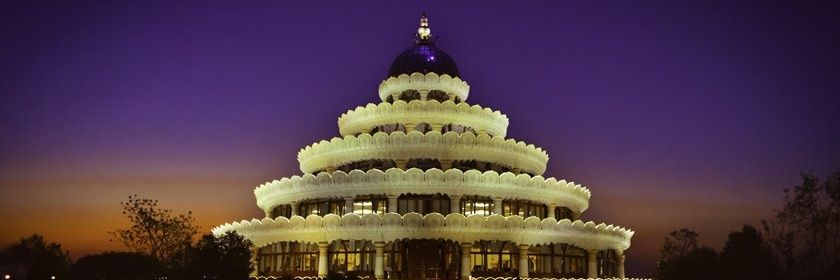
The Hon’ble Prime Minister of India, @narendramodi, will be visiting the Bengaluru Ashram to celebrate the 45 year anniversary of the @ArtofLiving and will inaugurate the new meditation hall, Dhyan Mandir, which will bring solace and wisdom to millions from around the world. He will also be launching 9 service initiatives. Inspite of his busy schedule, he has taken time for the upliftment of Indian spirituality. People from around the world will be joining online and are looking forward to this great occasion.
@ArtofLivingIC
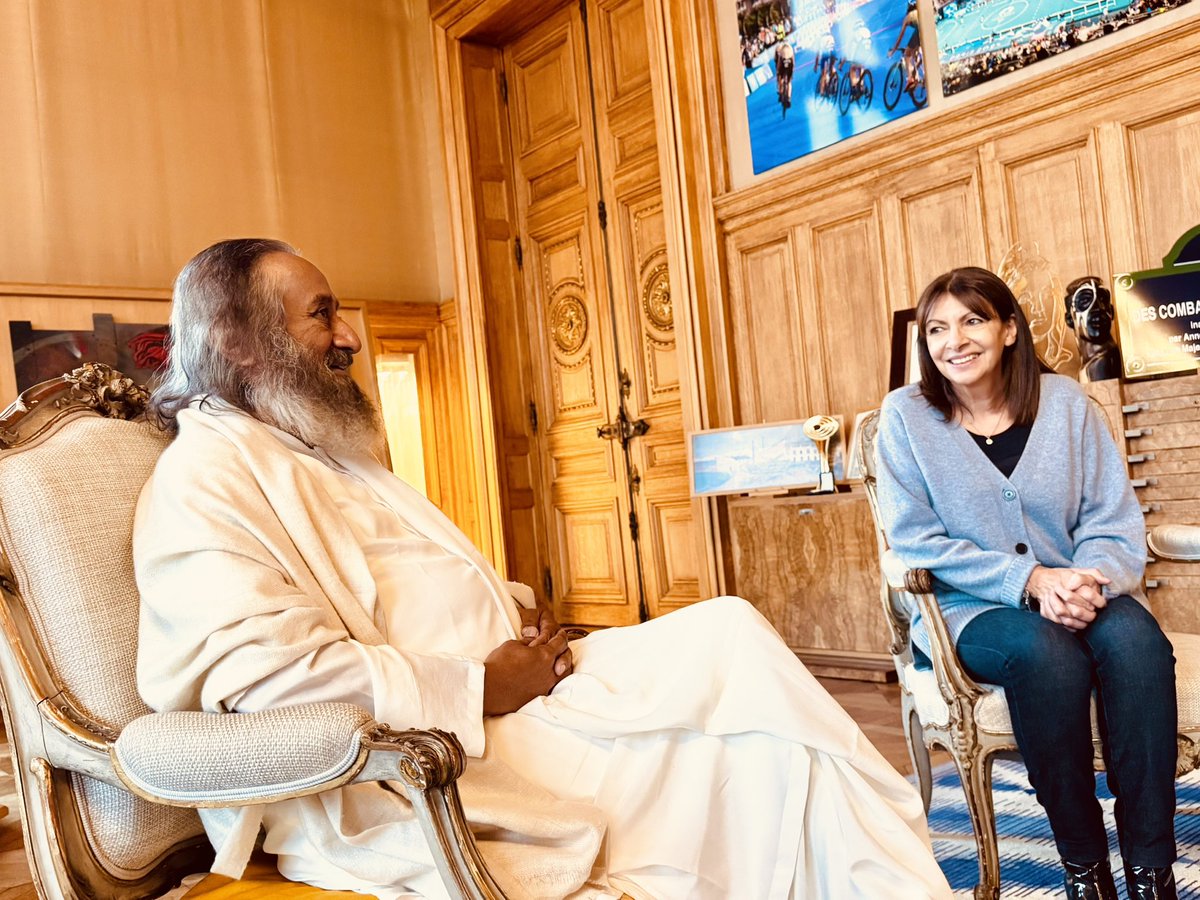
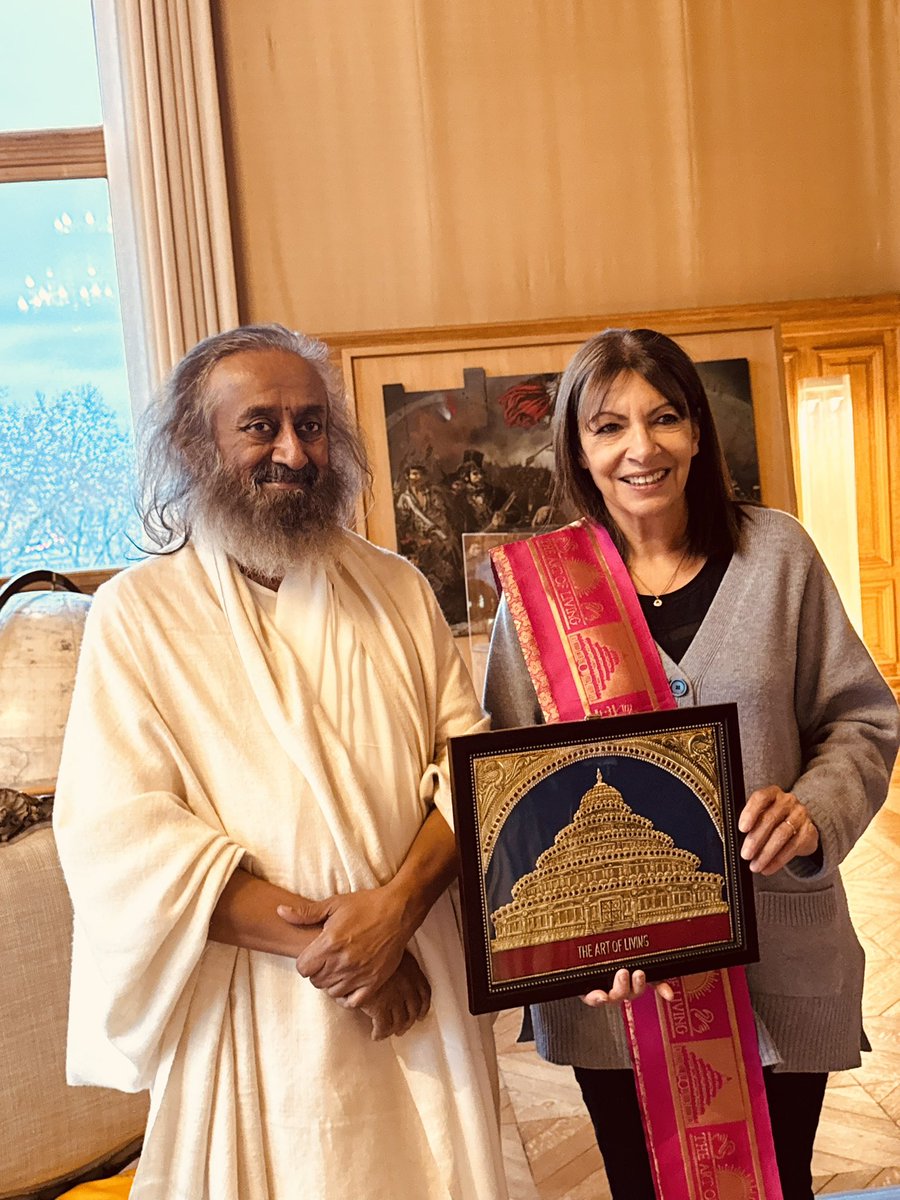
Visiting Paris after 10 years. Was formally received by the Mayor of Paris, Anne Hidalgo, at L'Hôtel de Ville (town hall) and we discussed various issues including mental health and youth empowerment.