The Unimplemented 2020 IMC Decision on the Dečani Bypass and Local Roads: A Key Security and Rule-of-Law Benchmark
Following KFOR’s announcement that it has begun the gradual, conditions-based integration of Kosovo Police personnel into KFOR’s security architecture at Visoki Dečani Monastery, while retaining its role as the first responder responsible for the security of the Monastery, and the recent unauthorised works on the legally prohibited transit road, the Serbian Orthodox Diocese of Raška and Prizren has pointed out that any assessment of the conditions for this process must include not only immediate operational security indicators, but also concrete and objectively verifiable progress in the rule of law, institutional reliability and the protection of the Monastery’s Special Protective Zone.
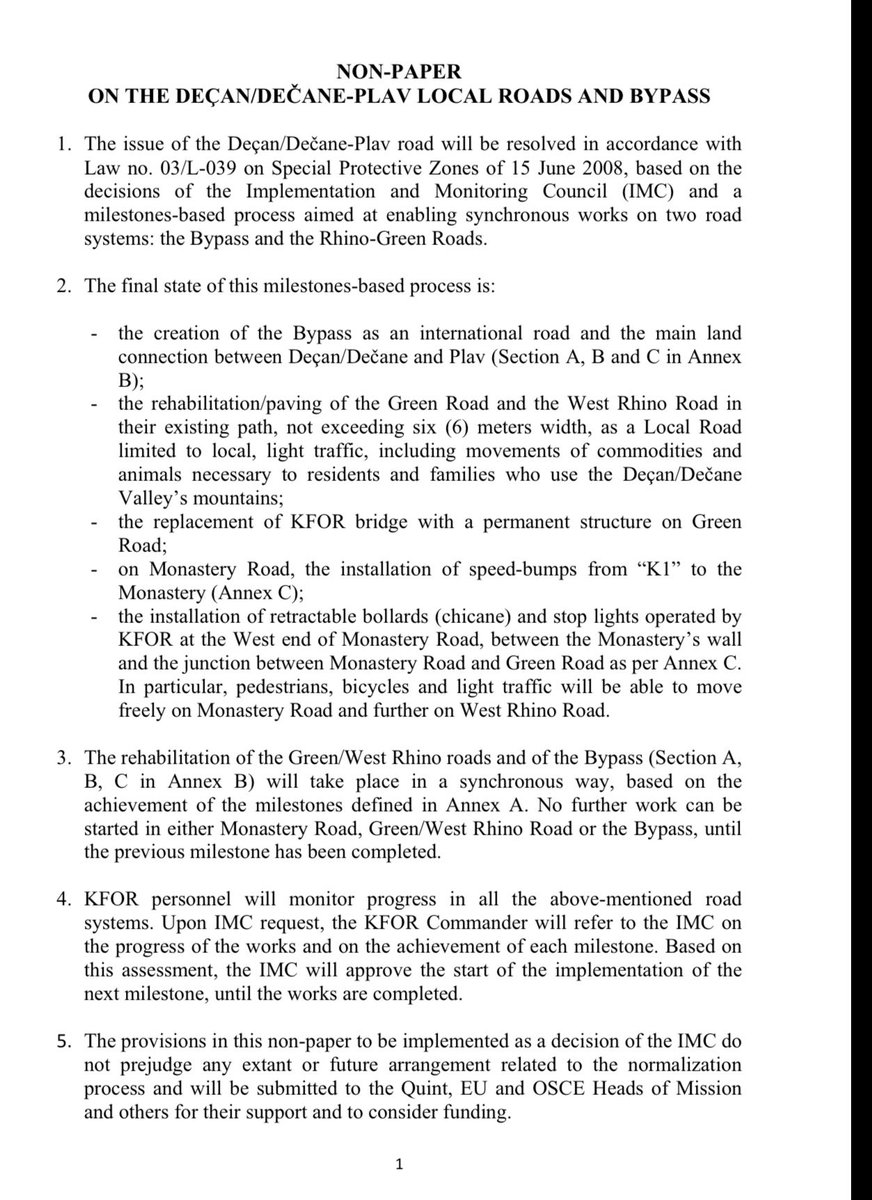
One of the central benchmarks must be the implementation of the arrangement endorsed by the Implementation and Monitoring Council, IMC, on 9 November 2020 and adopted as the unanimous decision of all IMC members. The IMC members participating in the decision were the EU Special Representative and Head of the EU Office, the Kosovo Minister of Economy and Environment, the Kosovo Minister of Culture, the Head of the OSCE Mission in Kosovo and the Abbot of Visoki Dečani Monastery, Archimandrite Sava Janjić. The Mayor of Dečani, Bashkim Ramosaj, the Italian Ambassador, Nicola Orlando, and the KFOR Commander, Major General Michele Risi, attended the meeting as observers. The arrangement was facilitated by the Italian Ambassador within the security framework provided by KFOR, with the expertise and support of the KFOR Commander. It was subsequently publicly announced by the EU Office in Kosovo through the EEAS.
https://t.co/WBHfH4LTOF
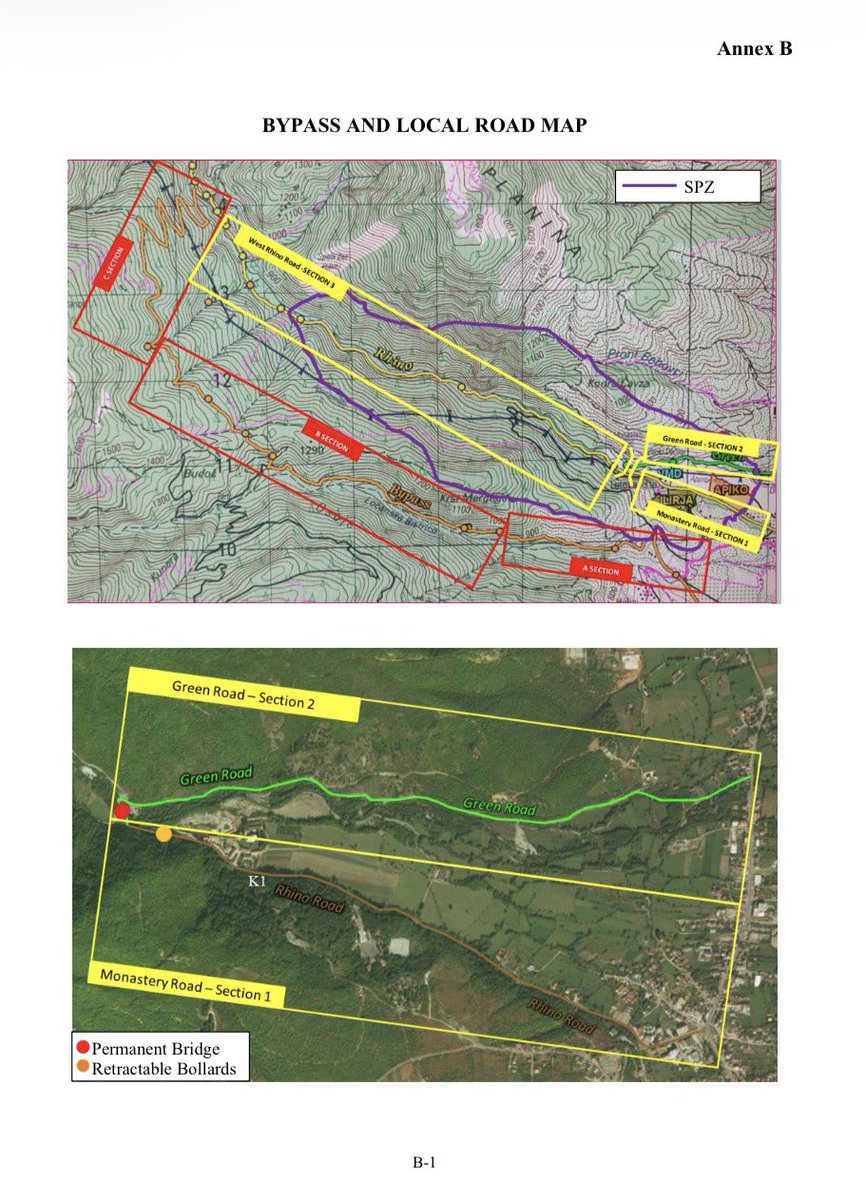
Almost six years later, the arrangement has still not been implemented in the milestones-based and synchronised manner unanimously agreed by the IMC. The arrangement was specifically designed to enable synchronous work on two interdependent road systems: the construction of an international bypass outside the boundaries of the Special Protective Zone, as the principal road connection between Dečani and Plav, and the rehabilitation of the existing local road network within the Zone.
This distinction is essential. Article 5 of Law No. 03/L-039 on Special Protective Zones prohibits the construction of transit roads in rural Special Protective Zones. The international and heavy transit traffic between Dečani and Plav (Montenegro) was therefore to be directed onto the bypass outside the Zone, while the existing local roads within the Zone were to be rehabilitated along their existing alignments, without exceeding six metres in width, and were to remain limited to local and light traffic serving residents and families using the Dečani Valley mountains.
The agreed arrangement also provided for the replacement of the existing KFOR bridge with a permanent structure on the Green Road, the installation of speed bumps along the Monastery Road, and the installation of retractable bollards, arranged as a chicane, together with traffic lights operated by KFOR at the western end of the Monastery Road. The final milestone additionally required road signs redirecting heavy traffic to the bypass.
These measures were designed to ensure that the road immediately beside the Monastery could not be used as an international transit route for heavy vehicles travelling towards Montenegro, while preserving free movement for pedestrians, bicycles and local light traffic.
The agreement further stipulated that work on the bypass and on the local road system must proceed synchronously and in accordance with the agreed sequence of milestones. No further work was to begin on the local roads in the Zone or the bypass before the preceding milestone had been completed. KFOR personnel were assigned to monitor progress on all the road systems. 👉 (continued)
#DecaniMonastery #Kosovo #SerbianOrthodoxChurch #KFOR
‼️Reaction of the Serbian Orthodox Diocese in Kosovo on the latest incident:‼️
KLA Flags on the Fence of Serbian Orthodox Churches in Lipljan Confirm the Deterioration of the Security Situation in Kosovo and Metohija
https://t.co/oo3UJzxY9j
Kosovo Online (English translation): KLA and Albanian Flags Placed on the Fence of Serbian Churches in Lipljan, Police Intervene
https://t.co/8jnBYqKVOv
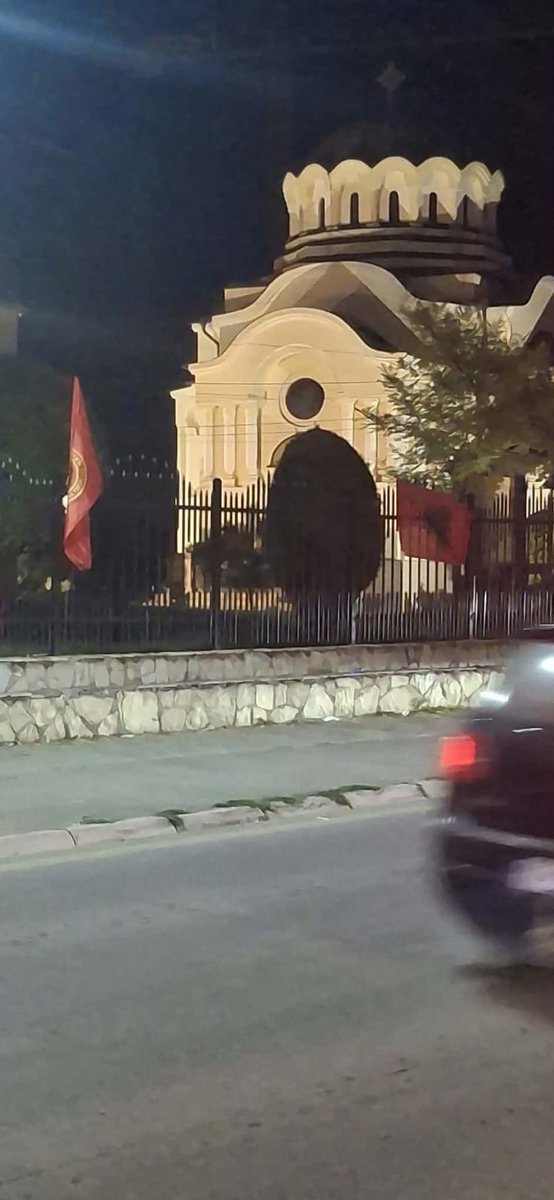
Flags of Albania and the KLA were placed by persons of Albanian ethnicity on the fences of the Churches of the Presentation of the Most Holy Theotokos and of Saints Florus and Laurus in Lipljan.
While on patrol, Kosovo Police noticed two Albanians placing the flags and soon detained them.
Members of the Kosovo Police subsequently removed the flags.
Metropolitan Teodosije spoke today in Gračanica with U.S. Senator Joni Ernst and expressed concern over the latest developments in Kosovo, as well as the challenges faced by the Church and the faithful in their daily life.
It should be recalled that the flag of the Serbian Orthodox Church was recently removed from the flagpole of this church.
#Kosovo #Incidents #SerbianOrthodoxChurch
You know what, that's not a bad idea.
10 Random people who follow @SatRushIO
+
10 Random users who share this post
Will all win .01 BTC (valued over $600).
You have 24 hours. Go. https://t.co/29t9Jp9lBi
Handing over #Serbian#Orthodox#Church#heritage to #Kosovo Albanian authorities would sooner or later result with such barbaric scenes of desecration which Kosovo Albanian extremists committed in 2004 riots burning dozens of churches in 21st century Europe. #UNESCO
(2/2)👉 The meeting brought together the Head of the European Union Office and EU Special Representative, the Head of the OSCE Mission in Kosovo, two Kosovo Ministers responsible for culture and spatial planning, the Mayor of Dečani Mr. Ramosaj and the representative of the Serbian Orthodox Church, the Abbot of Visoki Dečani Fr. Sava. The arrangement was based on a plan facilitated by the then Italian Ambassador to Kosovo, Nicola Orlando, and the former Commander of KFOR, Major General Michele Risi.
The plan, accepted by all participants, provided for the construction of the international Dečani-Plav bypass outside the boundaries of the Special Protective Zone. The bypass was intended to become the principal road connection towards Plav in Montenegro and to carry international and heavy traffic outside the protected area. The agreement was supported by EEAS too as an important step forward.
https://t.co/E6SYIACEhW
The existing road through the Special Protective Zone, together with the other roads in the valley, was to remain part of a system of local roads, intended primarily for local residents, light vehicles, agricultural needs and access to the surrounding mountain area. The agreement did not permit the gradual conversion of the local road through the Zone into an international transit route.
The arrangement also envisaged specific traffic-control measures near the Monastery, including speed-control devices and retractable bollards intended to prevent heavy vehicles from passing immediately beside the Monastery walls. These measures were agreed in order to protect the peaceful life of the monastic community, the integrity of the Special Protective Zone and the cultural and natural setting of the fourteenth-century Monastery, which forms part of the UNESCO World Heritage property, Medieval Monuments in Kosovo.
The 2020 arrangement was based on a synchronised and milestone-based process. Work on the international bypass outside the Zone and the limited rehabilitation of local roads within it were to proceed in parallel and in clearly defined phases. KFOR was expressly entrusted with monitoring progress and reporting to the IMC before any subsequent phase could be authorised. The arrangement therefore did not constitute a general authorisation for unilateral works, but an institutional framework designed to ensure that all road development would remain consistent with the Law on Special Protective Zones.
Regrettably, the 2020 arrangement has not yet been implemented. The international bypass outside the Special Protective Zone has not been constructed, the agreed traffic-control measures have not been installed, and the Implementation and Monitoring Council has not met regularly to supervise the agreed process. In these circumstances, unilateral works on the existing road within the Zone risk undermining both the law and the compromise unanimously accepted in 2020.
Visoki Dečani Monastery remains committed to dialogue, peaceful cooperation and the legitimate development needs of all people living in the Dečani area. The Monastery does not oppose improved road connections, economic development or necessary maintenance of local infrastructure. However, all such activities must be carried out transparently, lawfully and in full respect of the special protective regime established for one of the most important religious and cultural sites in the region.
The Monastery therefore remains open to constructive discussions with the Municipality of Dečani, the competent Kosovo institutions, KFOR and international representatives. Such discussions must proceed on the basis of the Law on Special Protective Zones and the decision of the Implementation and Monitoring Council of 9 November 2020, which already provides a lawful, balanced and mutually accepted solution for the international bypass, the local roads and the protection of Visoki Dečani Monastery.
#SerbianOrthodoxChurch #Kosovo #DecaniMonastery
Road works within the Special Protective Zone have been halted, the 2020 IMC arrangement remains the basis for a lawful and lasting solution
1 August 2026
Intensive road works recently carried out within the legally established Special Protective Zone of the Visoki Dečani Monastery have been halted following the formal intervention of the Monastery and the Diocese, as well as the prompt engagement of international representatives. We express our gratitude to all those who recognised the seriousness of the situation and contributed to preventing further unilateral activity until the full legal and technical circumstances of the works can be clarified.
On 29 July, the Abbot of Visoki Dečani, Fr Sava Janjić, addressed a formal letter to the Mayor of Dečani, Mr. Bashkim Ramosaj, requesting the immediate suspension of the works and full compliance with Law No. 03/L-039 on Special Protective Zones. The Monastery had not been informed or consulted in advance, nor had it received any project documentation, legal authorisation, technical explanation or information concerning the scope and intended purpose of the works.
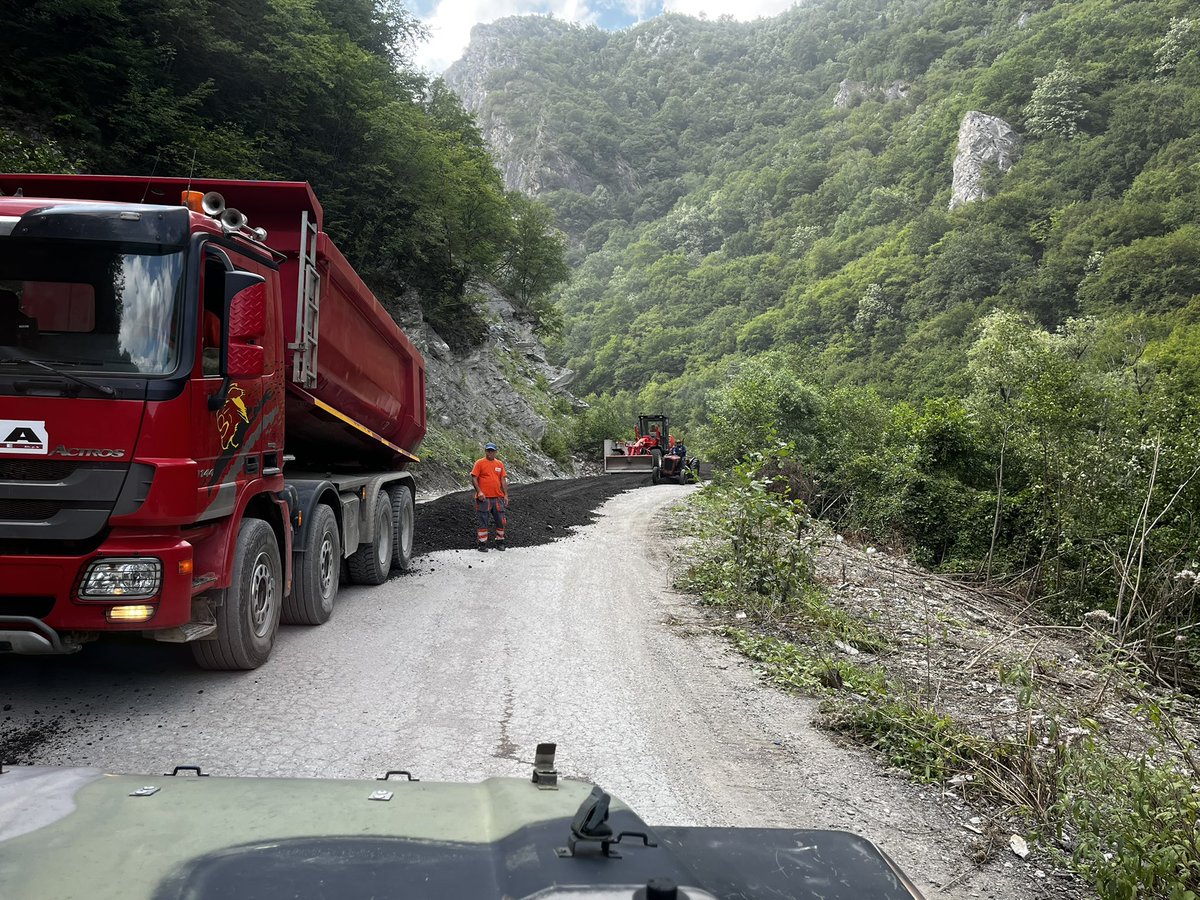
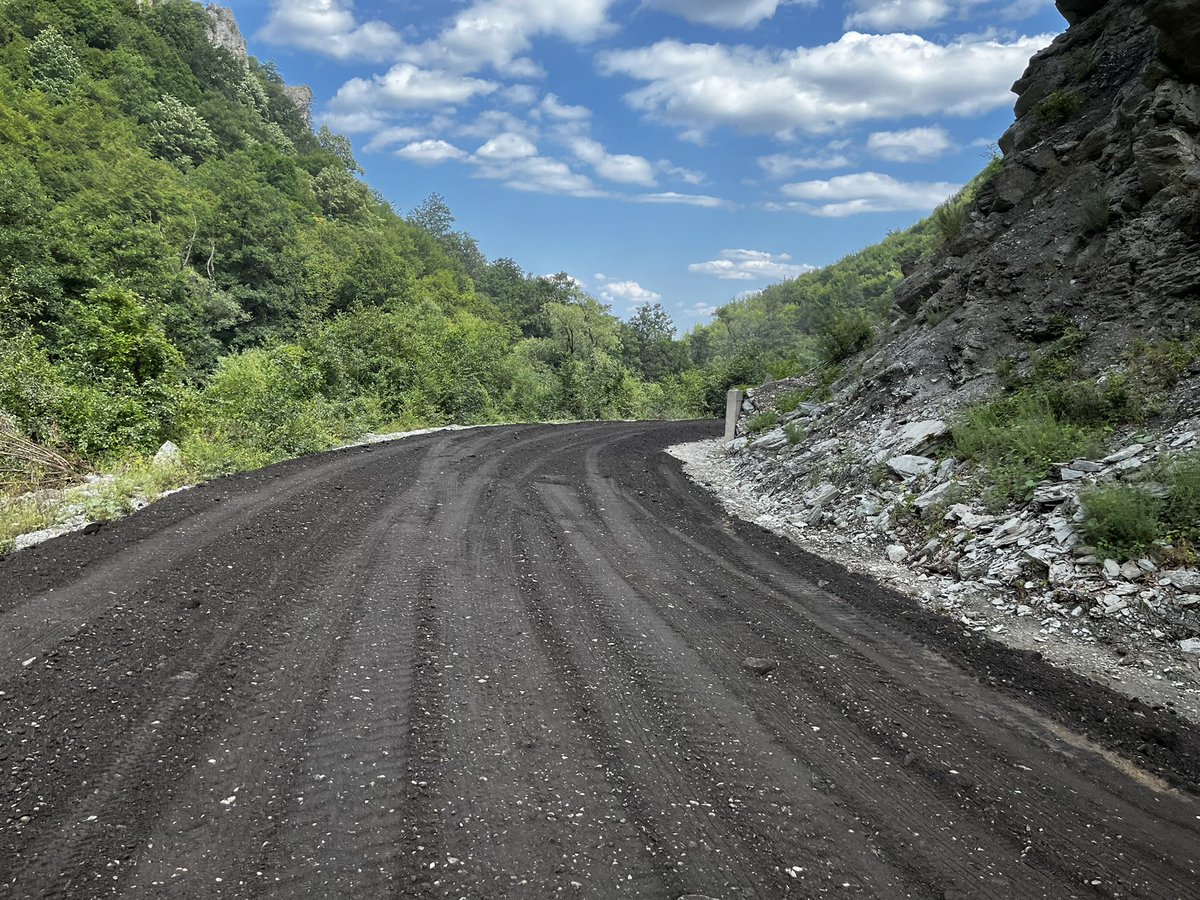
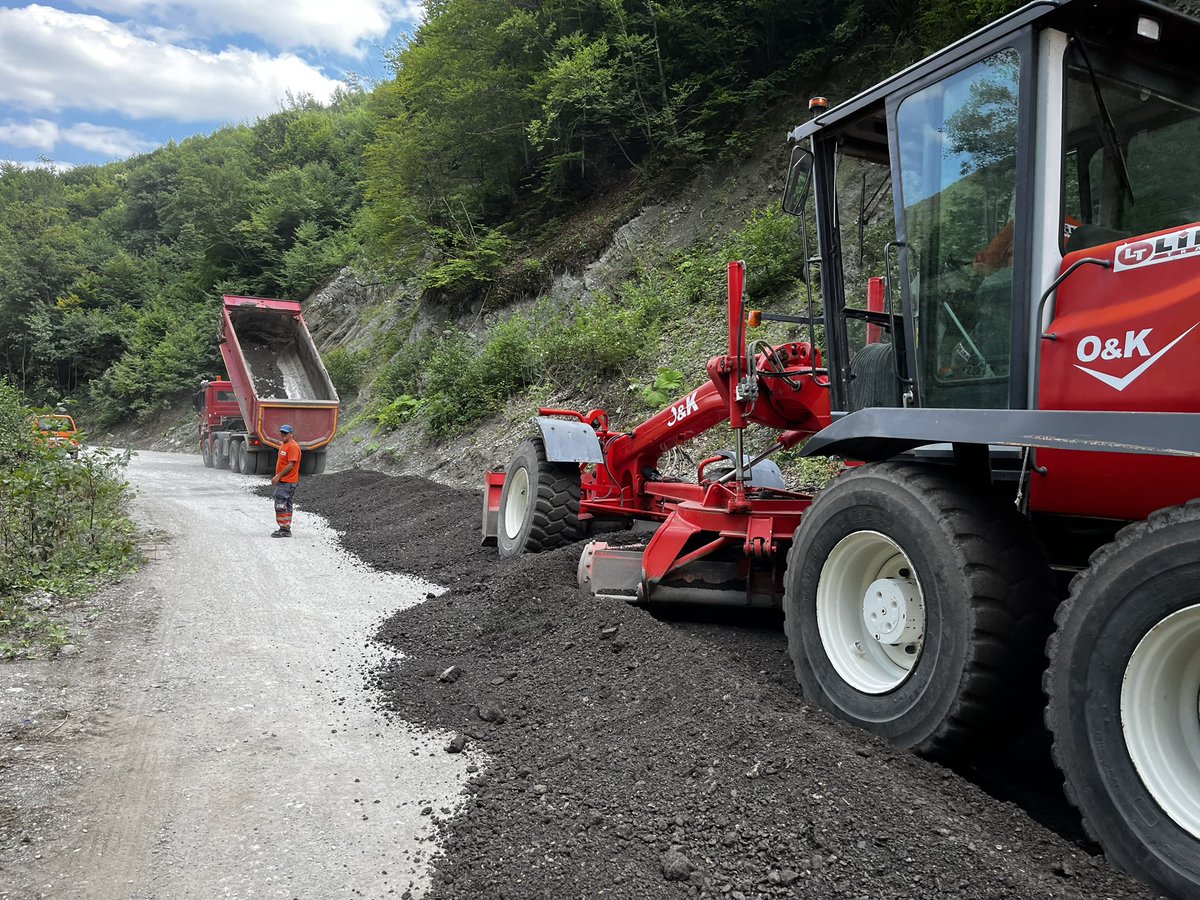
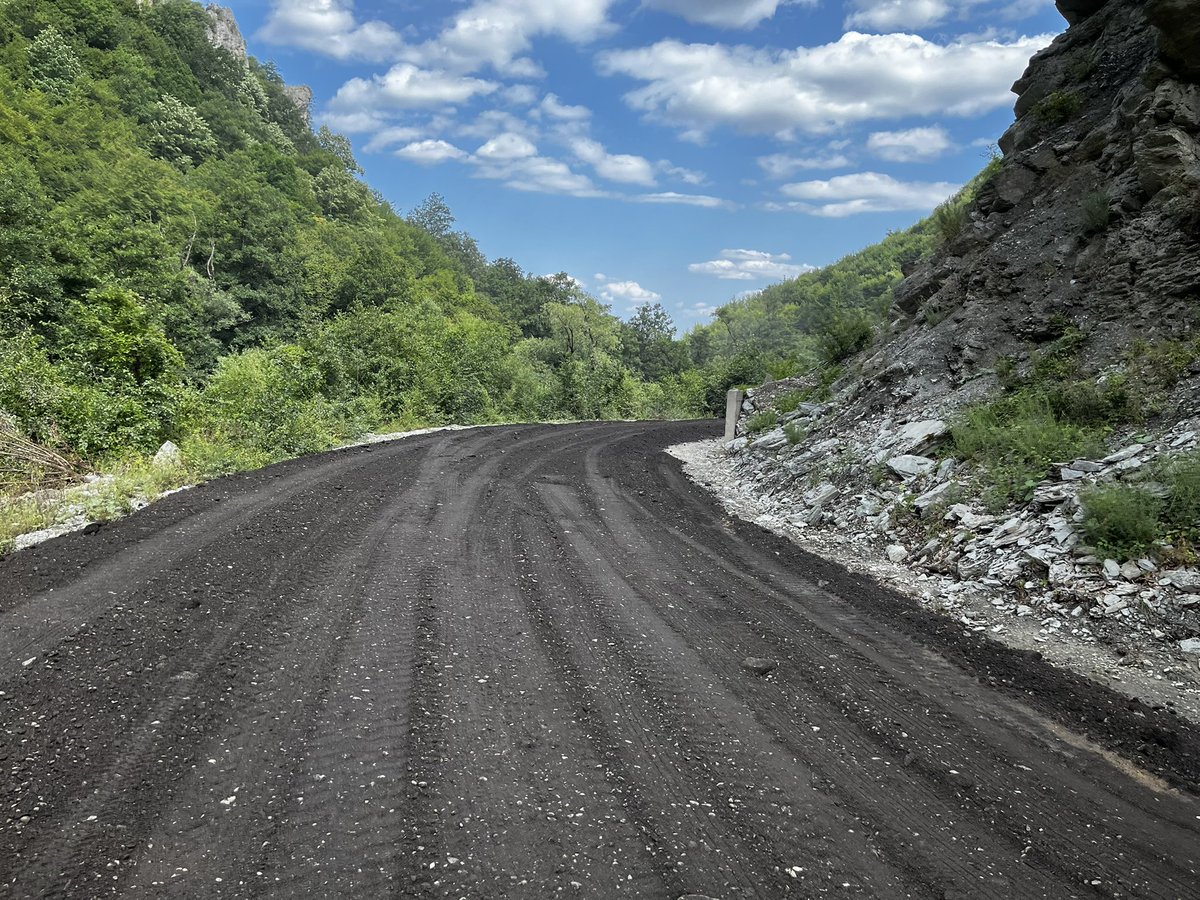
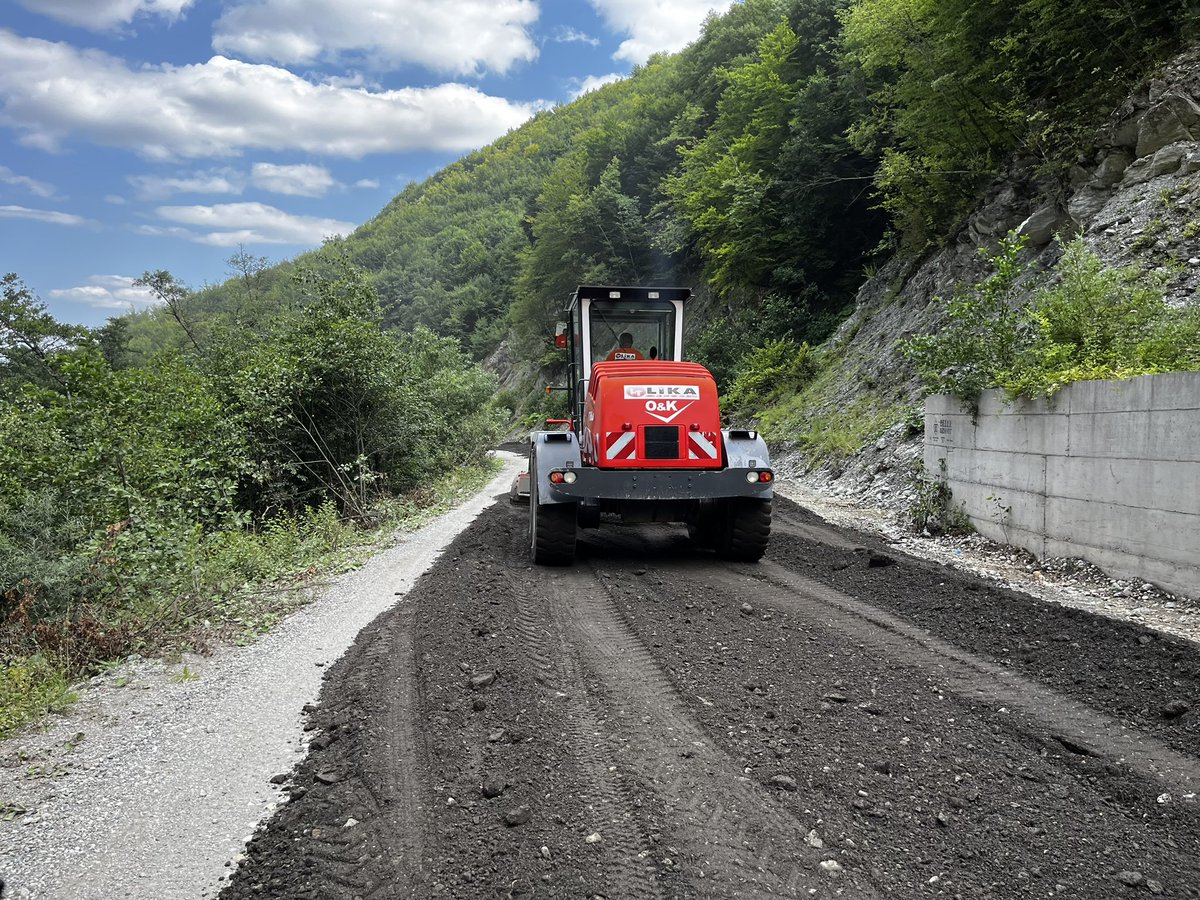
The Mayor subsequently described the activities as ordinary road maintenance and stated that asphalt surfacing was not planned and said that the works will be stopped. The Monastery appreciates the Mayor’s prompt reply and the subsequent cessation of the works. Nevertheless, the explanation provided does not correspond to the nature and scale of the activities documented on the ground. Heavy trucks delivered substantial quantities of crushed-stone aggregate, while heavy construction machinery spread, graded and levelled the material along a considerable and apparently continuous section of the road. By their scope, continuity and technical character, these works clearly exceeded the repair of isolated potholes or other minor and routine maintenance.
Visoki Dečani Monastery has regularly cooperated with the Municipality regarding genuinely necessary minor repairs to local roads, whenever such activities were announced in advance and coordinated with the Monastery and KFOR. Our concern is therefore not directed against ordinary road maintenance or the legitimate needs of the local population. It concerns substantial infrastructure works conducted within a legally protected area without prior notification, consultation, agreement or consideration by the competent joint mechanism established under the law.
The legal distinction is clear. The construction or development of an international transit road through the rural Special Protective Zone of Visoki Dečani is prohibited under Article 5 of the Law on Special Protective Zones. Such a project cannot be authorised by the Municipality, even if the Monastery would agree, or implemented through unilateral activity on the ground.
At the same time, road construction, maintanance and significant repair works within the Special Protective Zone constitute restricted activities under Article 6 of the Law. They require prior coordination and agreement with the Serbian Orthodox Church. Where agreement cannot be reached, the matter must be referred to the Implementation and Monitoring Council, the IMC, for consideration. Neither procedure was followed before the most recent works began.
It is also important to recall that the question of the Dečani-Plav transit road was not left without a solution. A lawful and carefully balanced compromise was reached at the meeting of the Implementation and Monitoring Council on 9 November 2020 (continued)👉
#Kosovo #SerbianOrthodoxChurch #DecaniMonastery
(2/2)👉 Efforts at Legalisation and Judicial Challenges
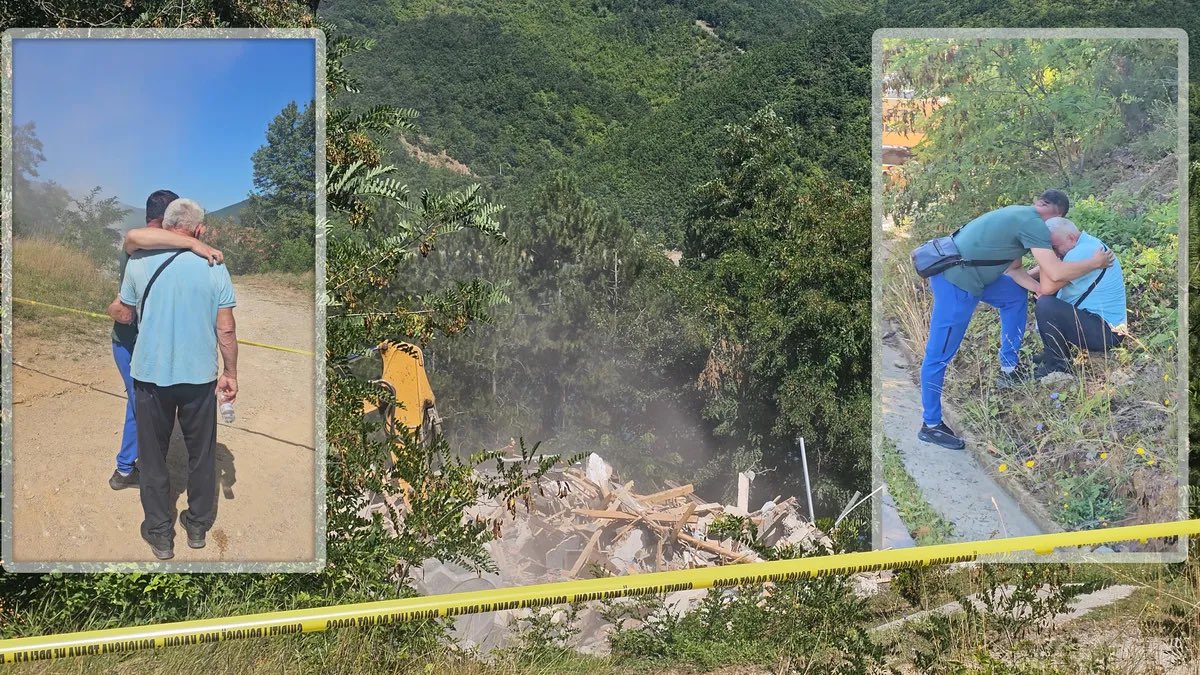
Affected families have pursued multiple avenues under the Kosovo system. Several stated that their properties were already in the process of legalisation or that they had filed lawsuits against Ibar-Lepenac challenging ownership or seeking interim measures. For the Jezero complex, the Jakšić family filed a criminal complaint against Mujka, civil proceedings, and a claim before the Basic Court in Mitrovica; a hearing was scheduled for 12 August 2026, yet demolition proceeded after the 15-day administrative deadline.
Owners have proposed long-term lease arrangements under which they would pay rent to the company while retaining use of the structures—arrangements they note the enterprise has concluded with other users elsewhere. Local municipal officials offered legal assistance, and some residents expressed readiness to regularise documentation or pay fees to Kosovo institutions. Reports indicate that more than 150 houses, holiday homes, and building plots around the lake could ultimately be affected by similar claims.
International Reactions and Rule-of-Law Concerns
On 22 July, the EU Office in Kosovo expressed regret that demolitions of houses had occurred while residents had initiated court proceedings within the 15-day notice period. It voiced concern about the lack of due process in this and other recent cases in northern Kosovo since February 2026, and called for an immediate halt to further demolitions, forced removals, or takeovers until issues of due process, proportionality, property rights, human rights, and effective remedies are adequately addressed. Irreversible measures amid pending proceedings and contested claims, the EU stated, raise serious rule-of-law concerns. It urged engagement with affected residents and municipalities and stressed that police involvement must remain within a clear legal mandate.
The OSCE Mission emphasised that actions affecting property rights must follow the applicable legal framework with full due process, prompt information to affected persons, and consistent application across all communities to avoid undermining public confidence and inter-community relations. UNMIK said it was closely monitoring developments and in contact with relevant parties. The German and British embassies also voiced concern, underscoring the need for fair, transparent processes and respect for the rule of law as essential to Kosovo’s European path. Civil-society groups later condemned the Jezero demolition and called for investigations into the company’s director and police conduct.
Despite these calls, operations continued, culminating in the hotel demolition and Pacolli’s reaffirmation that the campaign would proceed without compromise.
Broader Implications
The actions occur against the backdrop of longstanding tensions over property, institutional control, and the integration of northern Kosovo. Local Serb leaders and the Serbian government’s Office for Kosovo and Metohija have described the demolitions as politically motivated and a threat to the community’s presence, warning of instability and potential further displacement. Owners repeatedly stress they seek legal resolution or negotiated leases rather than confrontation.
Kosovo authorities maintain that the priority is protection of a vital public resource and equal application of the law. International actors continue to monitor, expressing concern that outcomes require transparent procedures, effective judicial remedies, and engagement that preserves both the rule of law and inter-community trust. As court cases remain pending and notices continue to be issued, the situation around Gazivode Lake with a series of demolitions of Serb-owned houses remains a flashpoint for questions of property rights, due process, and stability in northern Kosovo and the wider region.
#HumanRights #Demolitions #Kosovo
(1/2) Demolitions of Serb-owned buildings at Gazivode Lake by Kosovo authorities continue despite pending court cases, raising concerns over stability in northern Kosovo
(Overview based on media sources)
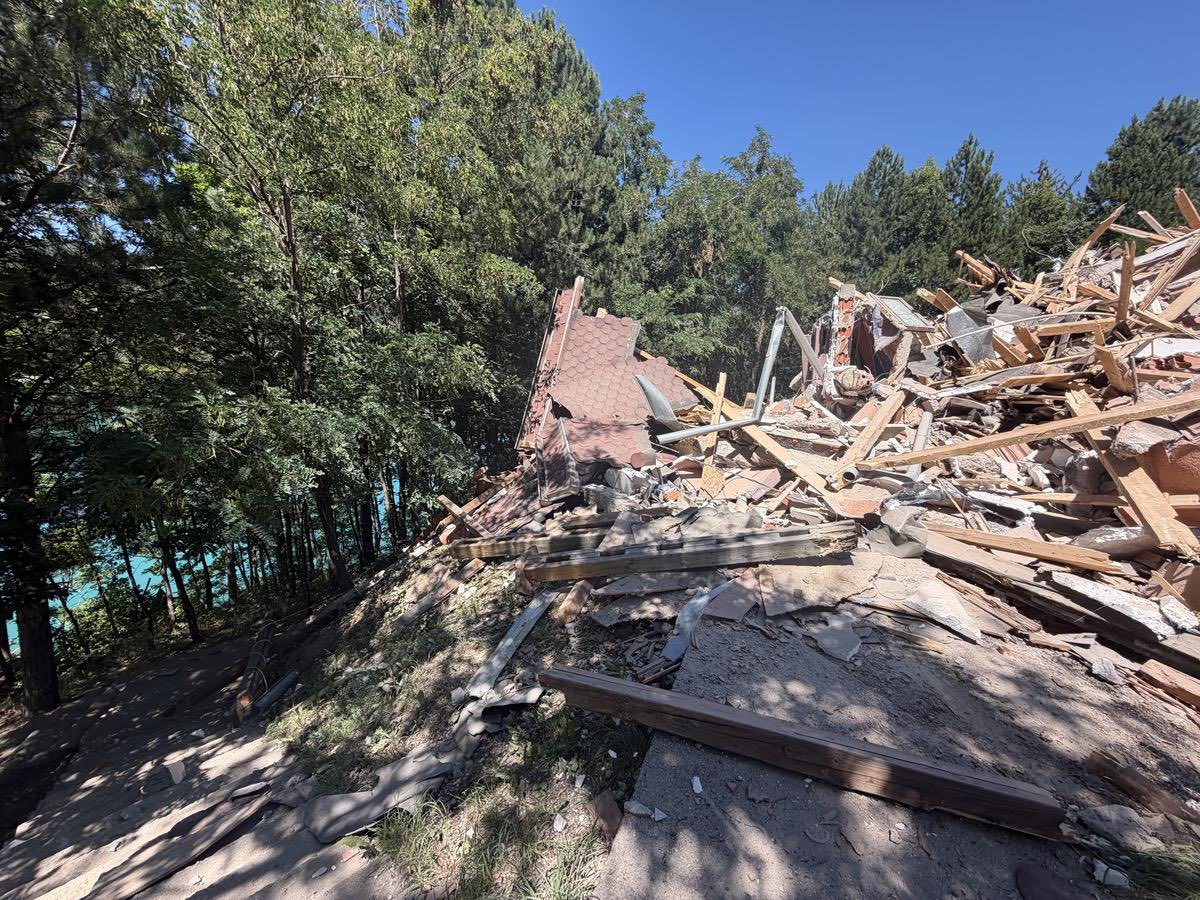
Demolitions of Serb-owned properties around Gazivode/Ujman Lake in northern Kosovo have intensified in recent weeks, with authorities removing at least 17 buildings—including holiday homes, a family house, and the well-known Motel/Hotel Jezero—while owners and international observers raise alarms over due process and property rights.
The public water management company Ibar-Lepenac (Ibër-Lepenci), supported by Kosovo Police and the Ministry of Environment, Spatial Planning and Infrastructure, has carried out the operations. Officials describe the structures as illegally built without permits on public land managed or owned by the company, which holds cadastral records stemming from historical expropriations linked to the construction of the Gazivode dam and reservoir in the 1970s under the former Yugoslavia. The lake is a strategic asset supplying drinking water, supporting electricity generation, and enabling irrigation.
Acting Minister Fitore Pacolli stated on 30 July 2026 that 17 buildings or villas around the lake had been demolished so far and that the campaign “will continue without compromise” and expand to other parts of Kosovo “to protect public property and ensure law enforcement.” Director Faruk Mujka of Ibar-Lepenac has similarly framed the actions as reclaiming usurped property after field verifications and review of cadastral archives.
Timeline and Method of Enforcement
Notices began appearing in April 2026, giving owners 15 days to vacate plots the company claims as its own and restore them to their previous condition. Demolitions started on 26 June with several cottages in the Čečevo settlement, assisted by police (with EULEX and KFOR presence noted as monitors in some cases). A further wave on 21 July removed 11 more holiday homes. On 29–30 July, workers demolished the Jezero hotel complex, a longstanding recreational facility, after the expiry of a similar notice served earlier in the month.
Owners report that heavy machinery arrived with police accompaniment, sometimes with short notice to clear belongings. The Municipality of Zubin Potok, the local Serb-majority authority, has stated it was neither consulted nor issued demolition permits. Serbian officials and local leaders have characterised the operations as lacking court orders or enforceable administrative titles.
Why the Properties Are Deemed Illegal
Under Kosovo institutions, the land parcels are registered to Ibar-Lepenac following the original expropriations for the reservoir. Structures erected earlier—often over decades by Kosovo Serb families—are viewed as unauthorised constructions on public property. Some owners hold 99-year contracts or leases concluded with entities such as Srbijašume (the Serbian forestry enterprise) in the mid-2000s or earlier arrangements tolerated under previous administrative frameworks in the north. These are now not recognised as valid construction or ownership titles by Pristina. Authorities emphasise that the same standards apply wherever the company’s infrastructure is located, though current focus and demolitions are concentrated in the Serb-majority north.
Many of the buildings date from periods when previous Serbian institutions operated or when Kosovo’s post-1999 and post-independence cadastral and permitting systems had limited reach in the north. Long-standing use created what some legal observers describe as legitimate expectations of eventual regularisation.👉
#HumanRights #Demolitions #Kosovo
URGENT‼️ Renewed works within the Special Protective Zone of the Visoki Dečani Monastery give rise to serious concern
Statement of the Serbian Orthodox Diocese of Raška and Prizren
https://t.co/xK2GYp7DXg
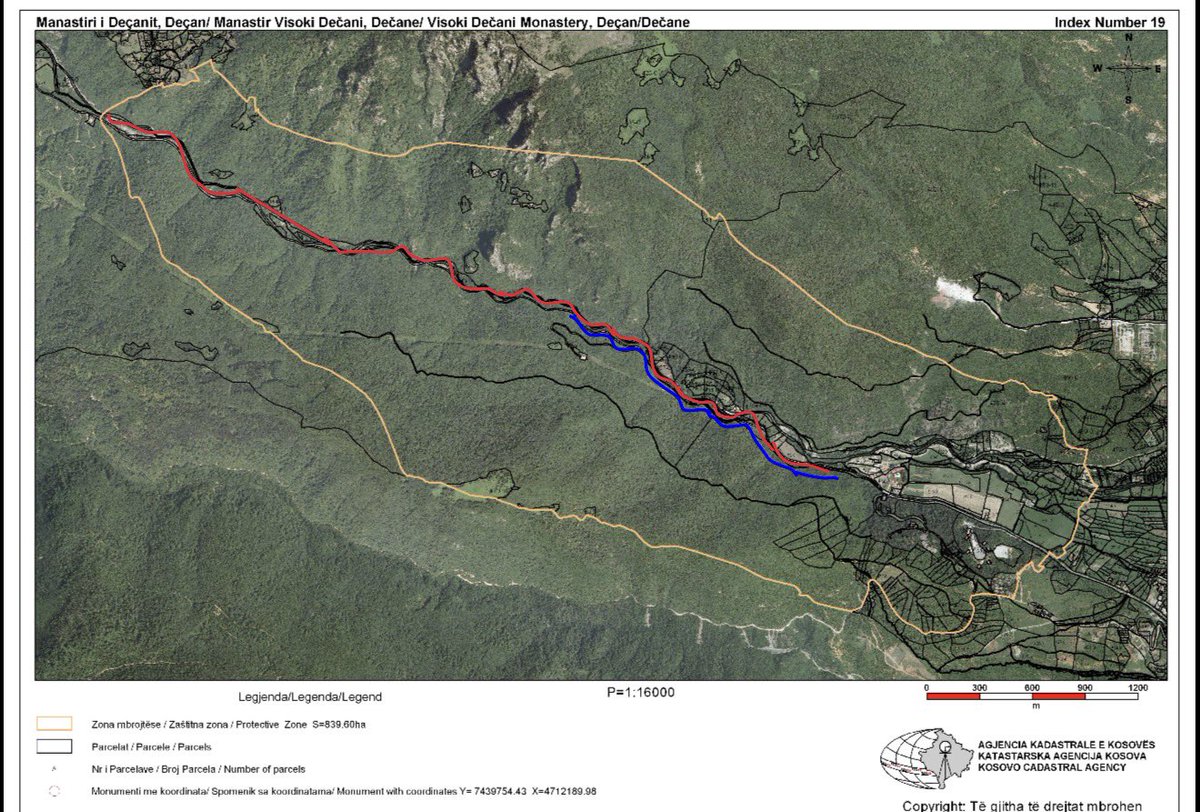
(1/2) The Diocese of Raška and Prizren has been informed that road works have once again commenced within the legally established Special Protective Zone of Visoki Dečani Monastery, approximately two kilometres west of the Monastery, along the existing alignment associated with the long-disputed project for the Dečani-Plav international transit road.

Monks of Visoki Dečani Monastery visited the site where the works are being carried out. Heavy trucks were observed delivering substantial quantities of crushed stone, while construction machinery was spreading and levelling the material along the existing road alignment. By their nature and scale, the activities observed go beyond ordinary and limited road maintenance and bear the characteristics of construction, reconstruction or significant upgrading of road infrastructure within the protected area.
Neither Visoki Dečani Monastery nor the Diocese of Raška and Prizren was informed of these works in advance, nor were they provided with project documentation or an explanation of the purpose, scope and legal basis of the works. The agreement of the Serbian Orthodox Church, as required under the Law on Special Protective Zones, was not sought. Nor are we aware that the procedure prescribed by law has been initiated before the Implementation and Monitoring Council, in which, alongside two Kosovo ministers and Metropolitan Teodosije, the Heads of the EU and OSCE Missions in Kosovo also participate.

Law No. 03/L-039 on Special Protective Zones constitutes the specific and binding legal framework for the protection of Visoki Dečani Monastery. Article 7 of the Law expressly establishes the Special Protective Zone of the Monastery. Article 5 explicitly prohibits the construction of transit roads through rural Special Protective Zones, such as that of Visoki Dečani Monastery, while Article 6 provides that any road construction or reconstruction works constitute restricted activities for which the competent authorities must first seek the agreement of the Serbian Orthodox Church. If agreement is not reached, the matter must be considered within the legally established implementation and monitoring mechanism.

The legal position is therefore clear, irrespective of how the works may formally be described. If their purpose is to continue the construction of the Dečani-Plav transit route through the Special Protective Zone, they concern an activity prohibited by law. If the works are presented as the repair or improvement of the existing local road, they nevertheless remain subject to the requirement of prior consultation and agreement with the Church, as well as consideration by the competent joint mechanism if no agreement is reached. According to the facts currently available, none of these procedures has been followed, while the scale of the works exceeds ordinary seasonal repairs.
It is particularly concerning that this is not the first attempt to carry out works along the same or a connected route without full compliance with the law. Similar works within the Special Protective Zone commenced in 2018 and again in 2020, but were suspended following a decisive response by international representatives. 👇
#SerbianOrthodoxChurch in #Kosovo
Statement of the Diocese of Raška and Prizren Concerning Recent Reports on the Application of Tourism Regulations to Religious Pilgrimages in Kosovo
https://t.co/ZpPfaY5n1e
Demolition of Serbian-owned houses near Gazivode Lake prompts concern from EU and Quint embassies in Pristina
(Source: Media Monitoring, Kosovo)
On 21 July 2026, Kosovo authorities demolished 11 houses and weekend cottages near Lake Gazivode in the municipality of Zubin Potok, in northern Kosovo. The action was carried out by the Inspectorate of the Ministry of Environment, Spatial Planning and Infrastructure in coordination with the public water management company Ibar-Lepenac and with the assistance of the Kosovo Police.
Ibar-Lepenac stated that the structures had been built without permits on land it owns and manages. Company director Faruk Mujka said owners had been ordered on 3 July to vacate the properties within 15 days; when they did not, the inspectorate proceeded with demolition on 21 July.
Owners, who are members of the local Serbian community, dispute the company’s claims. They say many of the buildings are the subject of ongoing court proceedings, that some were in the process of legalization, and that certain owners hold documentation including long-term contracts (in some cases described as 99-year agreements previously concluded with Serbian forestry authorities). They maintain that demolition proceeded despite these legal processes still being active. The action follows earlier demolitions of five Serbian-owned holiday homes in the Čečevo area on the same lake on 26 June 2026, also conducted by Ibar-Lepenac with police assistance and monitored by EULEX.
International reactions on 22 July
The European Union Office in Pristina issued a statement regretting the previous day’s demolitions. It expressed concern that prescribed legal procedures had not been followed, noting that residents had already initiated court proceedings within the 15-day notice period. The EU called for an immediate halt to further demolitions, forced evictions, and property seizures until procedural concerns are resolved, and urged the authorities to engage with the affected residents and municipalities to find lawful solutions. It described irreversible enforcement measures amid ongoing proceedings and disputed property claims as raising “serious concerns regarding the rule of law,” and linked the case to other recent actions in northern Kosovo since February.
The German Embassy in Pristina stated that it shares the EU’s concerns. “We are deeply concerned about the demolition of houses at Gazivode,” the embassy said, calling for such actions to be stopped immediately and demanding transparency and lawful solutions. It underlined that respect for proper legal procedures and the rule of law, as guaranteed by Kosovo’s Constitution, is essential for the country’s European path.
The British Embassy (a Quint member) also reacted, saying it is concerned by the demolitions near Lake Ujmani/Gazivode and is closely monitoring developments. “Respect for the rule of law requires fair and transparent processes, with those affected able to exercise their rights.” The embassy expressed particular concern that enforcement action had proceeded while legal proceedings remained ongoing, stressing that the law should be applied consistently and impartially across Kosovo. It urged the Kosovo authorities to engage with the affected communities, address concerns transparently, and avoid further steps that could undermine public confidence or inter-community trust.
Local Serbian political representatives and the Serbian National Council of Kosovo and Metohija described the demolitions as part of pressure aimed at changing the ethnic structure of the area and called for stronger international reaction.
The episode forms part of a longer dispute over property and land management around the strategically important Gazivode lake, which supplies water and hydroelectric power and has been a recurring point of tension between Pristina institutions and the Serbian community in the north of Kosovo.
#Kosovo #RuleOfLaw #HumanRights #Demolitions
SOC Diocese: Disappearance of the bell from the church of Saint Kyriake in Brnjača near Orahovac, requires an urgent investigation
https://t.co/SGcqUpMMsj
Statement of the Serbian Orthodox Diocese of Raška and Prizren
The Diocese of Raška and Prizren has received with deep concern the news that the church bell has disappeared from the bell tower of the Church of the Holy Great-Martyr Kyriake in the village of Brnjača, near Orahovac.
The faithful from Orahovac and the surrounding area, who gathered this morning for the Holy Liturgy on the occasion of the church’s patronal feast, discovered upon their arrival that the bell was missing. The Kosovo Police were called and attended the scene, while all the circumstances of this incident remain unclear.
A church bell is not merely an item of Church property, but a consecrated liturgical object that calls the faithful to prayer and worship. Its disappearance on the very day of the church’s patronal feast has caused deep distress among the small number of Orthodox faithful who remain in this area, particularly bearing in mind that no Serbian population lives in the immediate vicinity of the church and that the church itself was already attacked during the violence of March 2004.
At this stage, the Diocese refrains from drawing premature conclusions regarding the perpetrators or their motives. It nevertheless expects the Kosovo Police to conduct a thorough investigation without delay, secure all available evidence, establish what occurred and, should it be confirmed that the bell was unlawfully removed, identify those responsible and bring them to justice. It is particularly important to determine whether this incident involved elements of religious or ethnic intolerance.
Given that many previous attacks, break-ins and acts of desecration against Serbian Orthodox Church sites have not received an effective police or judicial response, we also expect international representatives to monitor closely the conduct of the competent institutions in this case. Only a prompt, professional and impartial investigation can demonstrate that the holy sites and rights of the Serbian Orthodox Church are genuinely protected in practice, rather than merely in public declarations.
Prizren, 20 July 2026 Serbian Orthodox Diocese of Raška and Prizren
Serbian Orthodox Church Statement concerning the dissemination of falsehoods by Nikolla Xhufka in the Kosovo media
https://t.co/UnUB8iKL0p
In an interview published on 19 July 2026 by the Albanian-language media outlet KosovaPress, Nikolla Xhufka, a citizen of the Republic of Albania who presents himself as the “archbishop” of a purported “Autocephalous Orthodox Church of Kosovo”, made a series of demonstrably false claims concerning the Serbian Orthodox Church, together with statements which, in our assessment, may contain the elements of the criminal offence of inciting national, racial, religious or ethnic hatred, discord or intolerance. If the Kosovo institutions genuinely stand behind their publicly proclaimed commitment to the equal protection of all religious communities, as required by their own constitution and laws, they cannot leave these statements unexamined, nor can they continue to allow a foreign citizen, who has sown divisions along religious and national lines ever since his first appearance in Kosovo, to do so without any legal consequences.

Before addressing the specific falsehoods, it is necessary, for the avoidance of any doubt, to restate one fact. Mr Xhufka is not, and has never been, a cleric of the Serbian Orthodox Church, the Autocephalous Orthodox Church of Albania, or any canonical Orthodox Church anywhere in the world. The Autocephalous Orthodox Church of Albania, the only canonical Orthodox jurisdiction in his own country, stated this publicly as early as November 2022, describing his claims of alleged ordination as a deception of the public. He represents no one but himself.

In the interview in question, which has been republished without verification by certain Kosovo Albanian news portals and on social media, Mr Xhufka claims that the Serbian Orthodox Church “lost” a court case against his organisation, that he “proved” before a court that the medieval church in Rakitnica does not belong to the Serbian Orthodox Church, and that the case is now before a court of second instance. This is an absolute falsehood. The Serbian Orthodox Church has never initiated, nor has it ever been a party to, any civil dispute with Mr Xhufka, his organisation, or any person associated with him. There is no judgment of any court, at any level of jurisdiction, in which the Church has “lost” anything in his favour, and we categorically reject the claim that any such dispute or judicial decision exists. Apart from the criminal proceedings described below, the Church has initiated no other proceedings concerning Mr Xhufka, nor is it aware of any such proceedings.

The only proceedings that actually exist are criminal court proceedings against Mr Xhufka. The Church filed criminal complaints in order to protect the medieval Church of the Holy Archangel Michael in the village of Rakitnica, near Podujevo, from repeated unlawful incursions, and also in response to the hatred which this individual publicly disseminates. On the basis of those criminal complaints, one criminal case is currently being conducted against Mr Xhufka and one of his associates, Lejdi Zagalia, who has fled Kosovo. Since this is precisely the case that has been misrepresented in the interview, it is necessary to set out its procedural history accurately.👇
The increasingly difficult position of the Serbian people and the church in Kosovo
Statement of the Serbian Orthodox Diocese of Raška and Prizren
https://t.co/6JIvMSwFTH
SUMMARY:
After years of restraint and dialogue, the Serbian Orthodox Diocese in Kosovo must warn that relations between the Serbian community and Kosovo institutions, particularly confidence in the Kosovo Police, have reached their lowest point since the conflict in 1999.
This is not the result of isolated incidents, but of a growing pattern: the detention and alleged mistreatment of Serbs following the peaceful Vidovdan commemoration at Gazimestan, ineffective investigations into numerous attacks and desecration of churches, violations of Special Protective Zones, obstruction of access to the Church of Christ the Saviour in Pristina, pressure upon Serbian healthcare, educational and social institutions, and the increasingly selective application of the law which is perceived as a coordinated repression campaign.
The situation of Visoki Dečani Monastery remains especially serious. Continued protection by KFOR is an indispensable security guarantee. The absence of recent attacks is evidence of the effectiveness of international protection, not proof that such protection is no longer required. KFOR presence has never been so indispensable amid the deepening crisis with the local institutions, especially Kosovo police.
Security cannot be measured only by the absence of killings or mass violence. A community is not truly secure when its members live in fear of detention, searches, administrative penalties, institutional pressure and the gradual loss of access to their schools, hospitals, property and holy sites.
The Diocese calls upon Kosovo institutions to apply the law equally, investigate attacks effectively, respect Church property and Special Protective Zones, and ensure independent scrutiny of alleged police abuses.
The Diocese also urges the international community not to reduce its diplomatic and security presence. Under current conditions, such a reduction would not demonstrate normalisation, but would increase instability and endanger the survival of the Serbian community and Church.
The Serbian Orthodox Church remains committed to peace, dialogue, the rule of law and the dignity of every person. Yet peace cannot rest upon the fear of one community, selective enforcement of the law or the systematic erosion of its rights.
Read the full STATEMENT for complete information
Све тежи положај српског народа и Цркве на Косову и Метохији
Саопштење Епархије рашко-призренске Грачаница-Призрен, 17. јули 2026. год.
https://t.co/RYQyhjGB3J
Vidovdan must not become an occasion for fear, detentions, and humiliation
Statement of the Serbian Orthodox Diocese of Raška and Prizren regarding the conduct of the Kosovo Police at Gazimestan
The Diocese of Raška and Prizren expresses its deep concern and strongest protest regarding the conduct of the Kosovo Police during, and especially after, yesterday’s commemoration of Vidovdan at Gazimestan hill near Priština, which cast a heavy shadow over the prayerful and dignified celebration of one of the most important feast days in the spiritual and historical life of the Serbian people in Kosovo and Metohija.
https://t.co/JpP2La37t0
Syria’s Christians are being erased. Churches seized, crosses torn down, communities intimidated into silence or exile.
From nearly 2 million Christians to a fraction of that today, the trajectory is clear.
The Vanishing Crosses of Syria by @SallyObeid
https://t.co/JU1YhP85dn