Eu trabalho numa faculdade de formação de professores, só tem licenciaturas. Nossa questão constante é lidar com evasão e também ingresso de novos alunos. Cada ano é pior e depois da pandemia foi um desastre.
Maybe a hot take but Alastor’s main sin isn’t Greed, it’s Wrath. He strikes me as a very angry person, not just in a short fuse sort of way, but in a way that’s (justifiably) angry at the world, that’s developed over his life. “I’m a waking Hell and the gods grow tired” #Hazbin
Jennette McCurdy's mother started showering with her when she was a child. She didn't stop until Jennette was seventeen years old. The same mother wouldn't let her daughter keep a private diary - they had to share one. The same mother measured her daughter's thighs with a tape measure, weighed her daily, and counted every calorie she ate starting at age eleven. It wasn't punishment. It was their bonding activity.
It started when Jennette felt a lump in her breast at eleven and ran to her mother terrified she had cancer - her mom had survived stage four breast cancer when Jennette was two. Instead of explaining that breast tissue develops during puberty, her mother panicked and put her on a strict diet plan. They would sit together every night writing down everything they ate - "two bites of this shrimp scampi lean cuisine" - and her mother would advise her on how to "cut back a little bit more" the next day. Jennette smiled while telling it. She said it felt fun at the time. It felt like connection.
Her mother put her into acting at six - not because Jennette wanted it, but because she needed to feel seen through her daughter. When Jennette once told her in the car she didn't want to act anymore, her mother erupted into hysterics - tears pouring down her face, screaming: "You're going to break mommy's heart. This is our chance. This is our family's chance." Jennette never brought it up again. She was the family's breadwinner by twelve.
By eleven, Jennette had a full-blown eating disorder she didn't even have a name for. She only learned the word "anorexia" when she overheard her mother discussing it with her doctor. The doctor knew. Her mother knew. Nobody told the child.
Then came iCarly. Nickelodeon. Millions of dollars. And a 33-year-old man on set who started showing the 18-year-old homeschooled Mormon girl movies after work. He had a girlfriend he lived with. He told Jennette: "I'm not going to leave her, but I want this." When Jennette finally tried to pull away, suddenly he was going to leave his girlfriend after all - but first, a hotel room, where he asked her for something she'd never heard of. "I'll guide you through it," he said. When he finished, she thought he had urinated in her mouth. She didn't know what had happened. She was eighteen and had never been told what sex was.
The relationship continued with phrases like "I have needs that need to be met" and "I'm a mid-30s man, and this is something I'm used to." He framed it as reasonable. She framed it as the price of feeling special.
A year and a half after her mother's death, Jennette discovered the man she'd called Dad her entire life wasn't her biological father. Her mother knew. She never said a word - not when Jennette was two, not when she was eighteen, not on her deathbed. The last secret from a woman who controlled every calorie, every shower, every diary entry, every audition.
Nickelodeon offered Jennette $300,000 to never speak publicly about her experiences. She turned it down and wrote "I'm Glad My Mom Died" instead. It became a number one bestseller.
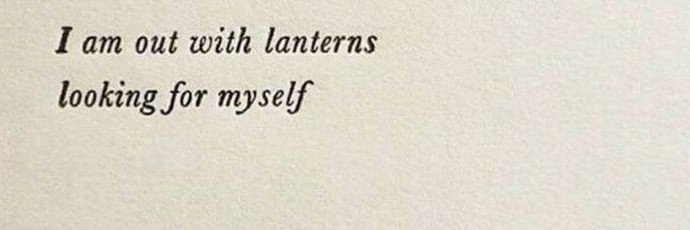
Does a child who was never allowed to have a single private thought - not a shower, not a journal entry, not even a feeling - ever fully learn what it means to belong to herself?