The actual research is wild. Every time you push down a feeling, your brain has to choose between suppressing that emotion and recording what’s happening around you. It picks the suppression. The memory doesn’t get saved.
A 2000 Stanford study confirmed this: people told to hide their emotions while watching a film remembered far fewer details than people who just reacted naturally. Suppressing emotions uses up mental energy, and that leaves less brain power for saving new memories.
Brain scans show why. A 2012 study found that suppression quiets the hippocampus (your brain’s memory-recording center) right when it should be saving information. The two brain regions that normally team up to lock in memories stop talking to each other.
Over time it gets worse. Suppression keeps cortisol (the stress hormone) elevated, and cortisol shrinks the hippocampus. Chronically stressed people can lose 10 to 15% of its volume. Just three weeks of high cortisol can shrink the tiny connection points between brain cells by about 20%. The good news: studies show this shrinkage can partially reverse once stress levels drop. Not necessarily permanent.
A Finnish study of 1,137 older adults tracked over roughly a decade found that habitual emotion suppressors had nearly 5x the risk of developing dementia, even after controlling for genetics, smoking, obesity, and education.
There’s a better way to handle emotions that doesn’t cost you your memory. It’s called cognitive reappraisal: instead of bottling the feeling, you reframe what’s causing it. (“This meeting isn’t a threat, it’s practice.”) A 2003 Stanford/UC Berkeley study found reappraisers had more positive emotion, better relationships, and higher wellbeing. Suppressors got the opposite on every measure. And reappraisal carries zero memory cost.
The difference comes down to timing. Suppression kicks in after the emotion has already fired, so your brain is fighting its own response while simultaneously trying to record the moment. Reappraisal changes how you interpret the situation before the emotion fully activates. Same event, same person, but your hippocampus stays free to do its actual job: recording your life.
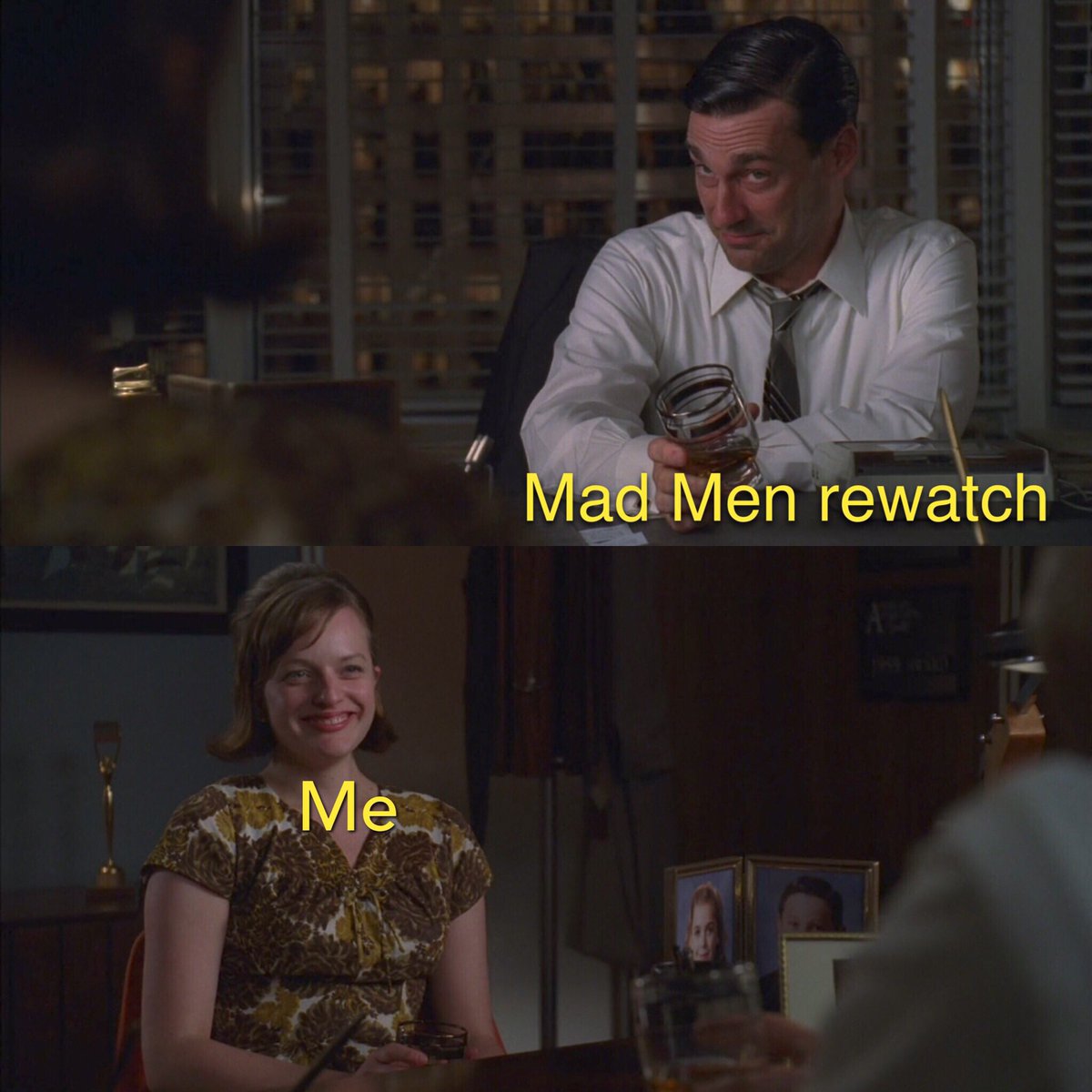
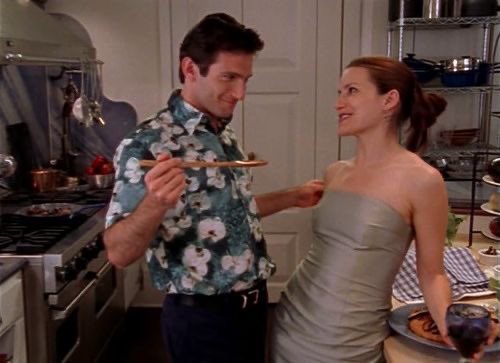
MAD MEN taking occasional 60-second diversions into straight up sitcom territory -- all while furthering the theme and narrative -- remains one of its greatest feats
sorry to break it to you but you literally have to face your fears and slaughter them. otherwise you will live a small life that you do not want. you literally have to view your biggest fears and attack them head on. you have to fall into the abyss to find your way out. the easy path does not exist. there is no get out of jail free card. you have to allow yourself to die a spiritual death over and over again in order to reinvent yourself into the person you are actually supposed to be. and you have to be painfully honest with yourself and the people around you. it's horrible but it's truly the only way.
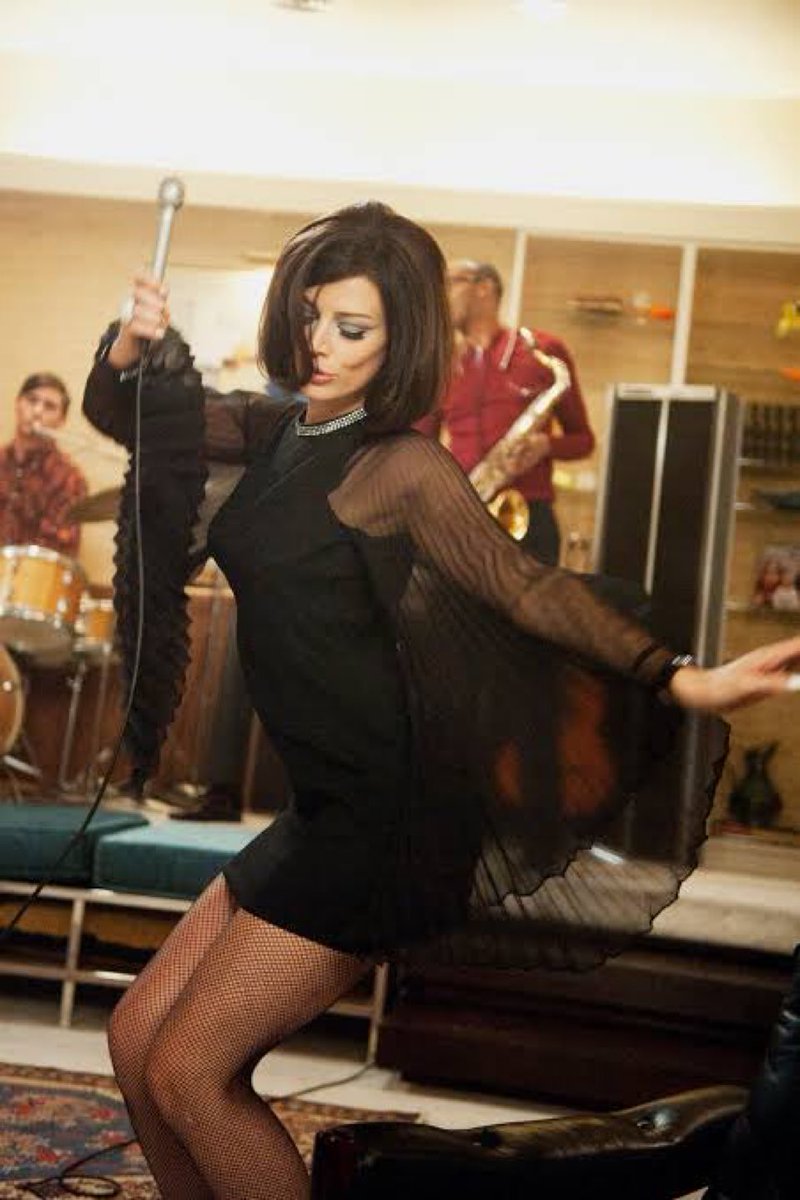
I hate to defend don Draper but this showed poor judgment and a lack of care for what he wants on his birthday, which is the main thing a persons birthday is supposed to be about
ultimately her little dance would’ve been fine if he owned it! those work buddies of his look up to Don, so he sets the social standard
but he’s uncomfortable so it makes the room uncomfortable. Megan’s fault wasn’t the dance itself but instead that she doesn’t know Don at all