Many years ago, a local VIP was admitted to the hospital I was working in. They had genuine celebrity-like status in the community.
Messages started circulating. The CEO sent a memo reminding everyone on the floor (ward) to treat this person "well." Staff were talking about it. There was a bit of a buzz in the hospital.
I'll admit it— I was a little star-struck. I was young, inexperienced, and it all felt like a big deal.
Then I mentioned the situation to my boss at the time, the head doctor. I'll never forget her response.
"That's a whole load of BS!"
She didn't hesitate: "We treat everyone the same, no matter what. No special treatment."
She wasn't being disrespectful to the patient. Quite the opposite— she was defending a principle.
She even took it back to the CEO, pushing back firmly against any suggestion that one patient should receive preferential treatment simply because of their status. Other staff members were also really surprised that she was quite vocal about this.
That moment has stayed with me for years.
It's easy to be influenced by titles, wealth, fame, influence, or power. Human nature draws us toward people we perceive as being "important."
But true professionals don't. They understand that character is revealed in how you treat the person who has no influence, no status, and nothing to offer you in return.
The wealthy landowner.
The celebrity.
The cleaner.
The receptionist.
The patient nobody recognizes.
Every one of them deserves the same respect, dignity, and standard of care.
I've reflected on that lesson countless times, both inside and outside medicine. And there are lessons for everyone, no matter what you do for work.
Whenever you're tempted to treat a "higher-status" person differently, remember this:
Be like my boss.
No ego, favoritism, no intimidation.
Just unwavering principles.
That's what real professionalism looks like.
Things I personally don't do as a doctor who treats cancer:
1. Wear sunglasses regularly: Allowing natural light into the eyes helps support my circadian rhythm. It signals cells throughout the entire body to regulate hormones, metabolism, and tissue function.
2. Keep my phone in my pocket: Cell phones emit EMFs. When exposure is chronic it can cause oxidative stress in cells and inflammation. Because of this I keep my phone away from body whenever possible.
3. Use air pods: A recent study found a link between Bluetooth headphone use and thyroid nodules, so I like wired headphones or speaker mode to reduce unnecessary exposure to EMFs and prevent cellular stress.
4. Use a microwave: Microwaves use radiation to heat food and research shows that it can degrade certain nutrients. I reheat food on the stove or in the oven and don't find microwaves necessary.
5. Take long-term medications except for natural hormones: I believe medications should have a clear benefit that outweighs their risks. When lifestyle changes or other approaches are appropriate, I prefer those first.
6. Use an estrogen patch: I prefer estrogen cream because it allows the dose to be adjusted based on symptoms rather than providing a continuous fixed dose. For me, it's more of "as needed" tool, especially because elevated estrogen is a risk factor for many cancers.
7. Cook with seed oils: Seed oils contain PUFAs which are highly prone to oxidation. When heated they generate free radicals and aldehydes that can damage cells and DNA. I prefer coconut oil, butter, or tallow.
8. Use plastic food storage containers and water bottles: Plastic contains BPA and other endocrine disrupting chemicals. I use glass or stainless steel, especially for hot food and drinks, to reduce exposure.
In my own life, I've faced many health challenges as the result of a synthetic estrogen drug, DES, my mother took when she was pregnant with me.
DES was later taken off the market because of its devastating health effects. Because of that I've always believed in controlling the things I can control. Seeing patients everyday, reading the latest research, and caring for thousands of people with cancer has shaped many of the choices I make.
We can't eliminate every toxin or exposure but I do believe in minimizing unnecessary exposures whenever possible. Small habits add up over a lifetime.
5 Simple Anti-Cancer Tools:
1. Thyroid hormones:
Thyroid hormones regulate cell growth, differentiation, and metabolism in nearly every cell in the body. Maintaining healthy thyroid function is essential for supporting these processes and preventing cancerous changes. Research has shown that activation of the thyroid hormone receptor TRB can suppress tumor growth and reduce cancer progression in several laboratory models. Monitoring and optimizing thyroid levels are an important prevention and treatment strategy. (PMID: 39226152)
2. Vitamin D3:
Vitamin D3 influences hundreds of genes throughout the body. Its active form binds to the vitamin D receptor (VDR), helping regulate cell growth, support immune surveillance, reduce inflammation, and promote normal cell differentiation. Vitamin D deficiency has consistently been linked to an increased risk of several cancers, and in my practice, one of the most common findings I see in patients with cancer is low vitamin D levels. (PMID:
37994947)
3. Progesterone:
Progesterone is one of the body's most important hormones for maintaining balance with estrogen, which can cause abnormal cell growth seen in cancer. Today we're exposed to more estrogenic compounds than ever before-from plastics, pesticides, personal care products, and other environmental chemicals known as xenoestrogens. Research has shown that progesterone is very protective and plays an important role in regulating cell growth, promoting normal cell differentiation, and has several anticancer actions.
(PMID 18086325)
4. Coffee/Caffeine:
Coffee is one of the most well-studied beverages in the world. Caffeine helps support metabolism by increasing metabolism. Coffee is also rich in polyphenols and other bioactive compounds that help reduce oxidative stress and support the body's natural detoxification systems.
Numerous large studies have consistently linked regular coffee consumption with a lower risk of cancers, including liver, colorectal, endometrial, and certain head and neck cancers. (PMID: 40595642)
5. Thiamine:
Thiamine is an essential nutrient that helps convert glucose into energy inside the mitochondria. One of the hallmarks of many cancers is altered glucose metabolism, where cancer cells rely more heavily on glycolysis than mitochondrial respiration. Research suggests that repleting thiamine (or high dose thiamine therapy) can help promote normal mitochondrial metabolism, cellular energy production, and slow tumor proliferation. (PMID 24452394)
Testosterone is made from cholesterol.
Oestrogen is made from cholesterol.
Cortisol is made from cholesterol.
Vitamin D is made from cholesterol.
The bile acids that digest your dinner are made from cholesterol.
Progesterone, which holds a pregnancy together, is made from cholesterol.
Every cell membrane in your body is built with it.
Every nerve is insulated by myelin, which is mostly it.
Every memory you form needs it to build the synapse that keeps the memory.
Your brain is sixty percent fat, most of it cholesterol.
Breast milk is loaded with it, because no infant brain grows without it.
Handed the job of designing the first food a human ever eats, nature put cholesterol at the heart of it.
Eat less, and the liver makes more.
Because the body will not run without it.
In 1977, we declared war on it.
Male testosterone has fallen ever since.
Vitamin D deficiency went from rare to routine.
One adult in three over fifty now takes a daily pill to strip out the one thing every cell above is fighting to keep.
The war is going beautifully.
11 things I do everyday to prioritize my health as a doctor who treats cancer:
1. Turn off my wifi at night.
2. Spend time in the sun.
3. Filter my water.
4. Take progesterone.
5. Align myself with meaningful work.
6. Regulate my emotions. Put space between stressor and myself.
I don't take anything personally
7. Take thyroid & pregnenolone.
8. Ground my feet in the sand.
9. Eat real food without the shortcuts. No fake protein bars for me.
10. Laugh, pray, and look forward to the exciting life we get to live.
What people think cholesterol does:
- Clogs arteries
What cholesterol actually does:
- Fills your brain (a quarter of your cholesterol sits there)
- Insulates your nerves (no cholesterol, no signal)
- Builds your sex hormones (testosterone and oestrogen, straight from it)
- Becomes vitamin D (sunlight turns it into the hormone in your skin)
- Makes the bile that digests your fat (and unlocks vitamins A, D, E, K)
- Runs your stress response (cortisol is built from it too)
- Repairs every cell you have (it stiffens the walls)
Your liver makes around 1,000mg a day on purpose, because you cannot run without it.
They named the most vital molecule you produce the villain, then sold you a pill to lower it.
You know I love a side angle. Here’s one of my latest embroidery, taking a moment to enjoy all those textured and overlapping threads. 🪡🌿🌺 i’m getting ready to start something new, don’t worry… 😉 #stitchedart#thesewingsongbird
Most people still don't truly understand the impact of thyroid dysfunction.
The thyroid gland directly communicates with the brain, the pituitary, the parathyroid, the pancreas, the liver, the adrenal glands, the intestinal system and much more.
You already know this to be true if you are suffering from any type of thyroid dysfunction but here's an example i always try to mention.
Let's suppose that you want to lose weight, well in order to put in perspective how much the thyroid gland affects our metabolism, resistance training which is promoted as one of the best tools to increase BMR, can only lead to a 10% increase (which is still great).
Now here's what's fascinating: untreated hypothyroidism can lead to a BMR that's even 40% below normal and even 50mcg of T3 per day can increase BMR by even 30% in some cases.
You can also look into for example how T3 influences the tight junctions, how it upregulates the LDL-receptor, how it helps with the release of bile or even how it facilitates the production of lactase in the intestinal tract so thyroid dysfunction could even make you react badly to dairy.
In some studies, up to 90.5% of depressed people have subnormal T3 levels.
So thyroid dysfunction could lead to things such as:
-A variety of gut issues
-Severe fatigue
-Hair thinning
-Depression
-High LDL
-Insulin resistance/metabolic dysfunctions
-Low libido
-Low testosterone
and more.
Here's how you can support its function.
Thread🧵
A friend of mine who's also a nurse changed her diet to vegan.
I asked her why.
She watched the movie The Game Changer and read a book called How Not To Die.
She said they really helped her understand that our bodies are meant to eat plants, our guts were designed for plants, and I should try it.
I told her that I have tried vegan, vegetarian, and even whole-foods plant-based.
She said that her muscles were loving the fiber she's been given them.
Since she's a nurse, I know she took human anatomy & physiology in college, so I asked her how are her muscles loving the fiber since our gut doesn't absorb fiber.
She had no comment.
I asked if she knows the difference in nutrient bioavailability in plant-based foods versus animal-based foods, and that our guts are designed to easily digest animal-based foods.
She said she just can't eat animals anymore, and that corporate animal farming is bad for the environment.
I asked her if she had ever thought about where her food comes from.
The mass corporate farms her fresh produce comes from, the factories her boxed and bagged goods come from, the areas all over the world that her food is flown in from, and if she still believes eating that way is "good for the environment."
Then she said she doesn't like animal cruelty.
I asked if she's ever tried to find a local or rural small family-owned farm or ranch to buy from, talked with a local farmer, or tried growing her own fruits & veggies.
She said no.
I stopped asking questions and sat back and watched her results.
1 month in: "I feel great! I have a lot of energy. I'm lifting weights now."
Common for someone who cut out processed foods.
2 months in: "My gut is finally starting to adapt to this way of eating. My cholesterol is dropping. Yay!"
The gut has to get "used to" a diet that's full of fiber.
3 months in: "I'm gaining weight and looking fluffy but I think it's muscle mass."
Carbs become the energy source. They can cause blood sugar spikes and more insulin production which turns into water retention and fat storage.
4 months in: "I changed my exercise routine to be lower impact, less lifting. I don't feel like I have the energy to lift. Must be because of work."
She has always worked. The lack of energy wasn't due to work.
5 months in: " I make so much food every day that I'm always running to the grocery store. I have to run the dishwasher 3 times a day. But, totally worth it! I'm helping the planet and saving animals from cruelty."
Gas, electricity, hot water, plus all the food that's been mass produced and shipped in from all over the world isn't "helping the planet."
6 months in: "I've been so sick lately. My asthma is really acting up. I've had severe attacks. Haven't had these kinds of attacks in over 10 years!"
I asked her if it could be her diet.
No comment.
I never heard from her again, and I don't even know if she stuck with it.
This is something every mother should know—the medical system will try to profit from anything, including you and your child's birth tissue.
Hospitals claim to discard your placenta, but quickly turn around and sell them to biotech companies for tens of thousands of dollars. The same is done with excess tissue from c-sections.
It doesn’t stop there. Baby foreskin from circumcisions are highly valuable for these companies as well. Only days after you bring your baby into this world, the medical system begins to profit from them.
Hospitals can profit thousands of dollars from you and your baby’s tissue after birth, while you’re left to pay the entire bill.
If you want to separate yourself from this corrupt system, here is the best place to start: https://t.co/JwTQvc8NL5
I ask every new patient the same question:
“What’s the biggest thing holding you back?”
The two most common answers aren’t “lack of information” or “discipline.”
They’re:
• “I don’t have the right guidance.”
• “My doctor isn’t supportive of getting me off medications.”
We spend billions on healthcare, yet many people still don’t have the support they need to get healthy.
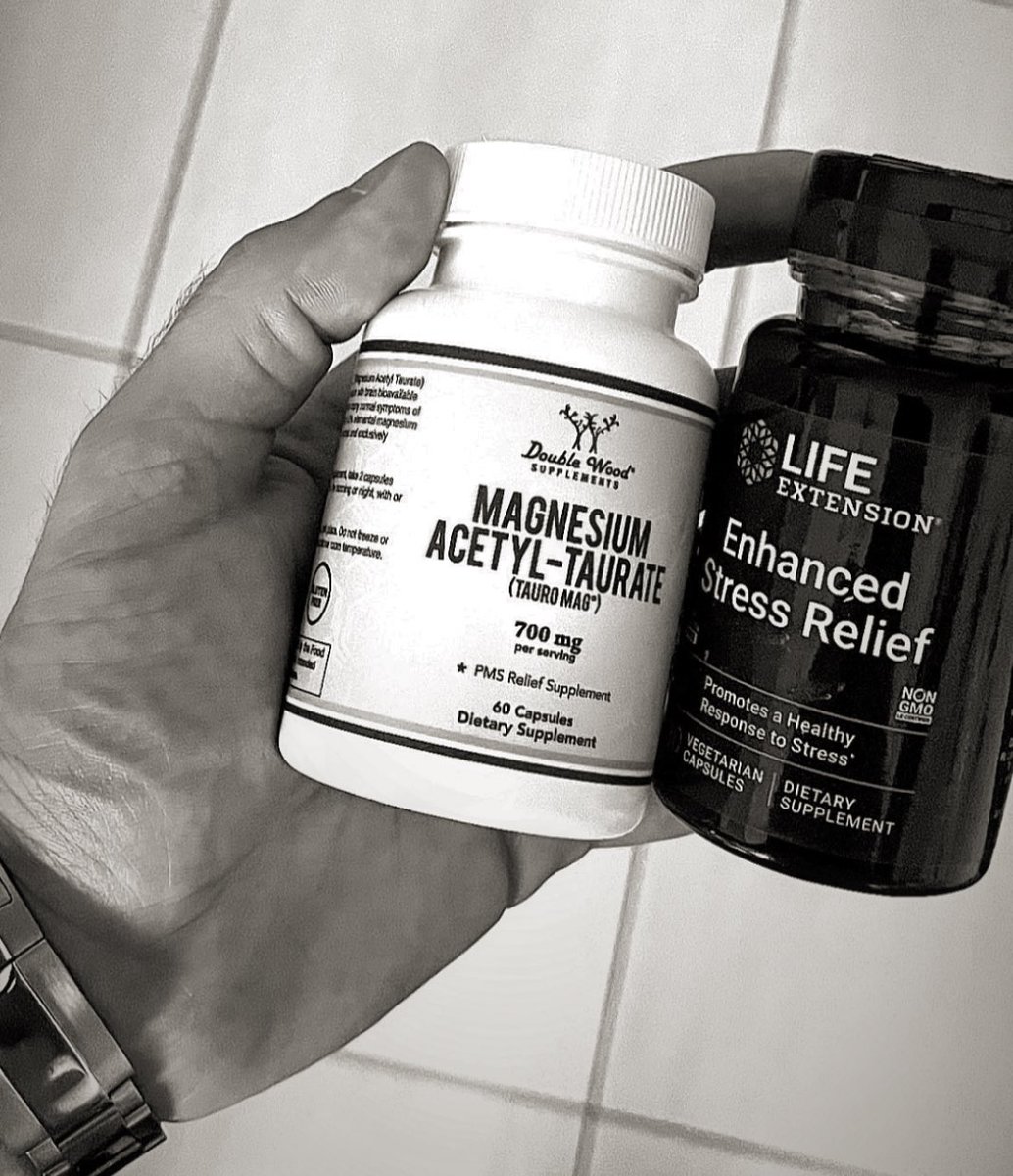
⚠️ Magnesium is one of the minerals modern humans are quietly starving for...
So naturally, the wellness industry turned it into a chemistry maze.
That is what the machine does. It finds a real biological need, cuts it into fragments, dresses each fragment in mechanism language, then sells the confusion back to people as sophistication.
Magnesium matters. Deeply. It is involved in energy production, muscle contraction, nervous system regulation, glucose handling, blood pressure, electrolyte balance, stress resilience, sleep, and hundreds of enzymatic reactions. The boring foundational stuff the body quietly depends on until deficiency makes the whole system louder.
But instead of asking why modern humans are so mineral depleted in the first place, the conversation usually gets dragged into the supplement aisle.
Glycinate becomes the sleep one. Threonate becomes the brain one. Malate becomes the energy one. Taurate becomes the heart one. Citrate becomes the digestion one. Bisglycinate sounds cleaner. Chelated sounds more advanced. Liposomal sounds like the mineral arrived in business class.
Some of this has merit. Different forms can absorb differently. Some are better tolerated. Some may have different effects depending on the person, their gut, their dose, their stress load, and the terrain they are living inside.
sure...
But watch what happened.
An elemental depletion problem became a branded chemistry identity crisis.
The question stopped being, “why is the human so under-mineralized?”
It became, “which premium version of the missing thing should I buy?”
The market always seems to arrive right where the terrain disappeared.
Soil depletion gets ignored. Processed food gets ignored. Chronic stress gets ignored. Sweating without remineralizing gets ignored. Dead filtered water gets ignored. Low-salt fear gets ignored. Gut damage gets ignored. The modern indoor, over-caffeinated, under-sunned, under-mineralized human gets ignored.
All that remains is a consumer comparing labels, trying to choose between twelve versions of the same mineral while the conditions that created the depletion keep running in the background.
That's the machine as usual...
Take something ancient and elemental.
Complicate it.
Fragment it.
Brand it.
Then sell people relief from the confusion.
Personally, I care less about chasing the fanciest lab-altered magnesium and more about forms that still feel connected to the earth and water they came from. Evaporated sea waters. Ancient seabeds. River and ocean mineral deposits. Zechstein-type sources. Minerals that belong to a broader matrix, not isolated designer compounds pretending they discovered nature.
That does not mean every chelated form is garbage.
It means I am suspicious of a culture that cannot even replenish minerals without turning it into a chemistry flex.
The body did not evolve asking for supplement aisle sophistication. It evolved negotiating with mineral-rich water, soil, salt, plants, animals, sunlight, sweat, and rhythm.
Magnesium matters because minerals are not accessories.
They are electrical language.
They help the organism conduct, relax, contract, repair, signal, and adapt. Remove minerals from the terrain and the system gets louder: more tension, more cramps, more poor sleep, more stress reactivity, more unstable energy, more “mystery symptoms” that get chased with everything except the foundation.
So yes, magnesium matters.
But the deeper issue is not whether your bottle sounds advanced enough.
The deeper issue is why the modern human needs a bottle to remember what water and soil used to provide.
That is the part nobody wants to sell directly.
Because once you start asking that question, you are not shopping for magnesium anymore.
You are looking at the terrain...
One of my favorite things to do as a physician is deprescribe medication.
I didn’t always feel that way.
Early in my career, I thought good medicine meant getting diseases under control with prescriptions.
Then my own body rebelled.
The weight kept creeping up. I became prediabetic. My blood pressure was rising. My back hurt every day.
I changed the way I ate.
35 pounds disappeared.
My prediabetes reversed.
My blood pressure normalized.
My back pain was gone.
That hit me like a truck.
Now the question I ask first isn’t, “What medication does this patient need?”
It’s, “Why did they need it in the first place?”
The best part of my week is telling a patient who changed their lifestyle that they no longer need a medication because their health has improved enough to safely stop it.
1898: Bayer trademarks a new cough medicine for children. They call it Heroin.
1899: they also trademark aspirin. Enjoy that one. It is the last unambiguously good thing on this list.
1900: Heroin is Bayer's best-selling product, marketed to mothers as non-addictive.
1915: they supply the German army over 170 tons of chlorine gas for the trenches.
1925: Bayer folds into a chemical giant called IG Farben.
1940s: IG Farben runs a slave-labour plant at Auschwitz and part-owns the maker of the Zyklon B.
1956: a director convicted of war crimes at Nuremberg is quietly made chairman of Bayer's board.
1980s: Bayer discovers its haemophilia blood product is riddled with HIV.
Rather than destroy the stock, it keeps selling the untreated batches to Asia and Latin America to recoup the money.
Thousands of haemophiliacs are infected. Many die.
2003: the New York Times exposes it. Bayer helps settle for around 600 million dollars.
2018: Bayer buys Monsanto, inheriting Roundup, Agent Orange and PCBs in a single afternoon.
2026: the US Supreme Court throws out the Roundup cancer lawsuits. Bayer wins.
Heroin, chlorine gas, Auschwitz, tainted blood, and a weedkiller in the dock, all from one firm.
Every one of them was legal, marketed with total confidence, and blessed by the experts of its day, and the company behind them is bigger now than it has ever been.
The heroin got recalled. The company never did.
I’ve studied every supplement you can think of and tested quite a few.
So here’s the best thread on supplements on this platform right now.
We’ll discuss:
-Approaching supplements with the right mindset in order to not get scammed or create new health issues.
-Supplements that are a good idea to avoid for the most part.
-Something everyone neglects but it can be more effective than a lot of supplements.
-A breakdown of the most common supplements discussed
-Choosing a supplement based on certain genetic factors (slow/fast COMT, MTHFR, MAO-A/B, Lp(a) etc)
and more.
Thread 🧵
Patient: "What are the side effects of the statin?"
Doctor: "Some people get muscle aches. Usually mild."
Patient: "And if I get them?"
Doctor: "We'd add naproxen for the pain."
Patient: "Does naproxen have side effects?"
Doctor: "It can irritate the stomach. Reflux, sometimes an ulcer. So we'd add omeprazole to protect it."
Patient: "And omeprazole?"
Doctor: "Long term it lowers your magnesium. Your B12 as well. We'd top those up."
Patient: "With more tablets."
Doctor: "Magnesium, and B12 if the bloods come back low."
Patient: "And the magnesium does what?"
Doctor: "Loosens the bowels. Loperamide settles that."
Patient: "That's six tablets. I walked in with no symptoms."
Doctor: "Could be seven. The statin can raise your blood sugar. We'd watch it, maybe start metformin."
Patient: "And metformin?"
Doctor: "Upsets the stomach. Lowers your B12."
Patient: "We already did B12."
Doctor: "Round we go."
Patient: "Is a single one of these treating something I actually feel?"
Doctor: "No. But your numbers will look excellent."