If you want to explore the hidden gems of Key West, Florida, check out the new videos on my Youtube channel, Shining Times, link in bio! #keywest#florida#travel
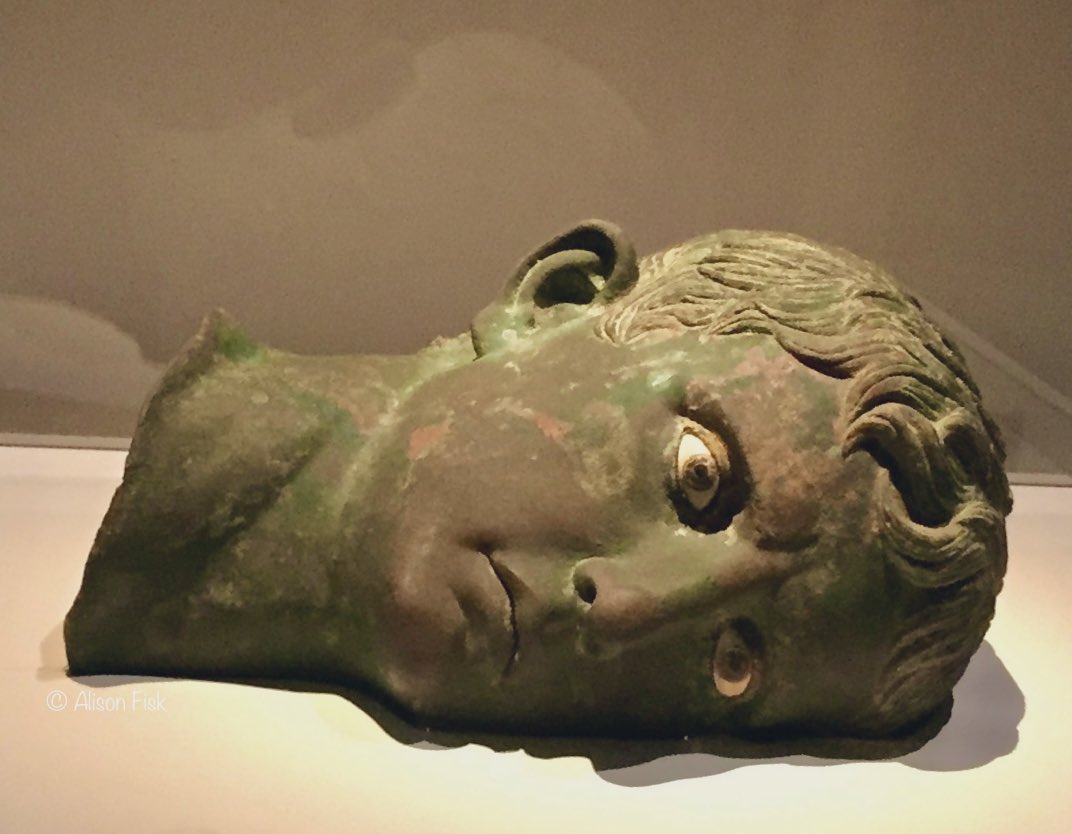
Bronze head of the Roman emperor Augustus. Known as the Meroë Head. Eyes inlaid with glass and stone, 27-25 BC.
Penny for your thoughts Augustus?
This head once belonged to an over-life-sized statue of Augustus set up in Egypt. It was removed by Kushite soldiers who took it as a trophy and buried it under the front steps of their temple at Meroë (Sudan) where it was trodden on daily by temple visitors in a sign of disrespect to Rome. An ironic twist of fate which preserved it.
The Meroë Head is usually displayed in an upright position. It is displayed here as if buried, a symbol of resistance to Rome, at the British Museum’s 2018 temporary exhibition called ‘I object’. Photo my own.
Read more: https://t.co/hXGc7PckuF
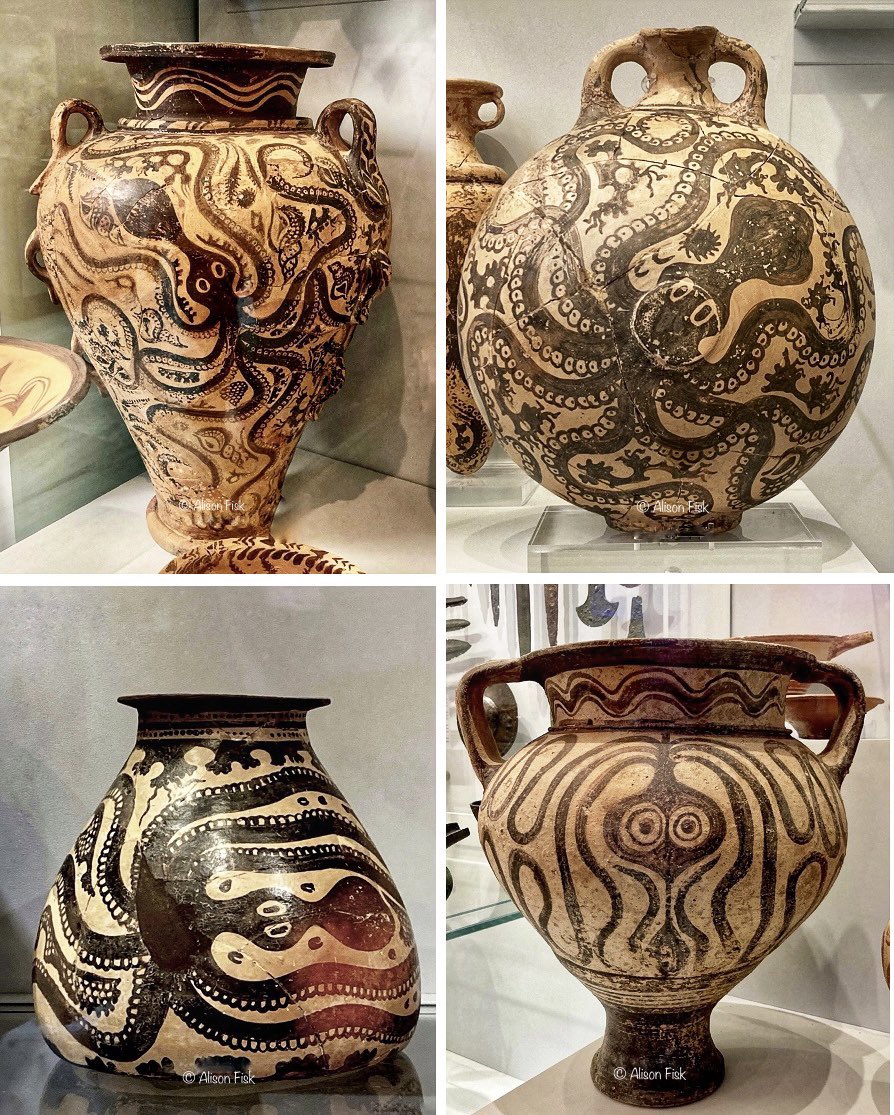
Marvellous Minoan pots with octopus decoration from Bronze Age Crete 🐙❤️
Ancient artists inspired by the marine world of the Mediterranean Sea some 3,500 years ago.
Heraklion Archaeological Museum, Crete. 📷 2022
#Archaeology
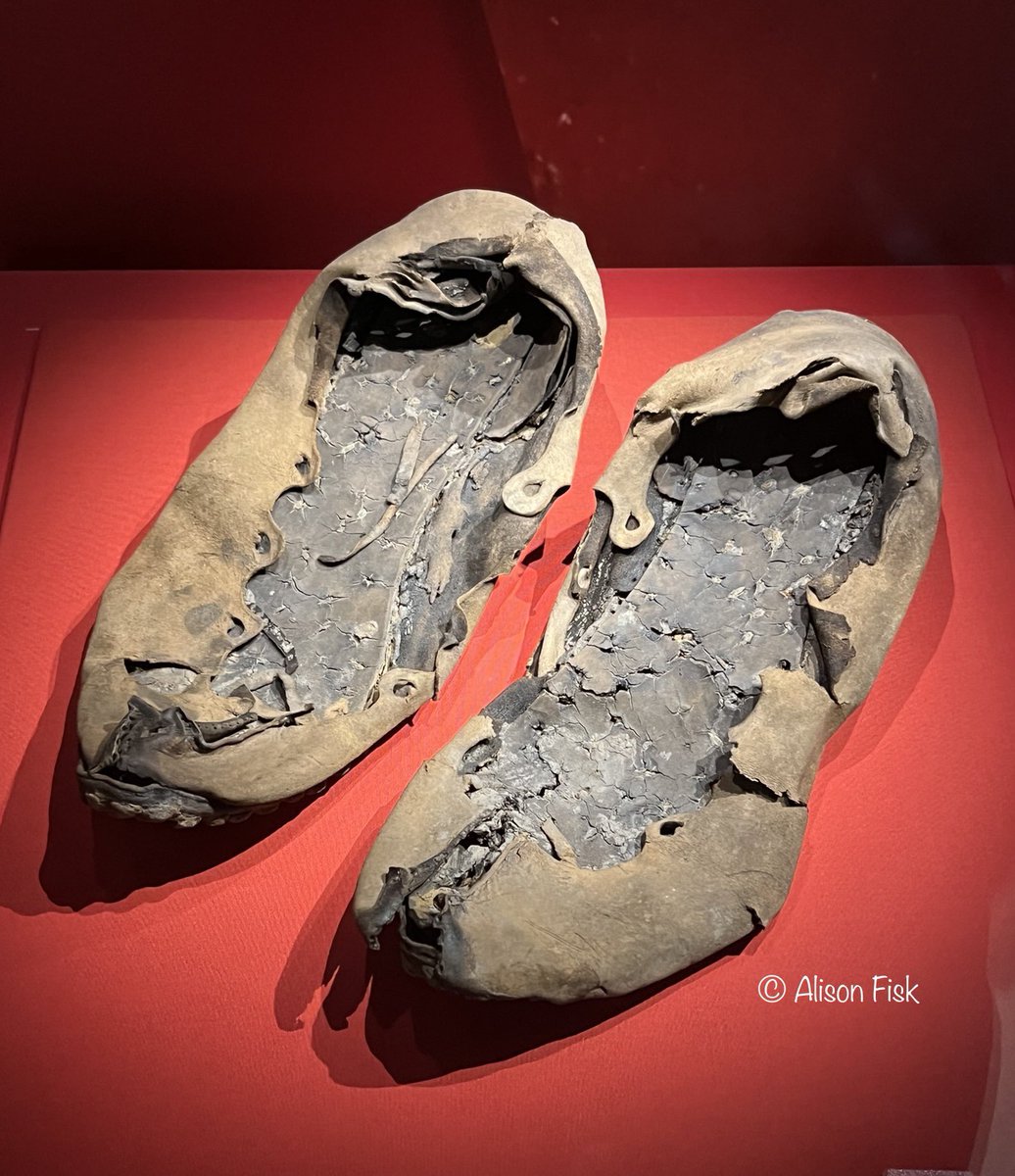
#FindsFriday A pair of leather shoes from Vindolanda Roman fort.
Worn by a man living at the fort about 1,900 years ago!
Excavations at Vindolanda have recovered thousands of individual shoes but very few pairs, making this a rare find.
Chesterholm Museum 📷 2023
#Archaeology
#FindsFriday
WOW, c. 9,500 year-old woven baskets from a Spanish bat cave! 🤯
Look like they were made yesterday rather than by hunter-gatherers during the Mesolithic period!
Recent analysis of the esparto grass used to make the baskets shows they’re about 2,000 years older than previously thought.
Discovered in the 19th-century at a burial site inside the Cueva de Los Murciélagos (Cave of Bats), southern Spain. Museo Arqueológico Nacional, Madrid. 📷 2021
Read more: https://t.co/uIlTe4IF3N
#Archaeology
Here's a big sale on all my handmade (and digital) #artwork! https://t.co/SuaRMCLqV3 via @Etsy. It'll only last until the last day of October, so don't miss out! 🍁🍂🍃🎃
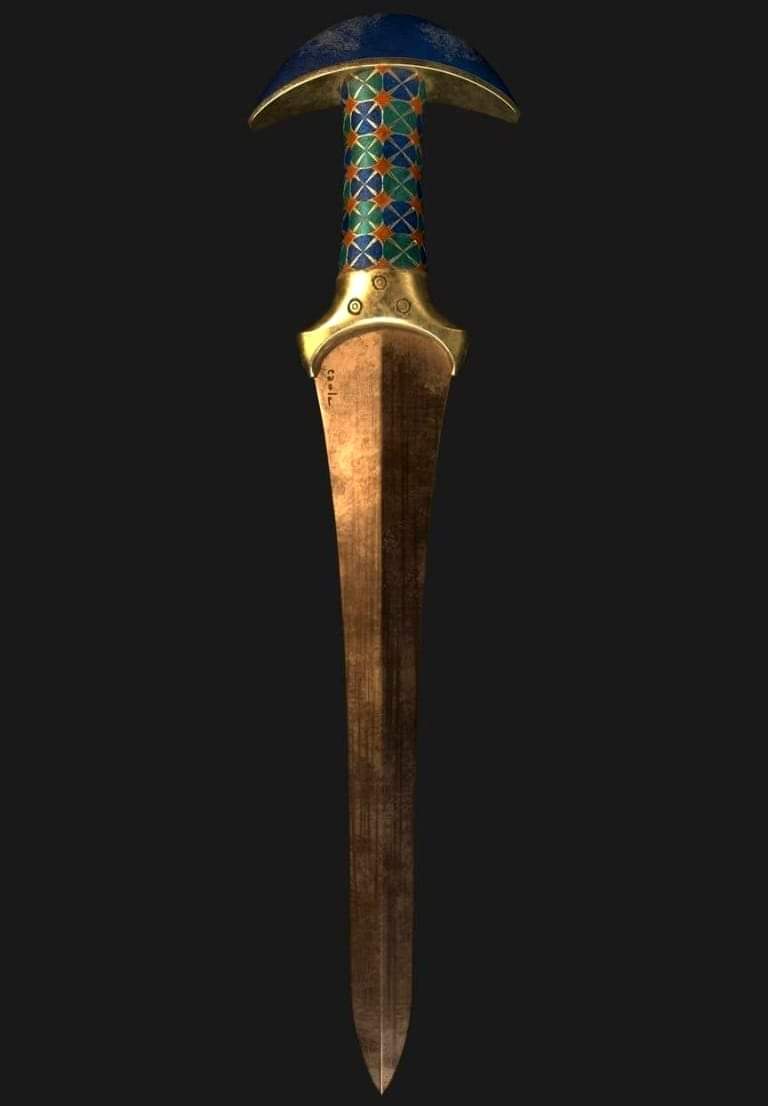
Ceremonial Dagger of Princess Ita. Princess Ita was an ancient Egyptian Pharaoh's daughter who lived in 12th Dynasty (1914-1879 BC).
Pommel is in shape of a light crescent of lapis lazuli. Hilt is beaten gold and is inlaid with disks of lapis lazuli and green feldspar. Disks are inlaid with diagonal crosses of thin gold and between disks are curvilinear squares inlaid with light brown carnelian. Elegant bronze blade is mounted in solid gold shoulder and attached by three gold rivets. Tongue of bronze blade and shoulder strap fit exactly into the hilt. Lapis lazuli pommel is shaped like a crescent moon while the grip is formed by a gold tube decorated with inlays of carnelian, lapis lazuli, and amazonite and is fixed to bronze blade by three small gold nails.
Form of blade is Phoenician in origin, and patterns on handle were common in Crete. It has been suggested that dagger was imported from Byblos in Phoenicia or from Crete, or was manufactured in Egypt by a foreign craftsman at royal court.
Egyptian Museum, Cairo
#archaeohistories
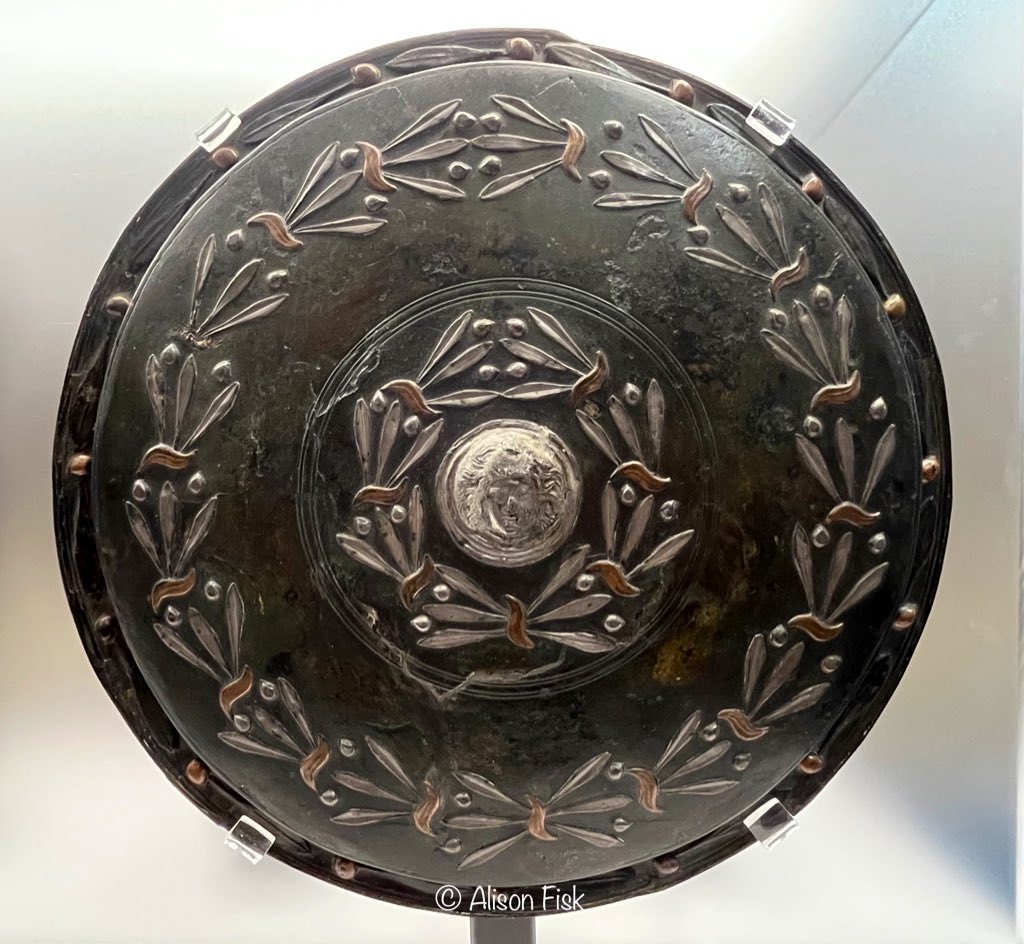
Roman gladiator’s shield. From the gladiatorial barracks at Pompeii. Laurel wreaths encircle the head of Medusa. Bronze, copper and silver, 1st century AD.
A beautiful object from an ugly sport.
Museo archeologico nazionale di Napoli. 📷 my own
#Archaeology
Never thought I'd be doing this, but I've made a #TikTok account! As per usual, it'll be focusing mainly on #fragrances, but maybe I'll throw in some other topics! https://t.co/9uhqPeFmwG
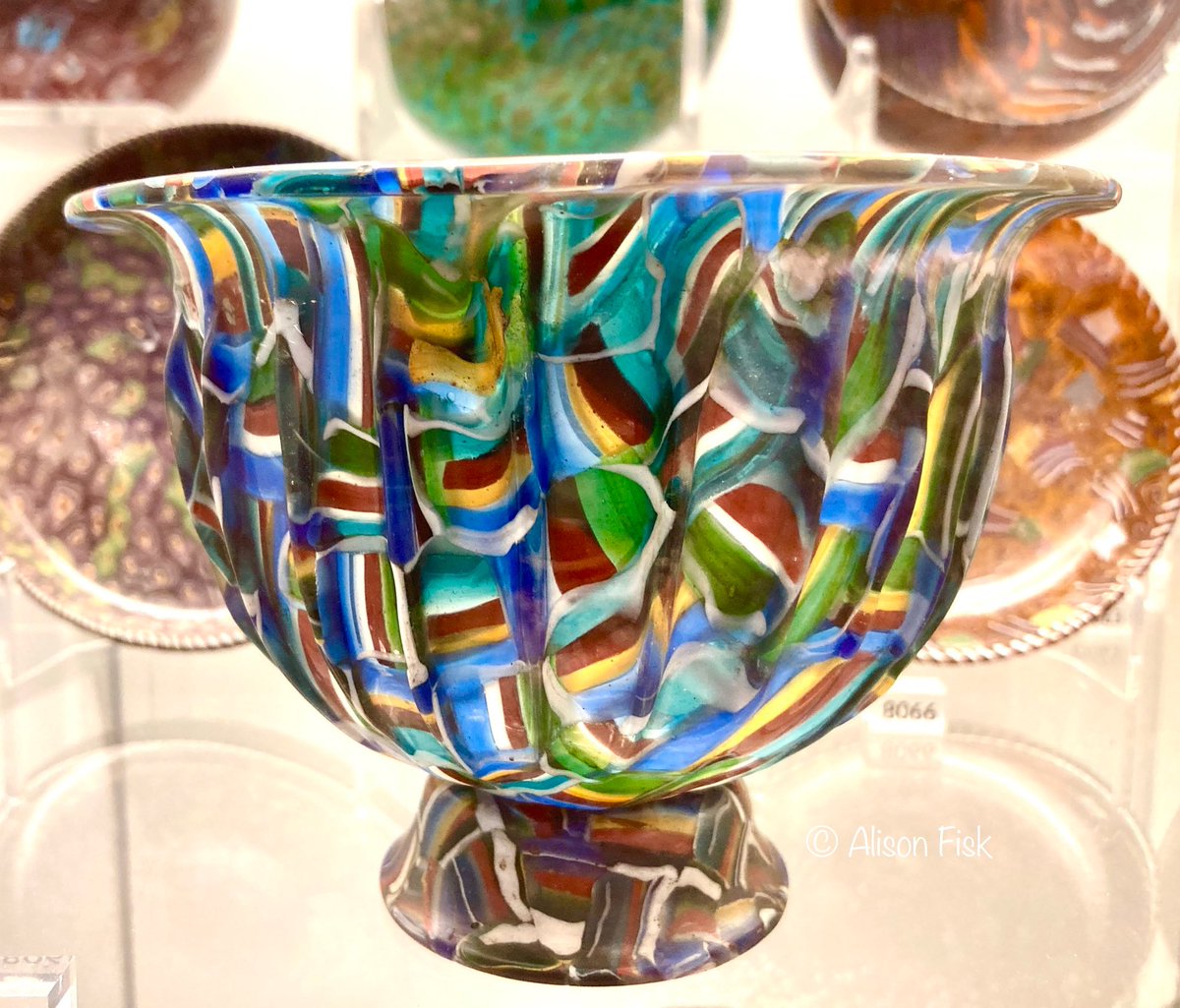
Beautiful ancient glass. A 2000 year-old Roman mosaic glass bowl, something lovely to start the week.
On display V&A Museum. 📷 January 2022
#Archaeology