The ugly truth about France and some of the other European countries currently in turmoil - and which none of the politicians want to admit because it'd be political suicide - is that you can't solve the problem by going after immigrants (as the right asserts) or the rich (as the left asserts), but you could solve it by going after the old.
One extraordinary statistic for you: people over 60 in France, a quarter of the population, own 60% of France's wealth, non-financial and financial (https://t.co/IdJ5X7OO12).
And here is another crazy statistic:
that same quarter of the population, those above 60, receive nearly two-thirds of all social spending by the French government (https://t.co/deNRNevIwq) - which is famously among the highest in the world (France's government spending is an insane 57.3% of GDP).
Last statistic: they make up about 40% of voters because they're a third of registered voters (https://t.co/zTa4RnVOmT), and they turn out far more than anyone else (https://t.co/34V2xzs9jH).
Put our 3 statistics together and there's almost a bit of an apartheid situation here: the old own most of the country's wealth, collect most of the social spending and have the political power to keep it that way.
Which makes them a de-facto rentier class, living off assets and transfers paid for by younger generations.
And, of course, at the risk of stating a truism, the future is built by the young. Yet France keeps effectively taking money away from them to give it to those whose working lives are already behind them - and need the money far less since they already own the country's wealth.
What about inheritance, I hear you ask? That's the funniest/saddest aspect: given that life expectancy has kept rising, the French now inherit a home at 54 on average. The most common case is someone in their 80s leaving it to heirs in their 50s, in effect the very old transferring wealth to the about-to-be old (https://t.co/d2RPAqLJGR).
You can add this to our earlier apartheid statement: on top of all the rest, even when the old finally let go of their wealth, it stays within their own "camp".
That's my personal situation, incidentally: I'm 42, my father is 71 and he is starting to look at ways to pass things on to me and my siblings, when our professional lives are already well settled, so it'll arrive when it changes things the least, which is pretty much the French system in a nutshell.
Now, I get that there'd be some unfairness in going after them: they paid into the system their entire working lives, playing by the rules of a social contract that told them if they paid up they'd collect at the end. Changing the rules now means breaking that promise, which is admittedly unfair.
But there's no magic wealth tree in any society: you can only take it where it is. That's the way most major societal transformations end up happening. They're often triggered by a catastrophic event (the so-called "four horsemen": mass-mobilisation war, revolution, state collapse, plague) BUT what really drives change is a transfer: wealth gets pried from the privileged class who've been sitting on it and handed to those who'll build what comes next.
So, in theory and in an ideal world, you can do without the catastrophic event and directly proceed with the transfer...
The fact that in France, and elsewhere in Europe, it's the youth protesting is probably no coincidence - even though they don't frame it as a generational fight. And even though, cruel irony, the left politicians many of them march behind promise to bring the retirement age back to 60 (https://t.co/WrJOhpWqYR), which would make the situation even worse.
Let's say they understand intuitively that the system is stacked against them, even if they haven't yet figured out how. And politicians are obviously doing what politicians do, meaning pandering to the people who actually vote, while pointing the young towards easier - and politically convenient - scapegoats.
To be clear I'm not saying it's the only problem in France, VERY far from it. I'm also not saying that all old people in France live a lavish lifestyle at the expense of younger generations: there are also plenty of very poor retirees who, if anything, would deserve more.
What I am saying is that it's probably the biggest elephant in the room: everyone can see it, nobody dares mention it - no politician, from any side, wants to run on cutting grandma's pension - and it makes every other problem harder to fix.
@mauricejblack There are more numerous and inaccurate claims here than I’ve ever seen - interesting connecting of the dots but your evidence base is shaky…..
After September 11, more than a million tons of the World Trade Center was loaded onto barges and shipped to a garbage dump on Staten Island.
Then hundreds of men and women stood at conveyor belts for ten months and picked through every ounce of it by hand.
They were looking for people.
The place is called Fresh Kills. For fifty years it was the largest landfill in the world. It took its last barge of household trash on March 22, 2001, and shut down for good. New York was finally done with it.
Five and a half months later, at two o'clock in the morning on September 12, the landfill's director got a phone call at home. He had just walked in the door.
Two trucks were at the gate. They were carrying pieces of the World Trade Center.
He drove back.
The man who ran the dump would later say, without any drama, that if Fresh Kills had not been closed, this could never have happened. There would have been no room. The garbage would have been in the way.
The site was empty. So that is where the towers went.
Here is how it worked.
At Ground Zero, cranes and grapplers lifted the debris into dump trucks. The trucks drove to a pier on the Hudson. There, the load went onto barges, six hundred tons at a time. The barges were towed down the harbor, past the Statue of Liberty, to Staten Island. More than fifteen hundred barges made the trip.
At Fresh Kills, sanitation workers unloaded them onto a hill.
And then the sorting began.
The debris was mechanically screened into three sizes. Chunks bigger than eight inches. Two to eight inches. A quarter inch to two inches. Anything smaller than a quarter of an inch, the size of a fingernail, fell through the last sieve.
Everything above that size went onto a conveyor belt.
And along the belts stood the detectives.
NYPD. FBI. Port Authority police. Medical examiners. Dressed head to toe in white Tyvek suits, in masks, in gloves, on a hill that stank of jet fuel and pulverized concrete and things nobody wanted to name. Looking down at the belt, hour after hour, as the towers rolled past them a fist-sized chunk at a time.
When they saw something, they reached in and took it, and placed it in a white bucket at their feet.
A wedding ring. A photo ID. A set of keys. A shoe.
A piece of a person.
The white buckets went to a tent that served as a morgue.
The volume was beyond comprehension. In mid-September the operation was processing 1,750 tons of debris a day. By mid-October, 17,500 tons a day. Ten times more. Round the clock. The 200-acre hill was declared a federal crime scene and stayed one for ten months.
A retired NYPD detective later wrote down what a shift looked like, because almost nobody outside knew it existed.
You wake at 3 a.m. You get a giant coffee. You drive two hours in the dark from Orange County, through New Jersey, to Staten Island. You park at the bottom of a hill that looks like the end of the world. You put on the white suit. You go to your belt. You stand there. You look.
Then you drive two hours home and do it again tomorrow.
Sanitation workers pulled sixteen-hour shifts, seven days a week. One of them, a supervisor named Barry Asnes, said afterward what kept him there. We were attacked on our own soil, in the city where I was born. This was personal.
The operation did not stop for weather. It did not stop for Christmas. It ran until July 2002. Ten months.
By the end, the men and women on that hill had recovered thousands of human remains. Tens of thousands of personal effects. Wallets, badges, wedding bands, photographs, all cleaned and catalogued and returned to families who had nothing else to bury.
When they were finished, the remaining material was placed in a 48-acre section of the landfill, a mound two hundred and twenty-five feet high, and covered.
It is a park now.
Many of the men and women who stood on that hill have lung disease. Asthma. Cancer. PTSD. The air they were breathing, eight and ten and sixteen hours a day, was full of the towers. Some of them have died of it.
Almost nobody knows their names. Almost nobody knows the place.
Mention Fresh Kills and 9/11 in the same sentence, the retired detective wrote, and most people will have no idea what you are talking about.
Here is what you should know.
Two thousand seven hundred and fifty-three people were murdered in those towers. Only about six in ten have ever been identified.
Every one of those identifications came out of a white bucket.
Every wedding ring returned to a widow. Every badge returned to a firehouse. Every fragment of bone matched to a name and buried with a headstone instead of a question mark.
Somebody in a white suit, standing at a belt on a garbage dump at four in the morning, reached into the World Trade Center as it rolled past, and picked that person up, and put them in a bucket, and sent them home.
They did that for ten months.
Nobody applauded on the hill. There was nobody to watch.
They did it anyway. 🇺🇸
@eddiegibbs@1Saloni Your analysis in regards to midfield is spot on, even Klopp didn’t solve that one. I think Iraola is testing the waters a wee bit, seeing what the midfield players are capable of and what configuration works. He gave Tsmikas a chance to show what he has-the answer is very little!
Inside story of why LFC sacked Arne Slot and why they want Andoni Iraola to take over.
🛑 Slot’s shock at decision
🛑 Hulshoff, Van Bronckhorst & Peeters also leaving
🛑 How Edwards/Hughes’ backing for Slot shifted
🛑 Players’ reaction
🛑 Iraola plan
https://t.co/sRIf2cnB58
@SamMcGuire90@GagsTandon Interesting that it was Feb 2025 - I’ve always thought that the rot set in during the Carabeo Cup final in 2025 when Newcastle totally bossed us, both physically and tactically
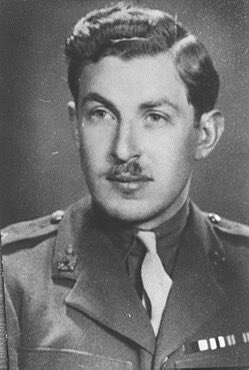
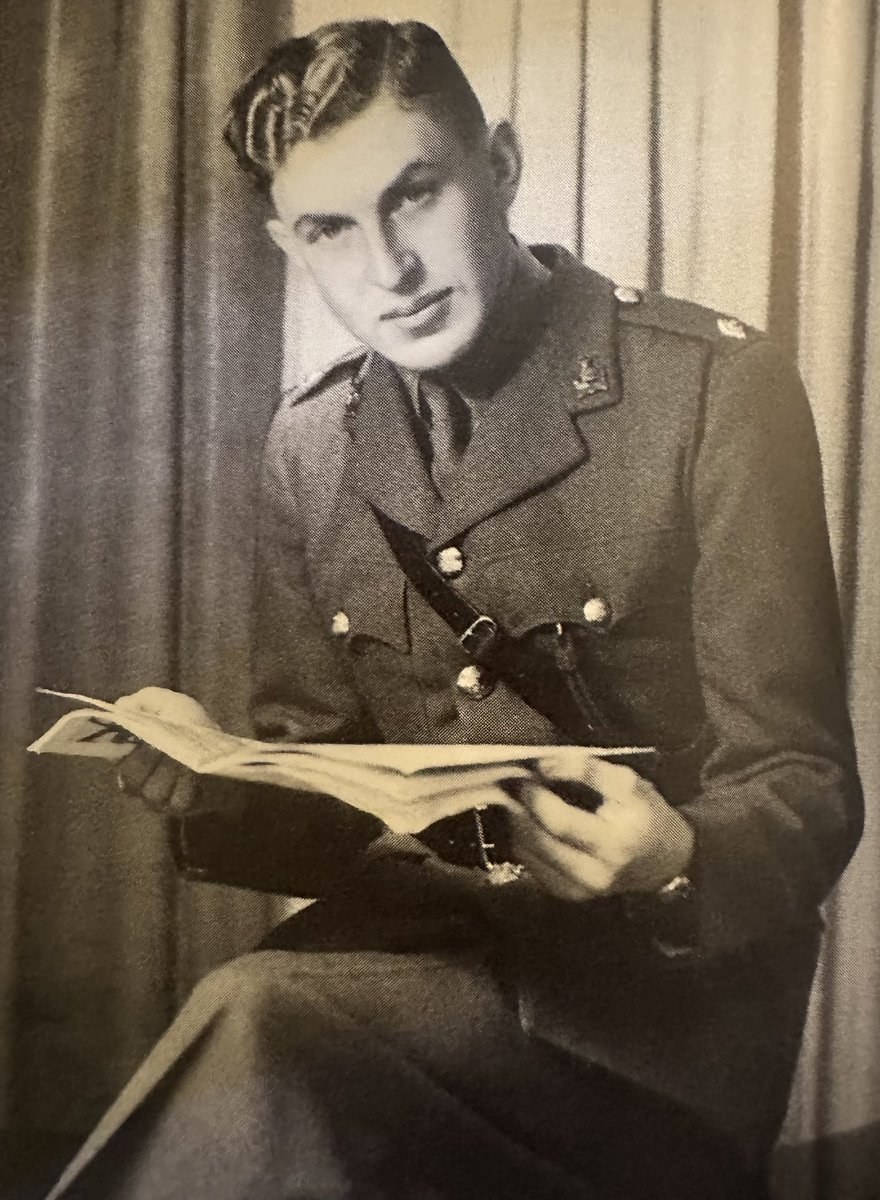
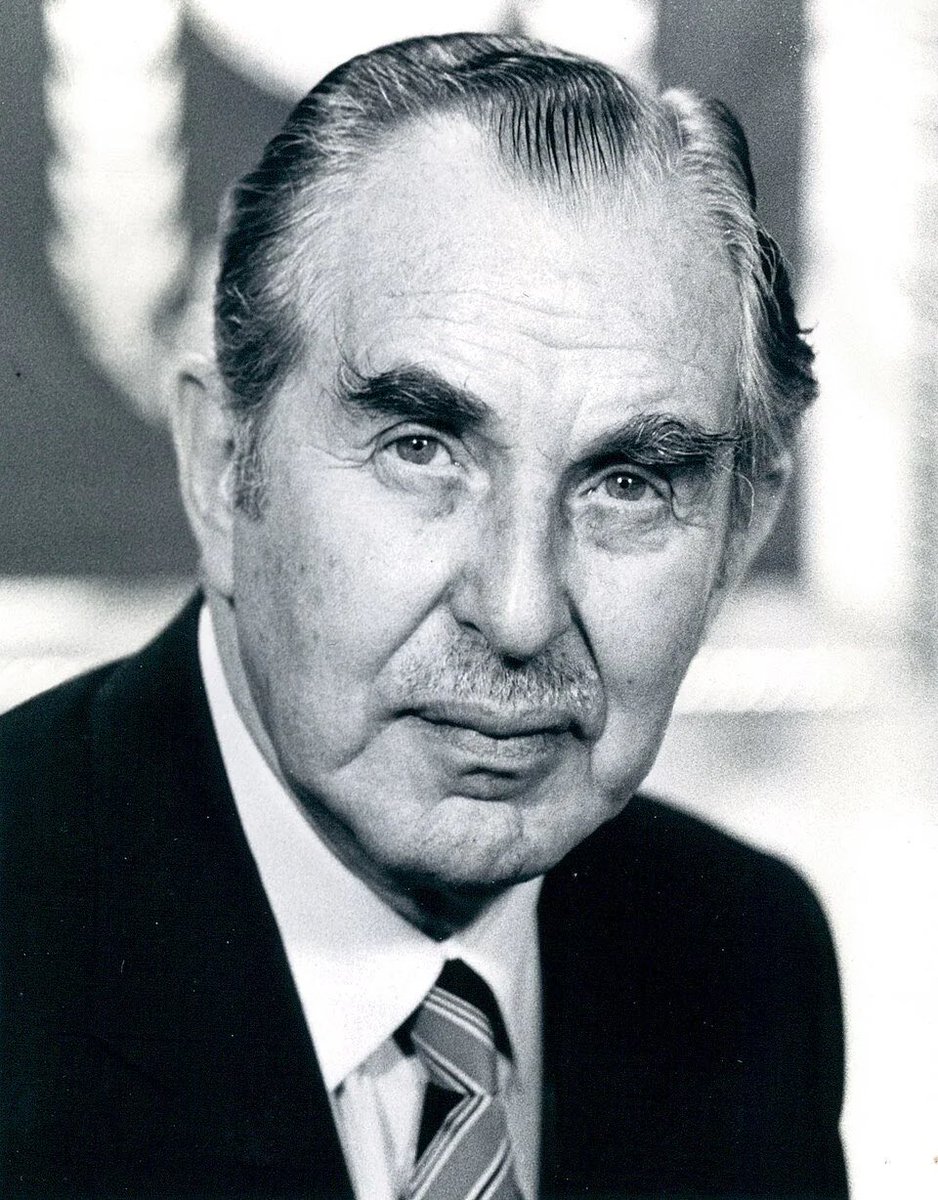
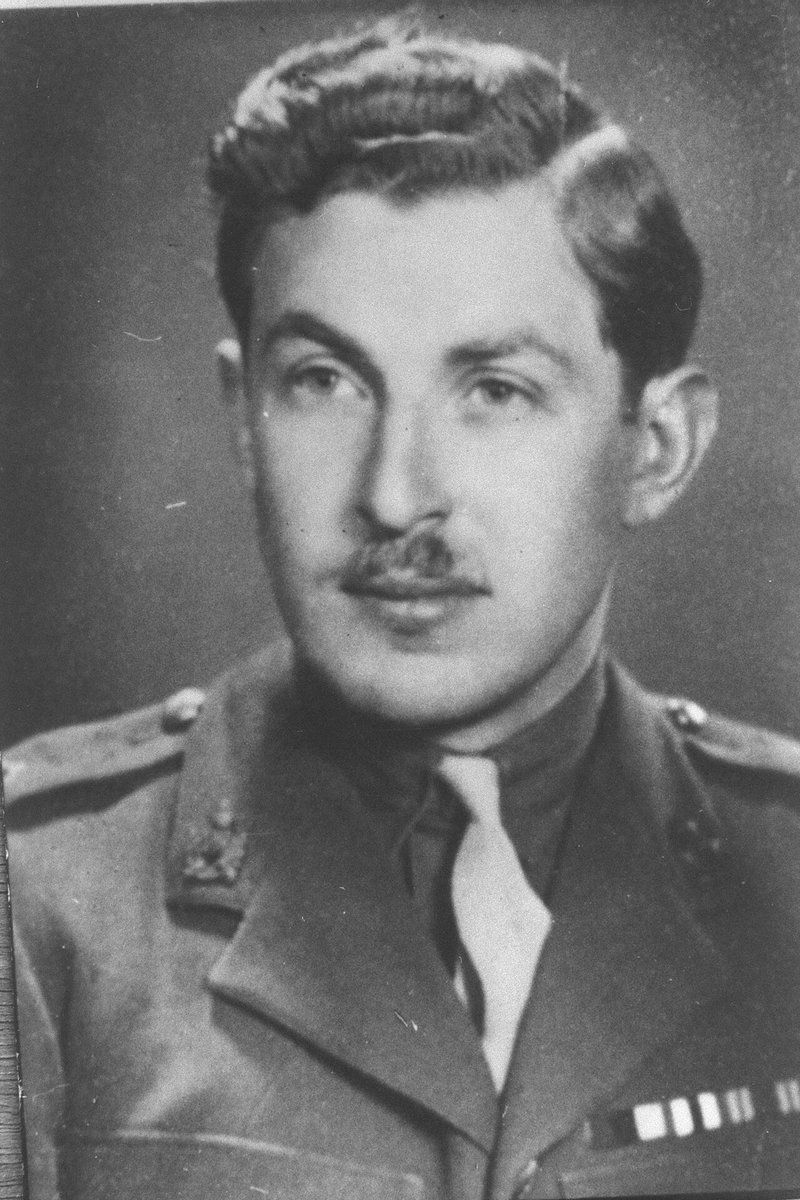
Dublin City Council’s move to strip my grandfather’s name from Herzog Park is deeply troubling.
Chaim Herzog was born in Belfast, attended school in Dublin & fought the Nazis as an Irishman.
Irish Jewish history is part of Ireland’s history. Protect it.
#HandsOffHerzogPark
Agreed. 👇The Herzogs - Isaac & Chaim - were a distinguished Irish family. Removing their name from this Dublin park would be a bad move which will leave Ireland open to accusations of anti-semitism.
Born in Belfast and raised in Dublin, Chaim Herzog fought against the Nazis in WWII and helped liberate several concentration camps, saving 1000s of lives.
One of the truly great people to come from this island.