Read this piece by María Rodríguez Martínez on why fundamental science underpins every major breakthrough—and why chasing short-term wins risks starving the research that makes innovation possible.
Read this piece by Bulelani Jili on why digital sovereignty in Africa depends less on data centers and more on people. Jili argues that without sustained investment in local tech talent, digital infrastructure risks reproducing dependence rather than autonomy.
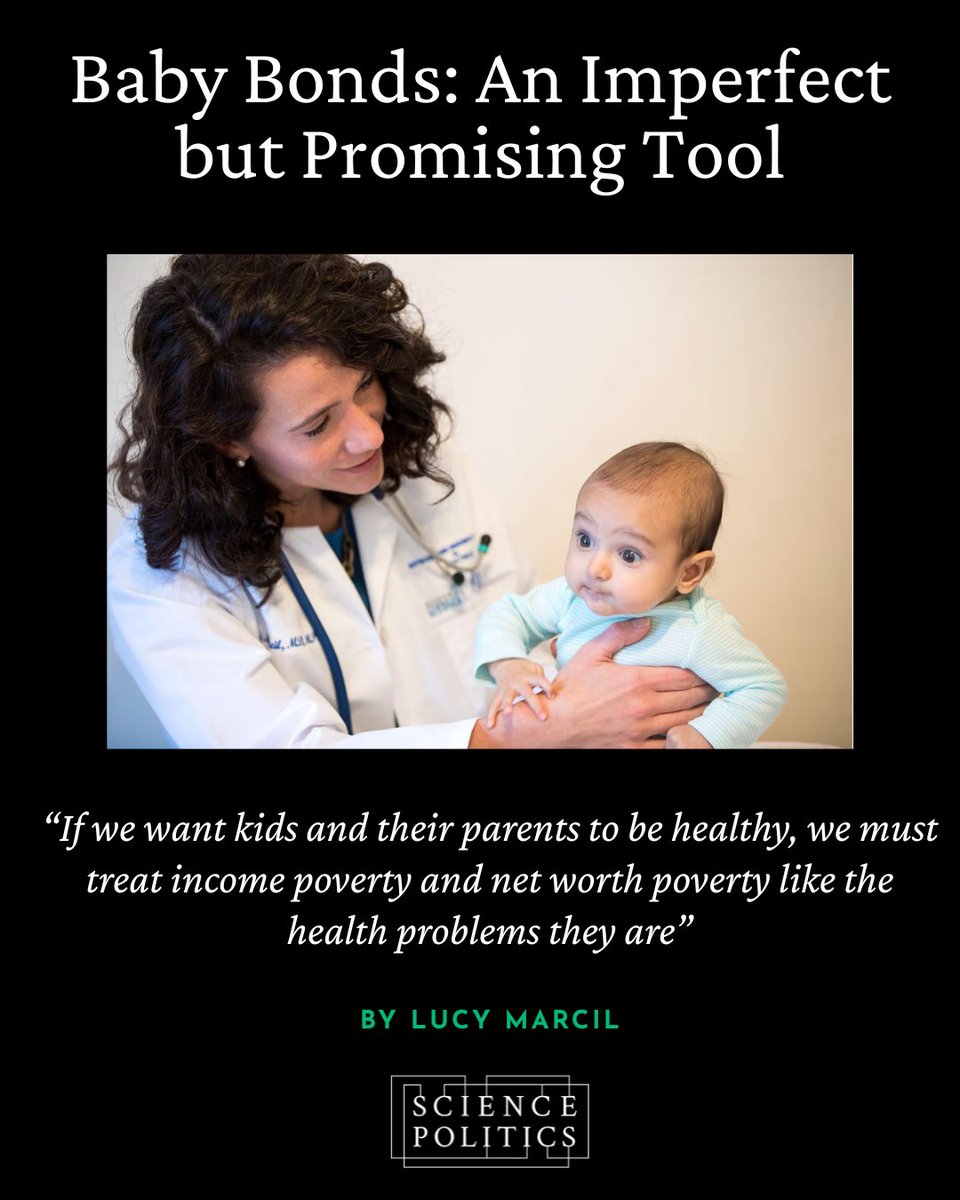
Read this week’s piece by Lucy Marcil, a pediatrician and founder of the Health by Wealth Collective, on why baby bonds—while imperfect—are a promising policy tool for improving child and maternal health.
This week’s article by Ty Eldridge examines how stabilizing Brazil’s power grid requires creating bankable conditions for investment. He argues that clear policy, battery storage, and investor confidence are key to unlocking affordable energy and long-term growth.
This week’s article by Elisa J. Sobo and David M. Goldberg examines why universities—not tech companies—must guide how generative AI is adopted in education. Using insights from one of the largest AI-in-higher-ed studies to date.
Read this week’s piece by Alyshia Gálvez, author of Eating NAFTA, as she reimagines what a new, people-centered NAFTA could look like—one that prioritizes human mobility, biodiversity, and small-scale producers.
Read this week’s article by Julie A. Zuniga, Isabella Turilli, and Emily Mendenhall on how nursing can reimagine primary care in the United States—by elevating respect for nurses, removing structural barriers, and bringing care back into communities.
Read this piece by Lisa Palmer about the shifting landscape of global science collaboration, the risks of U.S. disengagement from international research partnerships, and why science diplomacy remains essential for solving global challenges from climate change to public health.
Read this week’s piece about the Trump administration’s push to fast-track deep-sea mining, the international backlash from U.S. allies, and why ratifying the Law of the Sea could be a bipartisan solution.
https://t.co/UuS3vzV88o
Read this motivating piece by San Francisco-based journalist and Georgetown School of Foreign Service alum Sarah Wright.
“Wildfires are a symptom of the climate crisis, and they require an all-hands-on-deck solution"
Newsletter: https://t.co/UuS3vzV88o