Loving the #NARST24 keynote! History of Monsanto with @BartElmore his research data included company records back to 1901 from rejected tea leaves to
Coca-Cola to PCBs through to genetically modified seeds 😮
Graduate research scholarships available (stipends tuition relocation) to support you while you study & pursue research. I would love to hear from you! Get in touch via DM to discuss your thesis ideas https://t.co/RzcLf3m0Qd
The @UN must be allowed access to deliver urgent humanitarian assistance to Palestinian civilians trapped & helpless in the Gaza Strip.
I appeal to the international community to mobilize immediate humanitarian support for this effort.
12 Reasons Why Cities Need More Trees:
1. Temperature Control
One large tree is equivalent to 10 air conditioning units, and the shade they provide can reduce street temperature by more than 30%.
2. Noise Reduction
Trees can reduce loudness by up to 50%. In urban areas filled with the sound of cars, construction, sirens, aeroplanes, and music, trees are essentially the best way to block noise and keep cities — along with the homes and workplaces in them — quieter.
3. Air Purity
Trees remove an astonishing amount of harmful pollutants and toxins from the air. In urban areas air quality is often disastrously bad — with severe consequences for our health. Trees make the air we breathe much cleaner.
4. Oxygen
And, while absorbing all those pollutants, trees also put more oxygen back into the urban environment. Oxygen levels are significantly lower in cities compared to the countryside; trees help to solve that problem.
5. Water Management
Trees do more than just shelter us and our buildings from rain — which is, in fact, extremely important. They also absorb huge quantities of water, reduce run-off, neutralise the severity of flooding, and make flooding more unlikely altogether. Not to forget that their roots absorb pollutants and prevent them from feeding back into a city's water supply.
6. Psychological Health
Studies have proven what we instinctively know to be true: that human beings are significantly happier when surrounded by nature rather than sterile urban environments. Our emotions, behaviour, and thoughts are shaped by the places we spend time — and trees have a profoundly positive effect on our psychology. The consequential benefits of being happier and more peaceful — as individuals and as a society — are immense.
7. Physical Health
Beyond all the other ways in which trees improve air quality and the urban environment, much to the benefit of our health, they also encourage people to go outside. Cycling, running, and walking are all more common in urban areas with plenty of trees. A knock-on effect of people spending more time outdoors is also social integration and stronger communities.
8. Privacy
A simple point, but not inconsequential, is that trees provide privacy.
9. Economics
The total economic benefit of urban trees is hard to calculate. There are costs, of course, including the repair of infrastructure damaged by roots and maintaining the trees themselves. But the total economic benefit — a consequence of everything else in this list and more — far outweighs the expenditure. Trees make cities wealthier.
10. Wildlife
Trees are miniature cities all of their own, serving as a habitat for hundreds of different species, including birds and mammals and insects.
11. Light Pollution
Trees don't only block the light shining down, therefore keeping us and our cities cooler — they also disrupt light shining up, from street lighting, cars, houses, and billboards. Skies are clearer in cities with more trees.
12. Aesthetics
And, finally, trees are beautiful. They break up the potential monotony of urban environments — the sharp geometry, the greyscale roads and buildings, the endless rows of cars — with their trunks, boughs, canopies, and flowers.
Just think: the gold and red of falling leaves in autumn, the white and pink blossom of spring, the vast green canopies of summer, and the branches lined with hoar-frost in winter. Every single tree is a myriad of intricacy and texture, of colour and scent, of dappled light on the pavement, mottled bark, knotted roots, of clustered leaves and delicate petals and stern boughs.
Few streets would not be improved by the kaleidoscopic aesthetic delights of a tree, not to mention the many different species of tree, all over the world, whether willow, oak, lime, cherry, aspen, maple, birch, horse chestnut, dogwood, hornbeam, ash, sycamore... the list goes on.
There are some drawbacks to urban trees, most of them context-specific, and they are not — of course — universally appropriate. But it seems fair to say that many cities would benefit from at least a few more trees here and there.
Former Liberal MP Julie Bishop has thrown her support behind the Yes campaign in the Voice to Parliament referendum.
For the latest Voice news, visit: https://t.co/donHu7Or5S
"How can you say it's going to divide Australia when indigenous people are excluded from the Constitution? The Constitution is incomplete" — Noel Pearson. #abc730
July has already seen:
The hottest three-week period ever recorded.
The three hottest days on record.
The highest-ever ocean temperatures for this time of year.
It is still possible to avoid the very worst of climate change, but only with dramatic, immediate #ClimateAction.
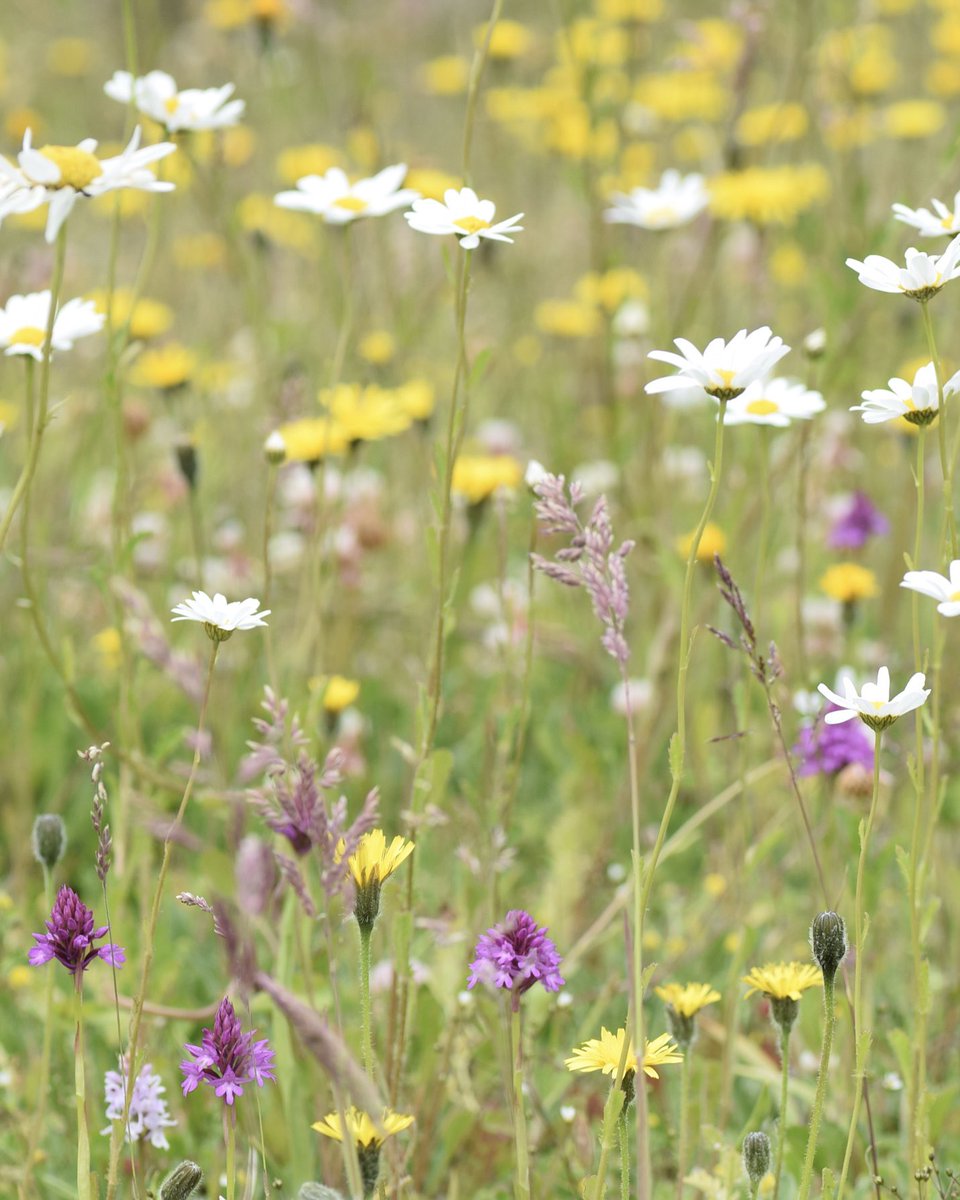
Today is #NationalMeadowsDay! 🥳 The loss of our uplifting hay meadow habitats in the UK makes my heart hurt, so I want to share with you the secret for turning your lawn into a mini wildflower meadow for *free* 👊
🧵 (1/9)
Why cannot humanity take action to protect the natural systems that provide their own biological needs ie food? Are human psychologically flawed? Or can we collectively act for the common good for real?
Hardly anyone remembers, or mentions that the first UN Environment conference, at which political leaders pledged urgent action and change of direction, was in 1972. Read the report.
https://t.co/S1nHco445n
7/
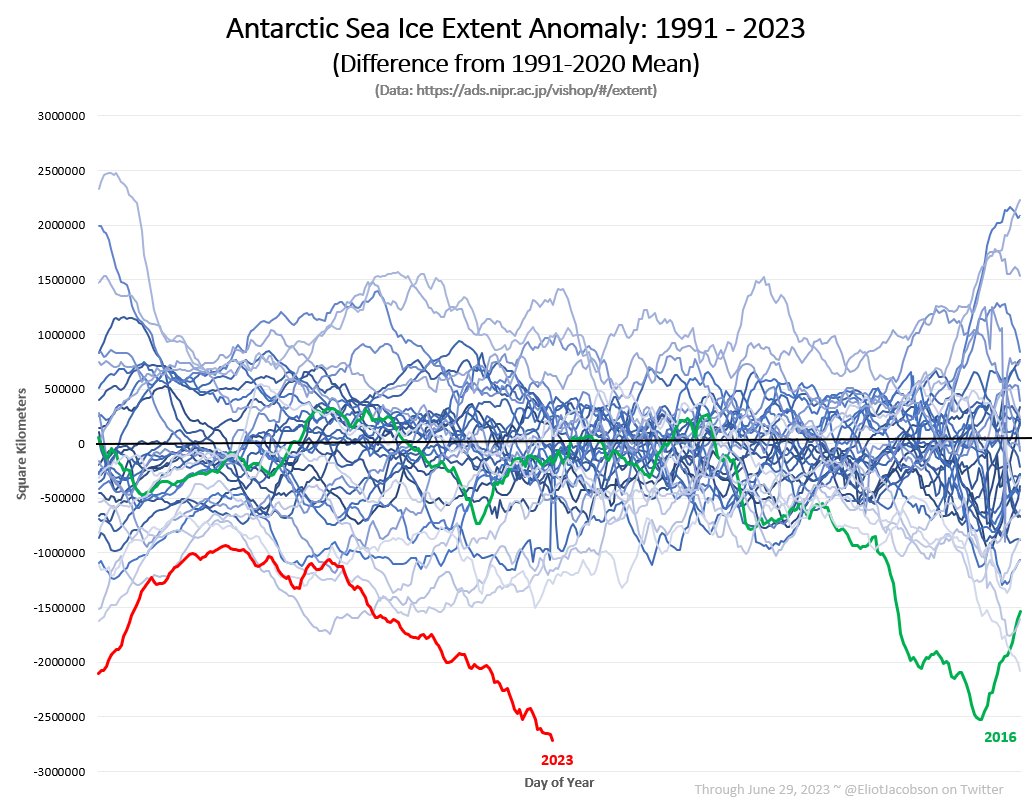
It finally happened, breaking 5 sigma, the same statistical threshold physicists used to prove the existence of the Higgs boson.
At 2,700,000 km² below the 1991-2020 mean, Antarctic sea ice extent was 5.14σ below the mean, roughly a 1-in-7,400,000 chance.
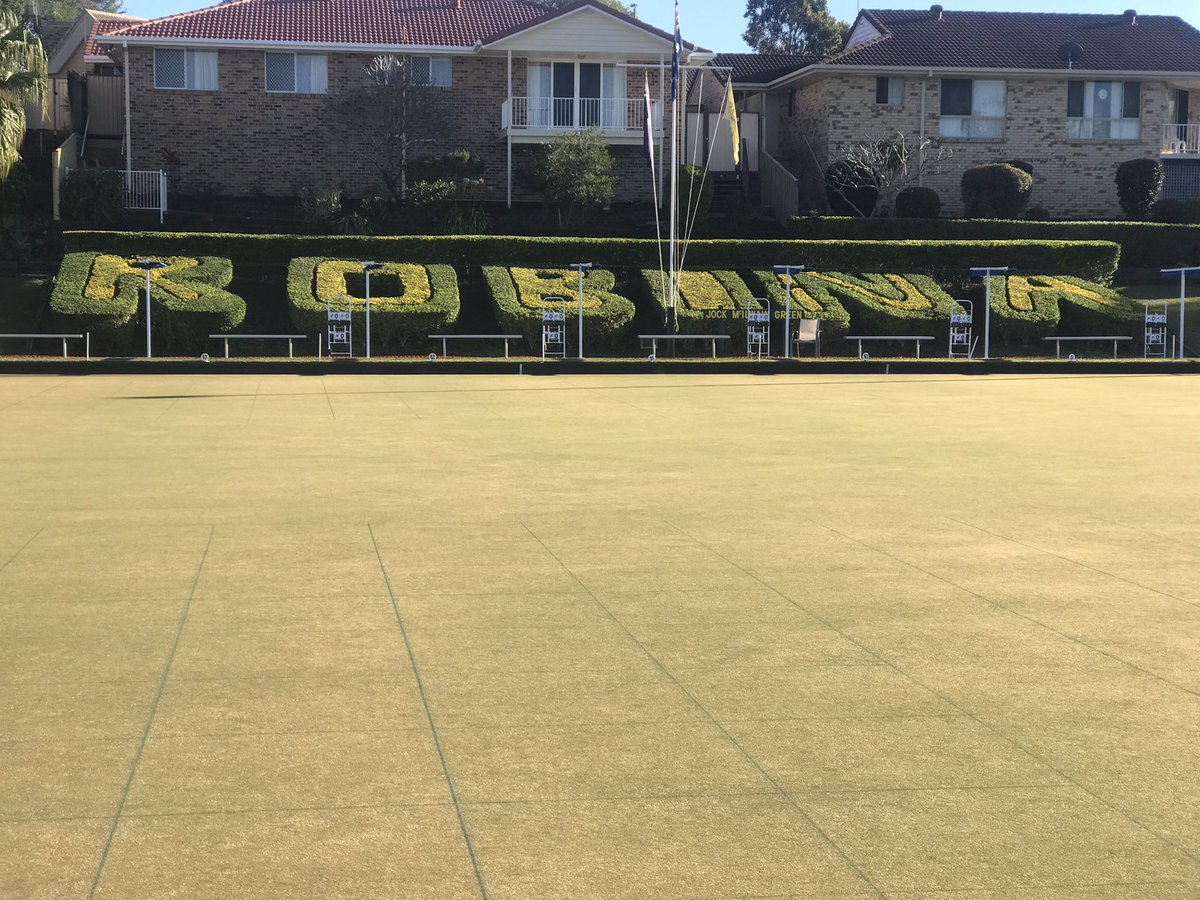
The Australian lawn bowls team has a younger average age than the Australian cricket team. If we’re talking about compulsory sport in schools don’t forget about lawn bowls #TheDrum
https://t.co/QYvLDkIdgF