SciCourt is a science-based mock trial system designed to promote democracy by investigating controversial societal issues in front of a citizen jury. #scicourt
And the verdict is...
The jury choose their own proposal! Using rubrics and blind assessments where possible. Retaking any courses for a better grade, increasing Pass/Fail credits, banning normative grading, and recommending a more diverse student and instructor body!
On to closing statements for the day!
For Reform, Ileana summarizes the proposal by saying the science shows A-F grading isn't perfect, and reform has been needed throughout history. Blind grading and rubrics, Yale grades, and retaking failed courses are the changes we need.
For Refine, Keegan starts off by explaining his thoughts on why Reform plans won't work, and why Refine's package can make a meaningful difference in the lives of students at UMN.
In their final summary statements, both Thomas and Taylor brought the focus back to their original points and how they are still effective for graduate schools and employers.
From the first economics session, Thomas highlights the fact teacher training hasn't been covered in depth and may not be backed up by science.
Whereas Taylor says the Yale Model and Blind grading would be unfamiliar to faculty as well. "You need to be taught the basics."
What affects the reputation of a university? Would having an alternative grading system impact accreditation or reputation?
Intelligent students and professors, prestigious programs, and other factors are all on the list. But grading system is not.
Taylor: "I fully acknowledge that the research does not support a change in behavior, however this is more of a societal issue, which cannot be done with a single approach to grading. But this is considered a step in the right direction."
Since the Refine Team is proposing an increase in funding for bias training, is it going to be helpful?
Claire: "Poorly designed implicit bias training can actually increase it, but a well-designed training can be effective."
And there's a lot of literature on how to design one.
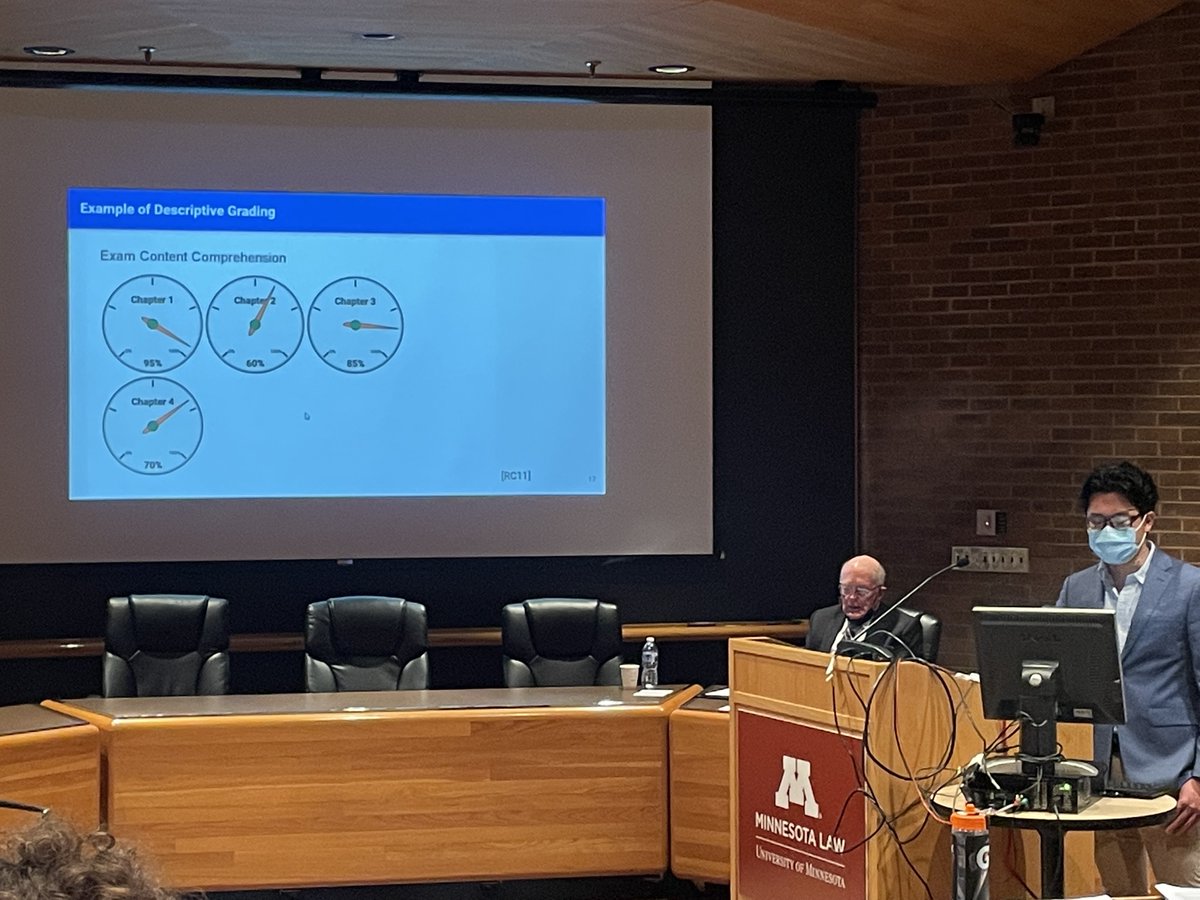
Illeana: "Which grading styles are correlated with higher intrinsic motivation"
Roj answered that question by explaining since descriptive grading methods are more structured and detailed in their feedback to students, they tend to be associated with higher motivation,