Do you know?
Cellulose is found in plants and trees which is used to store carbohydrates. Humans extract it for paper elaboration, for clothes, and now scientists are searching for medical functions.
"After all, science is essentially international, and it is only through lack of a historical sense that national qualities have been attributed to it."
- Marie Curie, the first person to be awarded two Nobel Prizes, the 1903 physics prize and 1911 chemistry prize. @NobelPrize
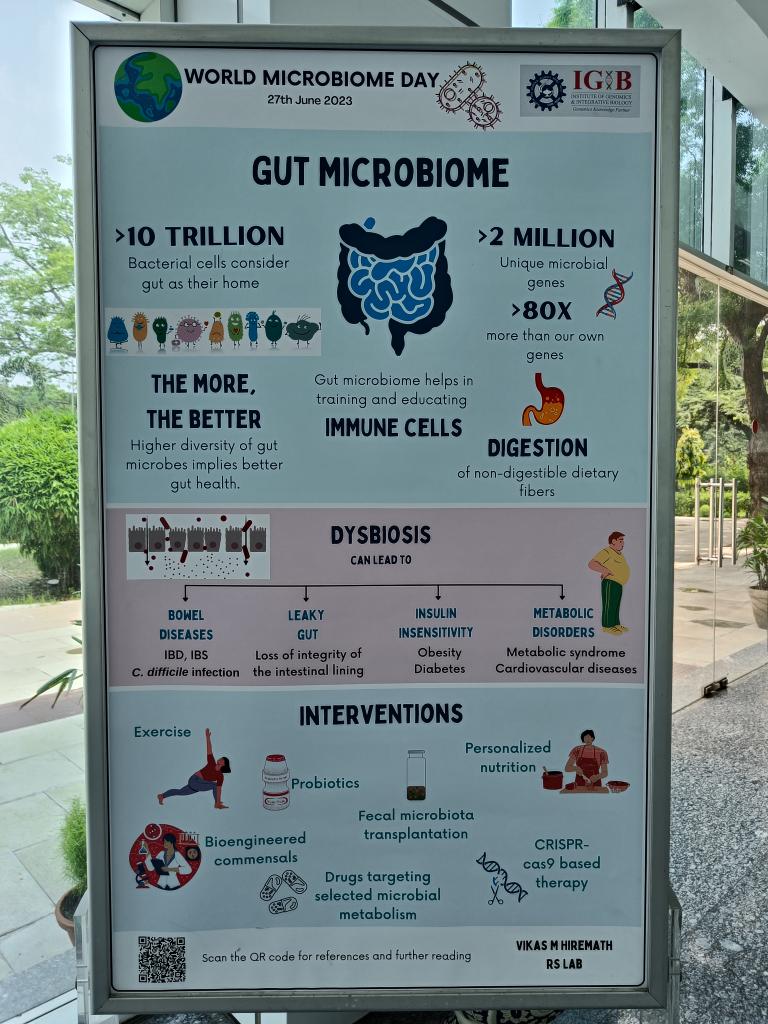
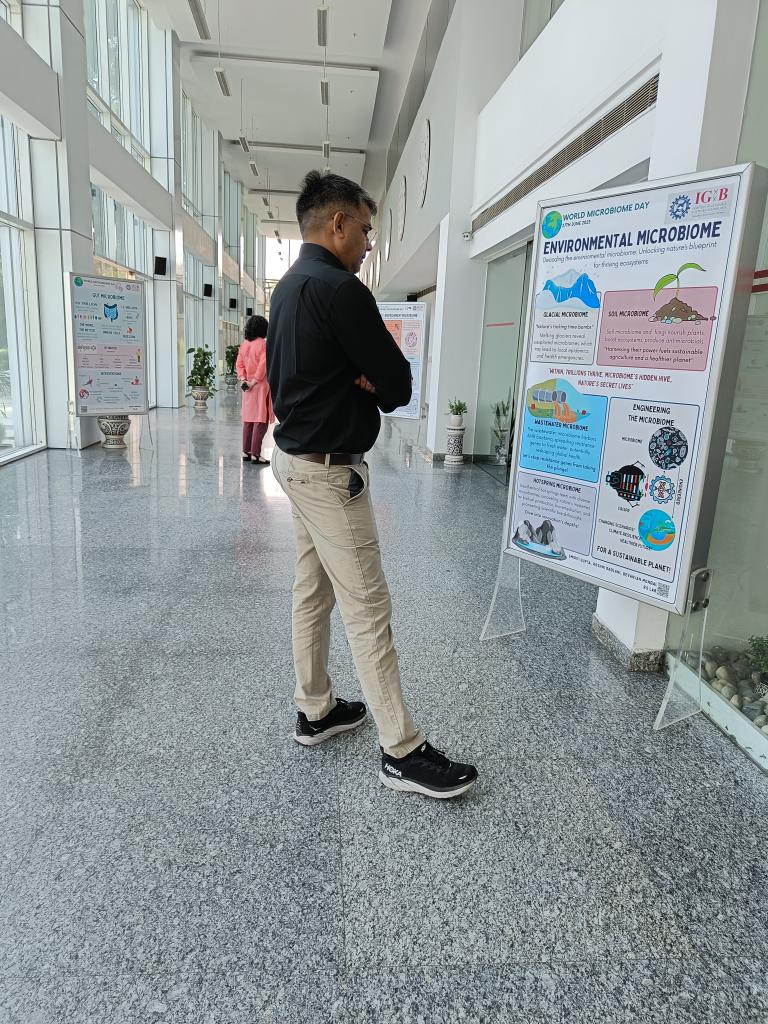
From #microbes residing inside the human body to the microbes in our environment, on this World Microbiome Day let us appreciate the microscopic world that surrounds, influences and shapes our lives.
#WorldMicrobiomeDay
As an academic writing coach, here are the 9 mistakes @scientistswrite sees PhD and grad students make when writing scientific papers.
A thread. 🧵 #Ad
—
#1: Thinking it’s laziness when you are procrastinating on your paper
🦥 Most PhD students procrastinate writing their paper (aka have ‘blank page syndrome’) not because they are lazy but because they don’t know where to start tackling this overwhelming project.
—
#2: Starting to write your paper by “writing”
📋 The first step of writing a paper isn’t to type out full sentences. It’s more efficient to first develop your story and create a good outline so writing just becomes filling in the gaps.
—-
#3: Trying to make your sentences perfect in your first draft
🤓 If you keep deleting what you have written, you won’t get a lot of text on the page. The goal isn’t to get every sentence, every word right from the beginning but to refine your paper through editing.
—-
#4: Accepting edits from your PI without understanding them
🖍️ Critical feedback from your supervisor can feel discouraging but it really is an opportunity to learn. So, ask for the reasons of edits and rewrites so you can refine your writing skills one iterations at a time.
—
#5: Trying to tell a story in your paper without knowing that really means
🎬 Ever been instructed by your supervisor to “tell a story” in your paper without getting a definition on what that means? Ask them for feedback on your story board so you are on the same page!
—
#6: Underestimating how long writing tasks take
⏱️ As a rule of thumb, quadruple the time you think you need to get any writing-related task done. And start using a time tracker so you have data on how much time each step takes going forward.
—
#7: Asking for feedback too late
💬 It’s a waste of time for your supervisor to correct a fully completed draft as the first touch point. Agree on the story and outline of each section before your start writing.
—
#8: Thinking your supervisor has the writing process figured out
🤫 If you feel like your PI isn’t giving away their secrets, it’s likely because the don’t know how to teach you! The truth is, few researchers rely on an efficient process to write a successful paper.
—
#9: Not asking for writing training
💰 If you feel under-skilled at writing, ask your PI, department or grad school for funding to take a scientific writing course. Many universities have funding available for professional development, you just have to make the ask!
—
TL; DR: 9 mistakes @scientistswrite sees PhD students make when writing their scientific paper
#1: Thinking it’s laziness when you are procrastinating
#2: Starting to write your paper by “writing”
#3: Trying to make your sentences perfect in your first draft
#4: Accepting edits from your PI without understanding them
#5: Trying to tell a story in your paper without knowing that really means
#6: Underestimating how long writing tasks take
#7: Asking for feedback too late
#8: Thinking your supervisor has the writing process figured out
#9: Not asking for writing training
It’s perfectly normal if you look back at your earlier work in your PhD and see flaws.
It means that you’ve improved because PhD is all about learning how to do research.
#PhDVoice@PostdocVoice