Soybean is a highly versatile crop that has strong economic value due to its climate tolerance, protein and oil content, and its ability to improve soil nitrogen.
Because of its many benefits, Soybean known as Gold from the Soil is in Africa.
@isaaa_org https://t.co/LJ16BoCm7u
Thank you @BillGates !
The @gatesfoundation is making an initial $15M commitment to support the efforts to contain the #Ebola outbreak and protect communities at risk across DRC Congo and Uganda.
@BillGates thanked #DRC & #Uganda & frontline responders.
https://t.co/zBDlMpuVYZ
🌽To ensure food security we need to maximise food production while adopting sustainable farming practices that preserve biodiversity.
This is achievable through the innovations and technologies of the #plantscience sector.
Happy #BiodiversityDay!
🥔The Kinigi potato variety has been added to #Rwanda’s pipeline of biotech crops for development, as researchers seek to address concerns that the once high-performing variety is losing its vigour.
https://t.co/Vy6KmhAM7K.
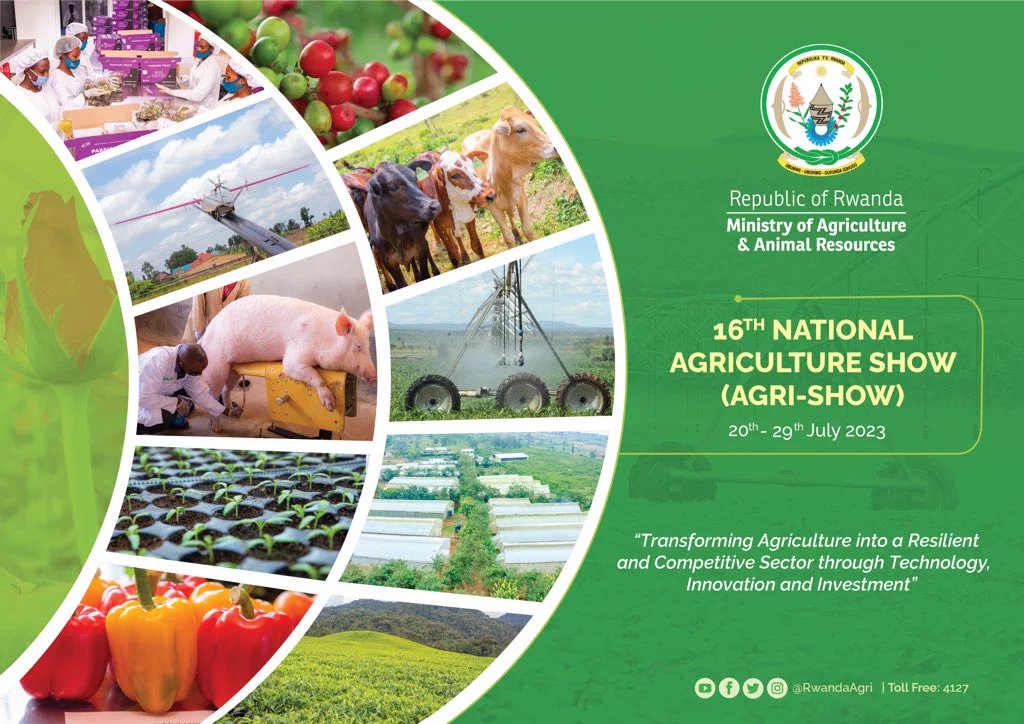
The National Agriculture Show is a good platform to showcase the best practices in agriculture sector.
This year the theme is “Transforming Agriculture into a Resilient and Competitive Sector through Technology, Innovation and Investment”.
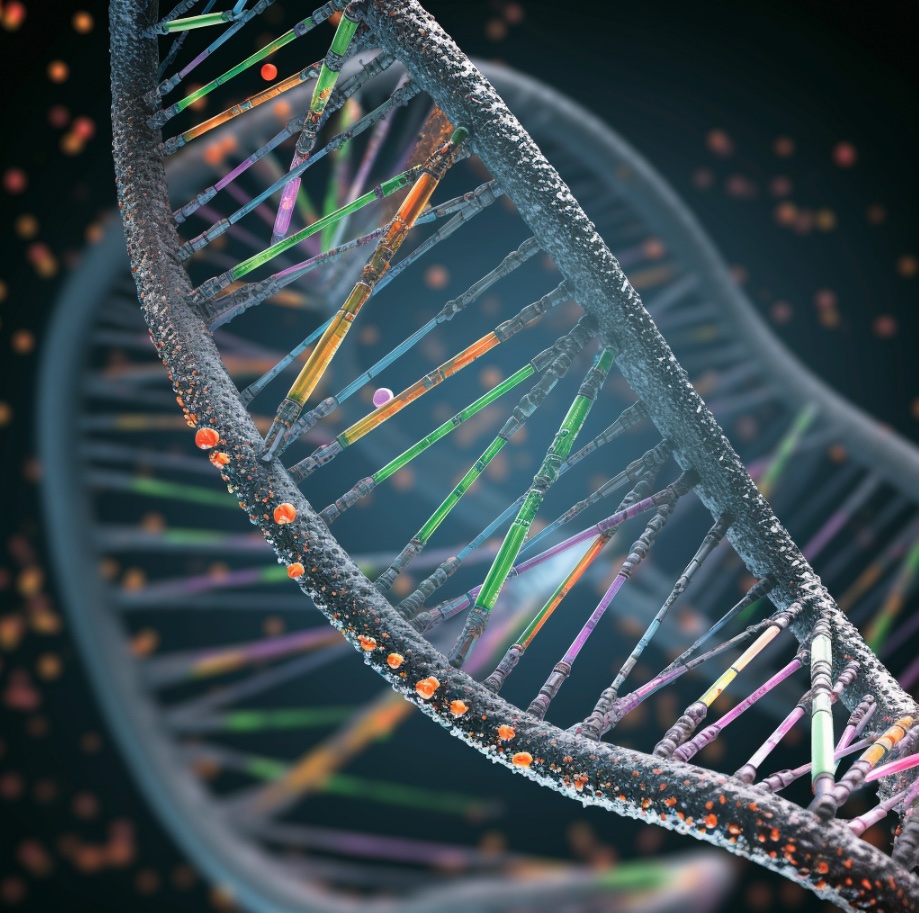
CRISPR is important because it allows scientists to rewrite the genetic code in almost any organism.
It is simpler, cheaper, and more precise.
It has a range of real-world applications, including curing genetic disease and creating drought-resistant crops.
Rwanda introduces new biosafety bill to regulate GMOs
The Government of Rwanda has taken a step towards regulating genetically modified organisms (GMOs) with the introduction of a new draft law governing biosafety.
https://t.co/ovQj2AO1ZV
Agriculture Biotechnology and Biosafety Status in Rwanda and Global perspectives
On #SpecialReport today, @Placide_Nshuti hosts Dr @nduwathb to discuss this and more.
Tune in Live https://t.co/DFpzA4Gq1p
Happy to announce that we published the genome for faba bean today in Nature. This unlocks the path to improving a sustainable protein crop for food security.
Here, the Nature's News and Views on the achievement:
https://t.co/Lz6OhwBcce
I am part of a platform that brings #women together to learn from #agricultural experts on how agricultural technologies are impacting the sector amidst shocks that impede their capacity to produce crops. #EmbraceEquity
Better seeds and biotechnology can boost Africa’s crop productivity, study finds.
“The major reason for farmers to select GM crops is the boost in yield,” says researcher Endale Gebre Kedisso.
https://t.co/p3tBAWk6RM
Farmers in Africa have lacked access to farming technologies, pest-resistant seeds and proper agronomic practices that will help reform the economic value of agriculture.
https://t.co/uQ3X4p55gj
📸 WEF
🚨#BreakingNews: Nations have adopted 2020 Global Biodiversity Framework.#GBFApost2020🌱
The Global Biodiversity Framework will guide countries to restore 30% of degraded ecosystems on land & sea by 2030 and will also guide to restore 30% of terrestrial & marine areas by 2030.
Emmanuel Ntirenganya, Journalist at The New Times, has emerged the overall winner on reporting about Agricultural Biotechnology in Africa.
Congratulations to @EmNtirenganya
Congratulations to the team behind this success @nduwath,@Habimana_JClaud#COP15 https://t.co/wFFizj8Fqf
~100% of Sudanese🇸🇩 farmers adopted GMO cotton because of the reduced input cost and productivity increase says Nazik Dafalla of the Biosafety Council Sudan
As a result, farmers recorded and increase in income and improved livelihood 🧑🌾 #NatureCOP#COP15#MakeScienceCount
India said on Thursday it was important for it to adopt farming technologies like genetically modified (GM) crops to ensure food security and cut a reliance on imports, as it tries to boost the output of edible oils for its huge population. #COP15#GMO
https://t.co/V8UosHfihW