Help make science accessible to all! Your donation supports free, easy-to-understand science articles & volunteer training. Every gift counts. Donate today: https://t.co/XHWHgHP8YD #ScienceForAll
Are you a researcher with peer-reviewed work to share? 🧬🗞️
Science Connected Magazine welcomes submissions—if you hold the copyright or have permission to write a public-facing summary.
🌐 Make your science accessible: https://t.co/PNOG5X0RKO
#SciComm#OpenAccess
Sea-friendly plastic is the newest project for material scientists: plastic that can dissolve in water to reduce microplastic pollution. #science#pollution
By Reshmi Thampy
https://t.co/DwzsRSey6A
A gene mutation in the brain 200,000 years ago may be responsible for human language, as seen in a controlled experiment on the NOVA1 gene.
By Antarjot Kaur
https://t.co/JdLcrKQHZ9
RoboBee engineers continue to innovate and have now developed technology for better legs for the microrobot to land.
By Reshmi Thampy
https://t.co/0hyt5QJSQT
Giant ground sloths are extinct now, but scientists uncover what environmental factors helped them evolve in the first place.
By Brianna Cieszynski
https://t.co/Kq0hYiBVBu
#Climate change and #pesticides spell double trouble for bee behavior. Researchers in a recent study find that pesticide risk to #bees varies depending on the temperature. https://t.co/m9wL3dQ8q5
Play behavior and laughter in rats has a lot to do with their environment and with the part of the brain that controls fight or flight responses. https://t.co/APW8Vu1YAi
Researchers identified over five thousand previously undiscovered species in a sample area of the CCZ region of the ocean, and they predict more are there to be found. By Amelia Hersant https://t.co/dnjYT9Q0GJ
Climate change means temperatures are slowly rising in the air—and also underground. Different materials in the earth expand or contract in response to underground climate change, affecting the buildings constructed above them. By Paige Castle https://t.co/xAUqWmHjCd
Odor profiles are an emerging form of evidence as scientists work to identify and classify individuals based on the chemical compounds naturally released from hands. https://t.co/zRxSB2tblE
Rising temperatures in recent decades have been linked to observed shifts in bee phenology. These shifts could impact bees’ vital role in pollinating food crops. https://t.co/WXdiUQ9jmp
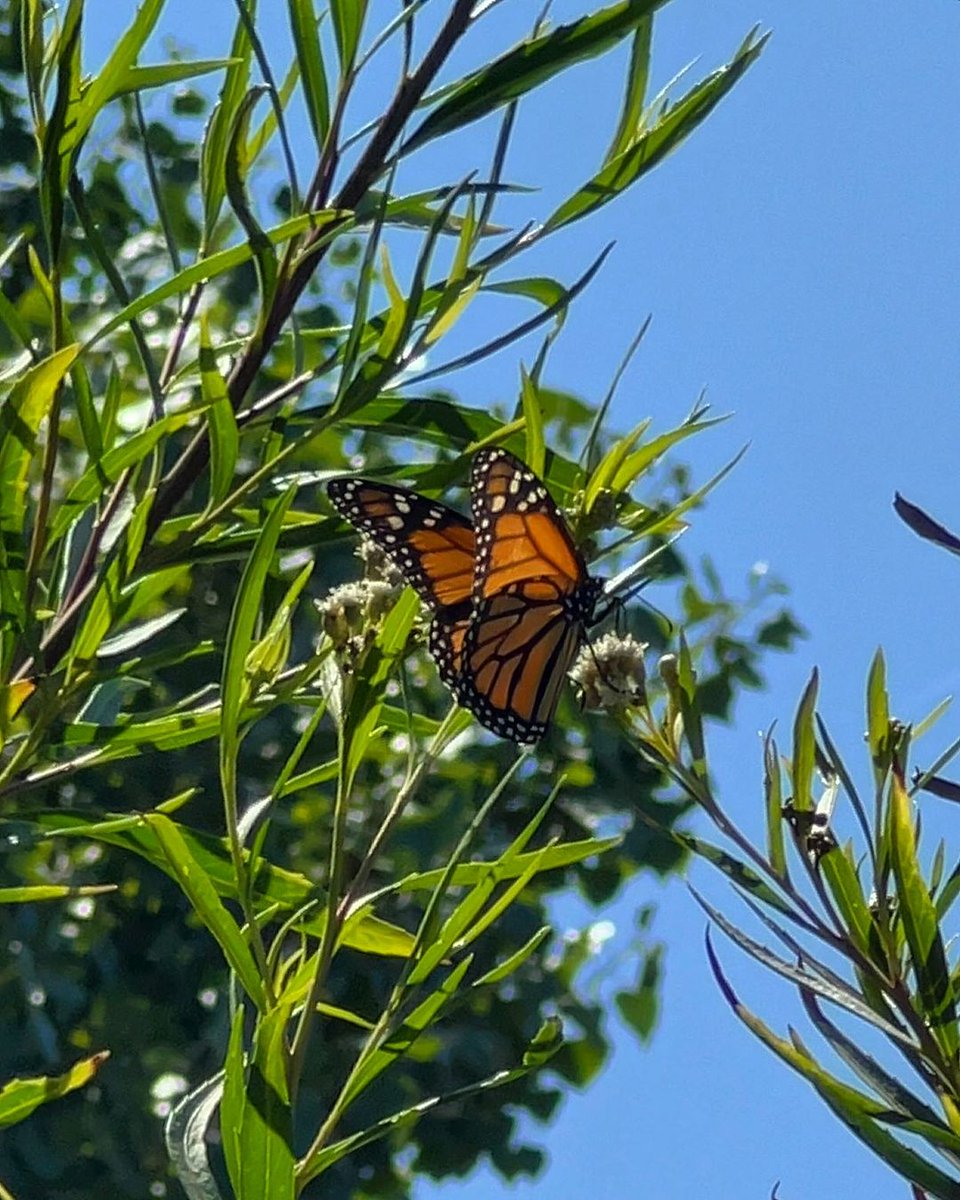
Happy Saturday, nature lovers! 🦋 Witness the beauty of this monarch butterfly resting at Los Angeles State Historic Park, Share your own monarch moments with us by tagging @calparks!
📸 by @ProjMonarchLA at Los Angeles State Historic Park.
Emperor #penguins officially a threatened species because of projections of population decline from climate change and ineffective conservation. https://t.co/Cy0LfeuNhT