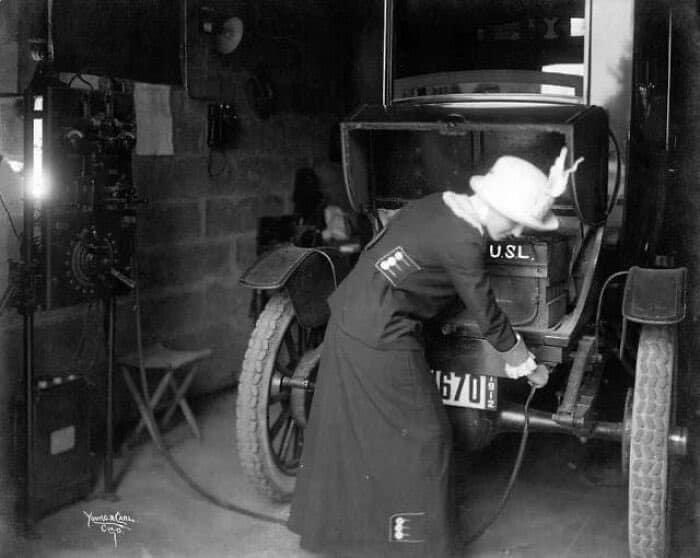
Electric cars were particularly popular with women, so it goes, because unlike petrol cars of the age, electric cars didn’t need to be started with a hand crank, which wasn’t terribly dignified and there was a danger that the handle could whip round and strike the arm.
This is the clearest image ever taken on the surface of Venus
The conditions currently seen in this pic are a temperature of over 800 degrees F (400 C) and pressure equivalent to being under 3000 feet of water.
#venus#planet#science#history
The photograph from 1890 shows a surgery at Boston City Hospital. Surgeons have facial hair and are not wearing masks and gloves, which were uncommon at that time. The bag held against the patient's mouth likely contains ether, a popular anesthetic back then.
The patient's position and incision suggest a knee operation or leg-related procedure. This photo was taken after Joseph Lister's advancements in antiseptic surgery, but it's uncertain if the depicted surgeons followed hygienic practices.
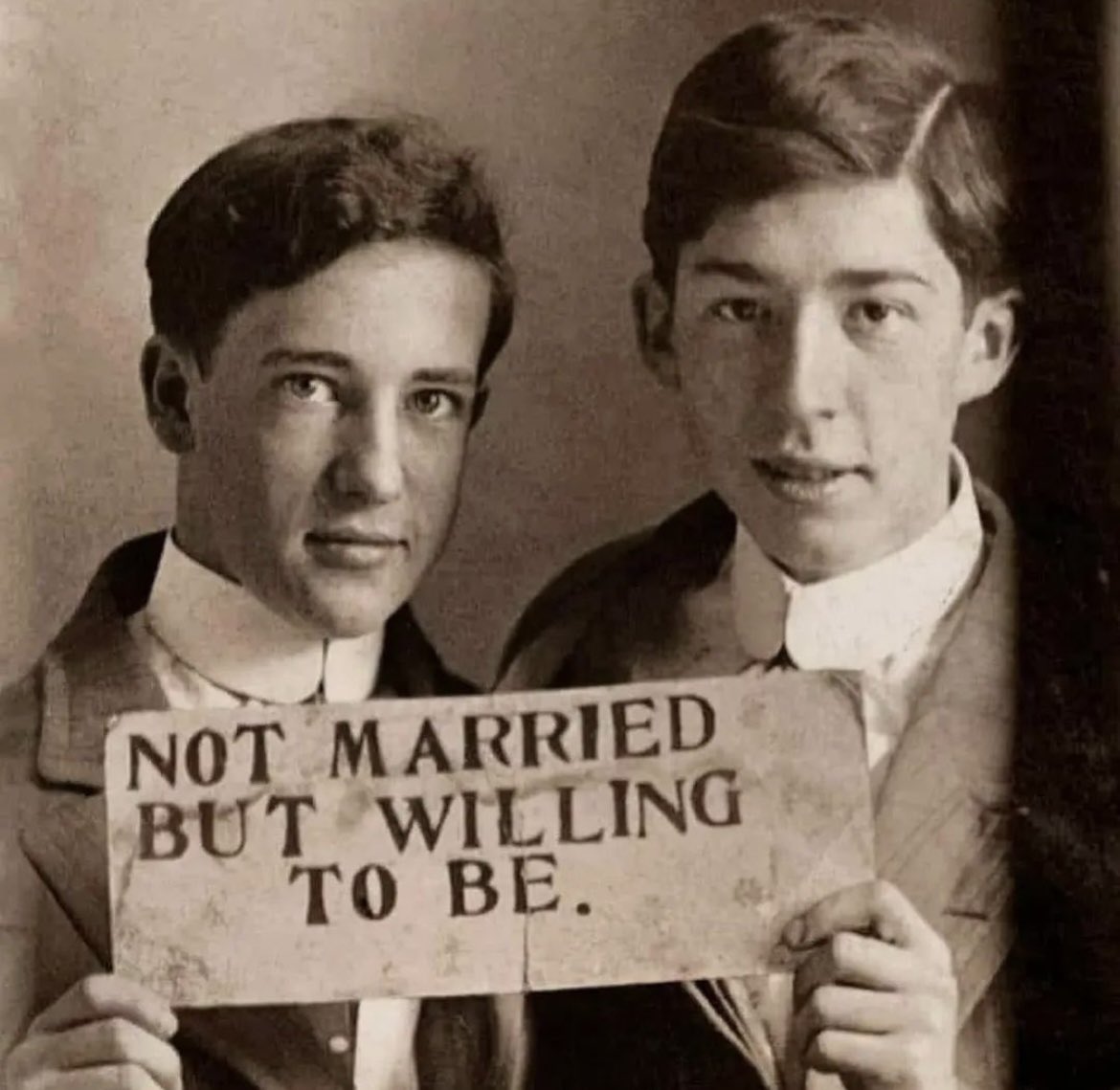
Around 120 years ago, two young men quietly held a pre-printed sign expressing their affection for each other and their desire to legally wed, despite the challenges they faced as a gay couple during that time.
#history#loveislove
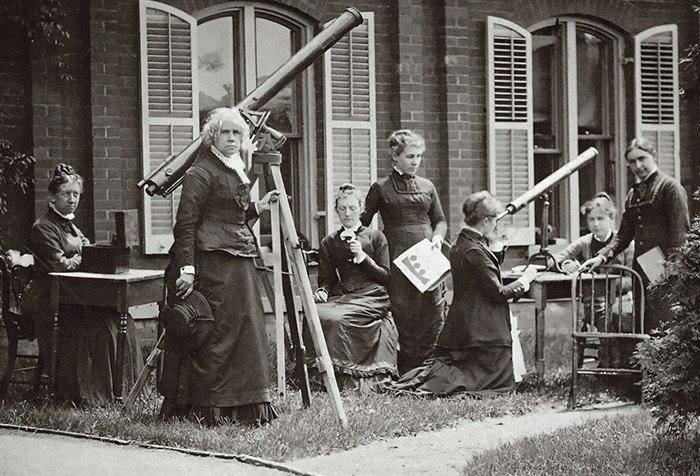
The first American woman astronomer was Maria Mitchell who was also an American astronomer, librarian, naturalist, and educator. In 1847, she discovered a comet named 1847 VI that was later known as "Miss Mitchell's Comet" in her honour. She won a gold medal prize.
#history
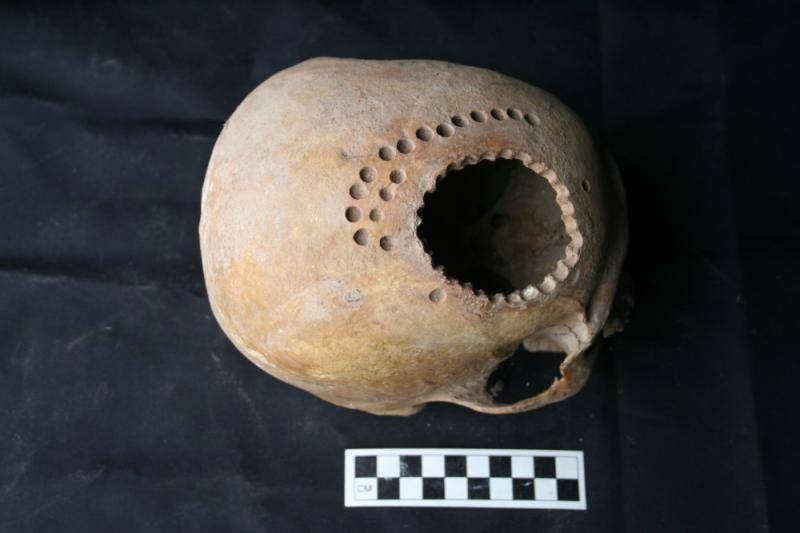
In the Peruvian Andes, bioarchaeologist Danielle Kurin has found evidence of widespread trepanation, or cranial surgery, from A.D 1000 to 1250, a period that might have been especially violent in the region. Some skulls even show evidence of having been practiced on post-mortem
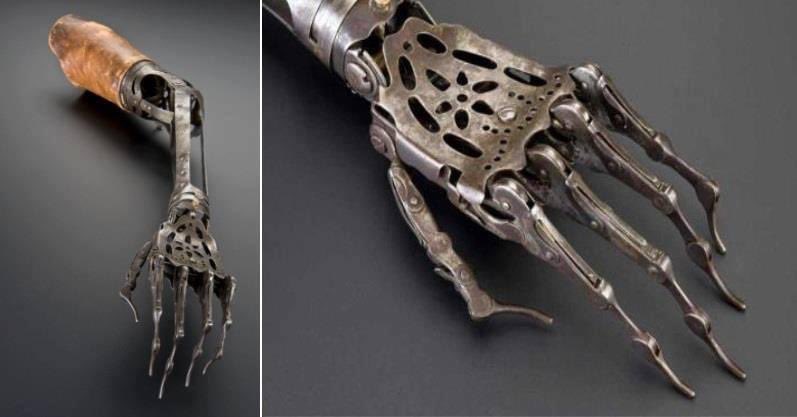
The fingers can also curl up and straighten out. The leather upper arm piece is used to fix the prosthesis to the remaining upper arm. The rather sinister appearance of the hand suggests the wearer may have disguised it with a glove. #history#prosthetics
ARTIFICIAL LEFT ARM, EUROPE, 1850-1910
Made from steel and brass, this unusual prosthetic arm articulates in a number of ways. The elbow joint can be moved by releasing a spring, whereas the top joint of the wrist allows a degree of rotation and an up-and-down motion.