Help keep Sciworthy free and impartial by becoming a supporter! We rely on generous donors like you to help maintain our website, support our writers, and run our online courses. Donate now to support agenda-free science news!
https://t.co/FTVpimrab2
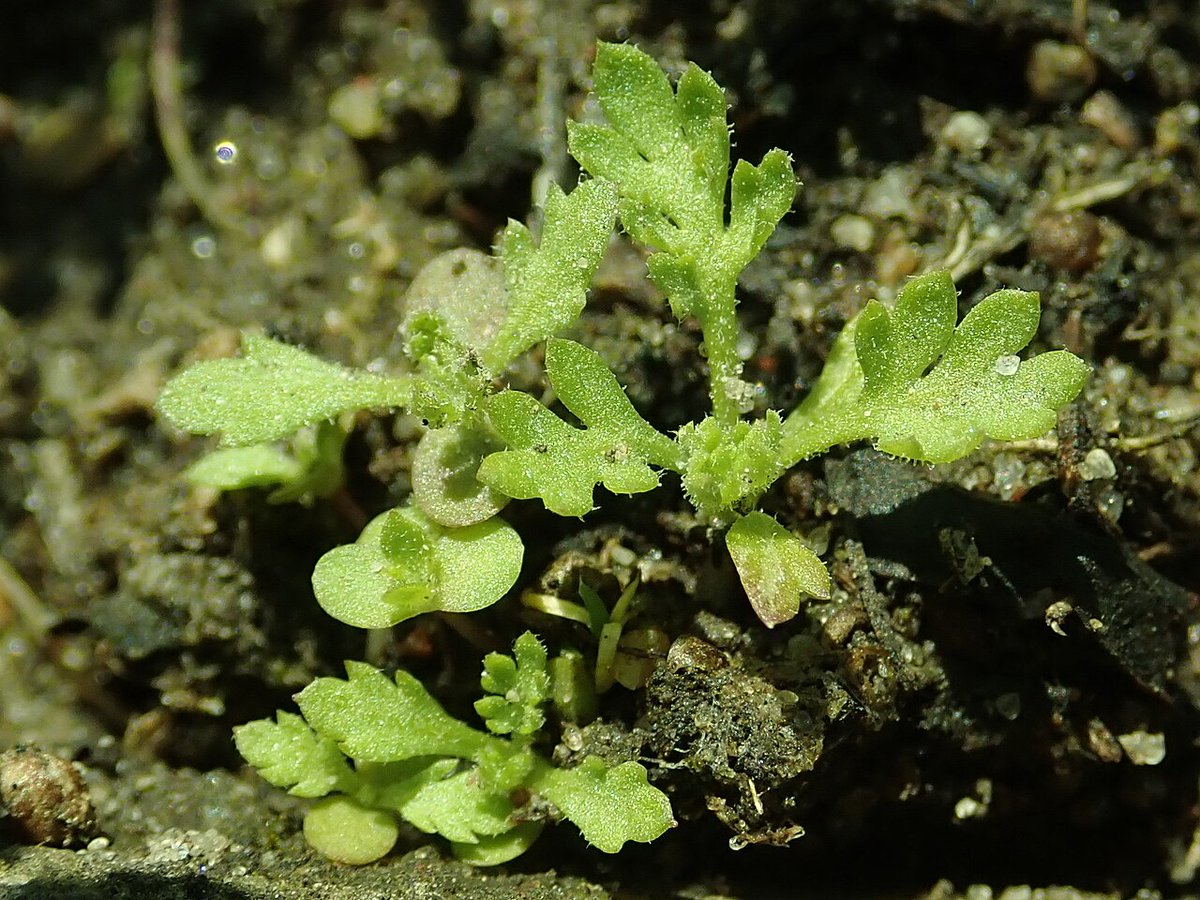
Sulfate-reducing bacteria are the “stinky saviors” that help keep our water supplies clean… new on Sciworthy!
#science#sciencenews#scicomm#bioremediation
https://t.co/SxZfTj7cw6
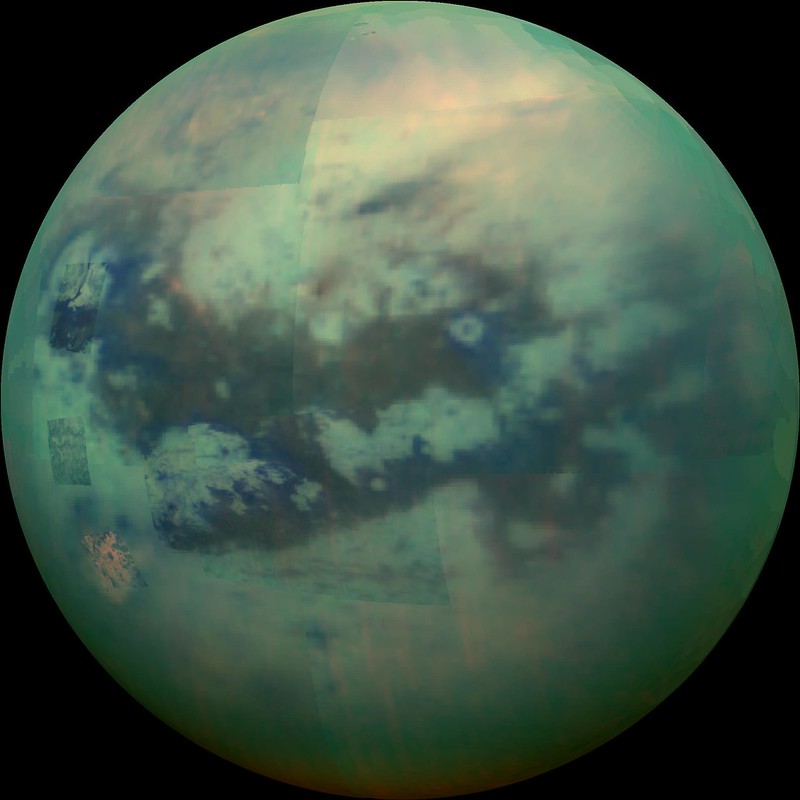
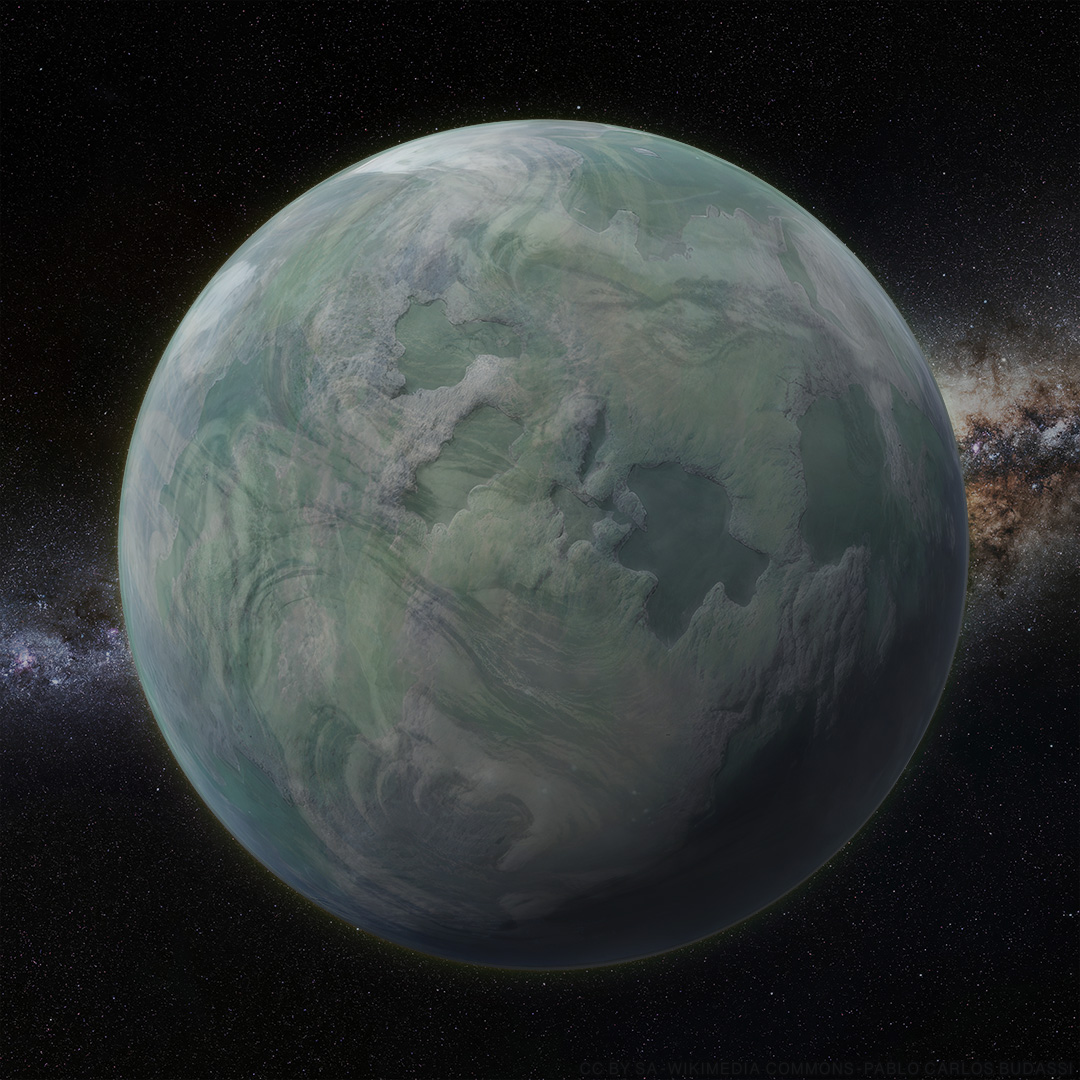
Researchers tested how well the JWST could characterize a Titan-like exoplanet with a complex surface and atmosphere using transmission spectroscopy.
#Science#sciencenews#scicomm#jwst#astronomy#exoplanets
https://t.co/bSC3aOb8iA
This Halloween, you can skip the ghostly sheet! Every human already carries a ghost-several of them, in fact-stitched into the long strands of DNA we inherited from our parents.
#science#sciencenews#scicomm#Halloween2026
https://t.co/EzZDrWVm9E
Scientists in Australia identified a group of chemical compounds that can disrupt the communication system used by the drug-resistant bacterium Pseudomonas aeruginosa. New article by @ChisomHalimat!
#science#sciencenews#scicomm
https://t.co/LoP2FrHKe6
Scientists from China developed needle-shaped electrodes that can generate electricity from raindrops!
#science#sciencenews#scicomm#hydropower
https://t.co/gfg65Dq0aO
Members of the Perseverance rover team compared Raman spectra from Martian organics with spectra of complex carbon on Earth. Their results can't rule out a biological origin, but they can't prove one either!
#sciencenews#scicomm#mars#astrobiology
https://t.co/4DSTr4w6WN
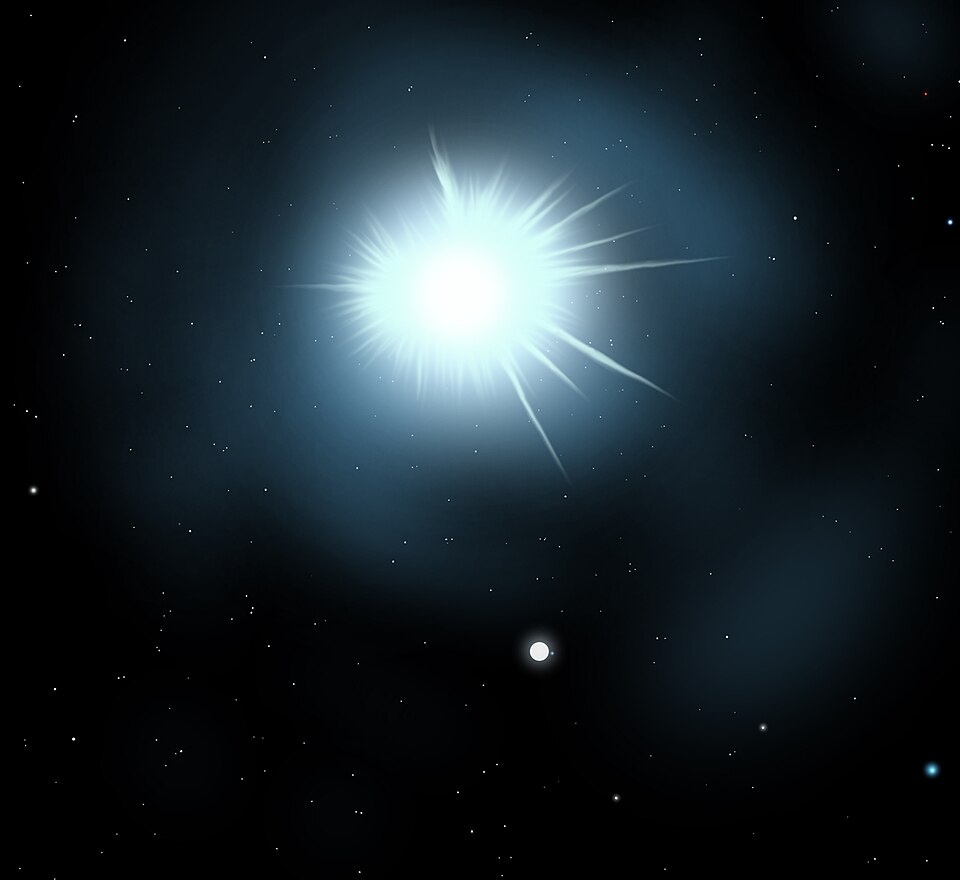
Astronomers in Canada and the USA modeled more than 14,000 stars to determine how the Milky Way got its carbon.
#science#sciencenews#scicomm#astronomy
https://t.co/JWTvLbRjea
Researchers from Minnesota determined the genetic mechanisms behind one bacterium’s unique ability to withstand heavy metals from EV batteries.
#science#sciencenews#scicomm#EV
https://t.co/NWkSgiiabU
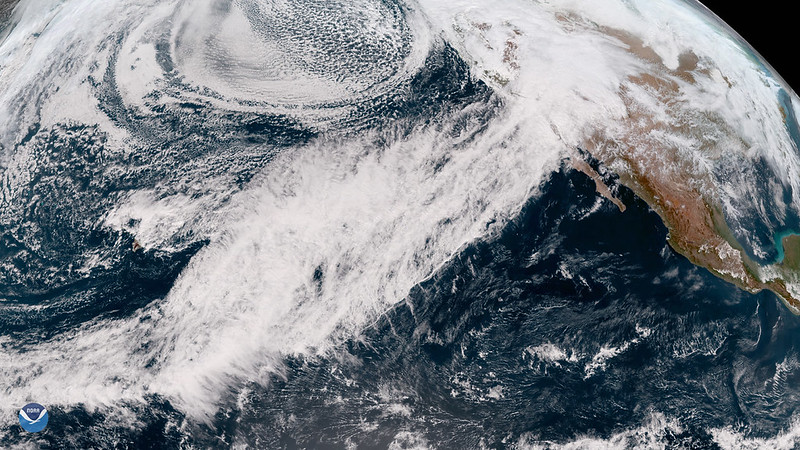
Researchers from Stanford University developed a new method using seismic data to test whether heavy storms in 2023 replenished groundwater in Southern California after nearly 20 years of drought.
#science#sciencenews#scicomm#groundwater
https://t.co/5kb0bslRcc
Scientists from Canada recently studied ancient uranium deposits to determine how similar radioactive waste might behave in deep geological repositories underground.
#geology#science#sciencenews#radioactive#scicomm
https://t.co/AtOYxVWVyu
NASA researchers recently tested whether they could distinguish living worlds from nonliving ones based solely on the complexity of light patterns reflected from their surfaces.
#science#sciencenews#scicomm#astrobiology
https://t.co/u2wc5eSKTx