@joarhalvorsen Oh brother. THIS is EXACTLY what Bruce Wampold proved in 1997 when his meta-analysis showed wait-list and even "placebo" trials led to exaggerated effect sizes.
Does therapy work in the real world? Or only in the context of randomised controlled trials where participants have no complexity or confounding factors? This meta-analysis by my fantastic colleague Chris Gaskell and his associates says it does: https://t.co/f0SweMCkYJ
In this week’s “FIT Tip,” I offer an evidence-based method for selecting the outcome management system mostly like to fit you, your agency or healthcare system https://t.co/27LHc20yZc
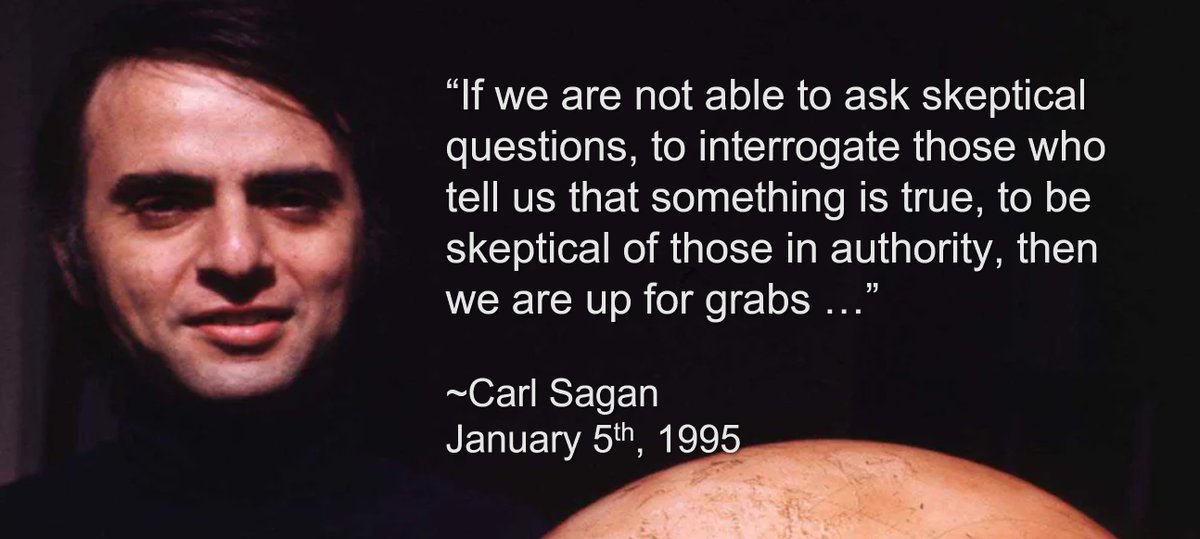
So, you think you are open-minded? Professor Jay van Bavel thinks otherwise and has the evidence to prove it.
Watch the interview: https://t.co/nQuw9pzAHc
An interesting idea in psychotherapy research is that nonspecific factors responsible for therapeutic change take place in constructed reality. See Scott Miller's @Scott_dm interview with Stephen Bacon:
https://t.co/1iPhUmDSUq
@socworkpodcast@Scott_dm I’ll be sharing this episode with my students - love how you normalize how the word feedback can make us cringe, but how necessary it is for professional growth.
@AllenFrancesMD Thanks Allen. @Scott_dm and his colleagues have given us a framework and empirical support for shifting our approach to therapy. The question is, will schools, agencies and providers heed the call.
Could the story we tell ourselves about the origins of psychotherapy be responsible for the lack of improvement in outcomes over the last four decades?
Who do you identify as the key players?
https://t.co/ljxm4ZBxwK
I don't celebrate Christmas, but if I did, this would be a great present. According to @podtrac, there were almost 12,000 unique downloads of Episode 131: Feedback Informed Treatment: Interview with @Scott_dm in the first week. Thanks y'all! https://t.co/KiajK44YgE