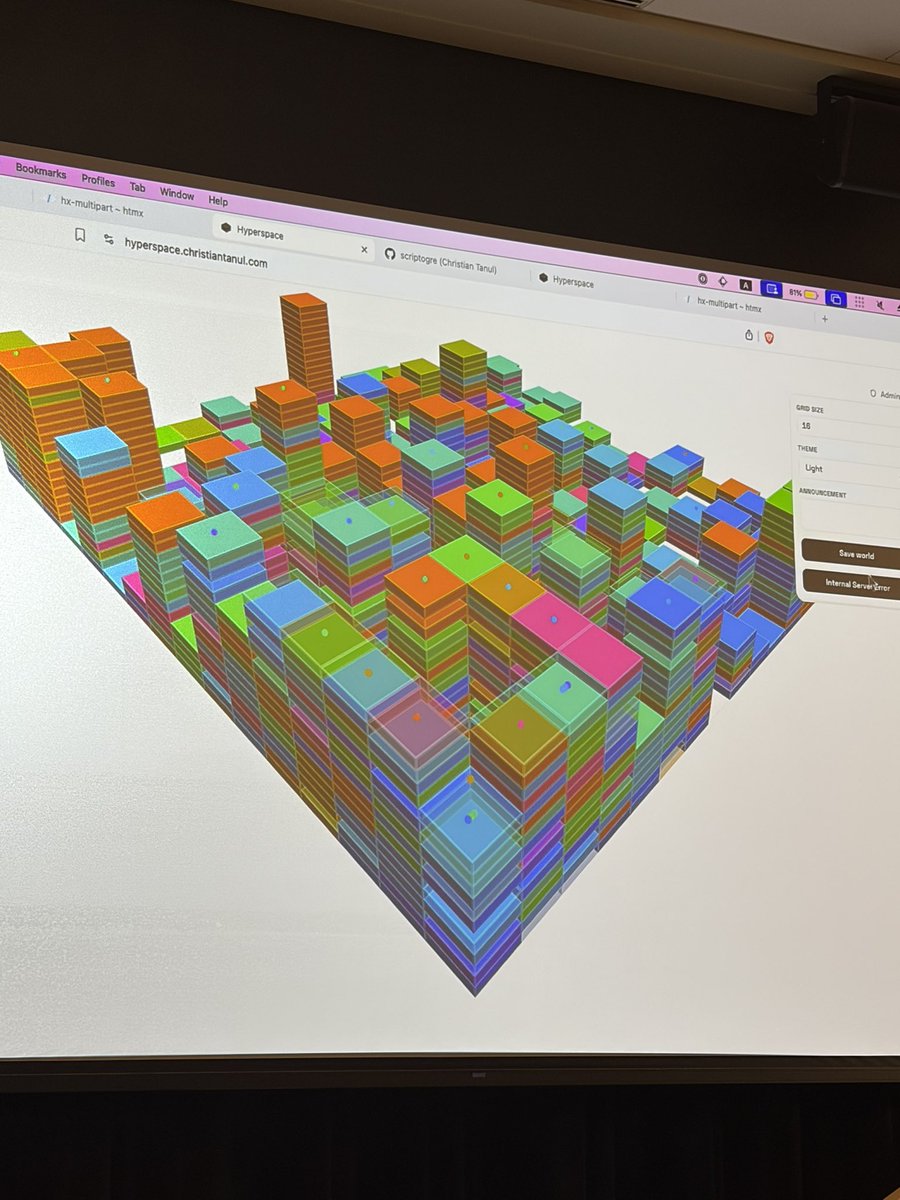
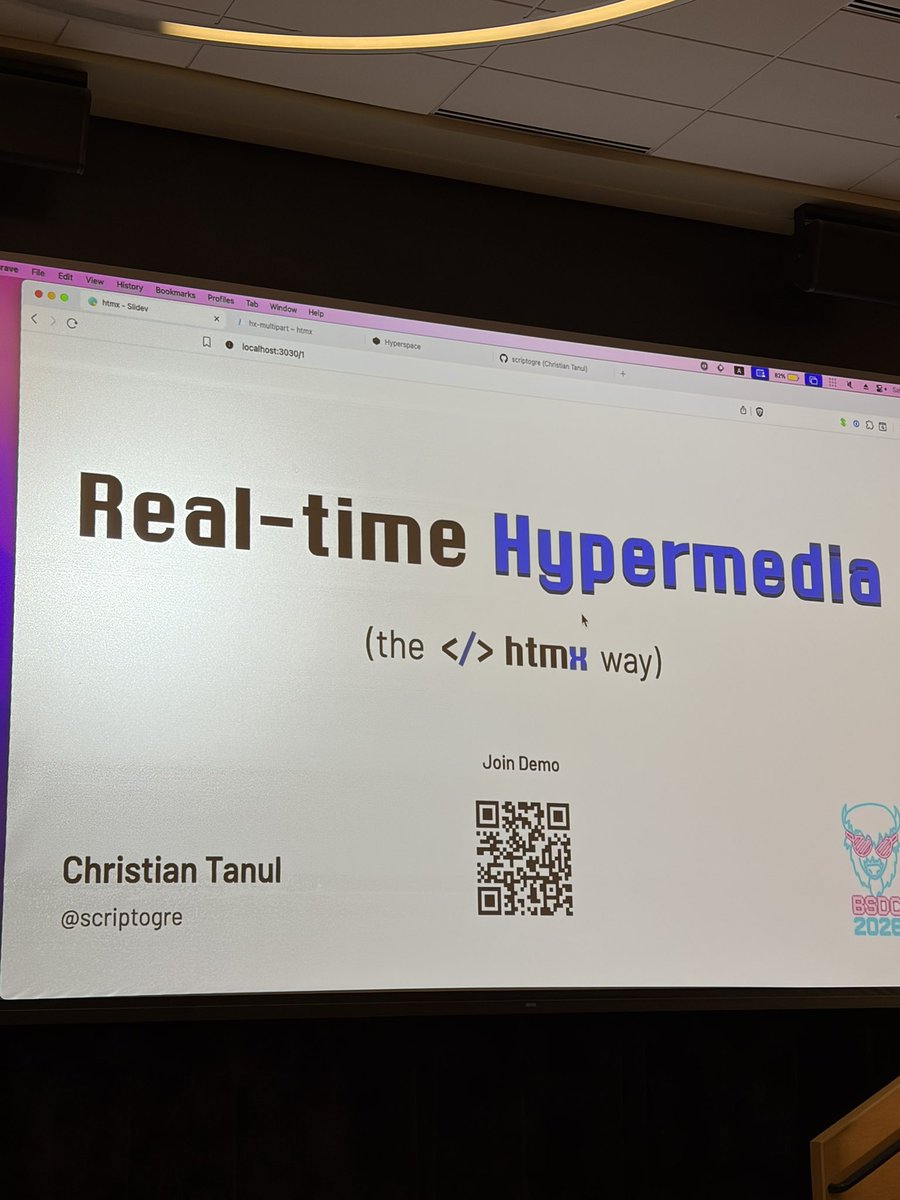
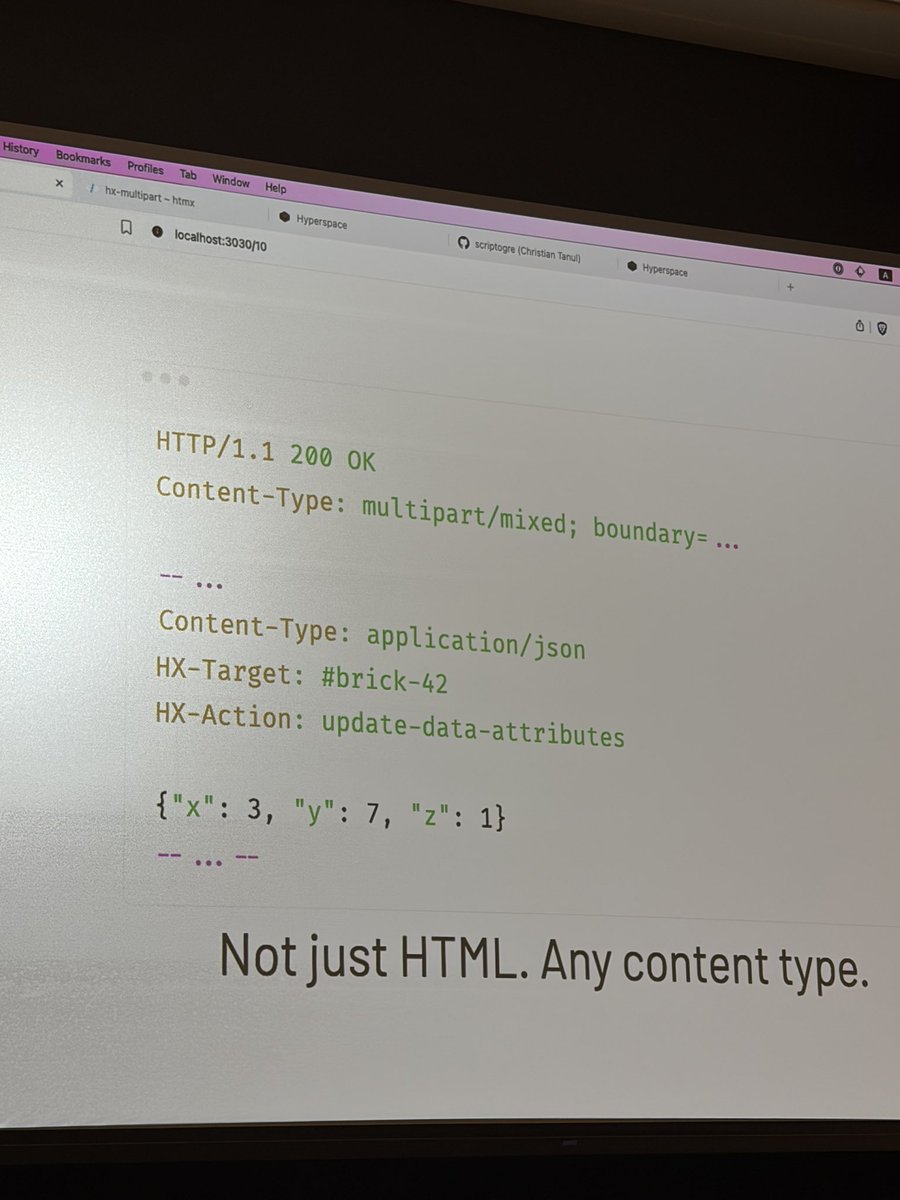
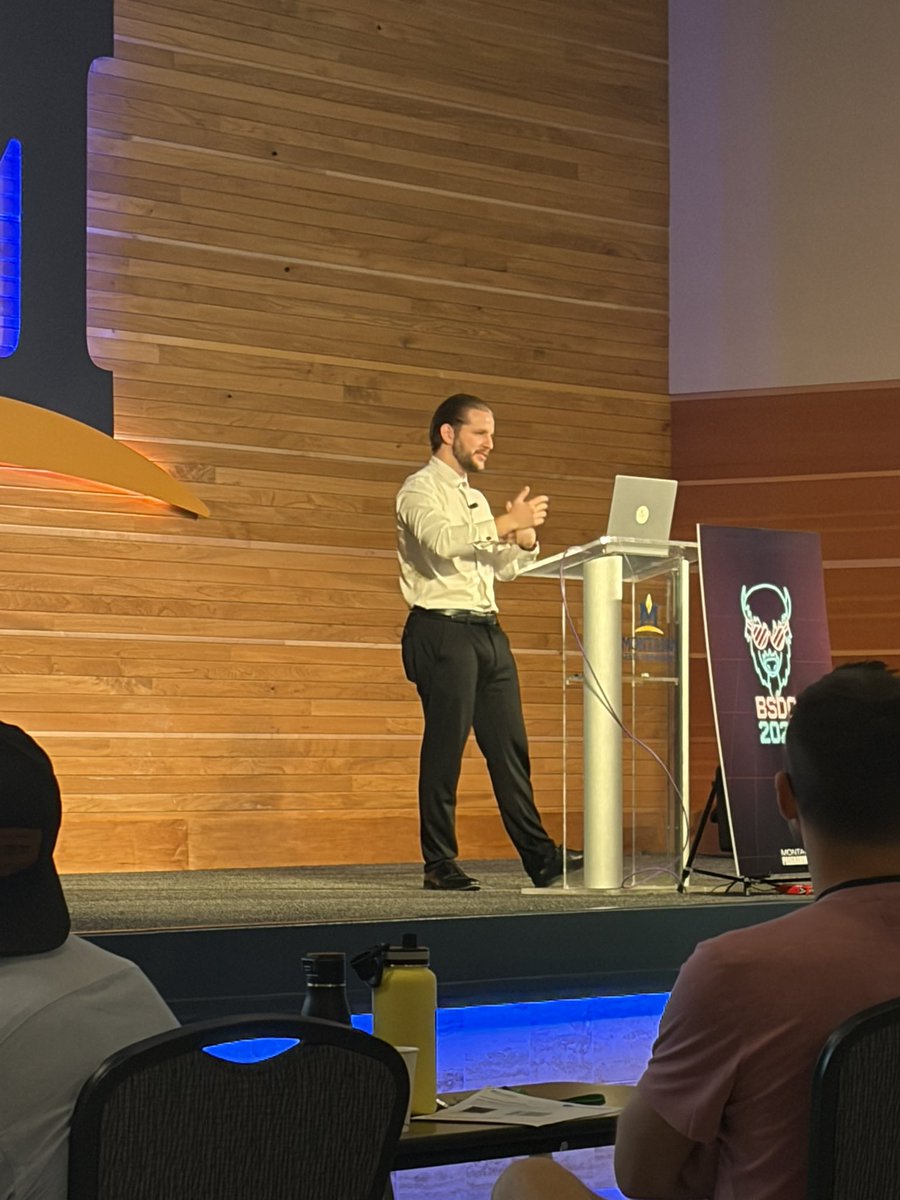
Watching an incredibly cool demo of a real-time, multi-player app that uses no web sockets, no SSE, and no JavaScript.
Just some htmx, along with a content header nobody’s ever heard of from the 90’s
@scriptogre is next-level
Hello!
I'm available to work as a freelance programmer (I'm UTC+1)
If you're looking for a skilled Go/JS/TS programmer to work full stack, backend, ship desktop native or fix your vibecoded app; feel free to get in touch!
==> https://t.co/OlYy9p0LR3 <== (cool stuff inside)
Was learning how TTS training works and the dashboard I used felt clunky, so I built my own.
Got carried away and added a live relay where you speak, it transcribes you and says it back in the trained voice. Even works in Discord through a virtual audio cable
@AdamRackis my last meal in USA was chick-fil-a and it was genuinely really good
on the other hand i also tried your McDonalds here and it's trash (just like back home)
@adam_bobowski ah, the 100 was just repetition for the stopwatch, not one update split into 100 patches. either format can batch.
per patch (SSE → multipart + CL):
8 KiB: 22 → 6 µs
64 KiB: 163 → 21 µs
real parser difference, but tiny app difference...
let me know your e2e results!
@adam_bobowski lol idk if it's worth splitting grains or making blanket statements based on parsing speed...
but if i were to min-max, multipart can also use Content-Length to skip parser scanning entirely
https://t.co/LG0byLrtni
already does this
i don't think SSE has a (native) equivalent
Making the HTMX Game: GB Music
A great way to learn a new tool is to recreate something to understand how it was originally made.
I started with the Final Fantasy Legend theme - the first chiptune I’d turn on my Game Boy just to listen to. This exercise taught me 3 of the 4 sound channels, how to make an echo (later used in our SSH Tunnel level), vibrato, and how to loop patterns.
@adam_bobowski Actually, looking closer, I was too quick there 😄
The multiline cases do show a meaningful gap.
The question is how much comes from SSE’s per-line `data:` handling, and how much from the specific parser implementations.
@adam_bobowski Interesting result!
At microsecond scale, I’d expect both to end up pretty close with solid implementations.
The shape/semantics are the more interesting bit to me.