[Research Update] Key Patent Filing for Adaptive Semiconductor Routing Using Ferroelastic Domain Boundaries
Further details are available on our website, and audiovisual materials to aid understanding will be uploaded as soon as they are ready.
https://t.co/341j6uSjFd
https://t.co/rnklNAAJTM
This video summarizes and transitions over the past three years of research, outlining the progress made so far. It was produced in Korean and supports English subtitles. Thank you.
After three years of research, QMAM has concluded its LK-99 program.
Our investigation of high-purity LK-99 samples found no experimental evidence supporting room-temperature superconductivity. We are therefore releasing our final research results.
https://t.co/bKu53YOmFR
Our preprint, "Lattice Distortion and Localized Conductive Response in Cu- and S-Substituted Pb₃(PO₄)₂ Ferroelastic Structures," is now available on Research Square.
We hope it encourages further research on ferroelastic-domain-related low-dimensional conduction pathways.
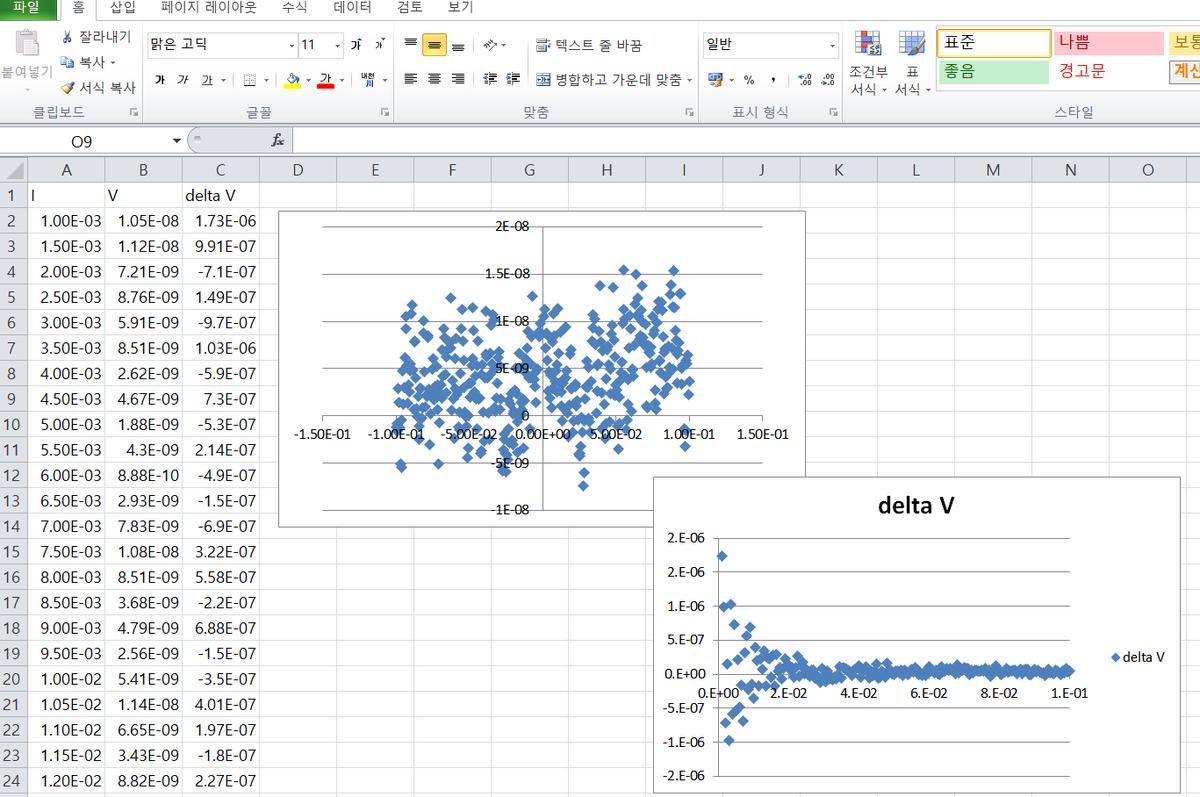
We had to look more closely at the errors in the control variables.
We found an error and corrected it. Magnetic suscebtibility and critical current will be released in later papers.
The video clearly demonstrates the enhanced diamagnetic property of the room-temperature superconductor, also compared to copper.
To show the difference from the formation of magnetic fields due to eddy current, we kindly applied the same method to a copper plate.
Interesting magnetic behaviors exhibited by one of our samples
1.Clearly does not stick to a magnet
2.Keeping a certain distance and it falls when applying force
3.flux pinning or just copper 🤷♀️🤭
listed on our SQUID tests
https://t.co/X6hESNx3KA
2.measurement video of zero resistance for sample#5 [video]:
https://t.co/9hmRATm97j
3.raw data of this paper [raw data]:
https://t.co/qCenhaNwQx
4.measurement video of zero resistance for sample#6 [picture]:
https://t.co/OifWEjdIZ5