Australia was once home to a group of extraordinary animals known as Megafauna. These giants lived for millions of years, but in a blink of time, they disappeared. Starring Griffith's A/Prof Julien Louys, watch Megafauna: What Killed Australia’s Giants on ABC TV tonight at 8:00pm
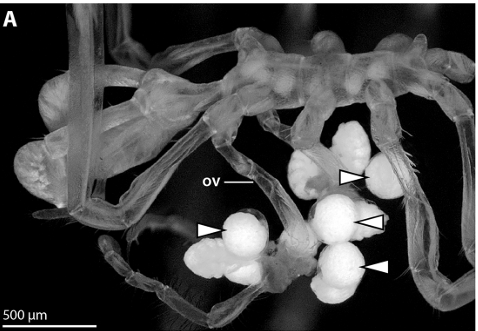
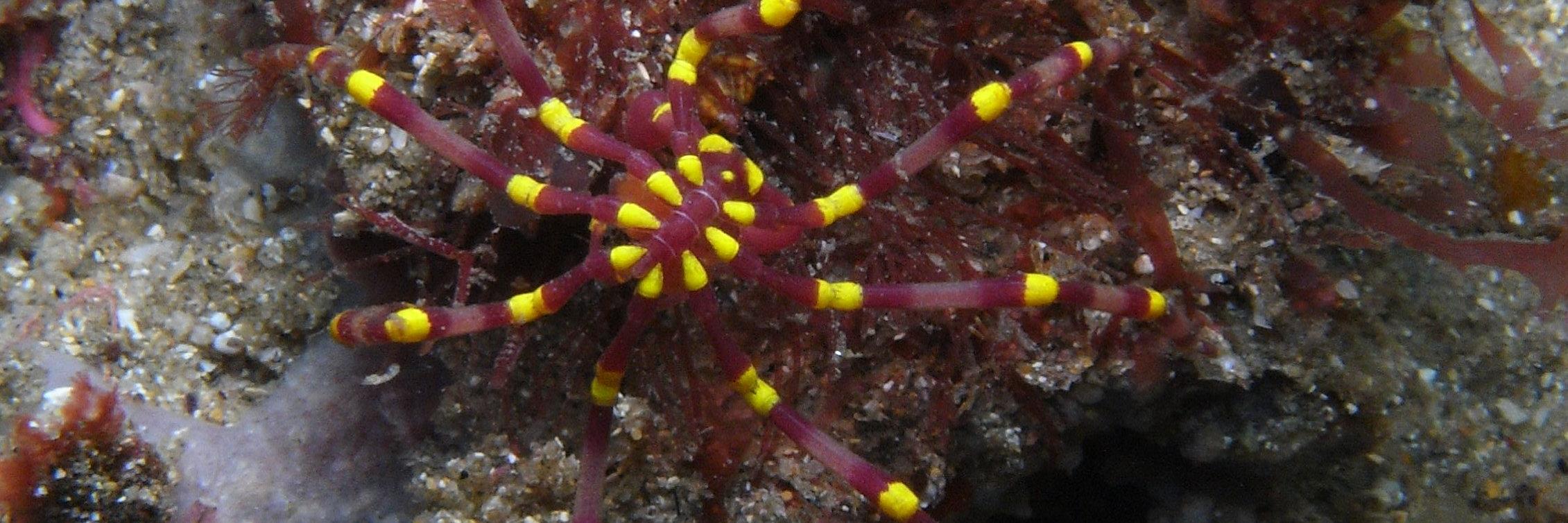
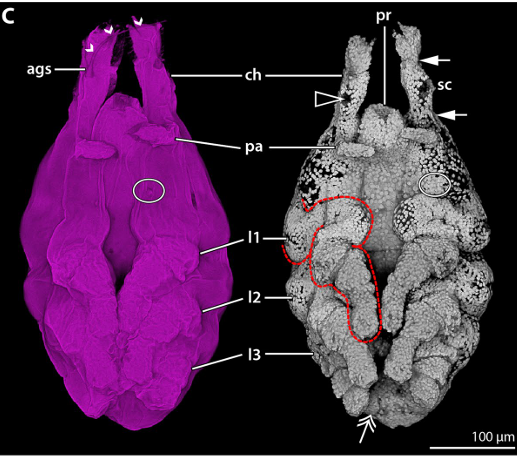
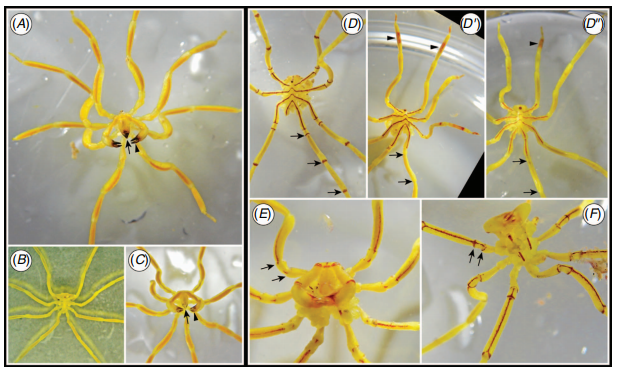
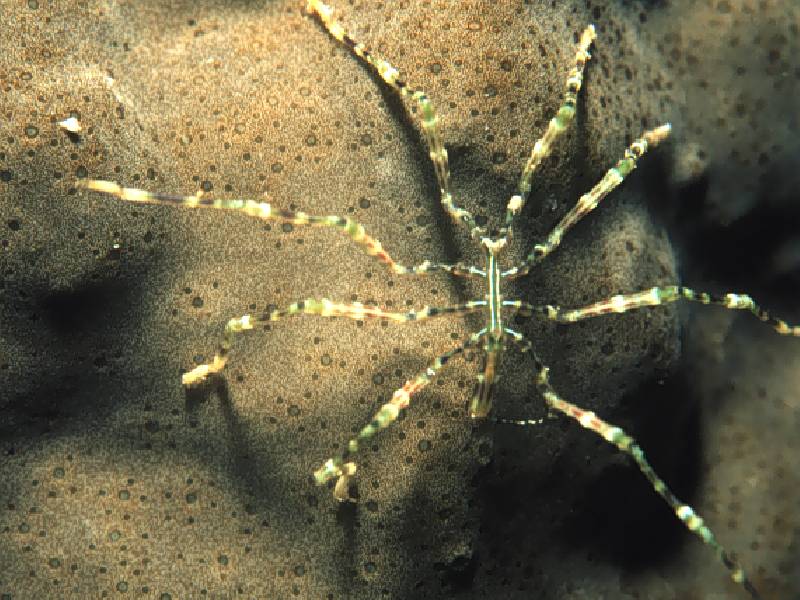
Starting 2024 with a neat paper on tropical sea spiders development and how to make the most out of ethanol preserved marine inverts https://t.co/QW43MDKplG
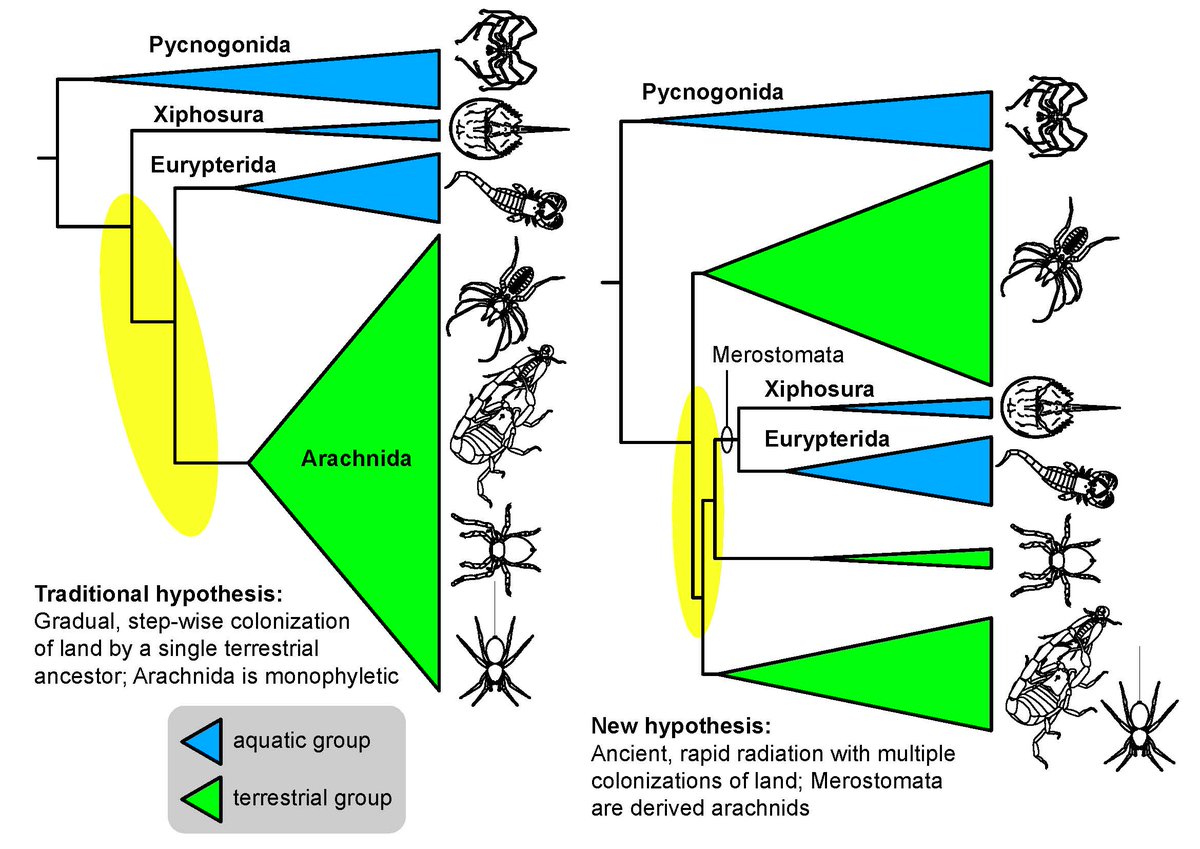
Big news! massive analysis shows that horseshoe crabs and their fossil relatives are derived arachnids, it'll take time to digest...
https://t.co/KQ0Byln2CL
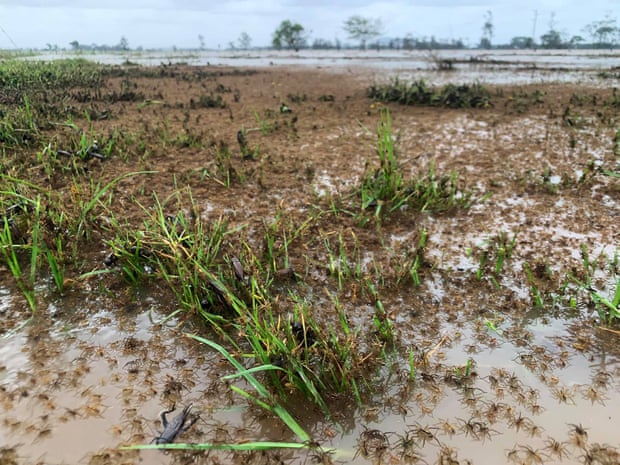
Wondering what this sea of spiders is made up of? 😱 🕷️ Arachnologist Dr Robert Raven said they are wolf spiders trying escape floodwaters. They typically live in burrows in the ground and eventually they will try and escape the water by climbing up plants.
📸 Matt Lovenfosse
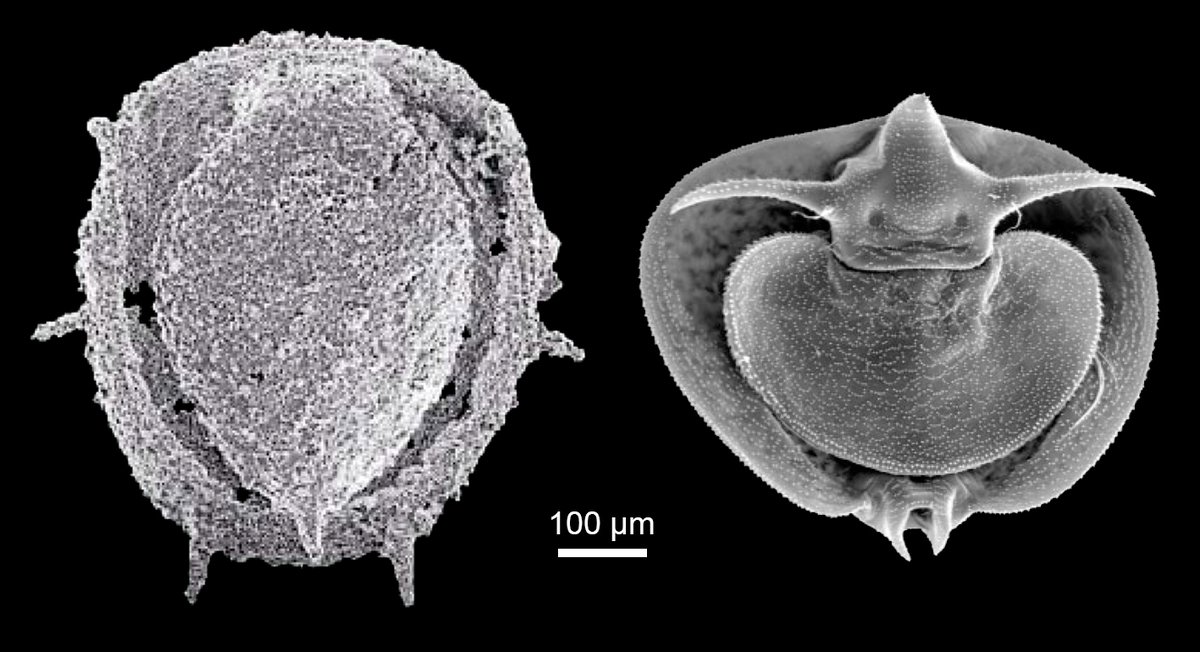
1/2 #TrilobiteTuesday exoskeleton calcification occurred soon after hatching in trilobites, allowing the fossilization of early post-embryonic stages. Some of these larvae had huge hypostomes protecting the ventral soft parts, and resembled the nauplii of some modern crustaceans
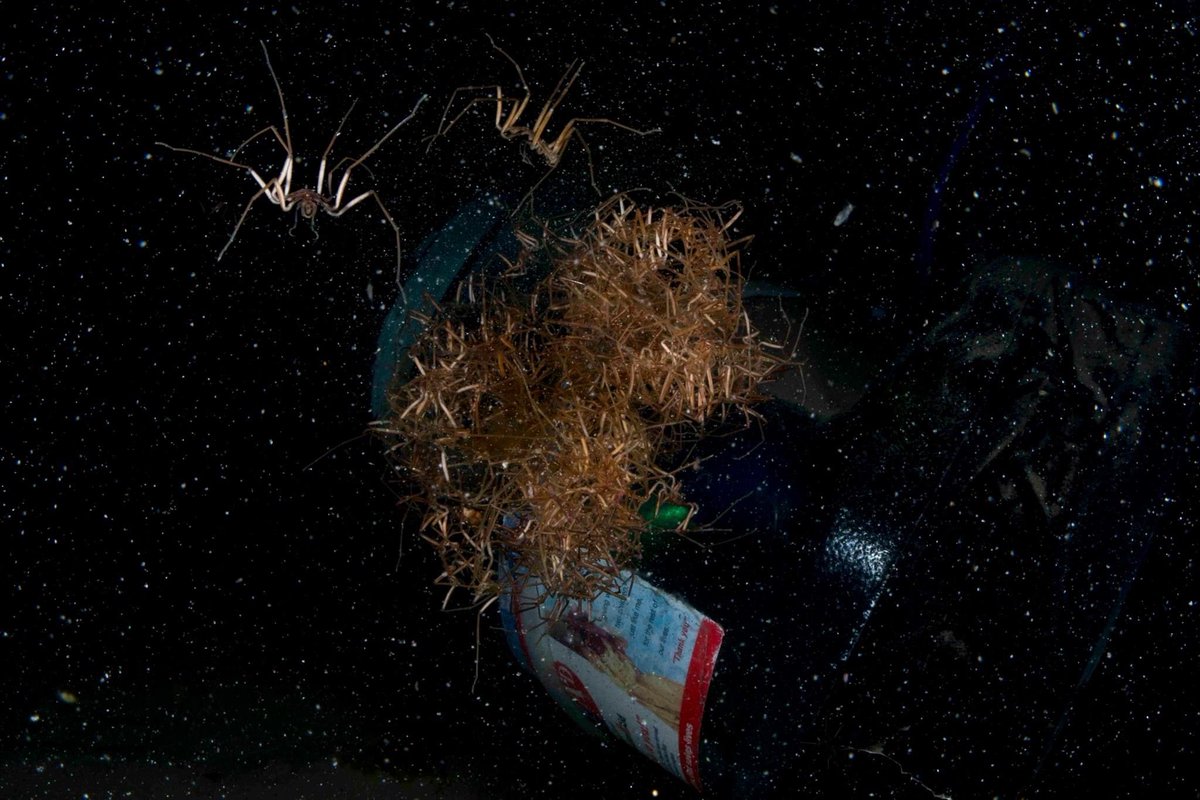
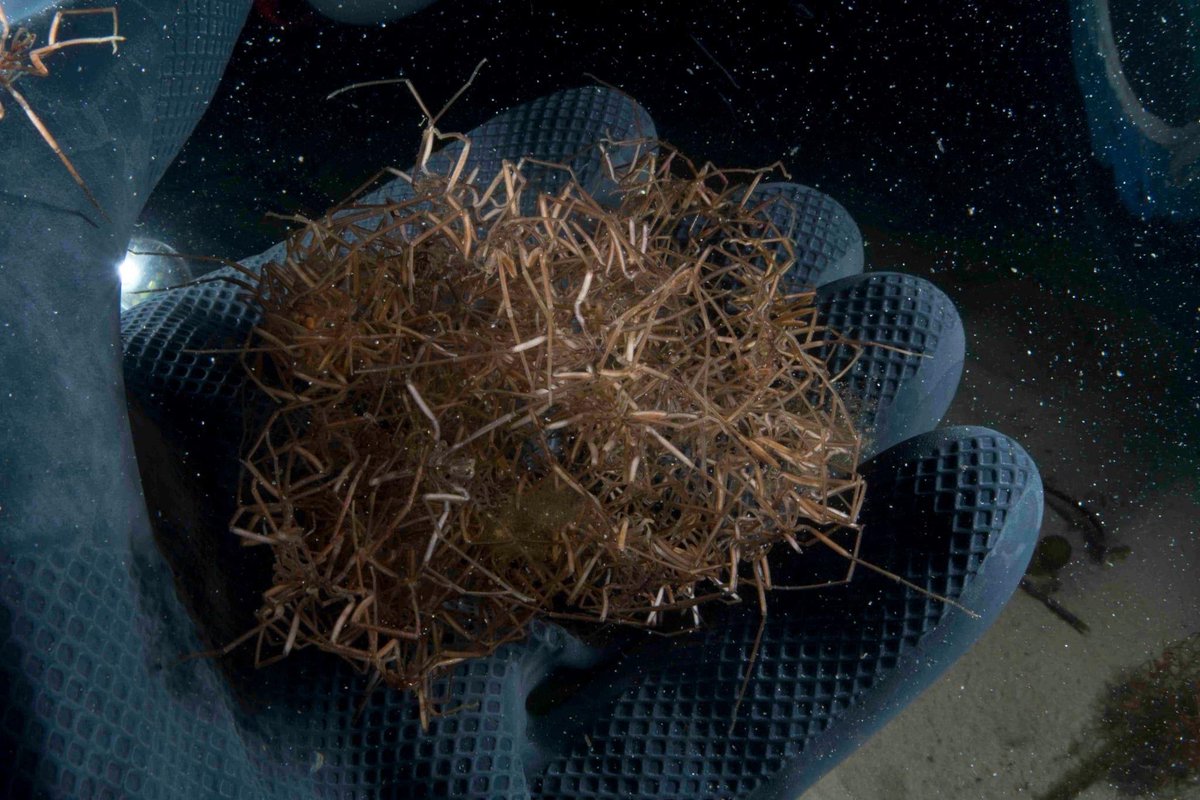
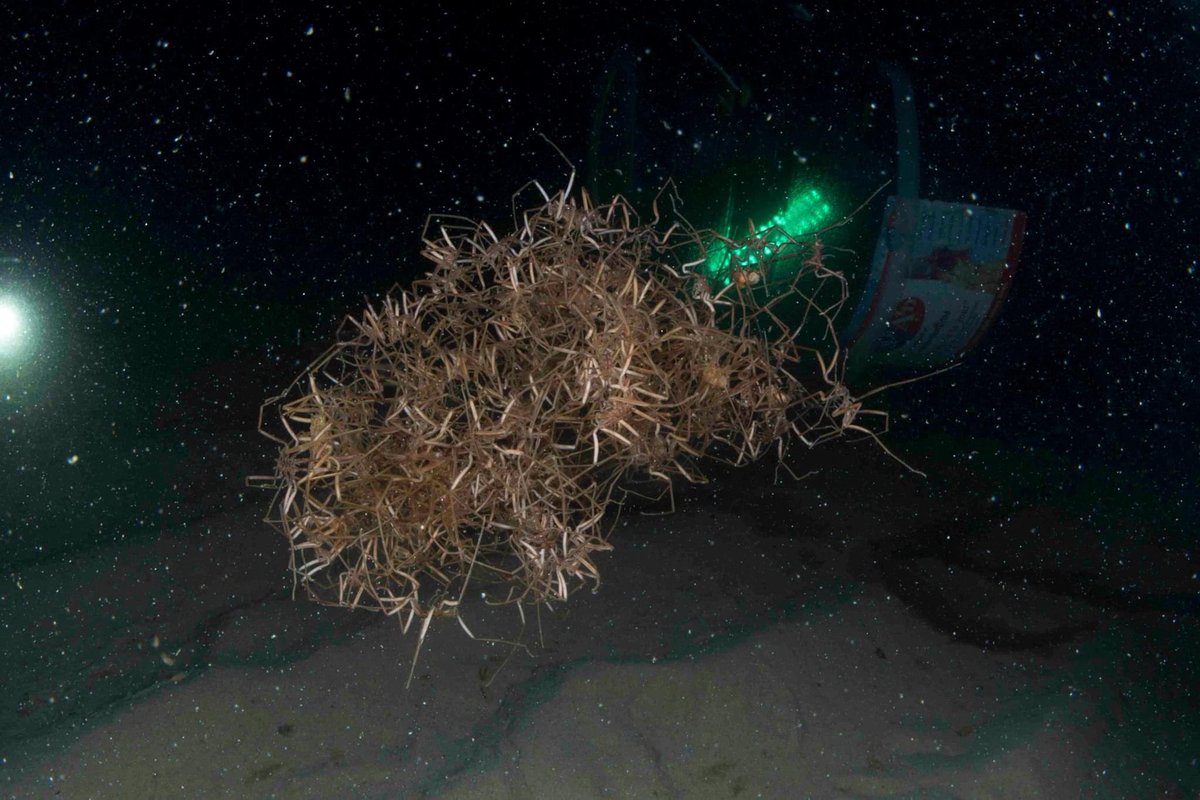
@SteveTrewhella1 I've got some buckets of them - they are a bit bigger though...3 x 25 L buckets of Colossendeis. Interesting that they may gather occasionally (deep-sea as well as shallow!). Feeding or breeding?
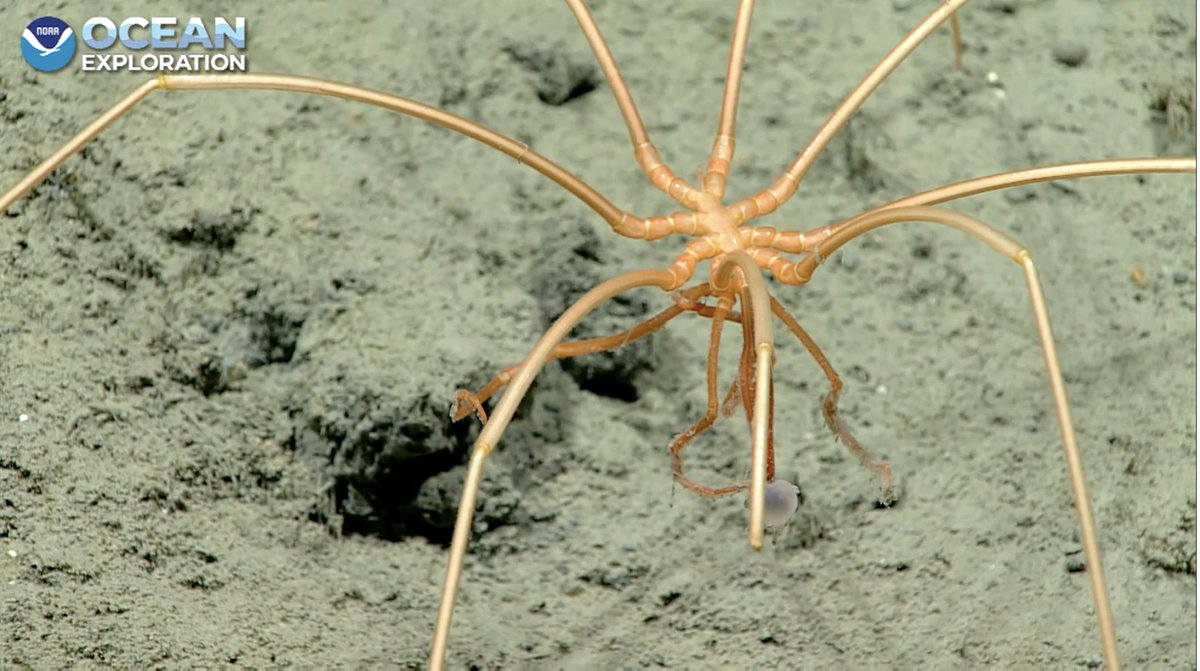
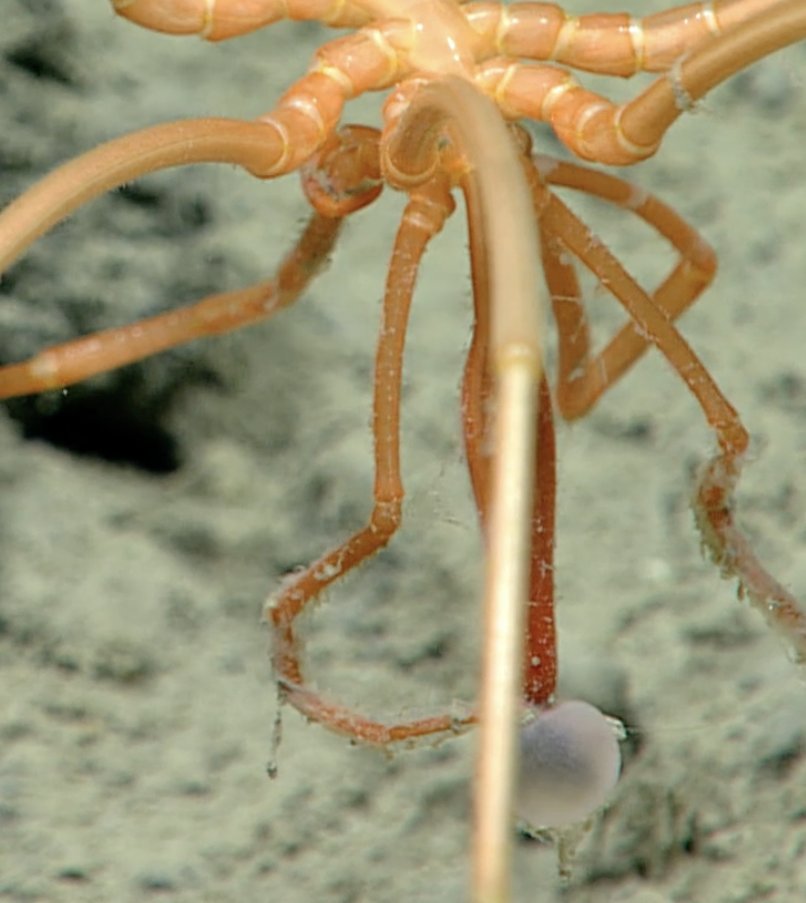
BLUE LEGS! A gorgeous pycnogonid from the Coral Sea with eggs! Males carry eggs in sea spiders as I understand it. Image by Rafi Amar #flickr https://t.co/hq6sFLOB3V