I continue to enjoy shooting in C-Log3 on the $500 Canon R50v.
I think of all of the people tasked with creating social media content for small towns. You can create amazing content with what you have. It's more about the story and how you shoot than all of the latest gear.
A race lasts a weekend. A well-written story keeps working for years.
Social posts fade. Algorithms move on.
An SEO-friendly article keeps attracting riders, visitors, and sponsors through search while telling the story of your community long after race day.
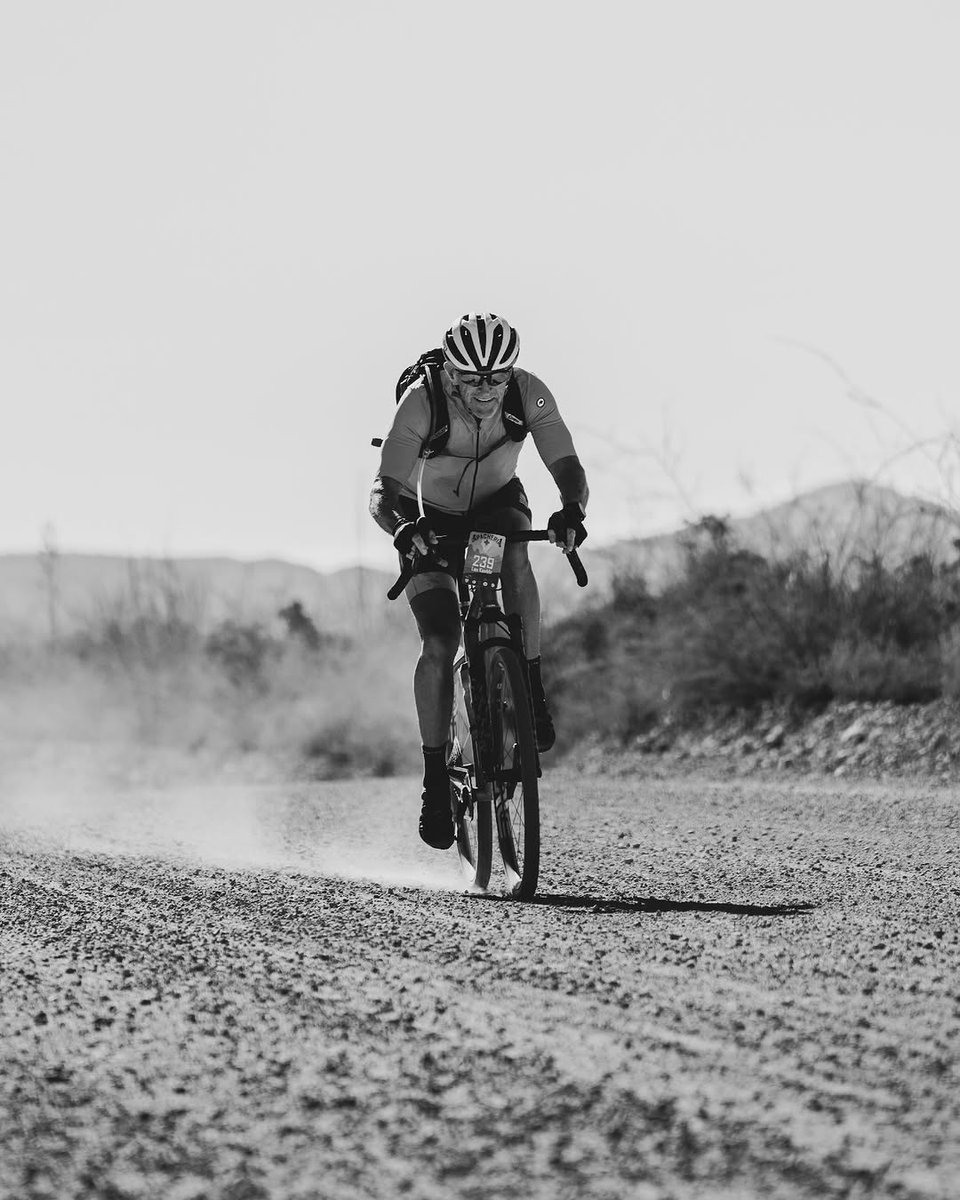
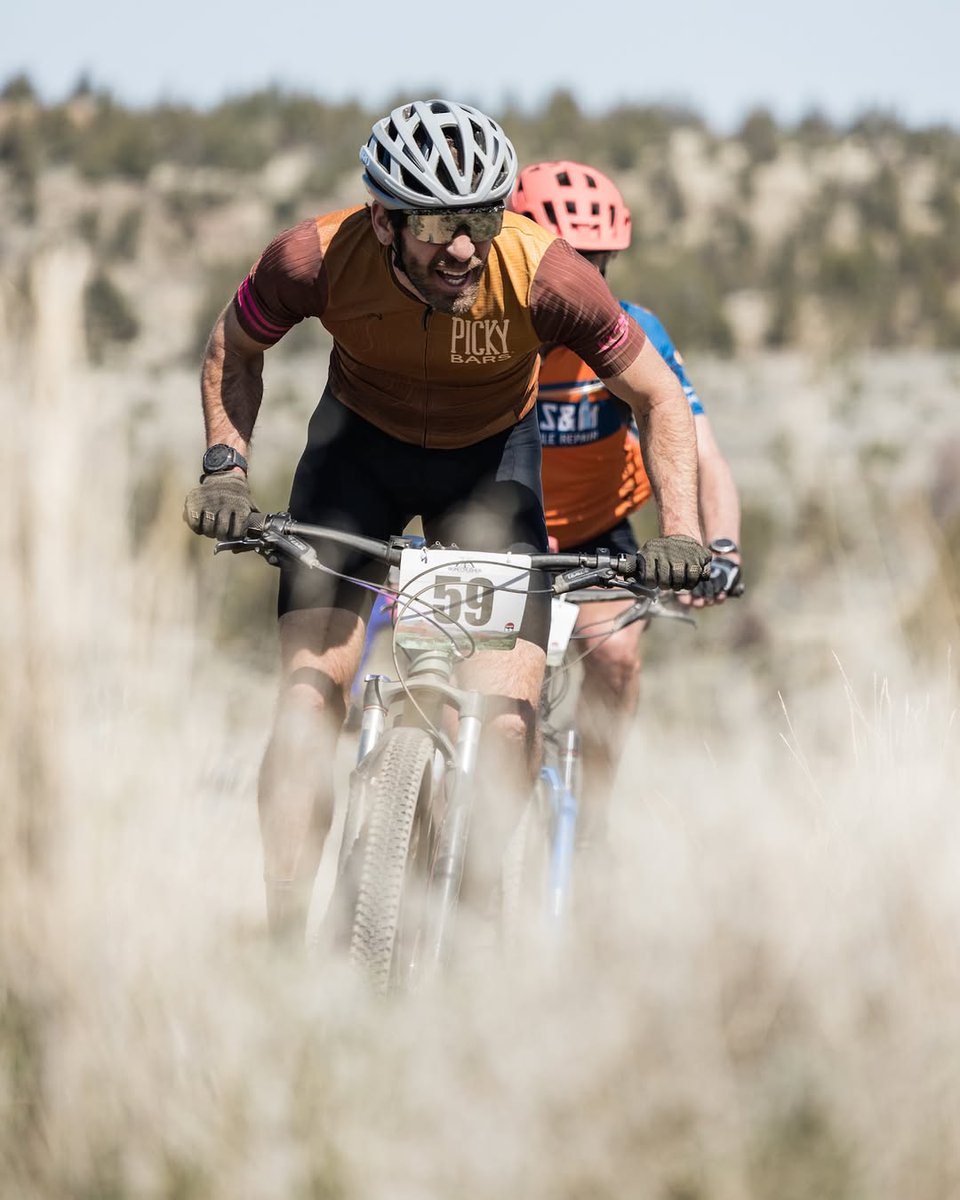
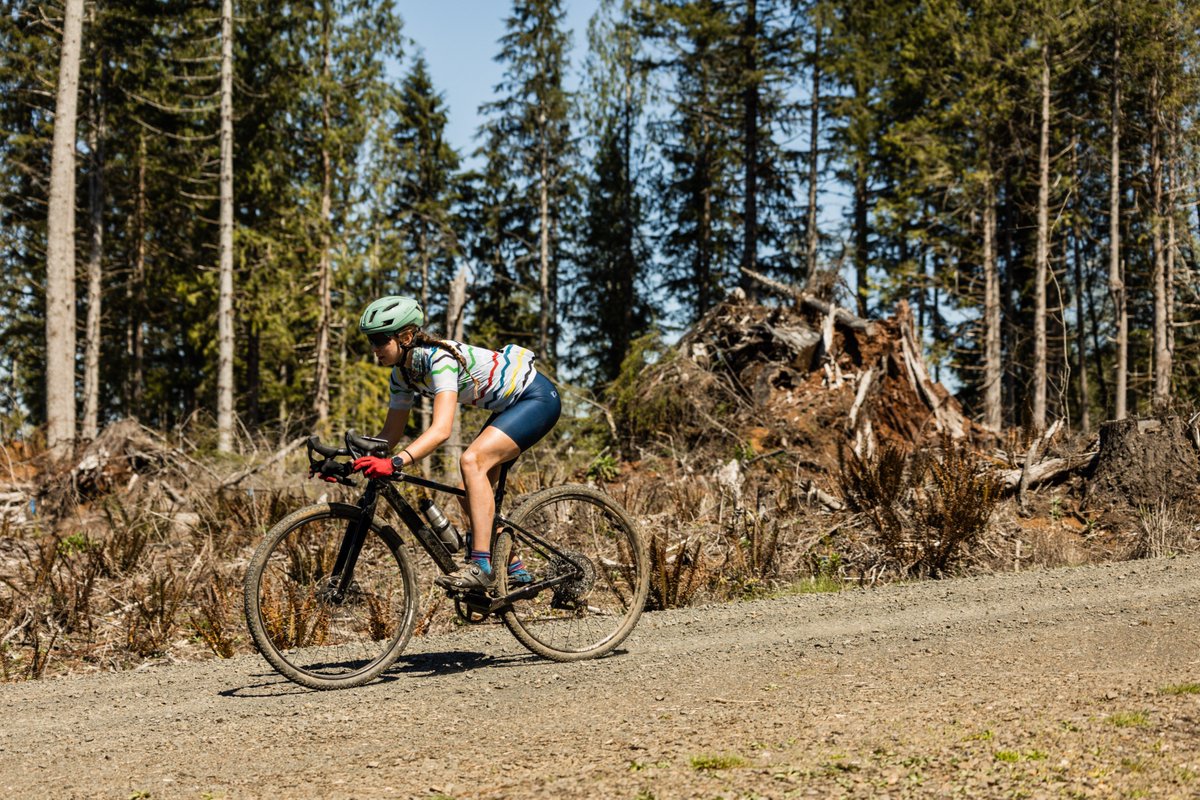
I've shot photos for more races than I can keep track of, but I'd never done what I call "race media coverage" until recently.
Recording/editing/uploading 3-5 videos throughout the day, with photos sprinkled in, has a powerful effect on reach and visibility.
It's a multiplier.
I have a theory.
A strategic, consistent social media presence could put almost any rural community on the map.
After years documenting trail orgs, cycling events, & rural communities across the American West, one thing has become increasingly clear ... https://t.co/dJ2yeJR0c1
Trail organizations don’t have a social media problem. They have a capacity problem. That’s why I created a free Social Media Playbook with practical content ideas, storytelling tips, and a simple workflow. Get it free when you subscribe to my newsletter: https://t.co/iEktAKS8yp
Every race has two experiences.
The one riders live.
And the one the internet sees.
If you only document finish-line photos, you’re leaving the most powerful marketing asset on the table.
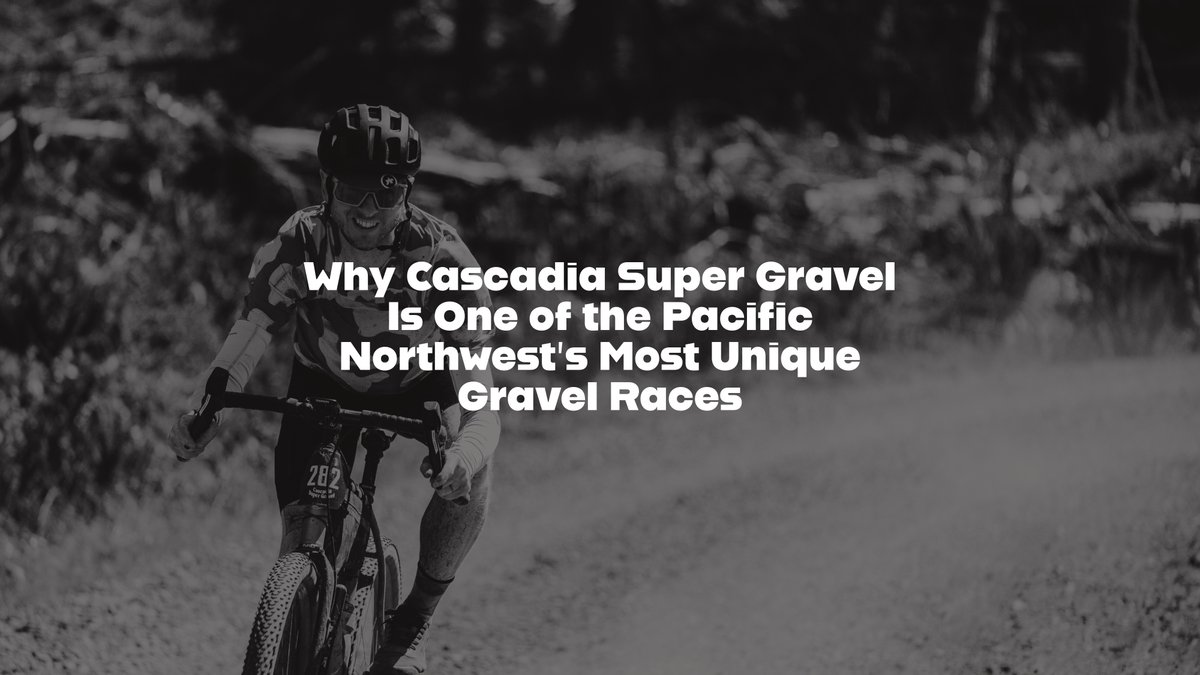
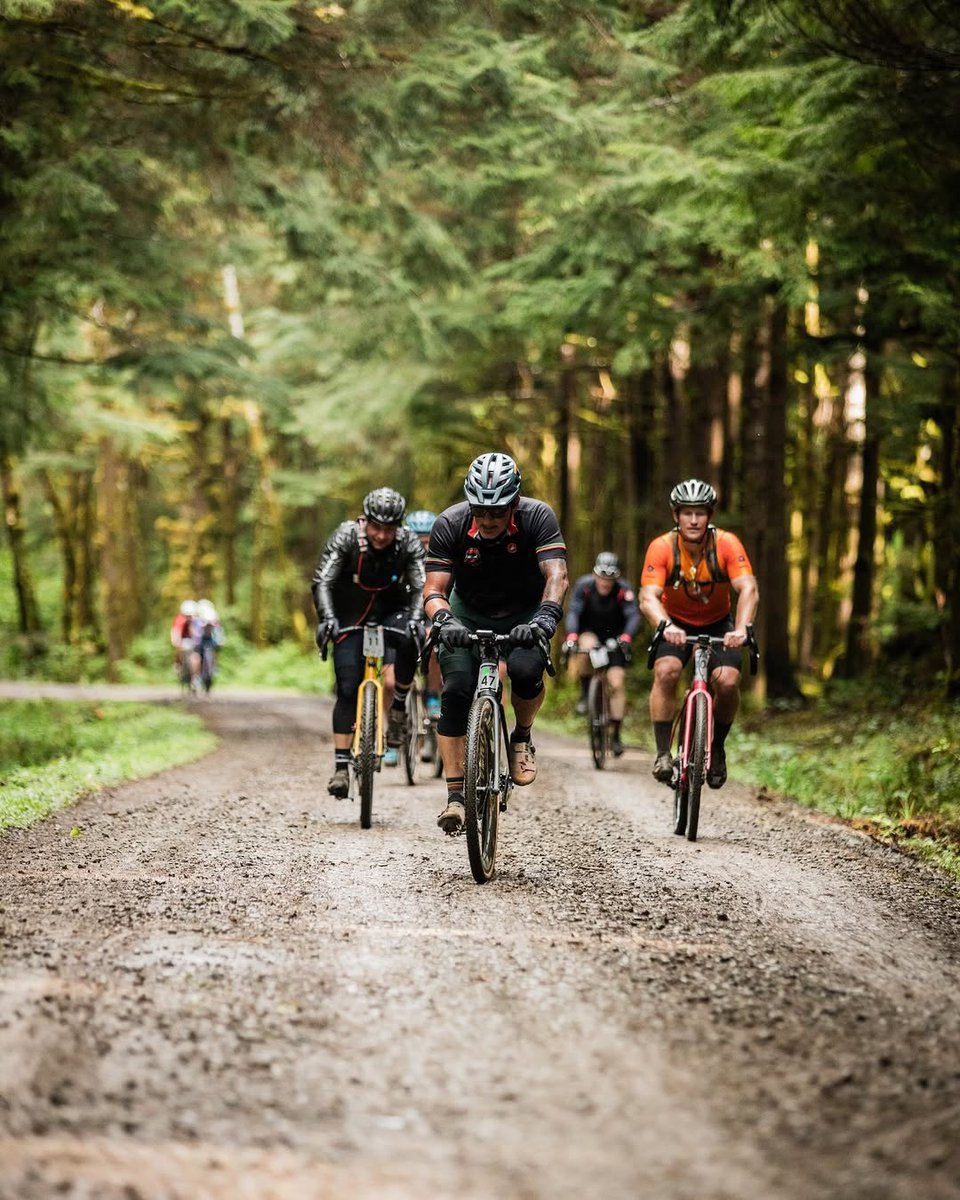
I’ve photographed a lot of gravel races over the years. One question keeps coming back:
Why do some races become destinations while others are quickly forgotten?
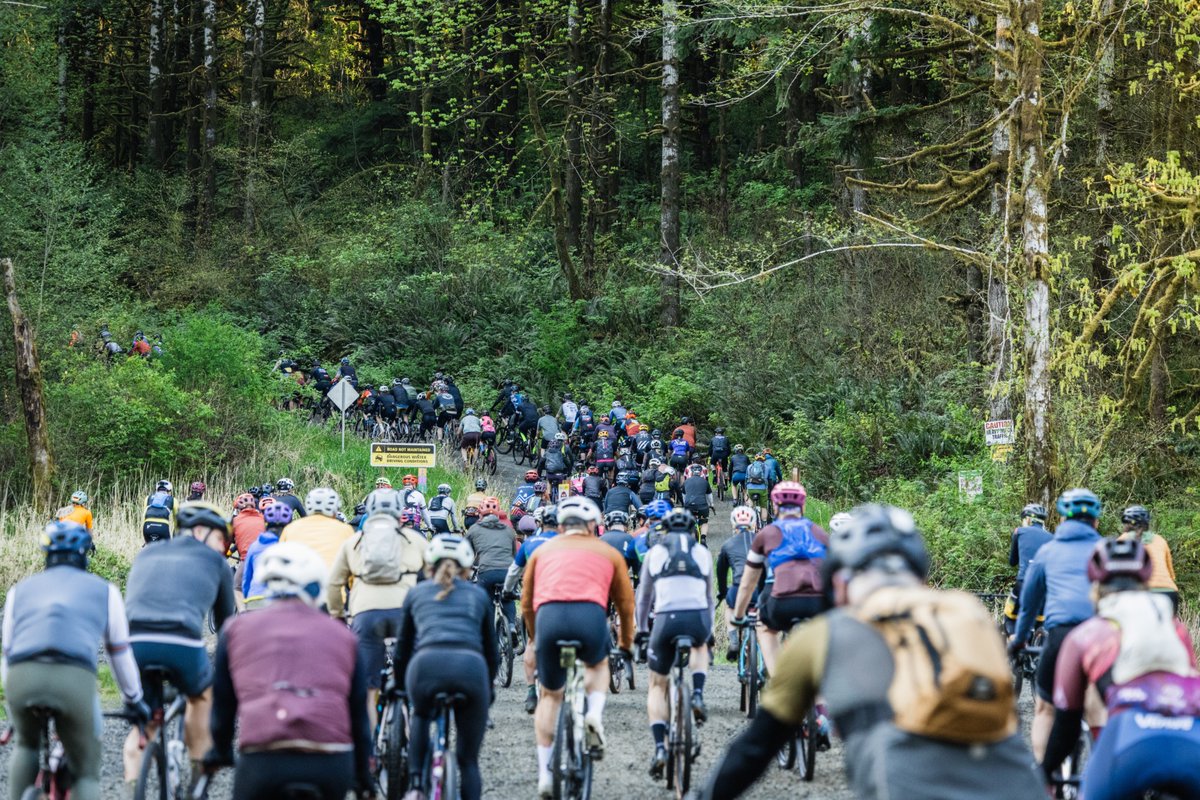
After photographing Cascadia Super Gravel, the answer has very little to do with the podium. https://t.co/1ifcQRReNX
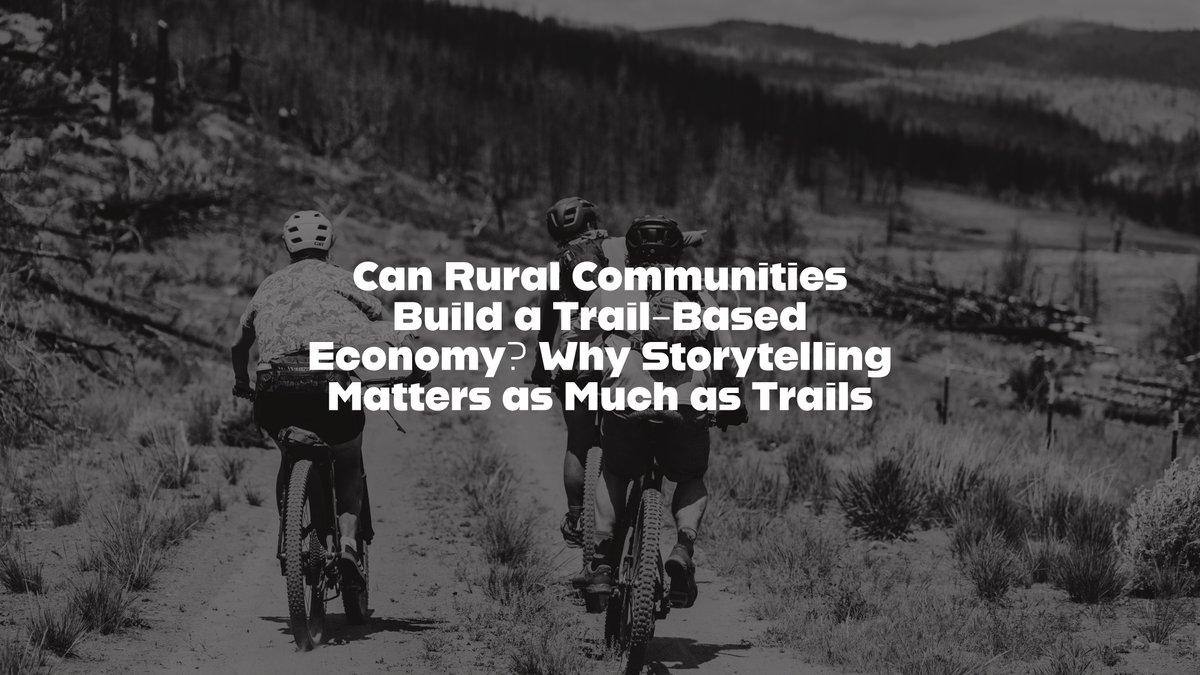
Does a community need to become the next Moab to build a thriving outdoor economy?
I don’t think so.
The better question is: What outdoor assets are already sitting in your own backyard? https://t.co/uZkVaDsJEd
Everyone talks about Unbound.
What interests me is Dufur, OR.
A town of just over 600 people has embraced gravel cycling, hosts one of the PNW’s premier gravel events, and now even features cycling maps on its website.
The lesson for rural communities? https://t.co/vyGbH4y3TR
Unbound attracts roughly 5,000 riders and generates millions in economic impact for Emporia, KS.
Not every town needs an Unbound.
But it does raise an interesting question:
Can cycling events help create economic opportunities for rural communities?
It’s easy for small towns to look at places like Bentonville or Moab and think: “Well, sure ... but we could never do that here.”
Truth be told, most communities are looking at the finished product instead of the starting point. https://t.co/9YLXIbD5sc
Small towns understand the immediate economic impact of events like bike races. Hotels fill up. Restaurants get busy. Coffee shops see a rush of customers.
But there’s another layer of value many communities still overlook: visibility. https://t.co/VZZKtd3zeH
What started as shooting photos for this gravel race has grown into something wonderfully more.
I get to work with the City of Douglas (Arizona), helping promote tourism. I even went birding for the first time and wrote about it (I had no idea what I was doing).
Be honest.
Do you actually need better camera gear … or just more intention?
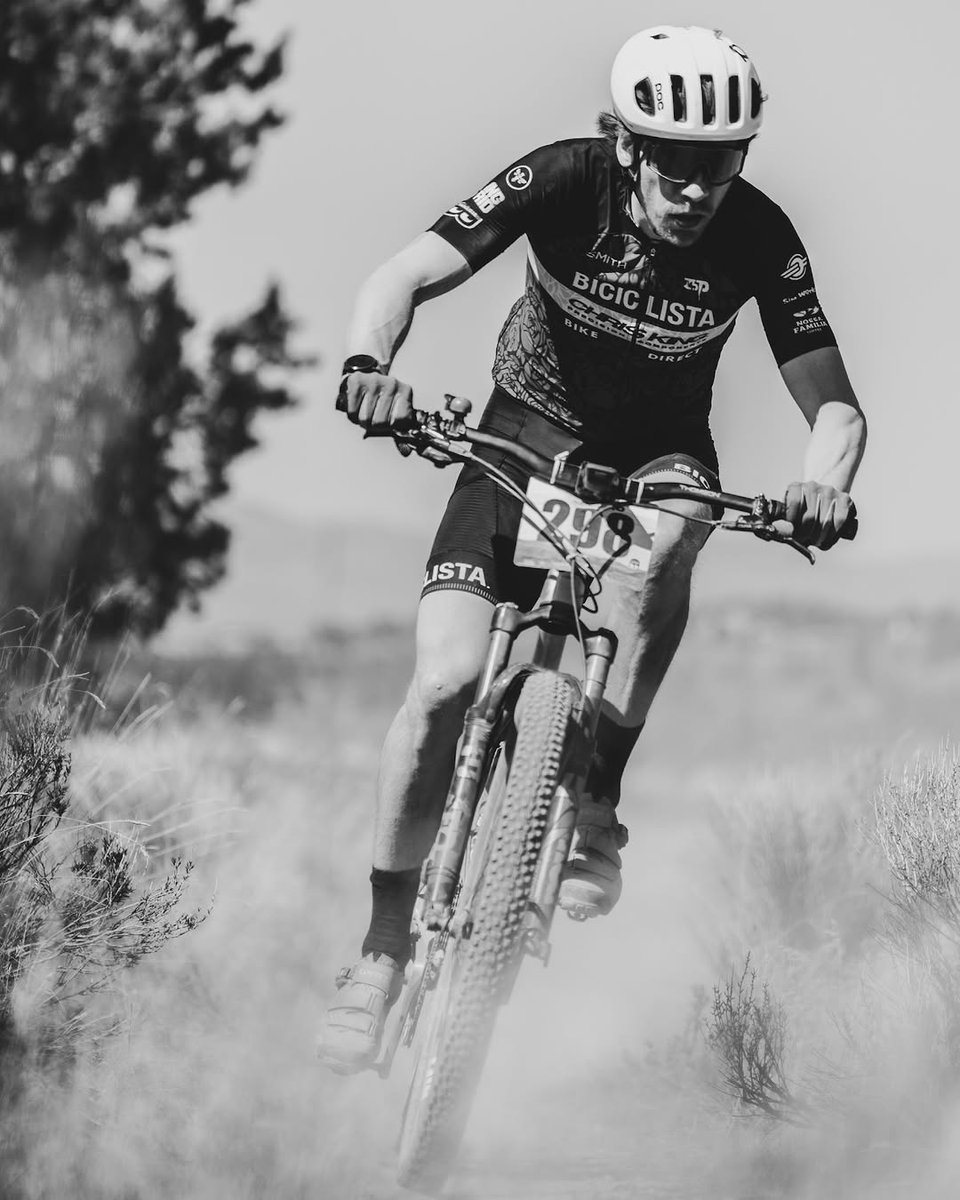
This past weekend, I shot a mountain bike race using a $40 camera.
At first, it was frustrating.
But then something shifted. https://t.co/q3PpH2vdyq