There's a lot of eagerness these days to define people by the worst thing about them. I'm just not very good at that. People are complicated and messed up and you have to be forgiving and hopeful to deal with any of us.
Some ancient idol worshipers believed lower divinities would rather inhabit idols than remain formless. But what benefits could you really expect from any demon desperate enough to dwell in a crappy facsimile you carved yourself? More likely you're stuck babysitting its broke ass
Yesterday's spell was from The Greek Magical Papyri. 700 spells collected in the early common era. You'd buy one of these spells in the marketplace, perform the ritual, fill in some blanks in the spell, and then wonder if you got your money's worth.
https://t.co/GqjXlE2kNV
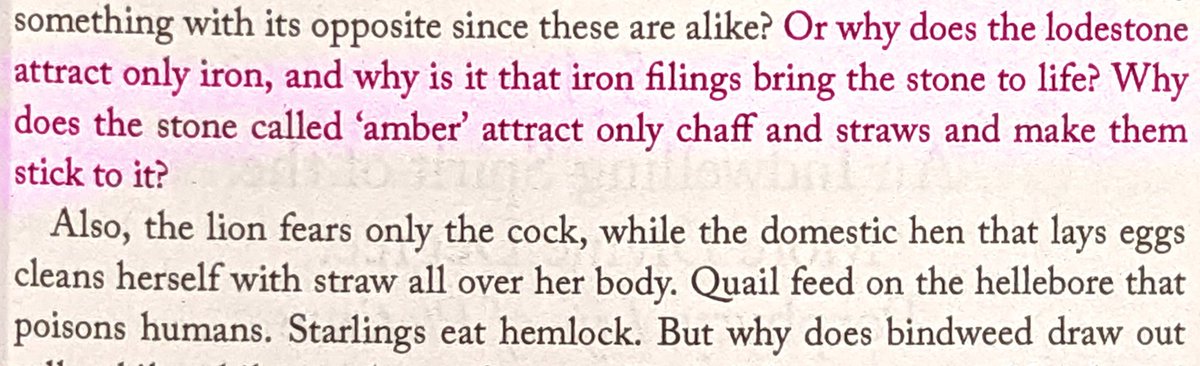
Sometimes I feel clever for knowing the answers to questions like magnetism and static electricity that drove the ancients batty (this ~200 CE). But I didn't figure anything out myself. Someone just told me about it the way they used to tell you Neptune caused earthquakes.
Ptolemy lays out the obvious effectiveness of astrology: if the sun and moon have undeniable influence on the Earth, so must the stars and planets. Duh.
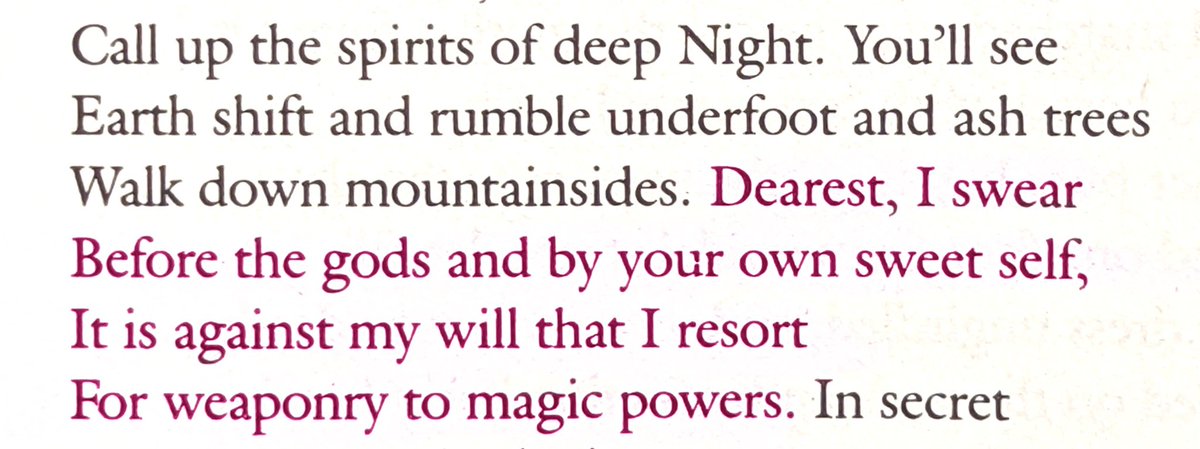
It's rude to trick your sister into helping you build your suicide pyre by telling her a sorceress showed you this cool spell that will win back the love of Aeneas, but Dido did it anyway.
Hippocrates was on to those charlatans claiming to use magic to cure epilepsy. Of course, his medicine wasn't any good, either. But there's a difference between knowing you're lying and just being ineffective.
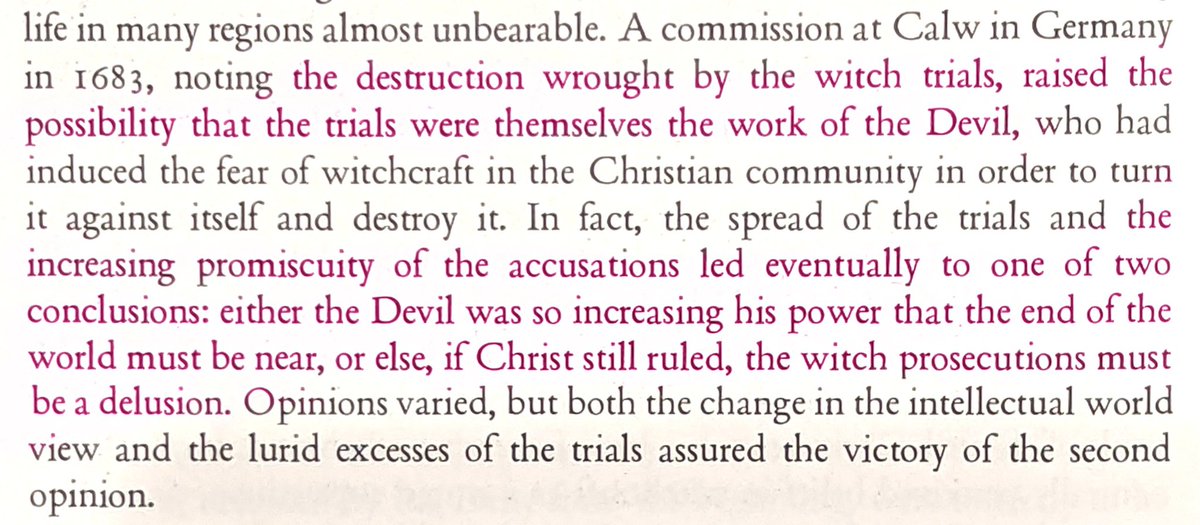
Zoroastrianism had something Israeli religion did not: a big Evil Spirit to oppose God's purity and add some drama. But under Persian influence Satan got bumped up to fill this role in the period between the Old and New Testaments.
Magic used to be everywhere. It didn't disappear, it just lost its explanatory power and now it's crammed in the back of the junk drawer. But once it was a casual way of understanding nature's invisible connections.
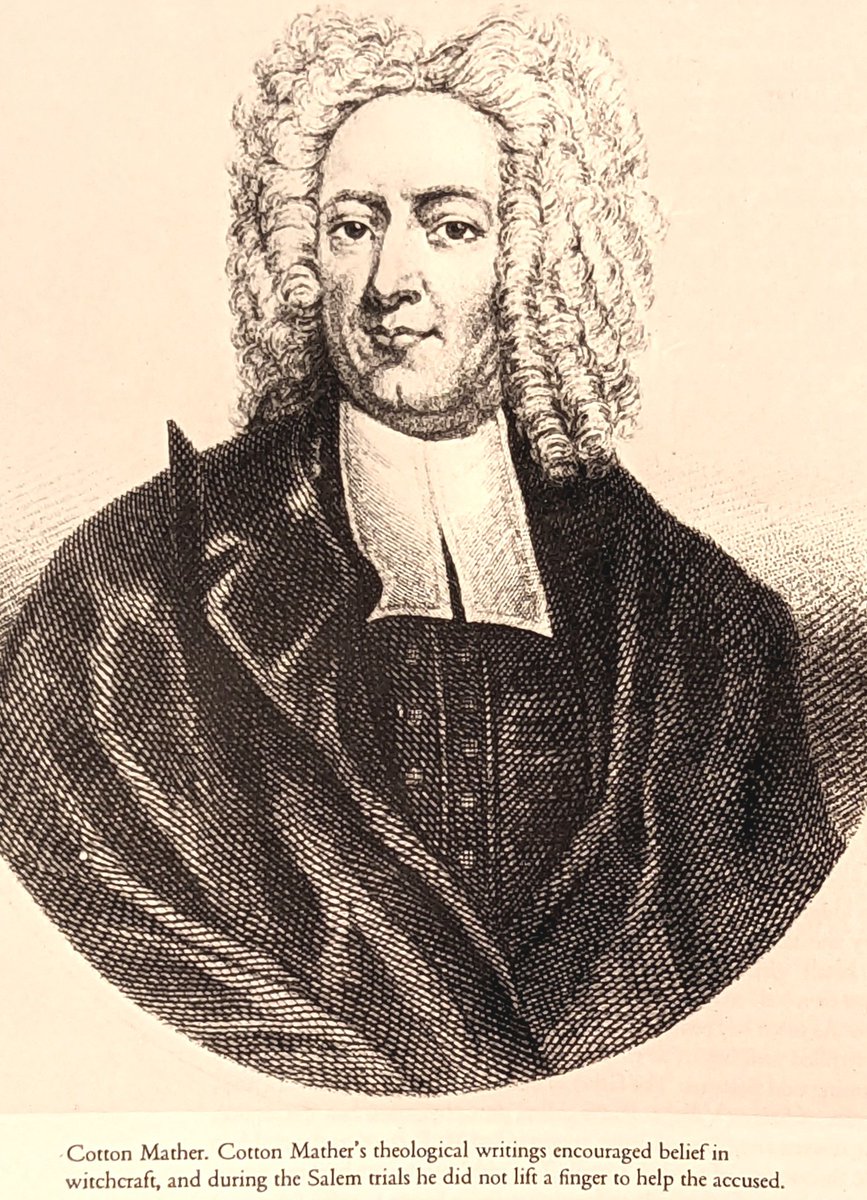
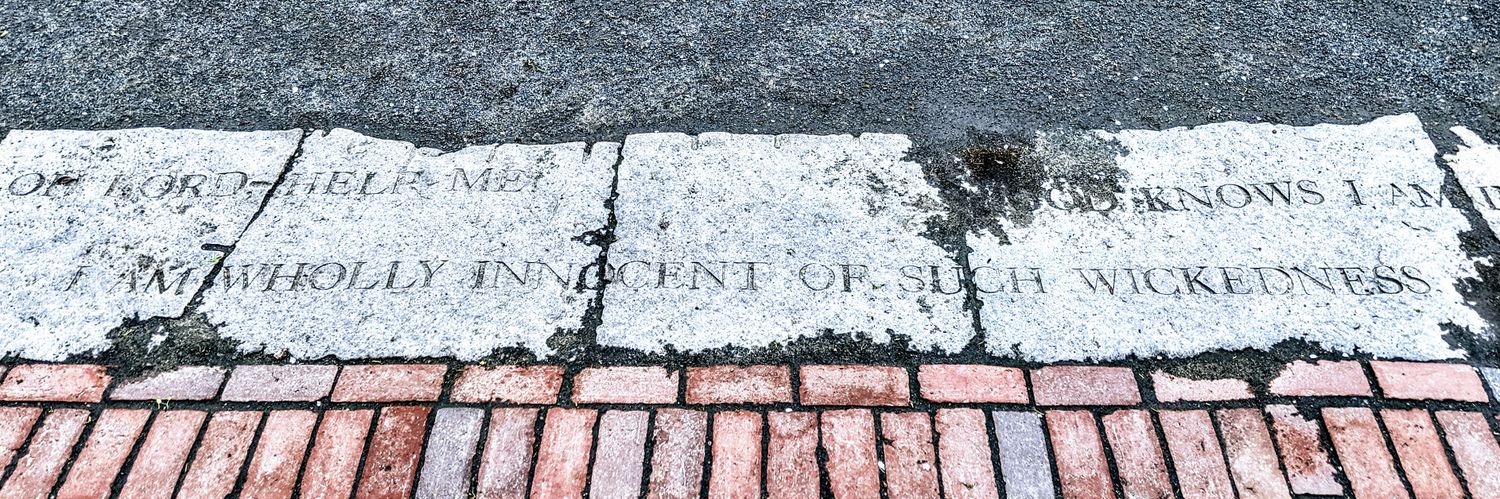
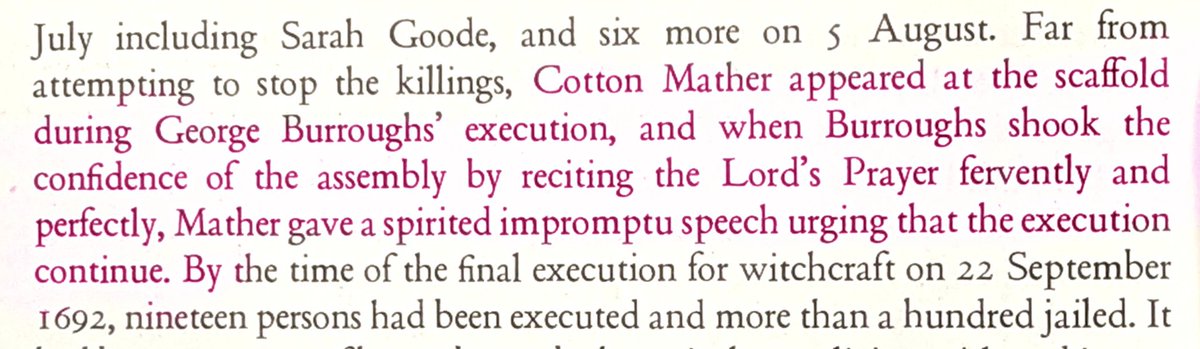
You know, I've always hated Cotton Mather. Gave token nods to caution in witch trials, but he never saw a witch accusation that didn't look like a good witch execution.
English conceptions of witchcraft lagged behind the continent for centuries, but by the 1560s, having invisible pets named Sack and Sugar or Jack and Jill could get you hung.