Working in a heavily regulated space has possibly rewired my brain.
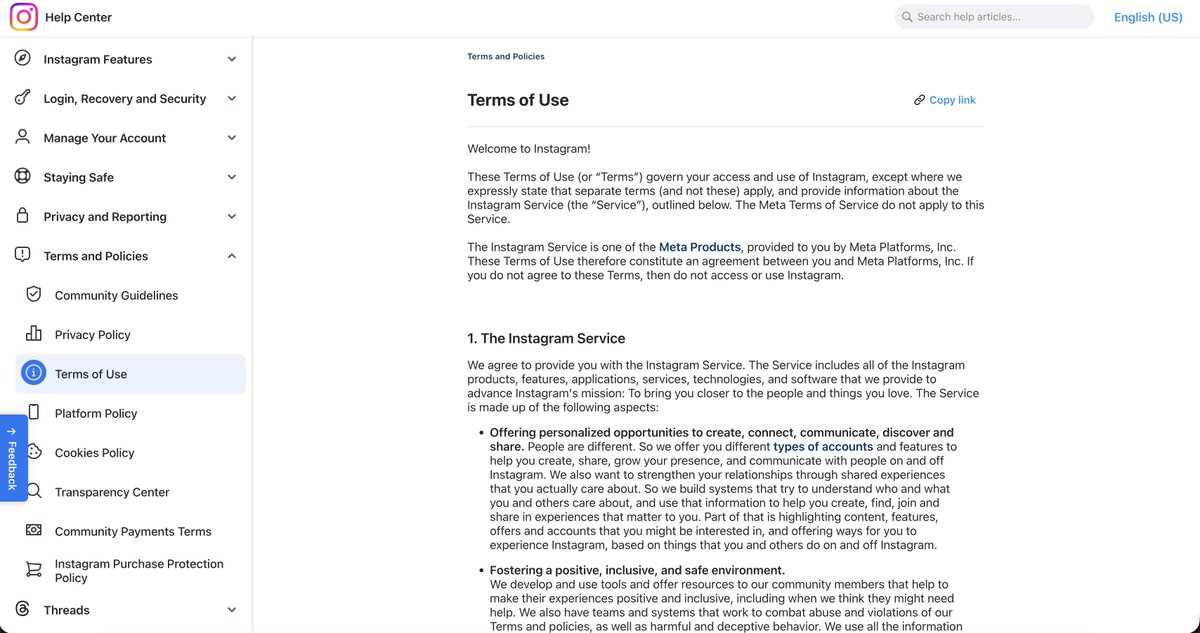
I used to ignore T&Cs and Privacy policies like most, but I've begun to think what if I could try to help solve the core issue of not being able to go through all the fine-print.
Well, just sent the extension for a review.
Whewww...the amount of tinkering & learning in the last few days was quite immense.
Hopefully gets approved soon.
@AnnaCher___ Agree. I feel that most enterprise solutions & regulated service solutions would still be bought.
All the smaller-ones, the ones that list on Product-Hunt, maybe, might face a tough time convincing users to buy over build. They need to have a heavy moat.
With the democratisation of software building thanks to AI, feel that decisions are going to be heavily skewed towards build, in the build vs buy argument.
At least for most 'Micro-SaaS' products.
@naawwwal My guess is, since there are multiple bodies (ex: RBI, SEBI, State govt road dept, etc), coordinating and setting up SLAs, grievance redressal & responsibilities is a mammoth task.
Happened while designing for taxes too na. Multiple info sources, although the same regulator😅
It is going to be an interesting design task, to make users understand the power of consent based data sharing.
The rails are still being set in India. All eyes on DPDP.
@naawwwal Tbh, I feel with multiple consent managers for multiple personal data points (finance, documents, address, etc.), it's going to be a hassle.
Outcome being, downloading multiple apps. Ex: Digilocker, Finvu, IndiaPost (maybe).
Hence, empowering indeed, but with some hassle.
Designers & Builders 👀
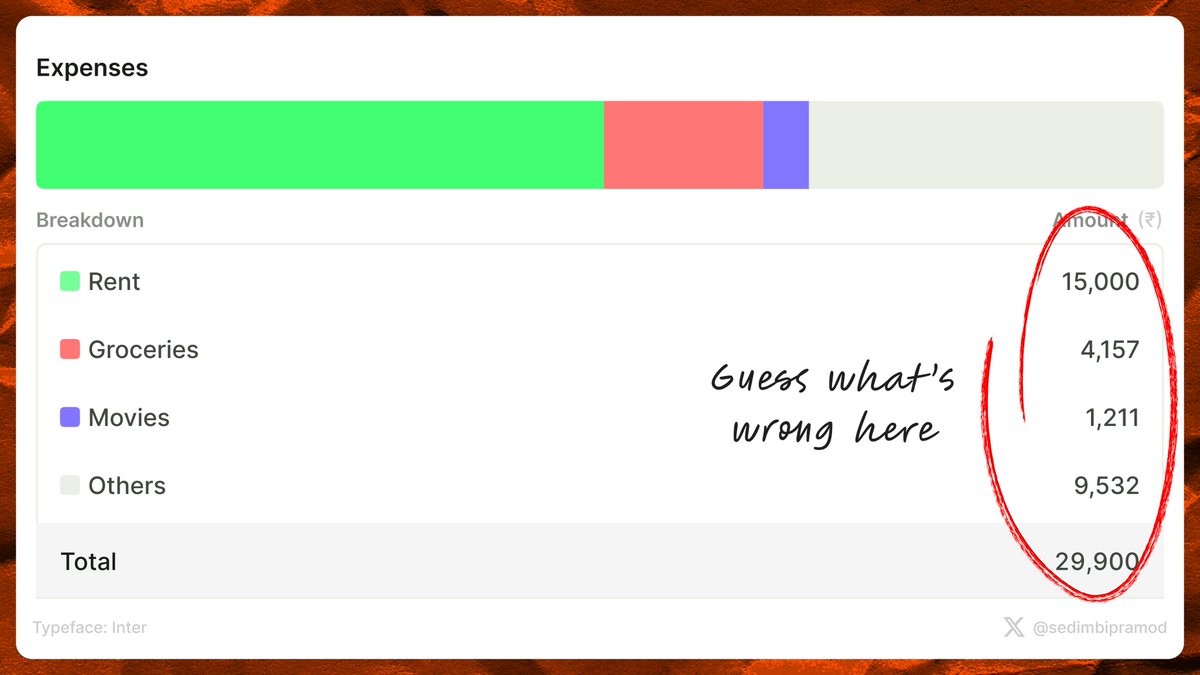
Something is wrong in this dashboard table. Most people miss it at first glance.
But once you see it, you can’t unsee it.
Guess what’s wrong here in this table 👇
Now you might start noticing this everywhere.
Dashboards.
Pricing tables.
Banking apps.
Analytics tools.
Small details like this are what make interfaces feel thoughtfully designed.
Happy designing & building!😄
BONUS⭐️
Some fonts also include Old Style numerals.
These numbers were designed to blend naturally with text, which is why they’re common in books & editorials.
Not something you’d usually use in dashboards.
But a nice reminder that numbers have their own typographic history.