From Awareness to Conversion: Crafting a Comprehensive Marketing Funnel
A well-crafted marketing funnel is the backbone of any successful business strategy. In businesses today, It's not just enough to generate leads,— guiding the leads/prospects through a journey that builds trust, nurtures relationships, and ultimately drives conversions should be your utmost target.
If you are still struggling to understand how to do this as a business owner, allow me to walk you through a simple process that will help make it easier for you. After going through this simple yet powerful process, you should be able to create a marketing funnel that give you the desired result.
1. Awareness: The Top of the Funnel (TOFU)
This is where your marketing journey begins. Your goal here is to capture attention. Think of it like being that girl that makes every guy turn their neck :). How do you make your target audience connect with your business/brand. You do this by creating content that educates such as informs—blog posts, social media updates, targeted ads, and SEO-optimized articles. Make sure your brand stands out and offers value right from the start.
2. Interest: The Middle of the Funnel (MOFU)
Once you've piqued their interest, it's time to dive deeper, lure them into wanting to know more about your products or services. Use tools like Webinars, case studies, and targeted email campaigns to achieve this. In this session, focus on addressing their pain points and offering solutions that's much needed. This is where you build a connection, showing prospects that you understand their needs and are willing to help them solve it.
3. Decision: The Bottom of the Funnel (BOFU)
At this stage, your prospects are considering their options; should they opt for your products/services or continue searching for something better?. Here is your chance to shine; bring out your A-Game. utilize tools like personalized demos, free trials, and compelling testimonials from happy users. Ensure your offer is irresistible and clearly demonstrates how your product or service is the best fit.
4. Conversion: The Goal
The happy ending part, it's time to close the deal. Don't make the mistake of using a complex purchase process. Peoples patience are decreasing by the day.
Simplify the purchase process, offer limited-time discounts, and ensure excellent customer support. The smoother the purchase experience, the more likely your leads will convert into loyal customers.
🔍 Key Takeaway: A comprehensive and successful marketing funnel shouldn't be about the sales, but rather, it should focus more on the journey that turns casual visitors into brand advocates and loyalist. By focusing on each stage with tailored strategies, you can build lasting relationships and drive sustainable growth for your business.
#MarketingFunnel #DigitalMarketing #LeadGeneration #CustomerJourney #ConversionOptimization #Segnivo #SegnivoEmail #SegnivoAds
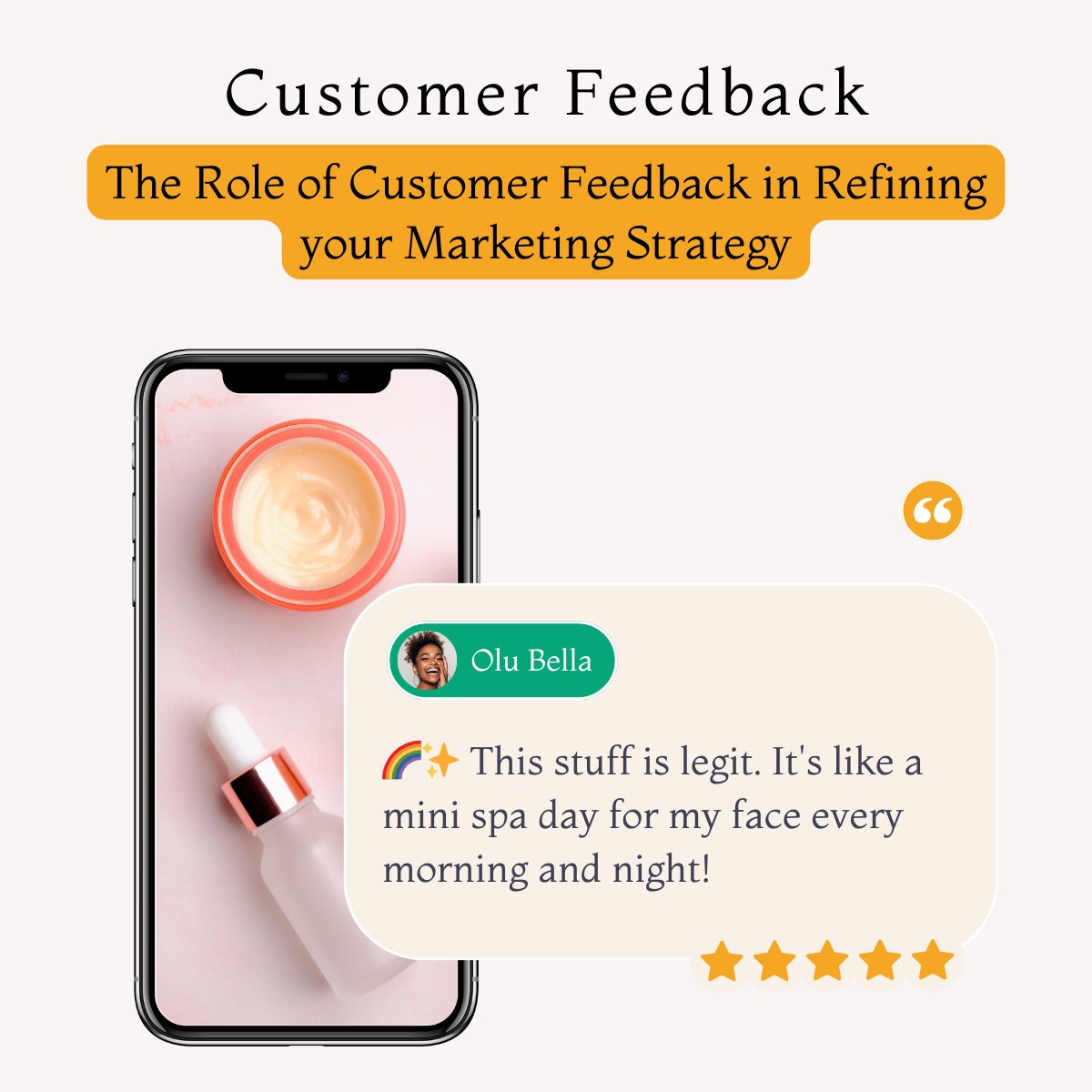
The Power of Customer Feedback: How to Use Feedback to Improve Your Marketing Strategy
Customer feedback is the information, opinions, and experiences shared by your customers regarding your products, services, or overall brand. It can be collected through various channels such as surveys, reviews, social media comments, and direct communications. This feedback is valuable for understanding customer needs, identifying strengths and weaknesses, and making informed decisions to improve your business offerings and enhance customer satisfaction.
These feedbacks are a crucial element in shaping and refining your marketing strategy. As consumer preferences continue to evolve, understanding and responding to their feedback can help you stay ahead of your competitors, build stronger customer relationships, and drive business growth.
In this article, we'll explore the importance of customer feedback and how to effectively use it to enhance your marketing strategy.
1. Understanding Customer Feedback
Customer feedback refers to the information, opinions, and experiences shared by customers about your products, services, or brand. It can come in various forms, such as:
✅Surveys and Questionnaires: A structured forms that collect specific information from customers.
✅Reviews and Ratings: Public assessments and ratings left on review platforms or your website.
✅Social Media Comments: Feedback shared on social media platforms, including likes, shares, and comments.
✅Direct Communication: Emails, phone calls, or face-to-face interactions where customers provide their insights.
Understanding the different types of feedback helps you gather comprehensive insights into customer perceptions and experiences.
2. Why Customer Feedback Matters
Let's look at some of the reasons why customer feedbacks are inportant
✅Insight into Customer Needs and Preferences: Customer feedback provides valuable insights into what your audience likes, dislikes, and desires. By understanding these preferences, you can tailor your marketing efforts to better meet their needs and create more relevant content and offers.
✅Identification of Strengths and Weaknesses: Feedback helps you identify what your business is doing well and areas that need improvement. Positive feedback highlights your strengths, while negative feedback points out weaknesses that need addressing.
✅Enhancement of Customer Satisfaction: Actively seeking and addressing customer feedback demonstrates that you value their opinions, leading to increased customer satisfaction and loyalty. Satisfied customers are more likely to become repeat buyers and brand advocates.
✅Informed Decision-Making: Data-driven decisions are more effective than intuition-based ones. Customer feedback provides concrete data that can guide your marketing strategy, product development, and overall business decisions.
✅Competitive Advantage: Leveraging feedback can give you an edge over competitors. By continuously improving based on customer input, you can offer better products and services, positioning your brand as a leader in your industry.
3. How to Collect Customer Feedback
Design Effective Surveys: Create surveys that are concise, easy to understand, and relevant to your goals. Use a mix of question types, including multiple-choice, rating scales, and open-ended questions. Ensure that the surveys are accessible on multiple platforms.
✅Encourage Online Reviews: Ask satisfied customers to leave reviews on platforms like Google, your site, or Trustpilot. Provide links to review sites and make the process as simple as possible. Respond to reviews, both positive and negative, to show that you value customer opinions.
✅Monitor Social Media: Track mentions of your brand on social media platforms. Use social listening tools to gather insights from comments, hashtags, and direct messages. Engage with users to show that you are attentive and responsive.
✅Implement Feedback Forms: Include feedback forms on your website, landing pages, and in post-purchase communications. Make it easy for customers to share their thoughts and suggestions.
✅Conduct Focus Groups: Organize focus groups with selected customers to gather in-depth feedback. These discussions can provide qualitative insights into customer perceptions and experiences.
4. Analyzing Customer Feedback
✅Categorize Feedback: Group feedback into categories such as product features, customer service, pricing, and user experience. This helps identify common themes and areas of concern.
✅Identify Trends and Patterns: Look for recurring themes and patterns in the feedback. Analyze both qualitative and quantitative data to uncover trends that can inform your marketing strategy.
✅Prioritize Issues: Not all feedback will be equally important. Prioritize issues based on their impact on customer satisfaction and business goals. Address high-priority concerns first.
✅Use Data Visualization: Utilize charts, graphs, and other data visualization tools to present feedback in a clear and actionable format. This makes it easier to communicate findings to your team and stakeholders.
5. Applying Feedback to Refine Your Marketing Strategy
✅Adjust Marketing Messages: Use feedback to refine your messaging to better resonate with your target audience. Highlight the features and benefits that customers value most and address any misconceptions or concerns.
✅Improve Product or Service Offerings: Use insights from feedback to enhance your products or services. Implement suggested improvements and innovations to meet customer expectations.
✅Optimize Customer Experience: Identify areas where the customer experience can be improved, such as website usability, customer support, or delivery processes. Make necessary changes to enhance overall satisfaction.
✅Tailor Promotional Campaigns: Develop targeted marketing campaigns based on feedback. Create personalized offers and promotions that align with customer preferences and needs.
✅Enhance Brand Loyalty Programs: Use feedback to improve your loyalty programs. Offer rewards and incentives that are meaningful to your customers and address any issues that may affect their participation.
6. Communicating Changes to Customers
✅Share Updates: Inform customers about the changes and improvements you’ve made based on their feedback. Transparency builds trust and shows that you value their input.
✅Highlight Success Stories: Share success stories and testimonials from customers who have benefited from the changes. This reinforces the positive impact of their feedback.
✅Show Appreciation: Thank customers for their feedback and participation. Show that their opinions have directly influenced your business decisions.
Customer feedback is a powerful tool for refining your marketing strategy and enhancing your business. By actively seeking, analyzing, and applying feedback, you can gain valuable insights into customer needs, improve your offerings, and create a more effective marketing strategy.
How has your customer feedback influenced a change in your marketing strategy or business approach? You can share your example in the comment session below
Video marketing has evolved as one of the most successful methods for engaging audiences, conveying messages, and increasing conversions. With platforms like YouTube, TikTok, Instagram, and LinkedIn prioritizing video content, it is now more crucial for businesses and marketers to understand how to create great visual content that resonates with their target audience. With the right approach, video content can captivate viewers, convey your brand message effectively, and increase your online visibility. Here are some strategies to help you create effective video marketing content.
1. Understand Your Audience: Before creating any video content, it's essential to understand your target audience. Below are some key metrics that will help you know your audience
✅Demographics: Age, gender, location, and interests.
✅Psychographics: Values, attitudes, and lifestyle.
✅Behavioral Data: Purchasing habits, content preferences, and engagement patterns.
Conducting audience research will help you tailor your content to meet their needs and preferences, ensuring that your videos are relevant and engaging.
2. Define Your Goals: You should clearly define your goals as they will guide your video content creation process. You can choose your goal type based on what you want to achieve. Most common goals include:
✅Brand Awareness: Introducing your brand to a broader audience.
✅Engagement: Encouraging likes, comments, shares, and interactions.
✅Conversions: Driving sales, sign-ups, or other desired actions.
✅Education: Informing and educating your audience about your products or industry.
Each goal requires a different approach and style of video content, so having clear objectives will help you stay focused.
3. Craft a Compelling Story: Storytelling is a powerful tool in video marketing. A well-crafted story can evoke emotions and create a memorable experience for your audience. You can use the following elements when crafting your video:
✅Hook: Grab the viewer’s attention within the first few seconds.
✅Problem: Present a problem or pain point that your audience can relate to.
✅Solution: Showcase how your product or service solves the problem.
✅Call to Action (CTA): Encourage viewers to take a specific action, such as visiting your website or making a purchase.
4. Focus on Quality: High-quality videos are essential for maintaining professionalism and credibility. Pay attention to...
✅Visuals: Use high-resolution images and footage.
✅Lighting: Ensure your video is well-lit to avoid dark or grainy footage.
✅Sound: Invest in good audio equipment to ensure clear and crisp sound.
✅Editing: Edit your videos to be polished and professional, removing any unnecessary parts and adding effects or graphics to enhance the viewer's experience.
5. Optimize for Platforms: Different platforms have different requirements and best practices. Tailor your videos to fit the platform you're targeting:
✅YouTube: Longer, more in-depth content works well. Utilize SEO strategies by including keywords in your title, description, and tags.
✅TikTok and Instagram Reels: Short, engaging, and visually appealing content is key. Use trending sounds and hashtags to increase visibility.
✅LinkedIn: Professional and educational content is preferred. Keep videos concise and to the point, and include captions for viewers who may watch without sound.
6. Add a Personal Touch: Personalization can significantly enhance viewer engagement. Address your audience directly and use a conversational tone. Personal anecdotes, behind-the-scenes footage, and user-generated content can also make your videos more relatable and authentic.
7. Use Strong CTAs: A strong call to action (CTA) is crucial for guiding your audience toward the desired outcome. Be clear and direct about what you want viewers to do next, whether it's subscribing to your channel, visiting your website, or purchasing your product. Include clickable links or buttons to make it easy for viewers to take action.
8. Analyze and Improve: Once your video is published, track its performance using analytics tools. Pay attention to metrics such as:
✅Views: The number of times your video has been watched.
✅Engagement: Likes, comments, shares, and overall interaction.
✅Watch Time: The total amount of time viewers have spent watching your video.
✅Conversion Rates: The percentage of viewers who took the desired action.
Use this data to understand what works and what doesn’t, and adjust your strategy accordingly. Continuous improvement is vital for long-term success in video marketing.
9. Leverage SEO: Optimizing your video for search engines can increase its visibility. Use relevant keywords in your video title, description, and tags. Write a detailed description that includes links to your website or other social media platforms. Creating engaging thumbnails and using accurate and enticing titles can also attract more viewers.
10. Consistency is Key: Regularly posting content helps keep your audience engaged and coming back for more. Develop a content calendar to plan and schedule your videos. Consistent branding, including logos, color schemes, and tone of voice, will also help build recognition and trust with your audience.
Creating compelling visual content for video marketing requires a deep understanding of your audience, clear goals, and attention to quality. By crafting engaging stories, optimizing for different platforms, and continuously analyzing your performance, you can create videos that captivate your audience and drive meaningful results for your business.
Hope you found these tips helpful, let's get your thought in the comment session.
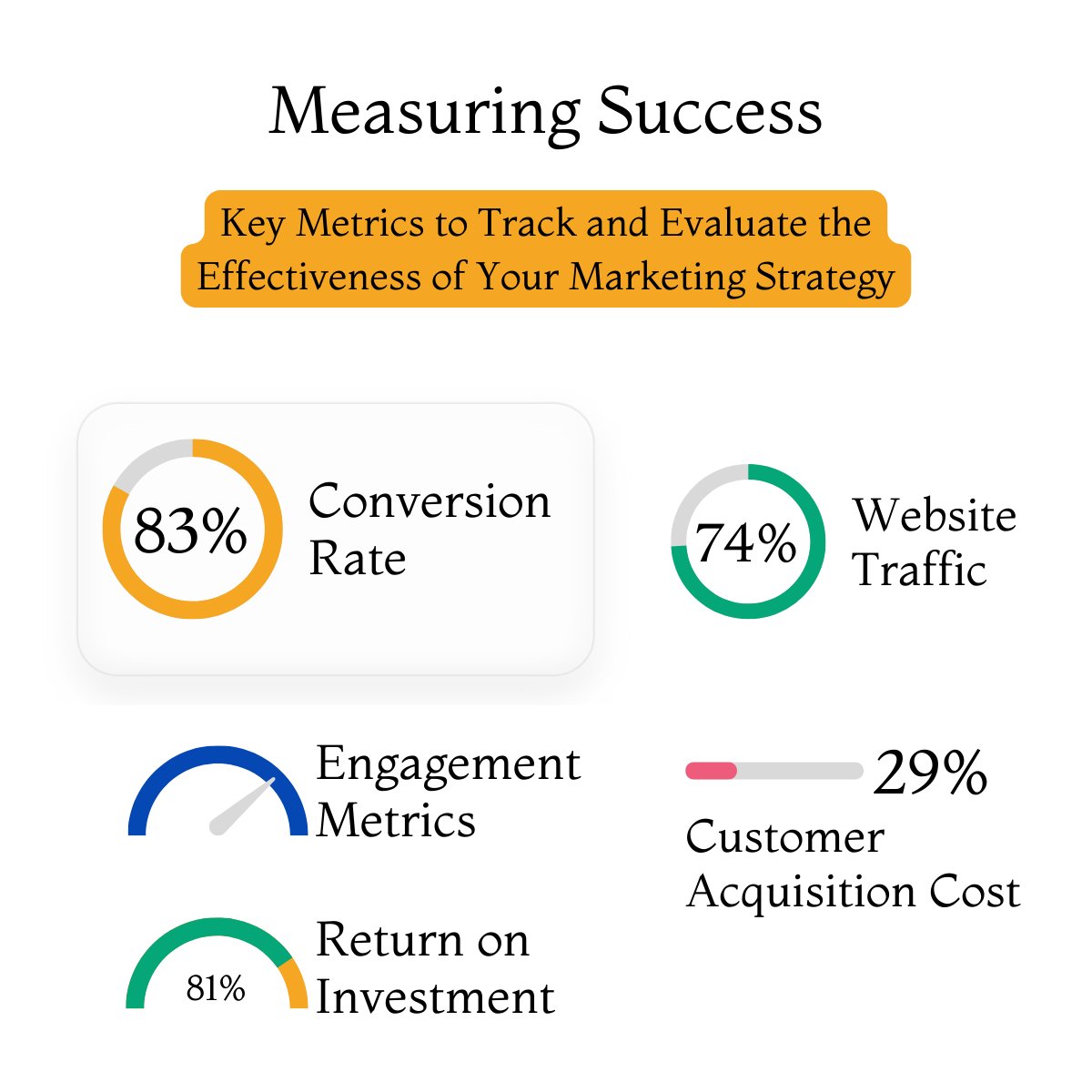
Is your marketing strategy hitting the mark? 🤔 Here are top 10 Key Metrics to Track and Evaluate for Effectiveness of Your Marketing Strategy
1. Website Traffic and User Behavior:
Your website is the cornerstone of your online presence. Tracking metrics like total visits, unique visitors, and page views will help you understand your site's reach and engagement. To do this, you need to understand and make use of analytics tool to see how users interact with your site. Implement KPIs such as average session duration, and bounce rates. Google Analytics 4 is a great option and provide a wealth of information.
2. Conversion Rate:
It's not just about attracting visitors; you need to also convert them. Track the percentage of visitors who complete desired actions—whether it’s making a purchase, filling out a form, or signing up for a newsletter. This metric is crucial for understanding the effectiveness of your calls-to-action (CTAs) and overall user experience.
3. Customer Acquisition Cost (CAC):
How much are you spending to acquire a new customer? Calculate CAC by dividing your total marketing expenses by the number of new customers acquired in a given period. Lowering your CAC while maintaining or increasing quality leads is a clear sign of a successful strategy.
4. Return on Investment (ROI):
Measure the profitability of your marketing efforts. Calculate ROI by subtracting the cost of your marketing campaign from the revenue generated and then dividing by the campaign cost. A positive ROI indicates that your strategy is financially sound.
5. Customer Lifetime Value (CLV):
Understanding the long-term value of your customers is essential. CLV estimates the total revenue you can expect from a customer over their lifetime. A high CLV suggests that your retention strategies are working and that you’re providing ongoing value to your customers.
6. Engagement Metrics:
On social media, engagement is key. Track likes, shares, comments, and overall interaction with your content. High engagement rates indicate that your content resonates with your audience and builds a sense of community and loyalty.
7. Email Marketing Performance:
Email remains a powerful marketing tool. Monitor open rates, click-through rates (CTR), and conversion rates to gauge the effectiveness of your email campaigns. High unsubscribe rates can signal that your content isn’t meeting subscriber expectations.
8. Brand Awareness and Sentiment:
Brand awareness metrics—like social media mentions, share of voice, and branded search volume—help you understand your market presence. Additionally, sentiment analysis tools can gauge public perception, providing insights into how your brand is viewed by your audience.
9. Lead Generation and Quality:
It’s not just about quantity but quality. Track the number of leads generated and assess their quality by examining their likelihood to convert into paying customers. Lead scoring systems can help prioritize leads based on their potential value.
10. Market Share:
Understanding your position relative to competitors is crucial. Measure your market share to see how you’re performing in the broader market. An increasing market share is a strong indicator of the effectiveness of your strategy.
The success of your marketing strategy isn’t just about one or two metrics; it’s about a comprehensive approach to data analysis. By consistently monitoring these key metrics, you can refine your strategy, optimize your efforts, and ultimately achieve your business goals. Remember, what gets measured gets managed, and what gets managed gets improved.
#MarketingStrategy #DataDrivenMarketing #MarketingMetrics #BusinessGrowth #ROI #DigitalMarketing #CustomerEngagement #BrandAwareness
Mobile marketing has emerged as one of the most successful ways to engage your consumer and close them. With the ubiquity of smartphones, reaching your audience on the go has become easier and straightforward. In this guide, we'll look at how mobile marketing is reshaping consumer interactions and the most effective strategies to leverage this trend for your business success.
➡️ The Rise of Mobile Marketing
Mobile devices, especially the smart devices, have become an extension of ourselves. From checking emails and social media to shopping and entertainment, our reliance on smartphones is undeniable. According to recent studies, over 80% of internet users own a smartphone, and mobile devices account for more than half of all global web traffic. This shift has created a significant opportunity for marketers to engage with consumers in a more direct and personalized manner.
➡️ Key Benefits of Mobile Marketing
✅ Accessibility: Mobile marketing ensures that your content is accessible anytime, anywhere. This constant accessibility allows brands to engage with consumers at various touchpoints throughout the day.
✅ Personalization: With data-driven insights, mobile marketing enables personalized experiences. Tailoring content to individual preferences increases relevance and engagement, driving personalized connection with your audience.
✅ Real-time Engagement: Mobile marketing facilitates real-time interactions. Whether through push notifications, SMS, or social media, brands can instantly connect with consumers, driving timely actions and responses.
✅ Location-based Targeting: Leveraging geolocation technology, brands can deliver targeted offers and messages based on a user’s location. This hyper-local approach enhances relevance and boosts conversion rates.
➡️ Effective Mobile Marketing Strategies
✅ Responsive Design: Ensure that your website and content are mobile-friendly. A seamless mobile experience is crucial for keeping users engaged and reducing bounce rates.
✅ Mobile Apps: Developing a mobile app provides a dedicated platform for engaging with your audience. Apps can offer exclusive content, personalized experiences, and direct communication channels.
✅ Social Media Integration: Social media is inherently mobile. Integrate your marketing efforts across platforms like Instagram, Facebook, and TikTok to reach users where they spend most of their time.
✅ Push Notifications: Utilize push notifications to deliver timely updates, promotions, and reminders. However, be mindful of frequency to avoid overwhelming users.
✅ SMS Marketing: SMS remains a powerful tool for direct communication. Use it for sending alerts, confirmations, and personalized offers. Keep messages concise and relevant.
✅ Mobile Wallets and Payments: Facilitate easy transactions by integrating mobile payment options. This convenience can significantly enhance the user experience and drive conversions.
✅ Augmented Reality (AR): AR technology can create immersive mobile experiences. Brands can use AR for virtual try-ons, interactive ads, and enhanced product displays.
➡️ Measuring Success
To gauge the effectiveness of your mobile marketing efforts, it’s essential to track key metrics such as:
✅ Engagement Rates: Monitor likes, shares, and comments on mobile content.
✅ Conversion Rates: Measure the percentage of users completing desired actions (e.g., purchases, sign-ups) via mobile devices.
✅ Retention Rates: Track how often users return to your mobile app or website.
✅ Click-through Rates (CTR): Evaluate the performance of mobile ads and push notifications.
Mobile marketing is no longer optional; it is a necessity for businesses looking to stay competitive and be ahead of their competitors. By understanding the impact of mobile marketing on consumer engagement and implementing these effective strategies, businesses can reach their audience on the go, build stronger connections, and drive better results.
How has mobile marketing transformed your approach to reaching your audience? Share your experiences in the comments below.
Creating an Omnichannel Marketing Strategy: How to Seamlessly Integrate Different Platforms for Maximum Results
As a business owner, looking to stay ahead of your competition, you need to adopt an omnichannel marketing strategy. An omnichannel approach ensures a cohesive customer experience across various platforms, increasing engagement, loyalty, and conversions. Here’s a detailed guide to creating an effective omnichannel marketing strategy.
Understanding Omnichannel Marketing: Omnichannel marketing integrates multiple channels to provide a unified and seamless customer experience. Unlike multichannel marketing, which uses various platforms independently, omnichannel marketing synchronizes these channels to ensure consistency in messaging, branding, and customer interactions.
The Benefits:
Enhanced customer experience
Improved customer retention
Higher conversion rates
Increased brand loyalty
How to Seamlessly Integrate Your Business with Omnichannel Marketing:
👉 Know Your Customer
To create a successful omnichannel strategy, you need to understand your audience deeply. To do this, you need to do the following
✅ Create Customer Personas: Develop detailed customer personas based on demographics, behavior, preferences, and purchasing patterns.
✅ Customer Journey Mapping: Identify key touchpoints across the customer journey. Understand how customers interact with your brand from awareness to purchase and beyond.
👉 Choose the Right Channels
Identify the channels that your customers frequent the most. Common channels include:
✅ Website: The hub of your online presence.
Social Media: These are platforms like Facebook, Instagram, Twitter, TikTok, LinkedIn.
✅ Email Marketing: For Personalized and direct communication.
Mobile Apps: For Enhanced user experience and engagement.
✅ In-Store: Physical interaction and customer service.
Customer Support: Live chat, phone support, and helpdesk.
👉 Ensure Consistent Branding
Maintain consistent branding across all channels. This includes are like:
✅ Visual Elements: Logo, color scheme, typography.
Tone of Voice: Language and messaging style.
✅ Content: Ensure your content aligns with your brand’s values and voice.
👉 Integrate Technology
Use technology to streamline and integrate your channels. You need to use tools like the following:
✅ CRM Systems: Customer Relationship Management (CRM) systems to help manage customer interactions and data.
✅ Marketing Automation Tools: Automate email campaigns, social media posts, and personalized messages.
✅ Data Analytics: Use analytics tools to track customer behavior, measure performance, and optimize strategies.
👉 Personalize Customer Interactions
Personalization is key to an effective omnichannel strategy. You should:
✅ Segment Your Audience: Divide your audience into segments based on their behavior and preferences.
✅ Utilize Tailored Content: Create personalized content and offers for different segments.
✅ Dynamic Content: Use dynamic content on websites and emails to provide personalized experiences.
👉 Implement a Seamless Experience
Ensure that customers have a seamless experience when moving between channels.
✅ Unified Customer Profiles: Maintain a single view of the customer across all platforms.
✅ Consistent Messaging: Ensure that messages are consistent across channels and reflect the same promotions and offers.
✅ Cross-Channel Functionality: Allow customers to transition smoothly between channels, such as starting a purchase on mobile and completing it in-store.
👉 Measure and Optimize
Regularly measure the performance of your omnichannel strategy and make data-driven improvements.
✅ KPIs: Define key performance indicators (KPIs) such as conversion rates, customer retention, and engagement metrics.
✅ Feedback Loops: Collect feedback from customers to understand their experience and areas for improvement.
✅ Continuous Improvement: Use insights and analytics to continuously refine and optimize your strategy.
Creating an omnichannel marketing strategy is a great way to ensure that customers have easy and seamless experience with your products and services. By seamlessly integrating different platforms as mentioned above, you can provide a superior customer experience that drives engagement, loyalty, and business growth.
@Thevictorjosh Our API webhook would allow developers to build custom integrations, we can't guarantee it would work with Elementor at the moment, but our Devs have been notified about this. We will cook up something for Elementor in the next few weeks. Thanks, Chief!😎
Sick of overpriced email tools? 🤔 Send campaigns for just ₦5k/month or start with our forever free plan! 💰
Superb, highly rated and affordable email marketing platform. Start here >> https://t.co/exTNtSOZWc
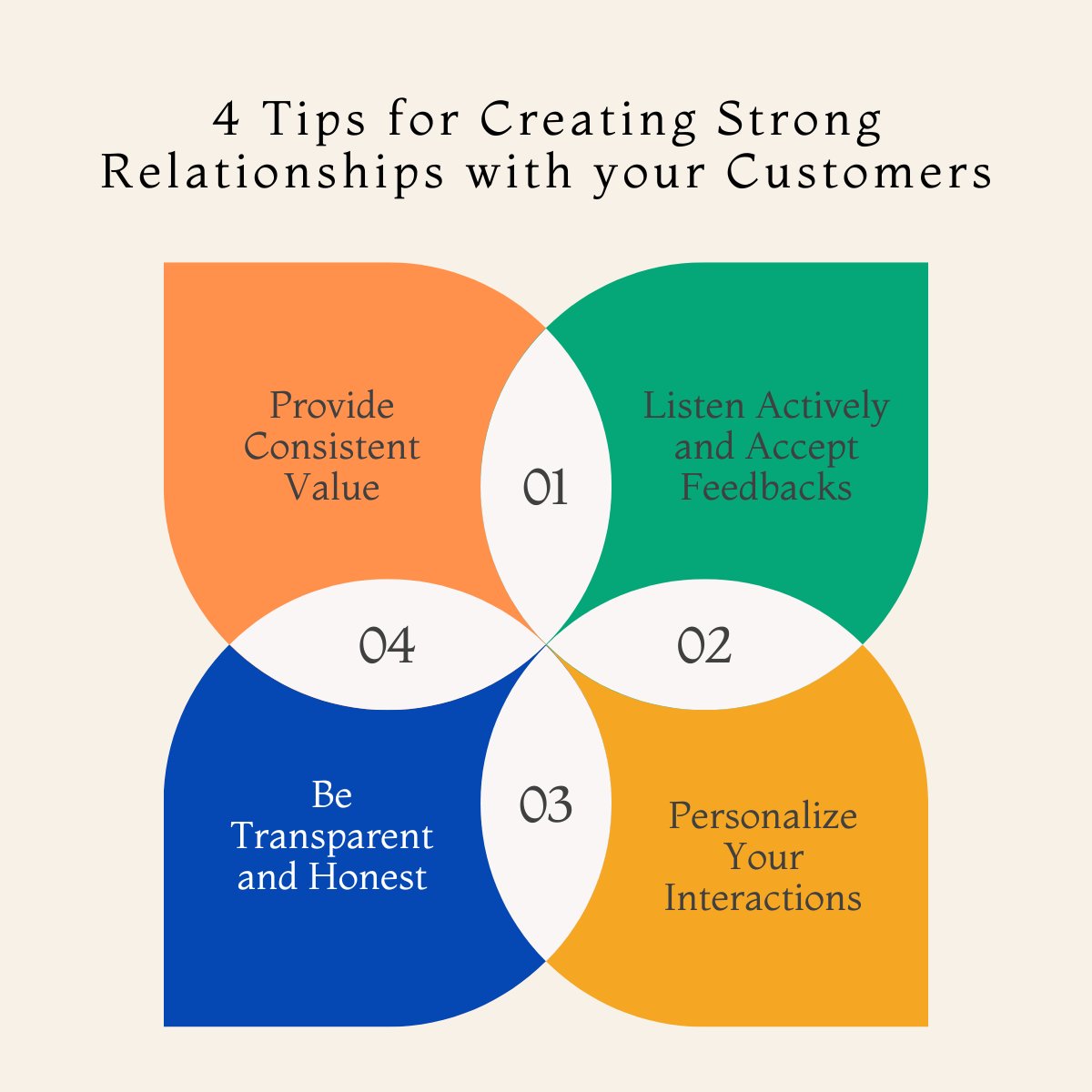
As a business owner, building strong relationships with your customers is very vital to the growth and success of your business. Here are four essential tips to help you create strong customer relationships that bring loyalty:
1. Listen Actively and Accept Feedback
Active listening is the cornerstone of any strong relationship. You should consider your customers' needs, concerns, and feedback. Show that you value their opinions by responding thoughtfully and making adjustments based on their input. By doing this, you not only earn their trust but also show that you actually care about their happiness.
2. Personalize Your Interactions
Personalization goes a long way in making your customers feel valued. Use their names, remember their preferences, and tailor your communication to suit their individual needs. Whether it's through personalized emails, special offers, or customized product recommendations, showing that you remember and appreciate your customers as individuals can significantly strengthen your relationship.
3. Be Transparent and Honest
Transparency and honesty are key to building trust. Be upfront about your products, services, and any potential issues. If something goes wrong, own up to it and communicate clearly about the steps you're taking to resolve it. Customers appreciate honesty and are more likely to stay loyal to a brand that admits its mistakes and works to make things right.
4. Provide Consistent Value
Consistently providing value to your customers is essential for maintaining strong relationships. This can be through high-quality products, exceptional customer service, or useful content. Make sure every interaction they have with your brand adds value to their experience. This keeps them coming back and positions your brand as a reliable and valuable part of their lives.
What other ways can you use to create strong customer relationship and build brand loyalty? Let's interact in the comment session.
Search Engine Optimization (SEO) remains a cornerstone of successful marketing strategies. Here are 5 essential tips to seamlessly incorporate SEO into your marketing strategy for effective results... #segnivo
5. Leverage Backlinks and Off-Page SEO
Focus on earning high-quality backlinks through strategies such as:
1. Guest Blogging
2. Content Promotion
3. Networking
Crafting automated emails is essential for effective communication with your audience. They are a crucial tool for maintaining strong customer relationships and driving engagement. Here are 3 tips to help you craft automated emails that truly resonate with your audience
3️⃣ Frequency and Timing: Determine the frequency of your automated emails. Consider sending slightly more frequent emails to engage your audience. However, strike a balance—don’t bombard them with messages. Introduce a call to action (CTA) after providing helpful content.