Founded by Leo Seitz: Former NFL strength coach, player, & wrestler. The strength, speed, and explosiveness method. Champions are built from iron #Bulk
You won’t build freakishly fast and explosive athletes without lifting.
The body needs external load to optimally develop force.
Avoid it if you want. Hide behind strawman arguments if you want. But the math hasn’t changed.
Leading sports scientist, Vladimir Zatsiorsky, has identified three ways to develop maximal tension (and therefore, size and strength) in a muscle
The Repetition Method: Higher reps with submaximal weights to spark muscle hypertrophy. More size equals better leverage. Someone with a pancake chest pushes the bar farther on the bench press than a lifter with a barrel chest assuming same arm length. The literature unanimously agrees that a bigger muscle is a stronger one.
Training in “bodybuilding” rep ranges will get you stronger—anecdotal evidence supports this and many of top strength athletes off-season train high reps, giving their central nervous systems a break and for hypertrophy.
The Dynamic Method: Force = Mass x Acceleration. The key is violently exerting as much force possible into the barbell with each repetition, not pumping out res. This is Compensatory Acceleration Training (CAT). Lots of bodybuilders do this unknowingly when doing a set of 12 reps – the first 3-4 reps are explosive, while the next 8-9 reps lose steam. Knowingly or not, they are getting beneficial adaptations from the dynamic method for strength gains in the first few reps. Your first rep is always your strongest – from that point on you are getting weaker – so exerting maximum force from the get-go can help you increase muscle tension.
The Max Effort Method: Lifting weights over 90 percent for 1-3 reps.
This is how most powerlifters train when prepping for a meet. It’s very intense but doesn’t involve very many repetitions, providing some of the same benefits as the Dynamic Method. Bodybuilders like Ronnie Coleman have used the max effort method as little as three weeks out from the Olympia.
Strength is primarily gained by lifting heavy weight for low reps and lots of sets, mostly as a result of adaptations in the central nervous system (CNS). This maximizes neural efficiency or, in other words, gets you more coordinated at the movement. Greater coordination leads to leads to more efficiency of a lift, allowing all participating muscles to more fully contribute to each rep.
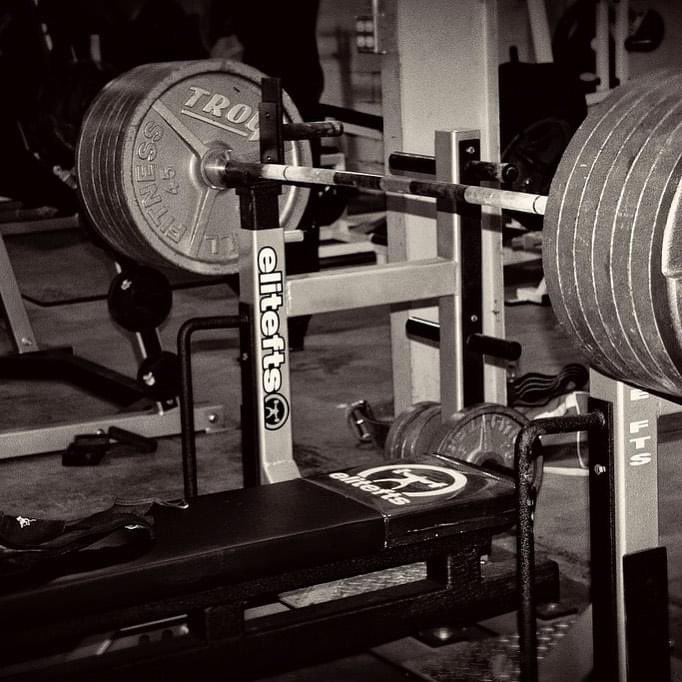
It takes longer to get strong with <80% but happens faster with CAT 📸 @elitefts
When training gets too complicated, scratch it, and make it simpler. We live in a time period where people are trying to reinvent the wheel by creating false narratives and screwed data. These people tend to forget just how effective that simplicity can be in strength training.
Tom Osborne, when asked about going 60-3 in a 5 year period
at Nebraska:
“ Well, it started in the weight room. Our culture here revolves around it. We take great pride in dominating our opponents physically, and for the most part, we just wear people down “
@ExBio_Grad And Olympic lifters are very strong and explosive. They don’t do that by just lifting submaximal weights. The same applies to for anyone who squats, pushes and pulls weight. Results speak for themselves at the end of the day.
@ExBio_Grad I’m not disagreeing with that. You’re using two different types of strengths with explosive and absolute strength in every phase of the lift which isn’t easy. But, the heavier you go, the slower it will be, even with Olympic lifting.
@RandomJoeT@keithjferrara Is catching a clean supposed to be an insane movement only Olympic athletes can do? I currently have a 13 year old kid with a beautiful looking full clean.