@itz_sarwanK 42 padathuku music potavara, 4 music potavanoda compare panrathu is not even right. Also Ani reached his saturation only lately with few telugu and tamil mediocre films. But with in 4 films reaching this level of saturation is joke.
@vignesh_vigrat There were utter silence in many scenes, I think he needs to know how to build or play in a drama sequence. Few musics made me laugh lol pure non sync score. He's not the one to be blamed alone even the screenplay & editing did have major flaws. Poorly done characters add to it.
Fuck it.
Prompt engineering officially died last month.
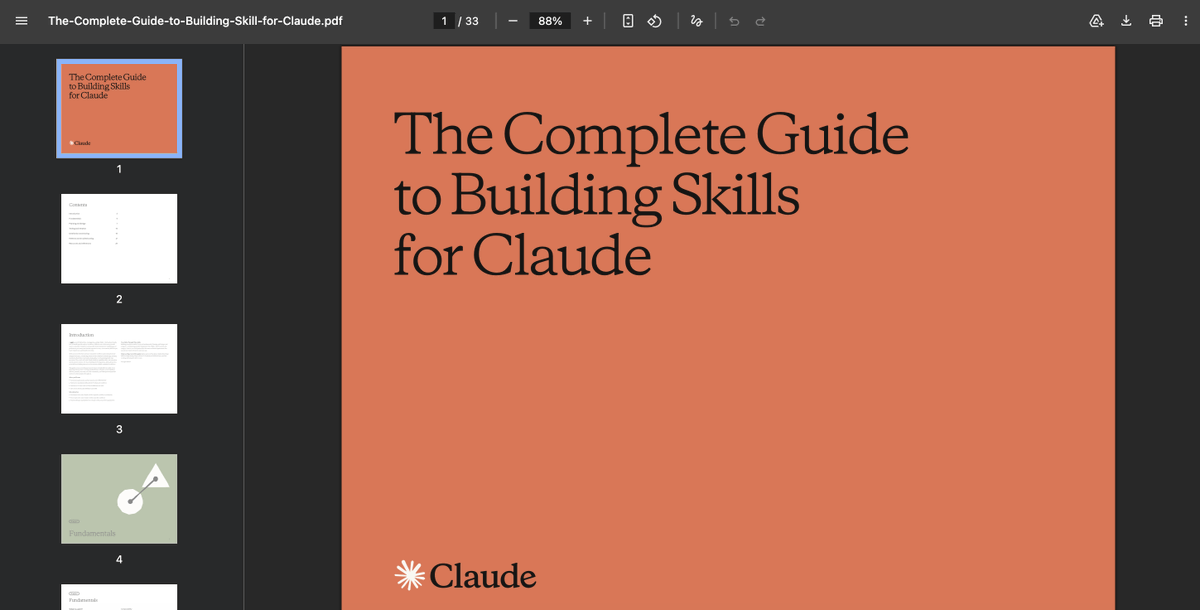
Anthropic dropped the 32-page internal guide that replaces it with “Skills” reusable workflow folders Claude learns once and never forgets.
Progressive disclosure + MCP = your personal AI employee that actually remembers how you work.
The era of re-explaining everything every chat is over.
Download the guide + my updated 2026 Skills starter pack here (free):
Comment “SKILLS” and I’ll DM both.
STOP this is a $500 AI resource.
I collected 700+ Claude mega prompts
that can actually replace hours of real work.
This pack normally sells for $500.
But I’m giving it away for free.
Comment “AI” and I’ll send it to you.
Google Gemini is the smartest AI right now.
But 90% of people prompt it like ChatGPT.
That's why I made the Gemini Mastery Guide:
→ How Gemini thinks differently
→ Prompts built for Gemini
→ 2000+ AI Prompts
Comment "Gemini" and I'll DM it free.
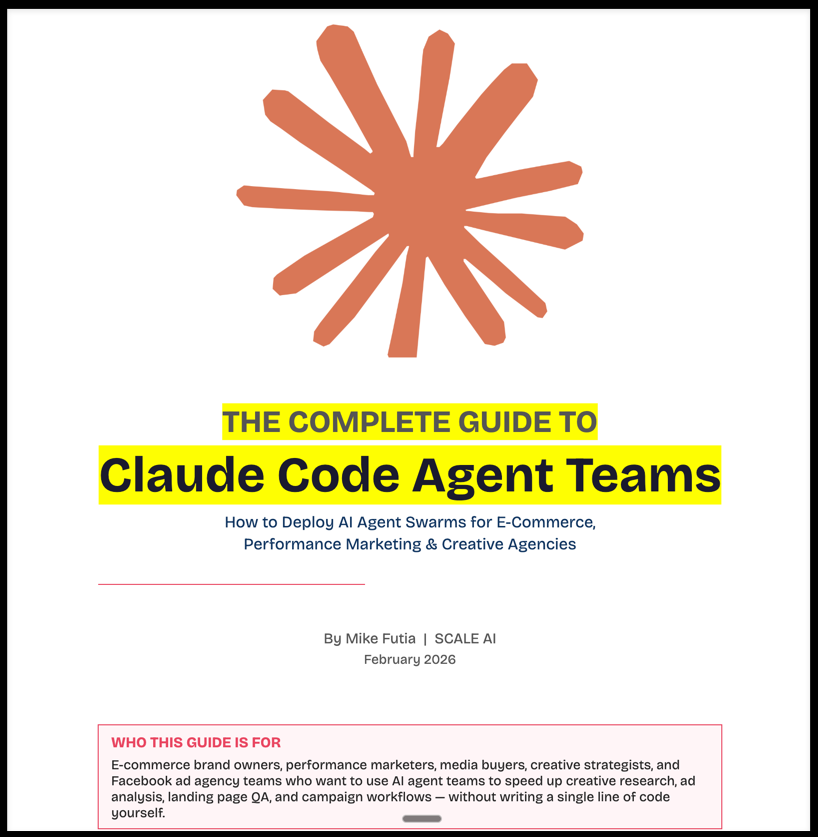
Anthropic just shipped Agent Teams into Claude Code and it completely changes how you run creative research and campaign workflows 🤯
OpenClaw has been blowing up up. 140K+ GitHub stars in a week.
Everyone’s trying to configure multi-agent setups with it right now.
Custom skills, MCP integrations, environment variables, Docker containers.
It works.
But let's be honest: it’s unnecessarily complicated for what 99% of business owners actually need.
Anthropic saw the demand and made it native.
No Mac mini, no VPS, not 6-hour installation setup.
Instead, they built right into Claude Code.
Here's how it works:
Instead of one agent doing everything solo in a straight line, a lead agent breaks your task into pieces, spins up multiple teammates, and they all work on different parts of your project at the same time.
One researches competitors, one audits your landing page, one analyzes ad creative.
They talk to each other, share findings, and coordinate through a shared task list without you managing any of it.
This is different from sub-agents.
Sub-agents can only report back to the parent. They can't message each other or share discoveries mid-task.
Agent teams can. That's the unlock.
Best use cases I'm seeing for e-comm and agencies:
→ Competitor ad research across Meta, TikTok, and YouTube in parallel
→ Landing page QA from 4 angles at once (conversion, performance, copy, technical)
→ Creative brief development where audience research, competitive analysis, and concept ideation happen simultaneously
→ Product catalog audits where 4 agents each handle a segment of your SKUs
→ Campaign launch QA checking pixels, UTMs, forms, and compliance at the same time
The catch:
It's experimental. It burns through tokens fast. Each teammate has its own context window so usage scales with team size.
But for complex marketing workflows where parallel work actually matters, it's a game changer.
I put together a complete breakdown covering:
→ What agent teams are and how they actually work
→ How they're different from sub-agents (and when to use which)
→ How to enable them in your settings in 30 seconds
→ Copy-paste prompts for competitor research, landing page QA, and creative briefs
→ Best practices so you don't burn through tokens
→ The limitations you need to know before you start
This is one of those features that sounds small on paper but completely changes how you run research and QA once you start using it.
Want access completely for free?
> Like this post
> Comment "AGENT"
And I'll send it over (must be following so I can DM)