The Google Gen AI Python SDK v1.0.0 is here!
It brings major improvements and stability, including:
- Gemini API and Vertex support
- pydantic types
- function calling
- JSON response schema
- streaming
- async
- Imagen 3 support
- finetuning
happy building!
I'm using DataDamp to learn the world's most in-demand data and AI skills for free! You can too—access 460+ courses and real-life projects until Sept. 1, no strings attached. https://t.co/FTuOaUxJri
Every decision has an opportunity cost.
In the past I would say yes to way too many things.
Then I learned to say no to things so I could focus on the few things that really matter (80/20).
A day only has 24 hours and sleep matters.
Protect your time, learn to say no!
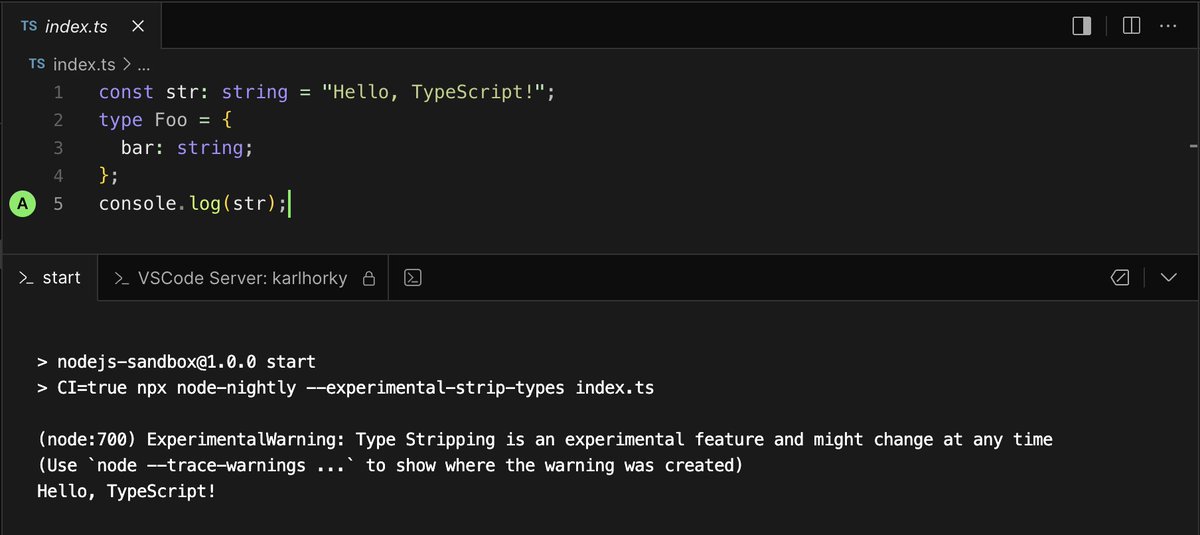
This is major. TypeScript in Node!
Play with it in CodeSandbox today.
Release is scheduled for July 30th.
Cheers to my coworker @satanacchio for getting this one in. The other month I was talking about things that keep me from loving node and he was like *hold my beer*
Pydantic is hiring a Platform Engineer! 🎉🛠️
https://t.co/DpoC51GRzM
Join the @pydantic team and help us build robust, scalable platforms that empower our users!
Retweets appreciated! 🚀
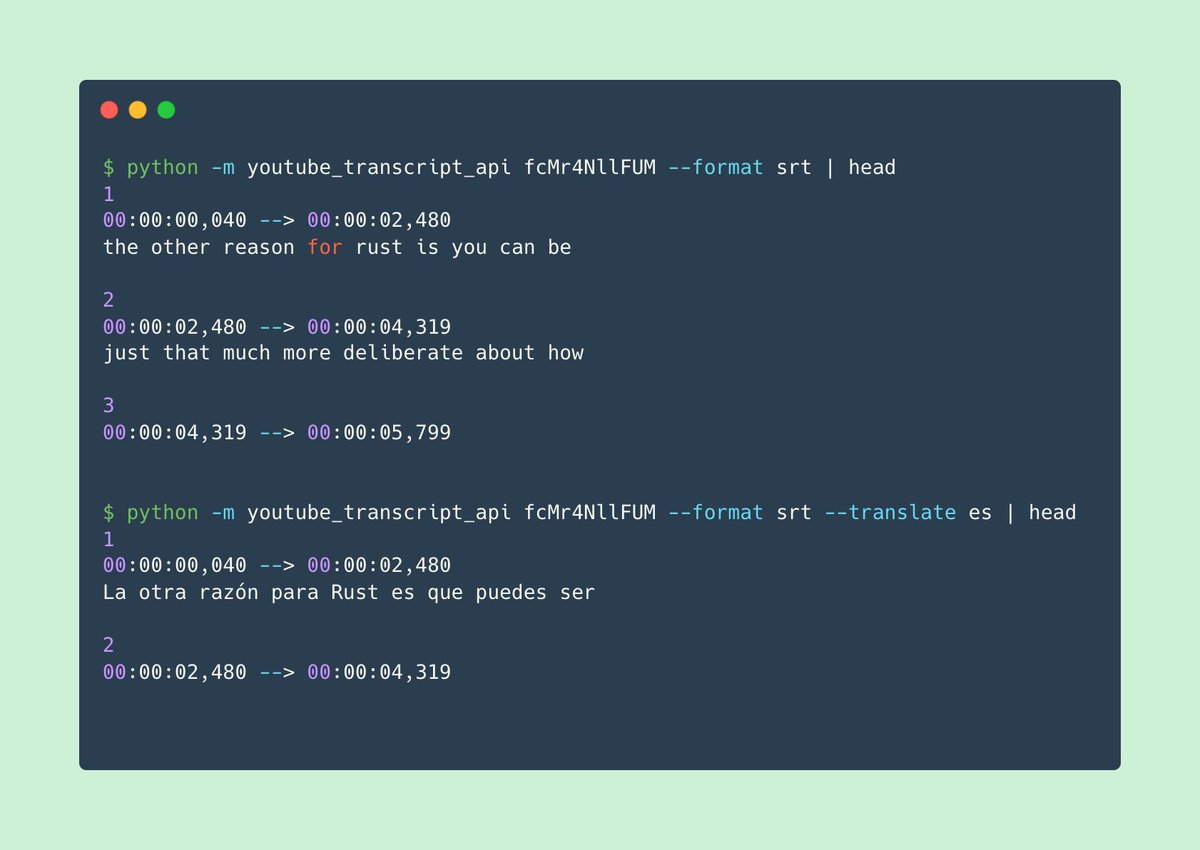
Do you want a quick way to get a transcript from a YouTube video?
The youtube-transcript-api #Python package is noice! 🎉 🙏
2 loc:
```
from youtube_transcript_api import YouTubeTranscriptApi
transcript = YouTubeTranscriptApi.get_transcript(video_id)
```
Or use its cli ��� 📈
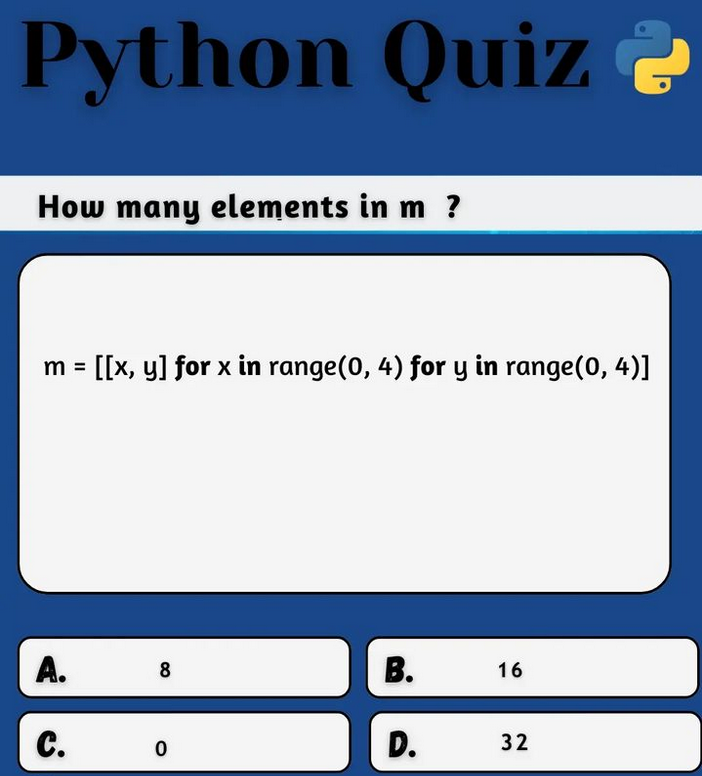
@Python_Dv m has 16 elements because list comprehension is in the background a nested loop for x and y iterations which are 4 for x and 4 for y, total 16. For each combination of x and y iteration a new list of [x, y] is appended/added to the m list.
Python tip:
Because tuples are immutable, there's no need to copy them (they can't be copied).
tuple(my_tuple) returns itself.
On the other hand, lists are mutable, so copying them makes sense.
list(my_list) returns a new list.