Our new paper in Nucleic Acids Research! 🧪🧬
We used SAXS, HDX-MS & molecular dynamics to reveal how DNA can shape the structure of the RAR/RXR and coregulator complex, offering fresh insights into nuclear receptor regulation.
🔗 https://t.co/pqdjf67NT8
Diffusing Protein Binders to Intrinsically Disordered Proteins
🚀 New paper from David Baker!🚀
1. A groundbreaking study published in Nature demonstrates a novel method for designing protein binders that can target intrinsically disordered proteins (IDPs) and regions (IDRs) with high affinity and specificity. This approach leverages RFdiffusion, a powerful computational tool that generates binders by freely sampling both target and binding protein conformations from the target sequence alone.
2. The research team successfully created binders for a diverse set of IDPs and IDRs, including amylin, C-peptide, VP48, and BRCA1_ARATH, with dissociation constants (Kd) ranging from 3 to 100 nM. These binders were shown to bind their respective targets in cells, highlighting the potential for therapeutic and diagnostic applications.
3. A key innovation is the ability to design binders without pre-specifying the target geometry, allowing the binder to select a specific conformation from a broad ensemble of possible states. This induced-fit mechanism is particularly effective for IDPs, which lack a single well-defined structure.
4. The study also introduced a two-sided partial diffusion approach to optimize binding affinity, resulting in binders with significantly improved metrics compared to traditional one-sided diffusion methods. This technique allows both the target and binder to adapt their conformations during the design process.
5. For shorter IDRs, the researchers incorporated secondary structure specification into the RFdiffusion model, enabling the design of binders that interact with β-strand conformations of the target. This method significantly increased the efficiency of generating high-affinity binders.
6. The designed binders were validated through crystallography, showing close agreement between the computational models and experimental structures. Additionally, the binders demonstrated high specificity for their intended targets in all-by-all binding experiments.
7. In cellular experiments, the binders colocalized with their full-length targets, confirming their ability to engage targets in a cellular context. Notably, the G3BP1 binder disrupted stress granule formation, while the amylin binder inhibited amyloid fibril formation and dissociated existing fibers.
8. The amylin binder was further shown to enhance the sensitivity of mass spectrometry-based amylin detection and enable lysosomal targeting of amylin monomers and fibrils, demonstrating the potential for improving diagnostic techniques and therapeutic interventions.
9. This work represents a significant advancement in the field of protein design, offering a versatile and powerful approach to targeting IDPs and IDRs. The method has broad implications for understanding and modulating protein interactions in various biological contexts.
💻Code: https://t.co/EsmkpqRMiJ
📜Paper: https://t.co/KlFoXcwsSR
#ProteinDesign #IDPs #Therapeutics #ComputationalBiology #Innovation
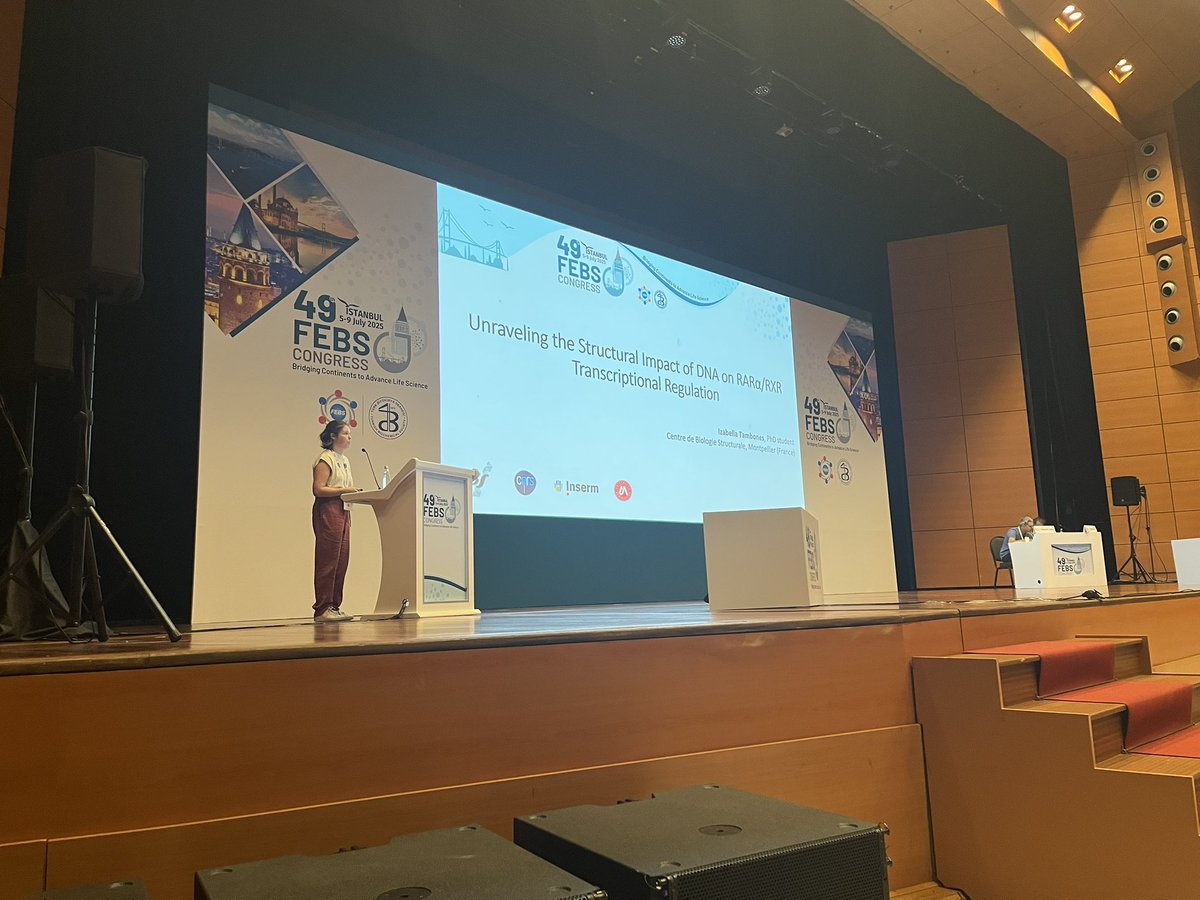
Grateful for the amazing experience I had during my Instruct-ERIC Internship a few years ago! Honored to now present my results at FEBS 2025. #InstructERIC#FEBS2025
Great to see one of the awardees of @instructhub internships presenting at the #FEBS2025
Izabella Tambones from France Interned at Instruct Centre-CZ
To learn more about this great opportunity to train with our experts https://t.co/fQZDwc1dfn
@senobmat@CEITEC_Brno@FEBSnews
PCANN Program for Structure-Based Prediction of Protein–Protein Binding Affinity: Comparison With Other Neural-Network Predictors
1. This paper introduces PCANN, a novel deep learning framework for predicting protein-protein binding affinity (Kd) from structural data. It utilizes the ESM-2 language model to encode binding interfaces and a Graph Attention Network (GAT) to translate this information into accurate Kd predictions.
2. PCANN uses a graph-based representation of protein complexes, where nodes are derived from ESM-2 embeddings and edges are based on interatomic distances. The network architecture combines GAT layers for node updates and GCN layers for edge updates, followed by a multi-layer perceptron (MLP) to predict binding affinity.
3. The model was trained on 585 heterodimeric protein complexes with reliable Kd data obtained from PDBbind, SKEMPI, and MPAD databases. Its predictions are benchmarked against 150 complexes not used during training, demonstrating superior performance over previous models like BindPPI, PPI-Affinity, and ProBAN.
4. PCANN achieves a mean absolute error (MAE) of 1.3 kcal/mol compared to BindPPI’s 1.4 kcal/mol, highlighting its improved predictive performance. The model is also robust against datasets containing NMR and low-resolution structures.
5. The study acknowledges the challenges of limited experimental data and varying experimental conditions for training models. It proposes that literature-based data curation and AI-driven approaches can enhance training datasets for future predictors.
6. PCANN is a promising tool for structure-based prediction of binding affinity, applicable to mutation studies, de novo protein design, and large-scale functional studies.
💻Code: https://t.co/OWW2rveqRb
📜Paper: https://t.co/Z70SKik4Qa
#PCANN #DeepLearning #ProteinInteraction #BindingAffinity #GraphAttentionNetwork #Bioinformatics #MachineLearning #AI #ProteinDesign
New structural insights into the control of the retinoic acid receptors RAR/RXR by DNA, ligands and transcriptional coregulators https://t.co/Loo7fKEuXq #biorxiv_biochem
📢 Make your work FASTER and EASIER!
Use AlphaBridge to analyze your AlphaFold results and receive a clear, easy-to-understand output—even for non-experts.
➡️ Let AlphaBridge help you accelerate your work!
🌐Try it: https://t.co/w4fqySX3Zx
👀Read more: https://t.co/wfEK74sSpo
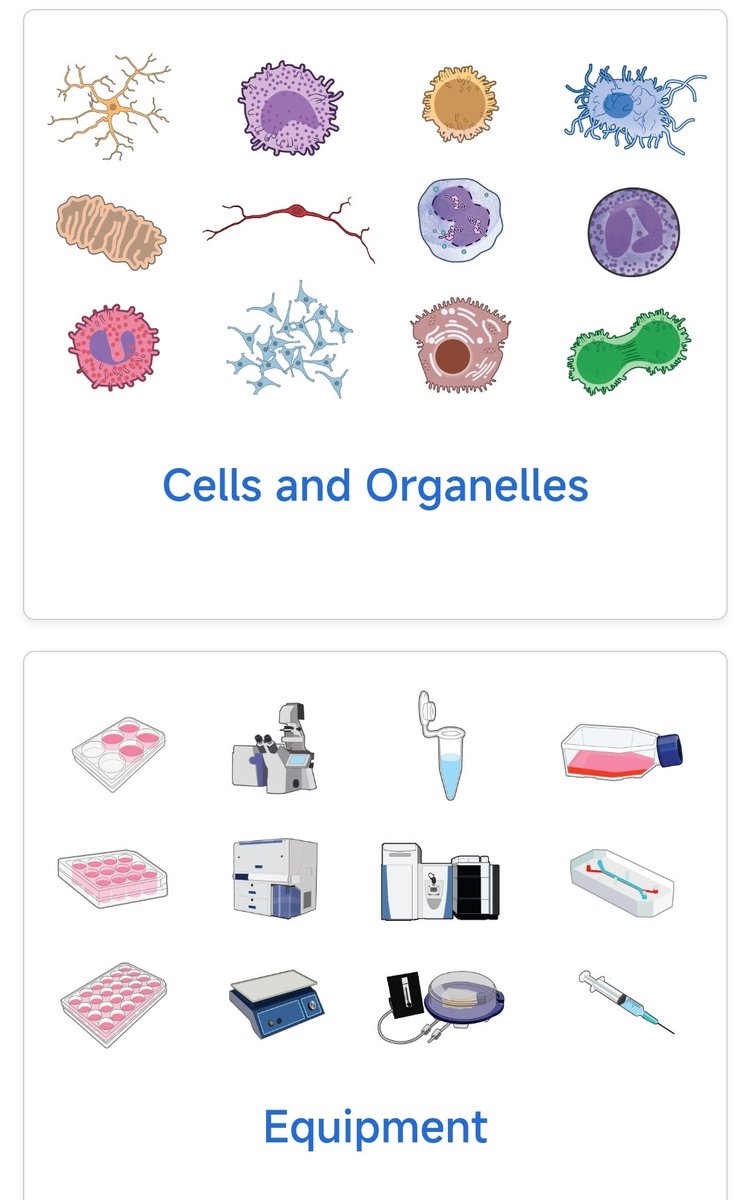
🚨 Great alternatives to BioRender are now available!!
📢 @NIAIDNews offers a collection of public figures and icons for everyone to use. Check it out at https://t.co/cZFQAf5nTz
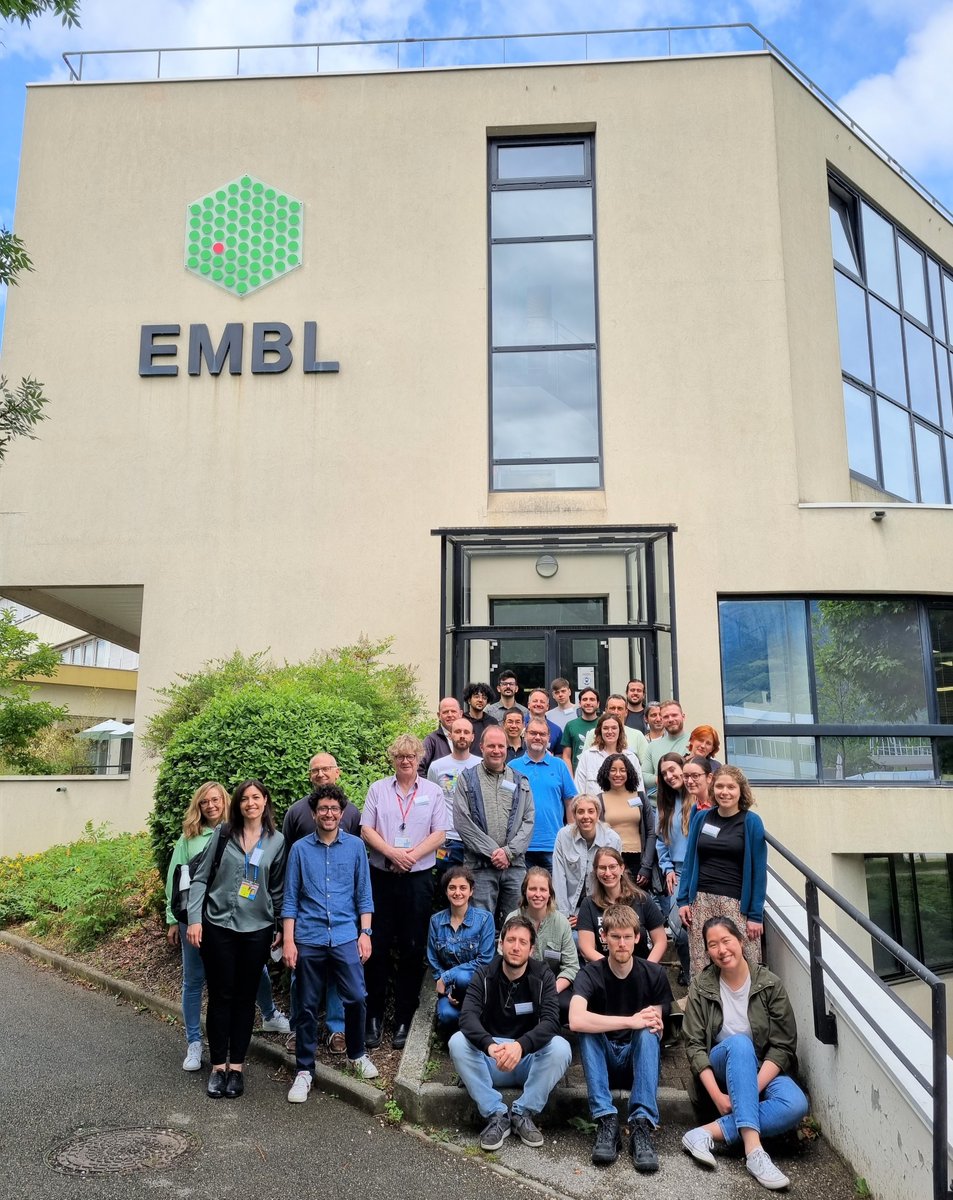
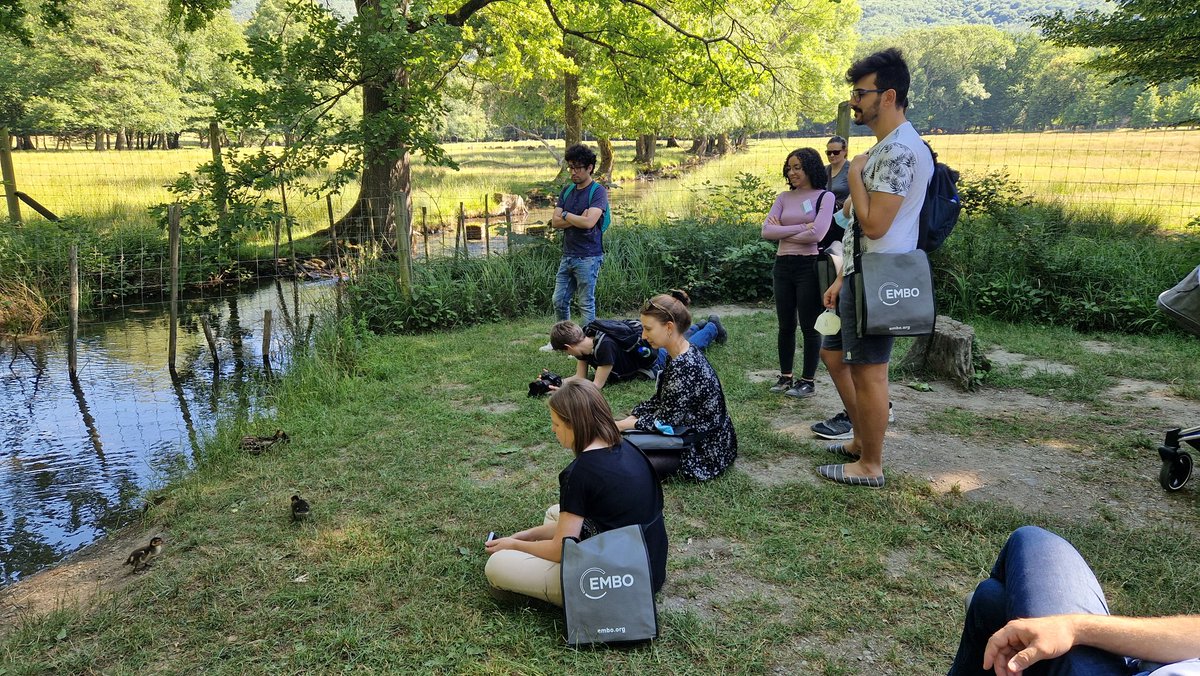
It's almost a wrap! Tomorrow is the last day of the #EMBOmacromolecular course.
Thank you to all the participants & organisers! See you in two years for the next edition!
We are happy to be co-hosting during one week on the EPN campus the #EMBOmacromolecular practical course on Integrative structural biology!
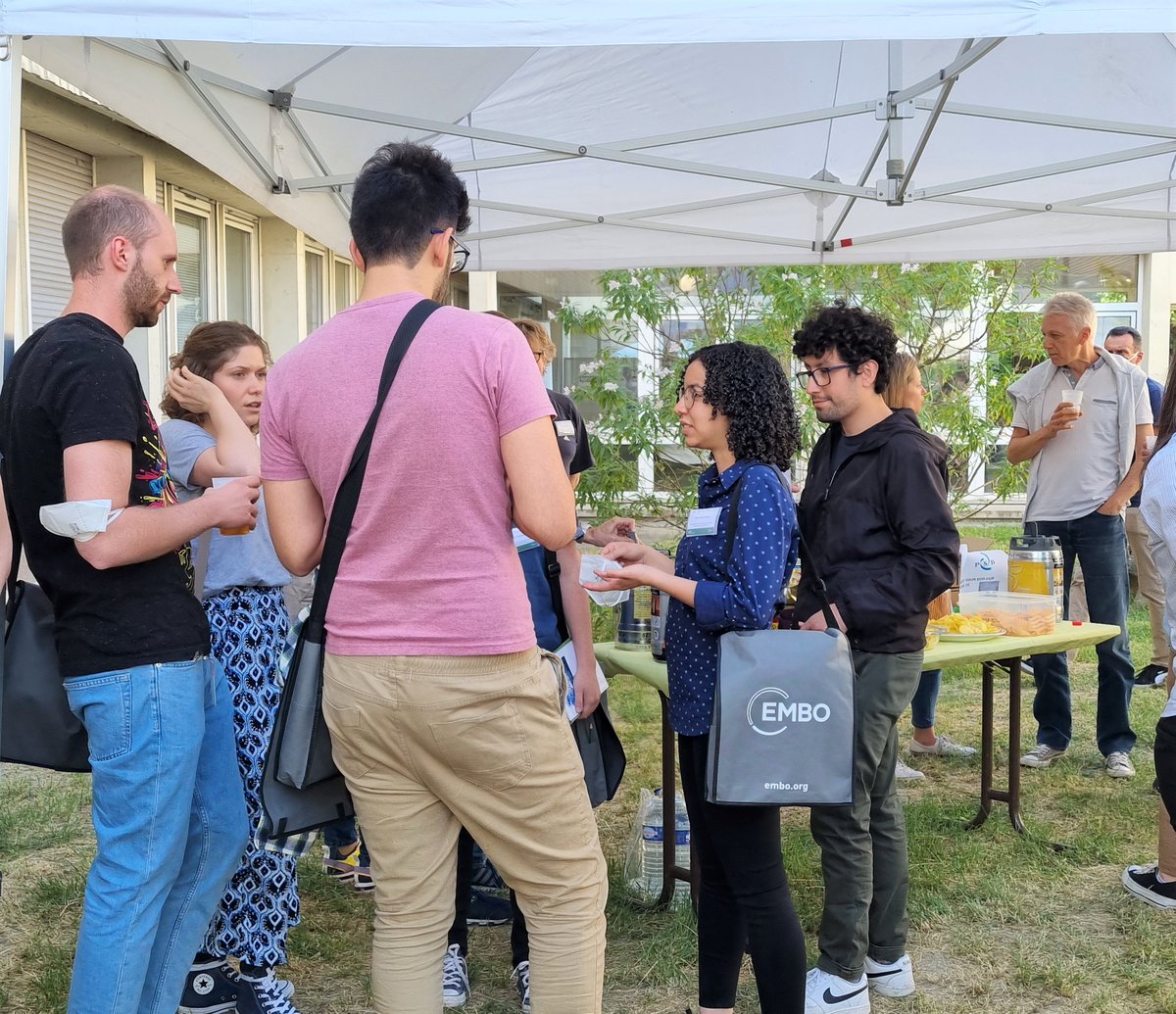
Students had the opportunity to exchange with our staff during a nice get-together organised by the @PSB_Grenoble .