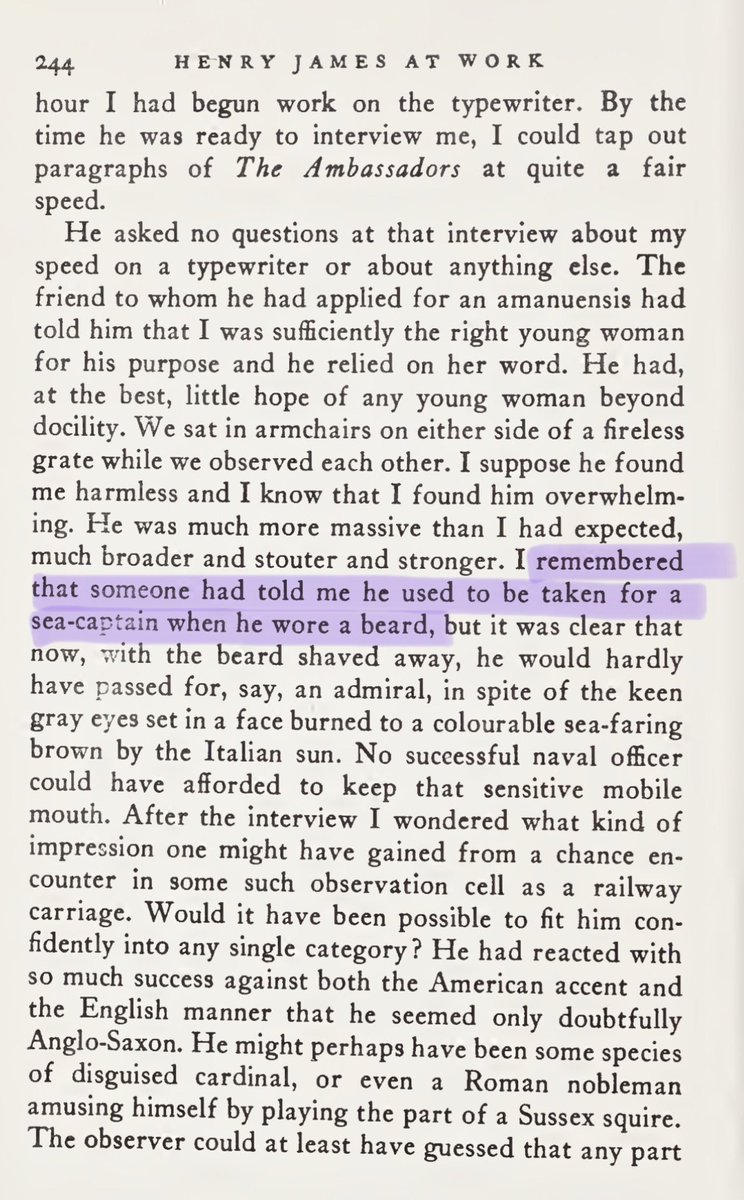
@tylrmntg the aspen papers, the turn of the screw maybe. personally i started with the bostonians and i find it a very fun one, but if i could only read a single james novel in my life id pick the portrait of a lady.
@tylrmntg 🙏🏾 i’m honored!! i would say if you want full-strength james without any of the lassitude that readers sometimes feel from his late works, start with the portrait of a lady.
alternatively, if you want to get a feel, maybe some of the novellas & stories: daisy miller…
gerard manley hopkins: “what i do is me”
gwendolyn brooks: “each body has its art”
robert mattison: “[the painting] seems very much like me.”
drunk with turpentine no. 32, 1979.
one transcription of “the one great truth which underlies all human experience”:
“a strong smell of turpentine prevails throughout.”
oliver wendell holmes sr., “mechanism in thought and morals, 1871.
beautiful pics from the freud museum:
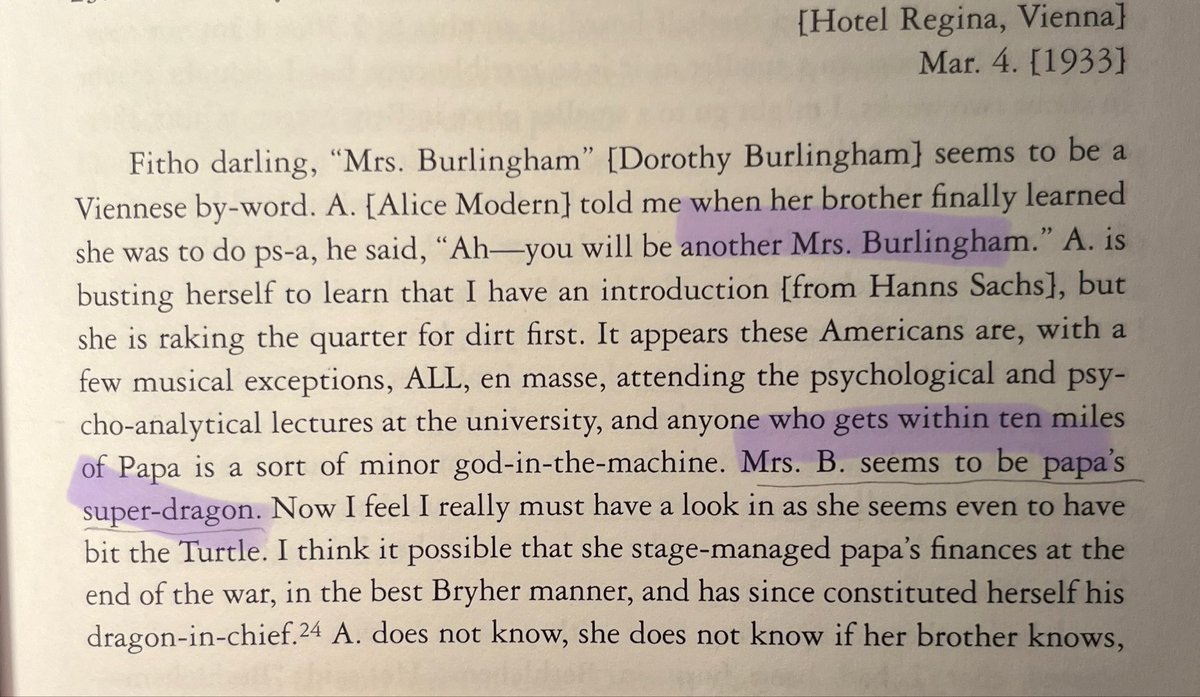
1. anna freud & dorothy burlingham with burlingham’s children in vienna in the 30s (anna had been their analyst)
2 + 3. freud & burlingham in england
4. burlingham at age 87 in 1978, the year before she died
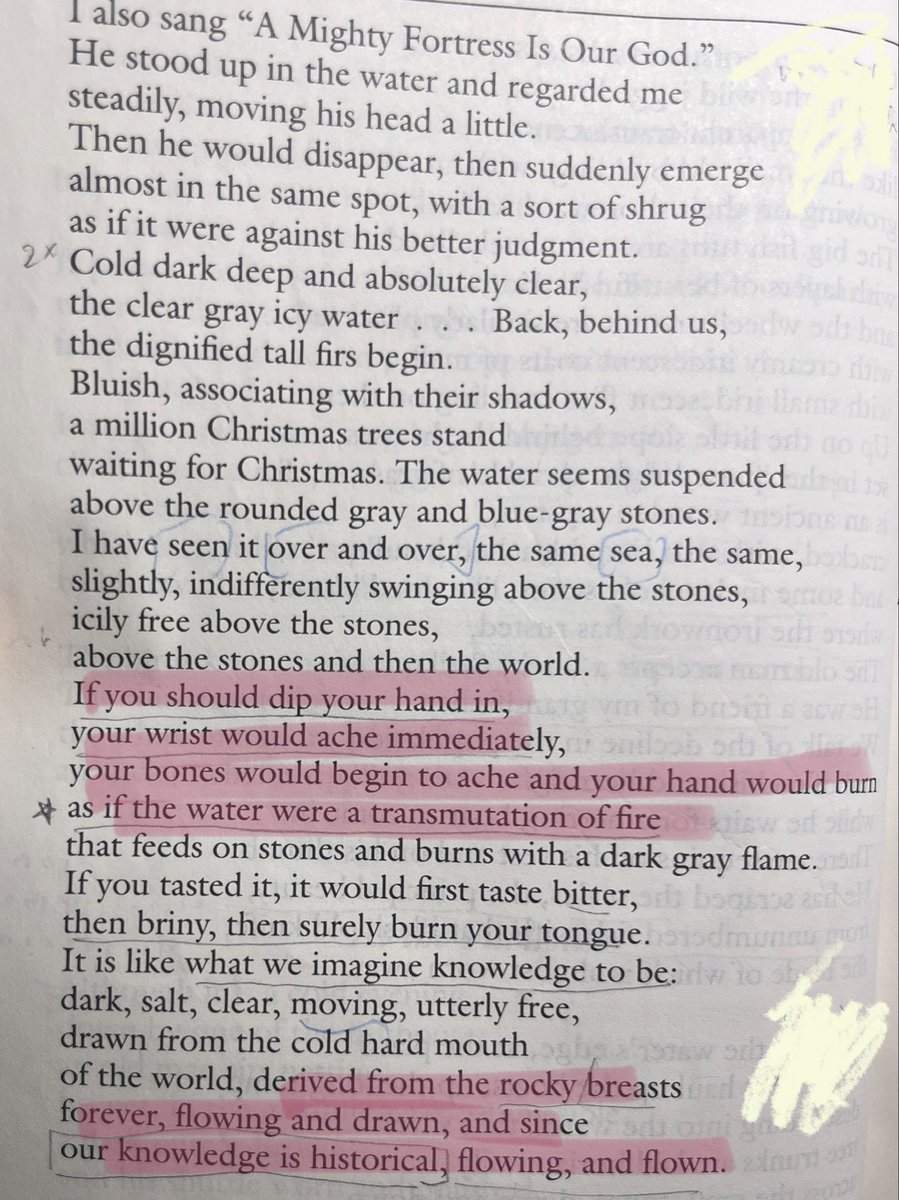
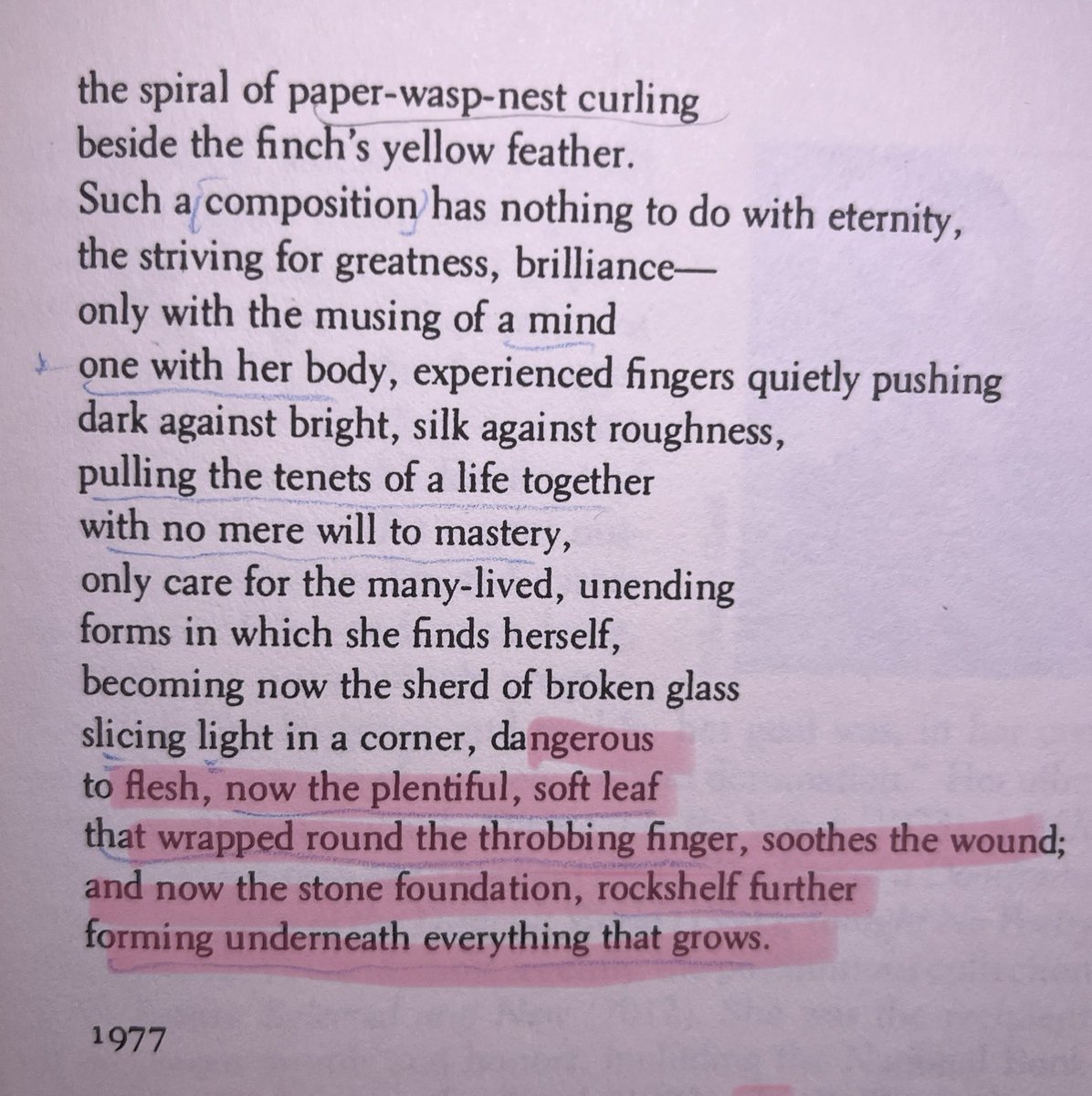
john cotton, cotton mather, elizabeth bishop, and adrienne rich all had stints in massachusetts, the land of puritanism and staid congregationalism.
see the “rocky breasts” and stone foundations below
cleaning out my camera roll…
1. i like the interior design in the 2004 catwoman
2. i was going to buy this for my dad for christmas lmfao
3. regarding susan sontag, 2014
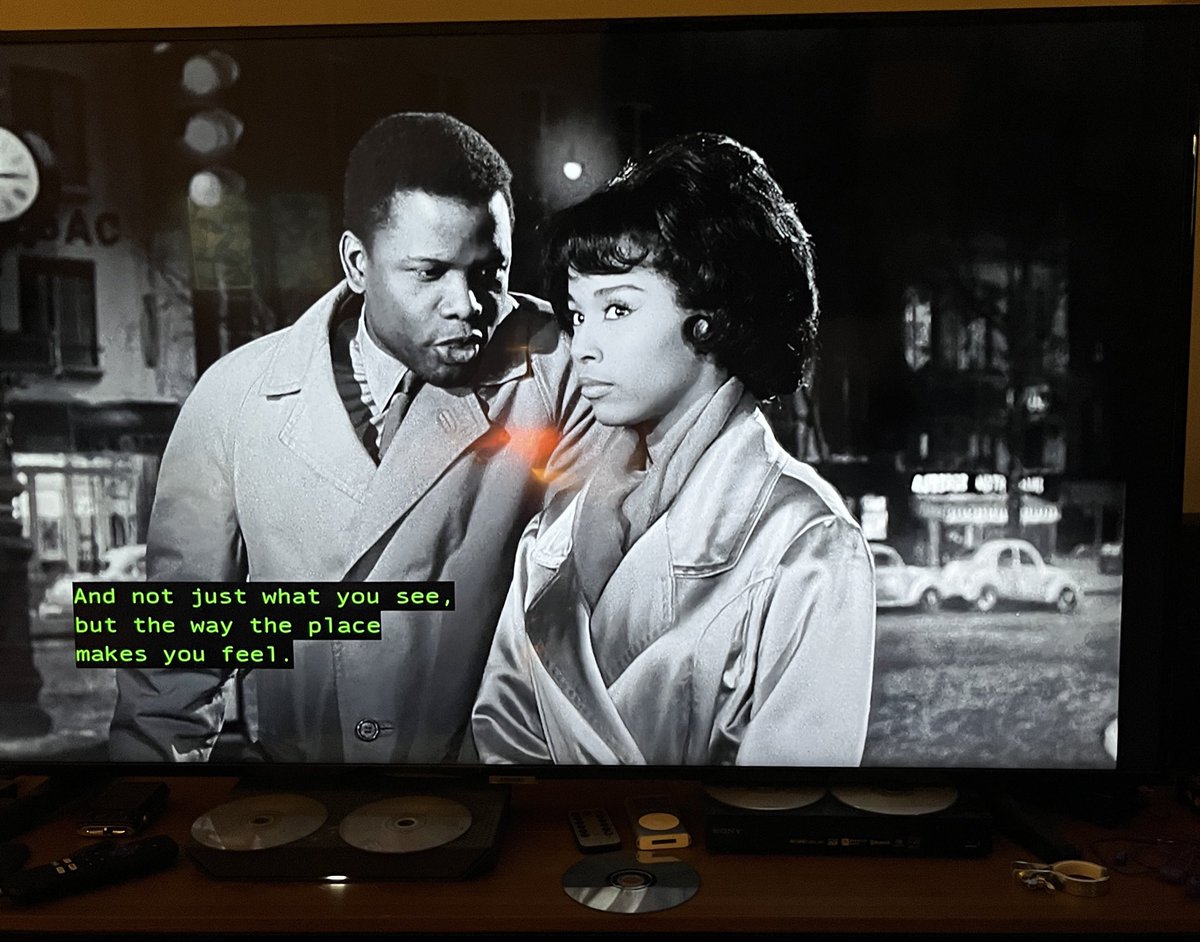
4. sidney poitier and diahann carroll in paris blues, 1961
2 stories i read about shelley this week
1. “extract of a letter from geneva,” john polidori, pub. 1819
2. elizabeth bishop to robert lowell, 30 june 1948
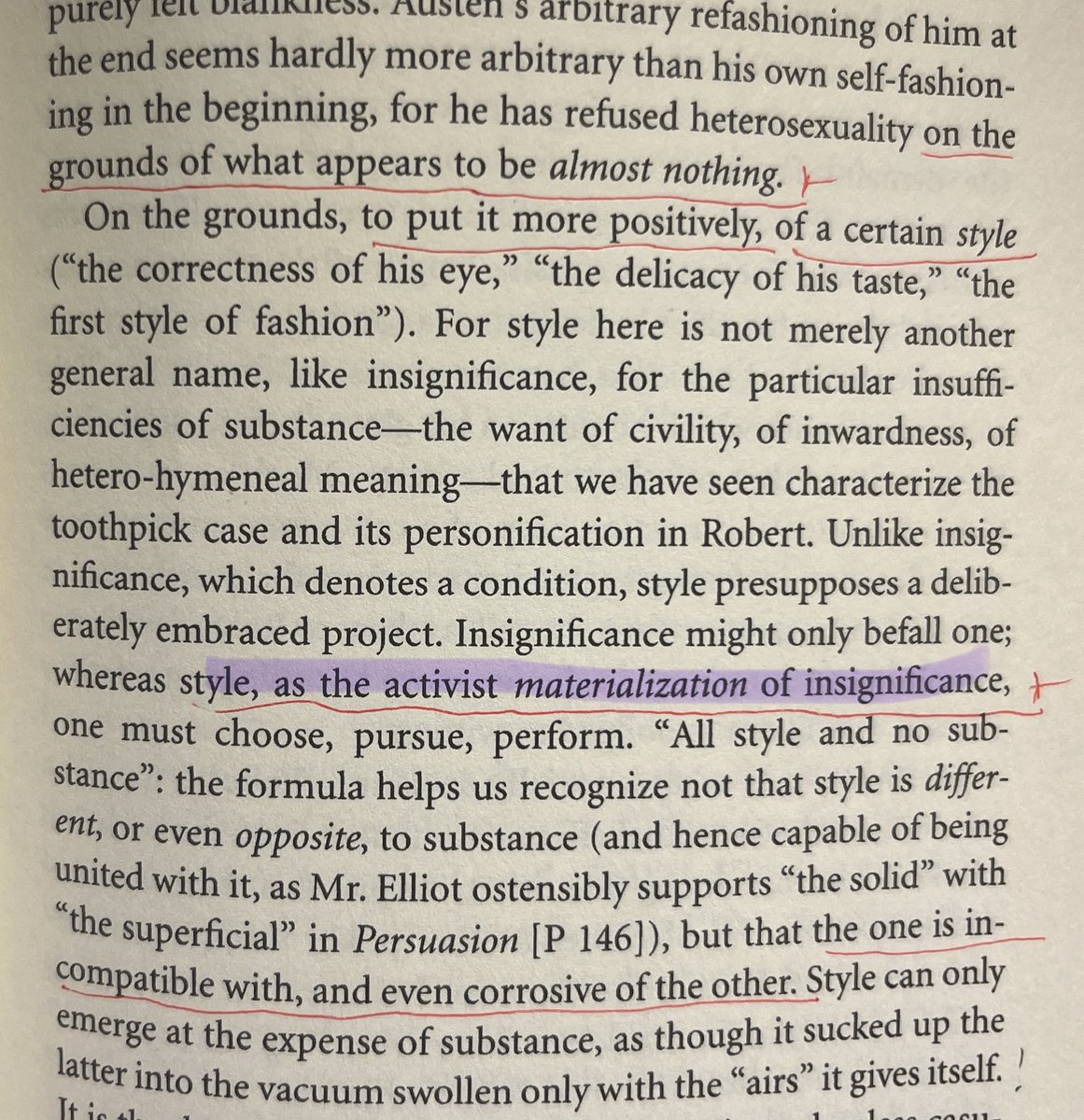
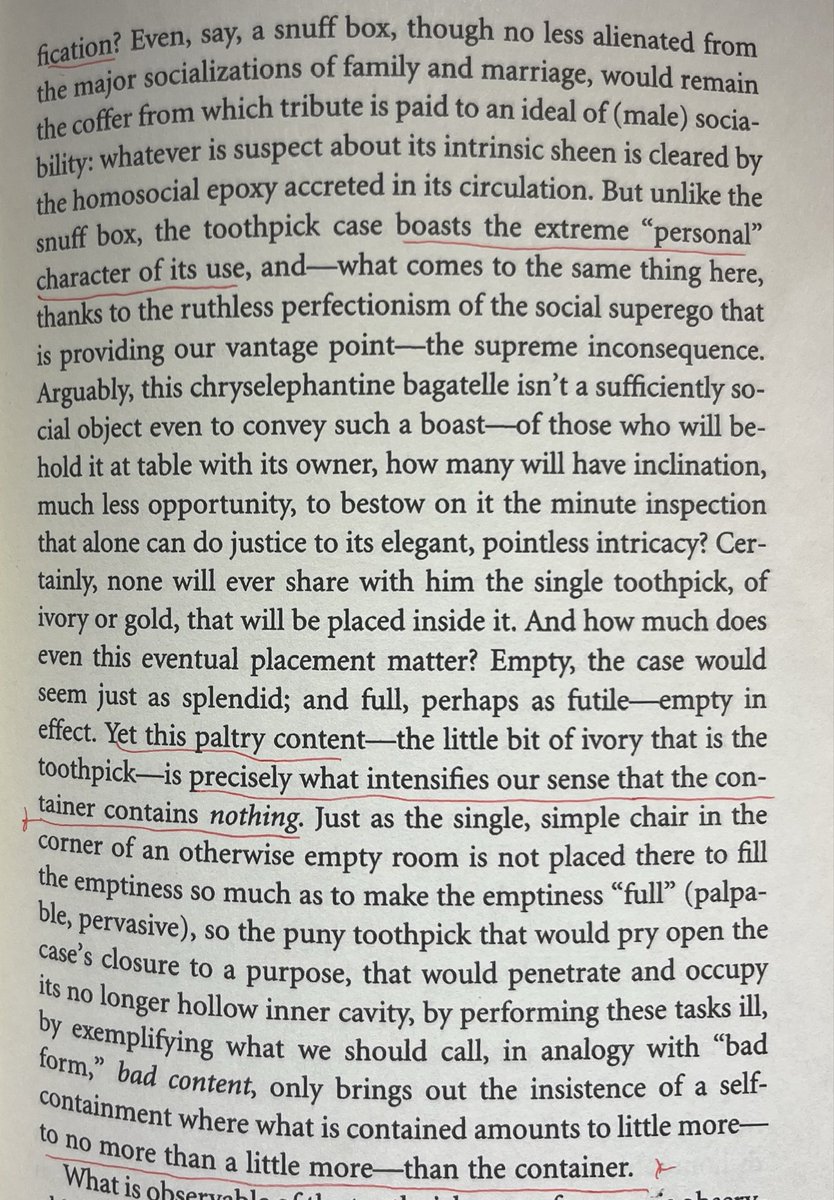
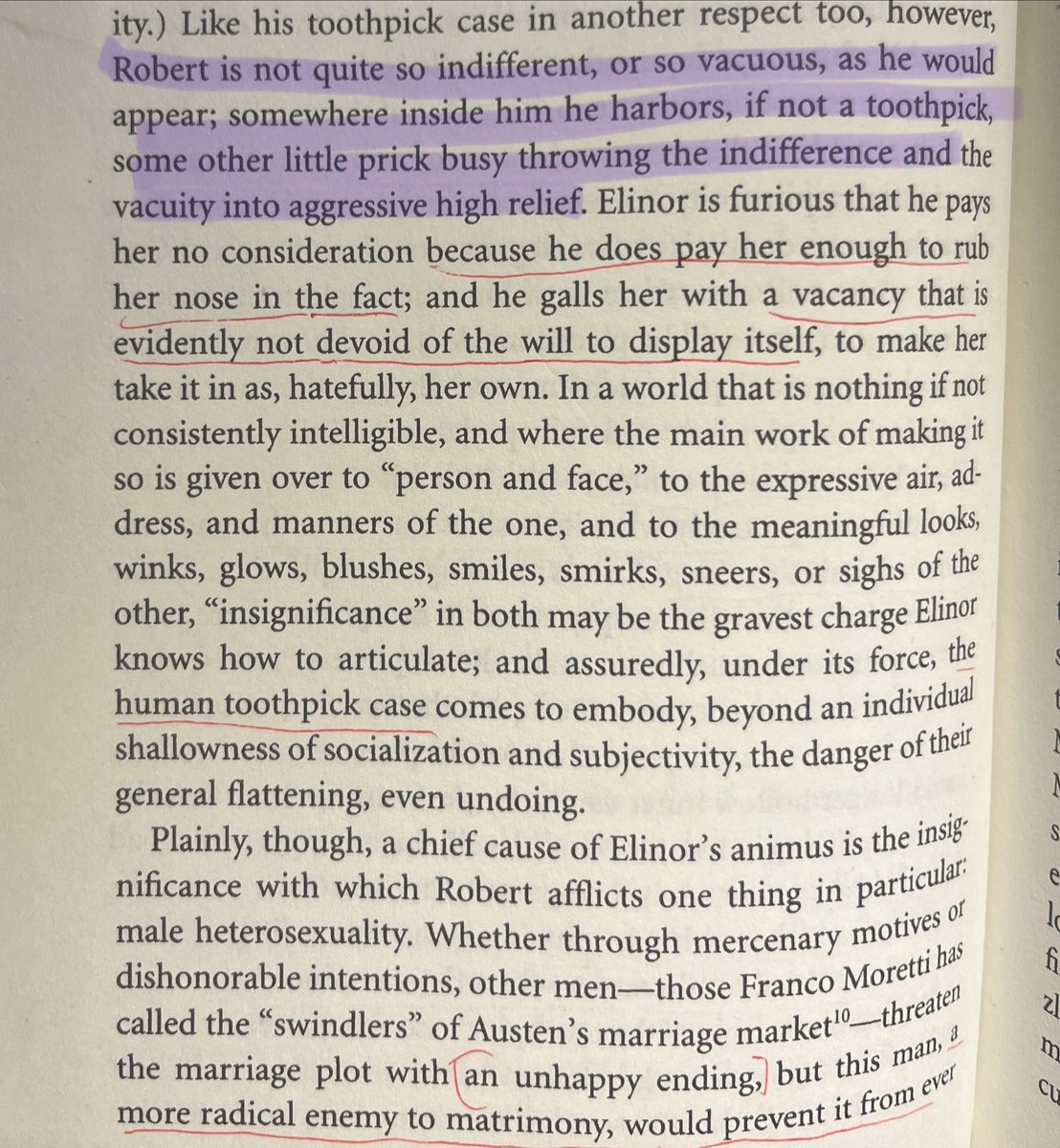
cf. d.a. miller on “the human toothpick case” robert ferrars and the scene in sense & sensibility where he’s giving orders for his own in the jewelry shop; esp his “activist materialization of insignificance”
(jane austen, or the secret of style, 2003.)
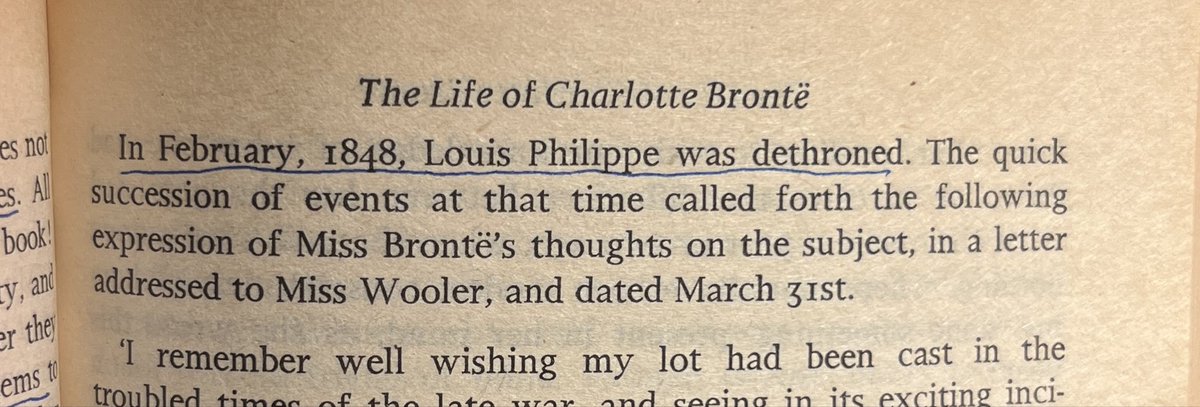
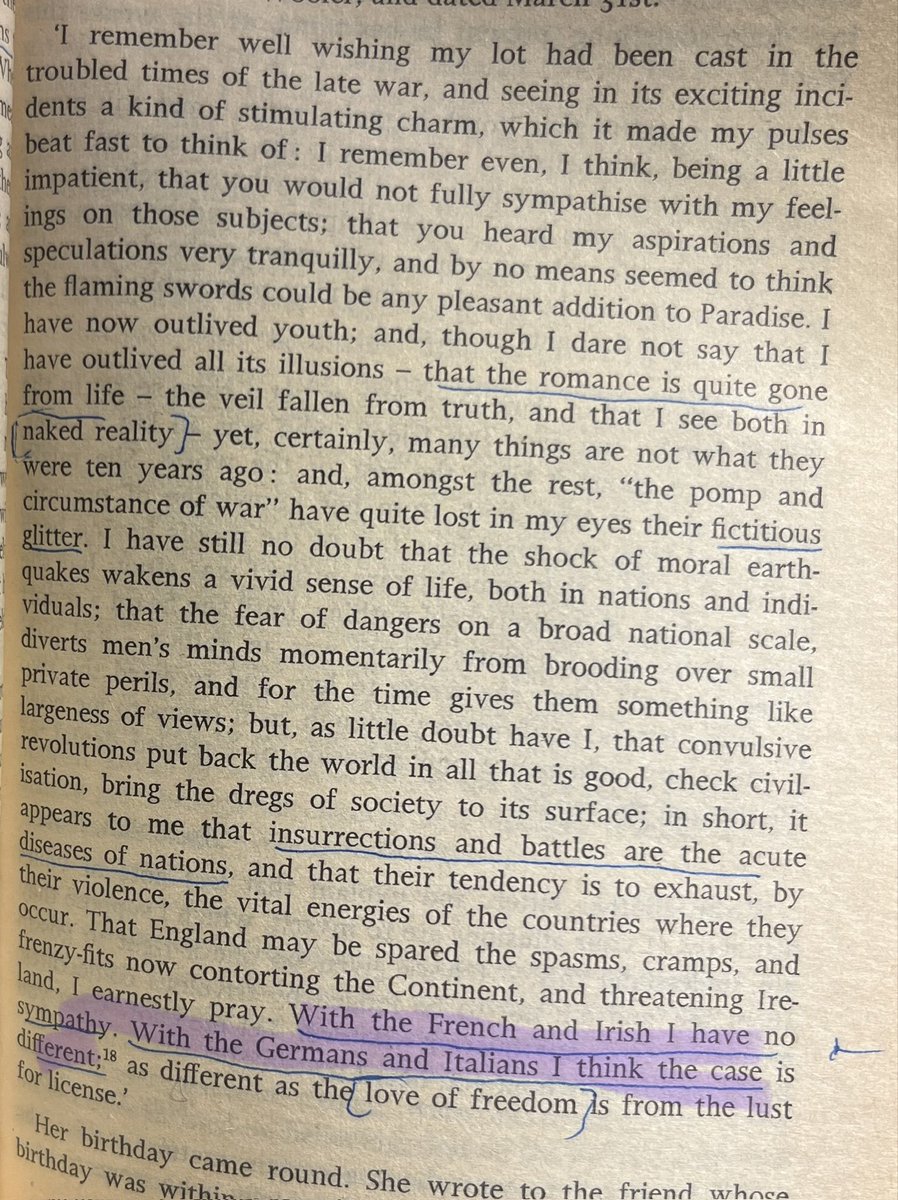
(the staunch tory) charlotte brontë on the events of 1848:
“with the french and irish i have no sympathy. with the germans and italians i think the case is different.”
as far as thackeray was concerned, the battle of waterloo led to “one death and one bankruptcy.”
from a review of vanity fair by elizabeth rigby, lady eastlake, 1848.
@becimay but at my back i always hear / time’s winged chariot hurrying near
(bonus: the grave’s a fine and private place / but none i think do there embrace ?)
+ but i have promises to keep / and miles to go before i sleep
“madame can your baby tell us anything of pre-existence?”
the baby & the corpse can’t fill us in bc “their apparatus for communicating their experiences is not attuned to our apparatus for reception.”
e.m. forster, aspects of the novel, 1927.
@fabulistress also re: the great work nancy kulp (herself a lesbian) did w/the homely secretary archetype, there’s a great interview where she talks a lot about how she felt playing miss h. & what the job was like. i’d be happy to send or screenshot it if you’re interested!
@fabulistress omg this thread (and also your username) made my day!! i grew up watching beverly hillbillies reruns and being bewildered that nobody else in my family loved her the way i did (guess why…)
i’m sooo tickled that miss hathaway is still out here winning hearts and minds ❣️




![sensitive_bore's tweet photo. gerard manley hopkins: “what i do is me”
gwendolyn brooks: “each body has its art”
robert mattison: “[the painting] seems very much like me.”
drunk with turpentine no. 32, 1979. https://t.co/mrVTgAtM60](https://pbs.twimg.com/media/G23PDMNWoAAExCY.jpg)
![sensitive_bore's tweet photo. gerard manley hopkins: “what i do is me”
gwendolyn brooks: “each body has its art”
robert mattison: “[the painting] seems very much like me.”
drunk with turpentine no. 32, 1979. https://t.co/mrVTgAtM60](https://pbs.twimg.com/media/G23PDMMXUAAXixs.jpg)













![sensitive_bore's tweet photo. gerard manley hopkins: “what i do is me”
gwendolyn brooks: “each body has its art”
robert mattison: “[the painting] seems very much like me.”
drunk with turpentine no. 32, 1979. https://t.co/mrVTgAtM60](https://pbs.twimg.com/media/G23PDPfXkAEqBVW.jpg)