محترمہ وزیر اعلیٰ پنجاب مریم نواز صاحبہ،
جناب آئی جی پنجاب صاحب۔
مئی 2025 میں ایس پی شمس صاحب کے خلاف دی گئی میری درخواست پر پنجاب پولیس کی Internal Accountability Branch نے انکوائری مکمل کی، افسران کو بلایا، بیانات لیے، اور DSP بخت نصر سمیت کئی افسران کو charge sheet کیا۔
لیکن ایک سال گزرنے کے باوجود آج تک final action pending ہے۔
کیا IAB کی رپورٹ پر بھی action نہیں ہوگا تو عام شہری کہاں جائے گا؟
میری گزارش ہے کہ اس delay کا نوٹس لیا جائے، charge sheet کیے گئے افسران کے خلاف final action کیا جائے، اور SP شمس خان کے معاملے کو personally دیکھا جائے۔
@CMComplaintCell@MaryamNSharif@IGP_Punjab@OfficialSPPO@multan_cpo@rpo_multan
Crawl Depth vs. Crawl Frequency
Crawl Depth refers to how deep Googlebot goes into your site’s structure how many clicks from the homepage. Crawl Frequency is how often a specific page is crawled. Depth affects discoverability; frequency reflects importance.
#seo
GA4 SEO Integration Track What Truly Matters
GA4 isn’t just for traffic it helps measure real engagement. Use scroll depth, average engagement time, and event tracking to understand how users interact with content. These signals indirectly support SEO by showing Google.
#seo
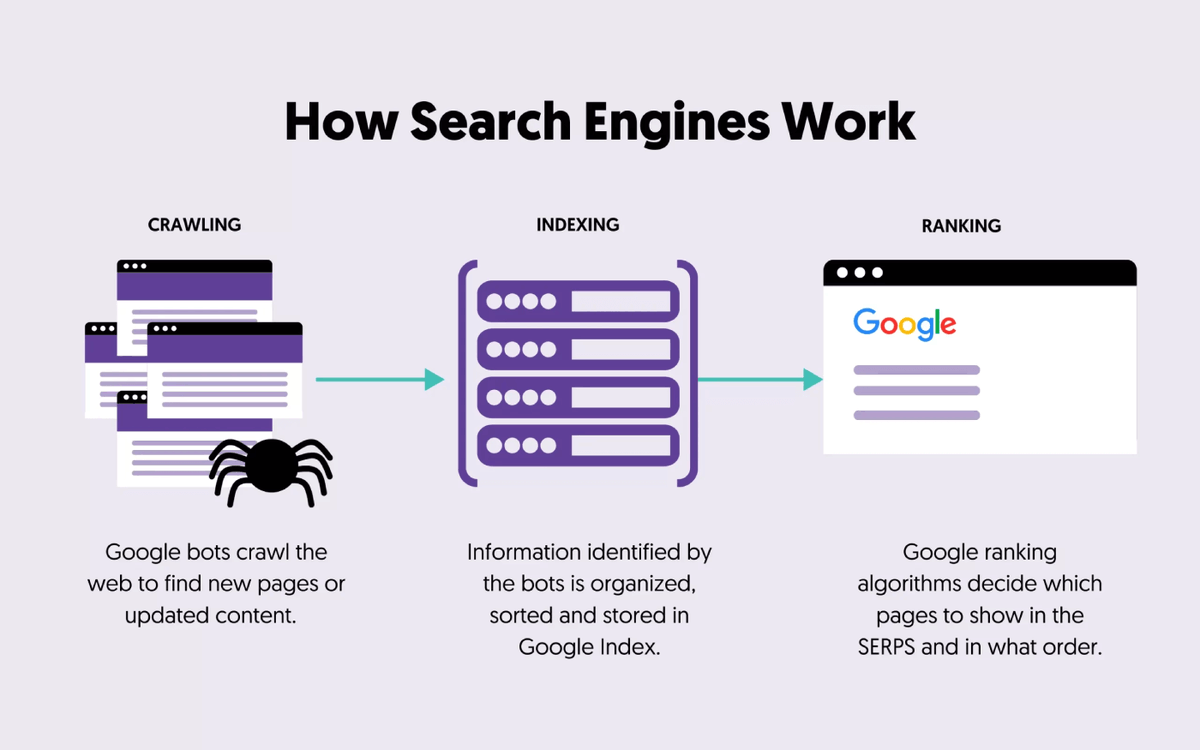
Robots.txt is a text file that tells search engine crawlers which pages or folders to crawl or avoid. It helps control indexing, protect sensitive content, and manage crawl budgets. A well-configured robots.txt boosts SEO efficiency, especially for large websites.
#seo
A sitemap is an XML file listing all website URLs to guide search engines during crawling and indexing. It enhances site visibility by ensuring new or updated pages are discovered quickly. Proper sitemap use improves crawl efficiency, supports SEO health, and boosts.
#seo
Meta Tags in SEO
Meta tags are snippets of code that provide information about a webpage to search engines. Common tags include the meta title, meta description, and robots tag. They help improve click-through rates, control indexing.
#seo
Indexability in SEO
Indexability refers to a search engine’s ability to read, analyze, and add a webpage to its index. If a page is not indexable, it won’t appear in search results. Proper use of robots.txt, meta tags, and clean site structure .
#seo
Crawlability in SEO
Crawlability refers to how easily search engine bots can access and navigate a website’s content. Good crawlability ensures that all important pages are indexed. Factors affecting it include internal linking, robots.txt, and site structure.
#seo
Canonical URL in SEO
A canonical URL is the preferred version of a webpage when duplicate or similar content exists across multiple URLs. It helps search engines understand which version to index, avoiding duplicate content issues.
#seo
Sitemap in SEO
A sitemap is a file that lists all important pages of a website, helping search engines like Google crawl and index content more efficiently. It improves visibility, especially for large or new websites, ensuring no page is missed during indexing, thereby enhancing
Redirect in SEO
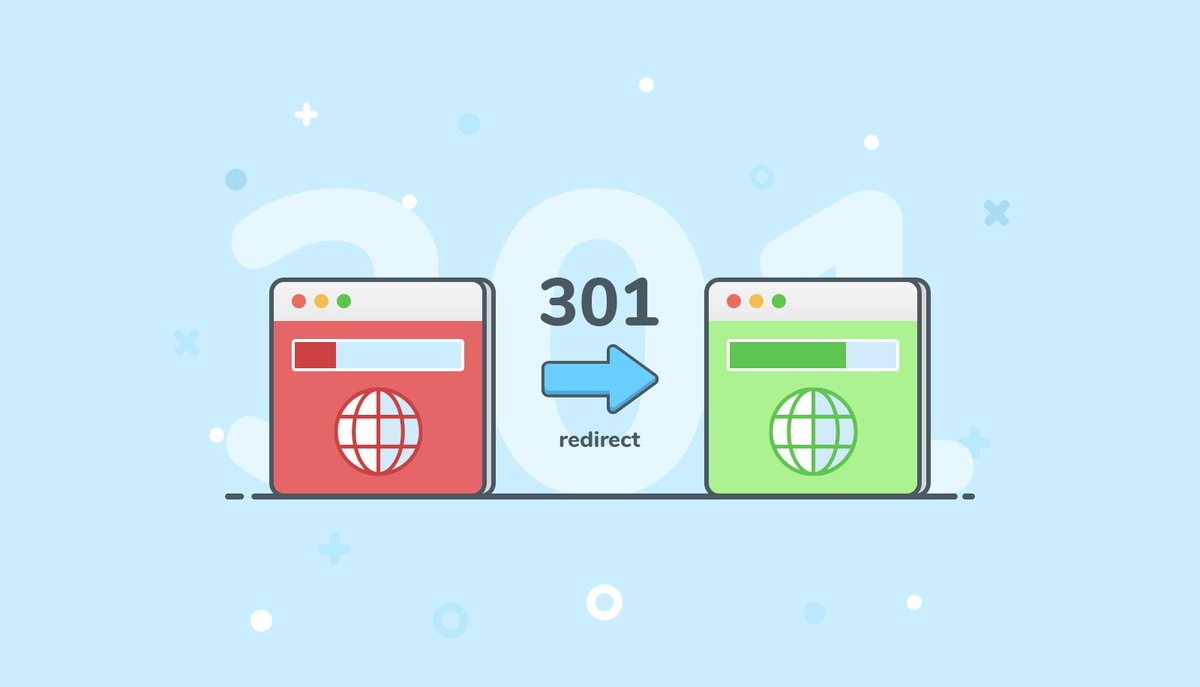
A redirect in SEO is a method to forward users and search engines from one URL to another. Common types include 301 (permanent) and 302 (temporary) redirects. Proper use helps maintain link equity, avoids broken links, and ensures smooth user experience.
#seo
404 Error in SEO
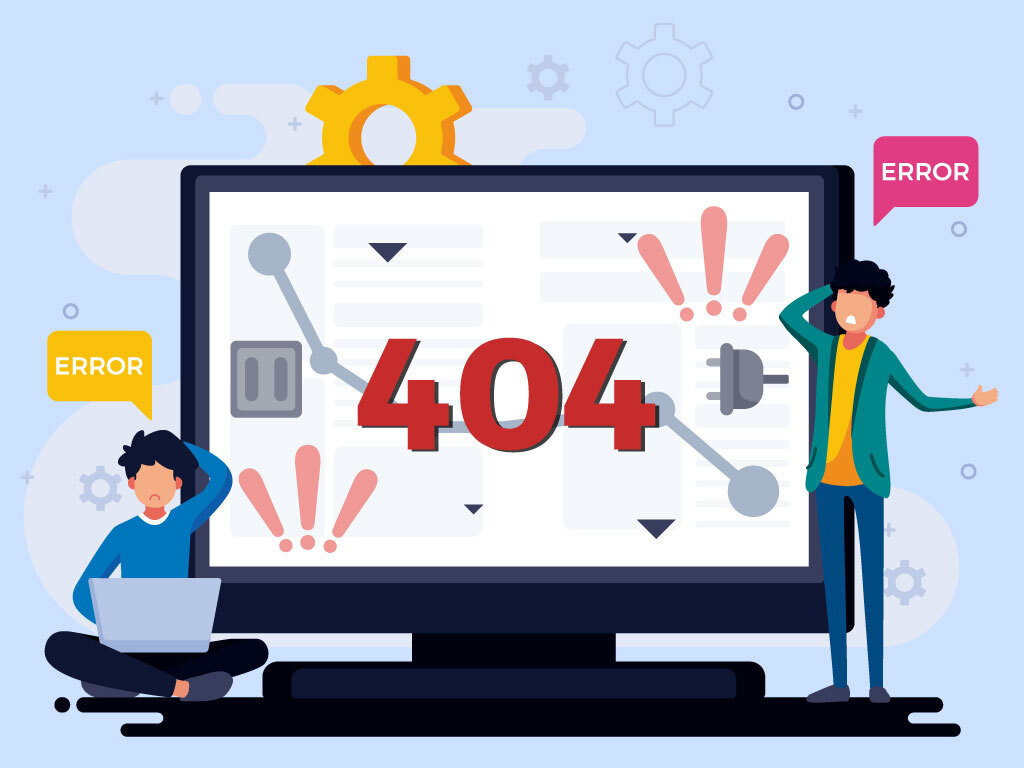
A 404 error means a webpage can’t be found. In SEO, too many 404s hurt user experience and site credibility. They waste crawl budget and can lower rankings. Regularly check for broken links using tools like Google Search Console or Screaming Frog.
#seo
Internal Links in SEO
Internal links connect one page of a website to another within the same domain. They help search engines crawl the site efficiently, distribute page authority, and improve user navigation. Proper internal linking enhances SEO by boosting keyword .
#seo
External Links in SEO
External links, also known as outbound links, point from your website to other authoritative websites. They help search engines understand your content’s relevance and credibility. Linking to high-quality sources improves user trust.
Page Speed in SEO
Page speed directly impacts SEO rankings, user experience, and bounce rates. Faster-loading pages are favored by search engines like Google. Slow websites frustrate visitors and reduce engagement. Optimizing images, minimizing code, and using caching can boost.
Mobile-friendly SEO ensures your website performs well on smartphones and tablets. Google prioritizes mobile-first indexing, meaning mobile usability directly impacts rankings. A responsive design, fast loading speed, and easy navigation improve user experience.
#seo
Core Web Vitals in SEO
Core Web Vitals are essential Google ranking factors that measure user experience. They focus on loading speed (LCP), interactivity (FID/INP), and visual stability (CLS). Optimizing these metrics improves website performance, boosts SEO rankings.
#seo
Importance of HTTPS in SEO
HTTPS (Hypertext Transfer Protocol Secure) is a ranking factor in Google’s algorithm. It encrypts data between the user and the website, ensuring secure browsing. Google prioritizes HTTPS websites for better trust and safety.
#seo