Right after the solar eclipse, the night of August 12 to 13 also brings the peak of the Perseid meteor shower.
The Perseids are one of the most reliable and spectacular meteor showers of the year. They are caused by Earth passing through the debris left by comet 109P/Swift Tuttle. At their peak, under dark skies, you can typically see 50 to 100 meteors per hour, many of them bright and fast, often leaving persistent trains.
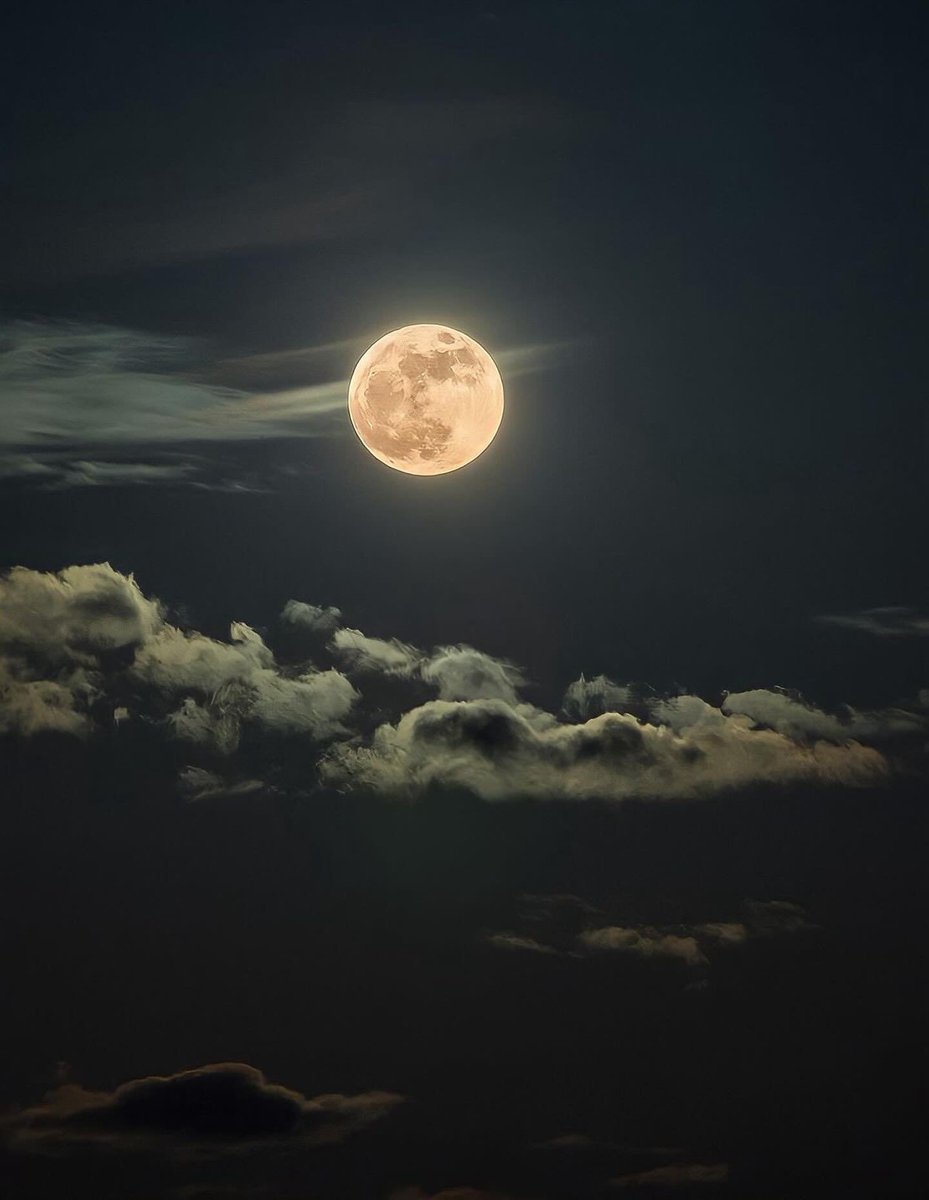
Because the Moon will be a thin crescent (new Moon was just before the eclipse), the sky will be especially dark, offering excellent viewing conditions. The best time to watch is after midnight until dawn, when the radiant in the constellation Perseus is highest in the sky.
Find a dark location away from city lights, lie back, and give your eyes at least 20 minutes to adapt to the darkness. No special equipment is needed, just patience and a clear view of the sky.
Shooting an animal is a crime.
Destroying its home is legal.
We protect the creature on paper… while giving industry the green light to bulldoze the only forest it needs. That’s not conservation. That’s a legal illusion.