Hey @rogerwaters fuck you. How pathetic and out of touch you’ve become. The only way you seem to get attention these days is by vomiting out bullshit in the press. My father always thought you were a cunt — thanks for proving him right. 🤡 #fuckrogerwaters
PEDRITO
Hoy hemos recibido la triste noticia del fallecimiento del compositor Pedro Altamiranda.
"Pedrito", como era popularmente conocido en Panamá, es sin duda el panameño que con mejor éxito describió la realidad de la vida nacional, específicamente dedicando sus trabajos a retratar la idiosincrasia del habitante de la ciudad, con un poder animado por su
inteligencia, unida a un incisivo sentido del humor y una honesta capacidad para la observación.
Pedro Altamiranda fue un verdadero intelectual, a pesar de haber sido generalmente descrito como escritor de canciones y cantante. La seriedad siempre estaba presente detrás de lo relatos que con absoluta propiedad nos regalaba y que hicieron no solo reír
sino pensar a varias generaciones. Su preocupación por las letras y el uso del lenguaje, demostrado por el doctorado en Filología y Literatura que obtuvo en la Sorbona, Francia, lo elevan mas allá de la consideración que merece como artista y creador de temas
musicales populares. "Pedrito" es un Gran Panameño y como tal así será siempre recordado.
Descanse en paz, colega.
¡Pase por "Go" y vaya directo pa'l cielo, tu ras!
Rubén Blades
8 de Marzo, 2024
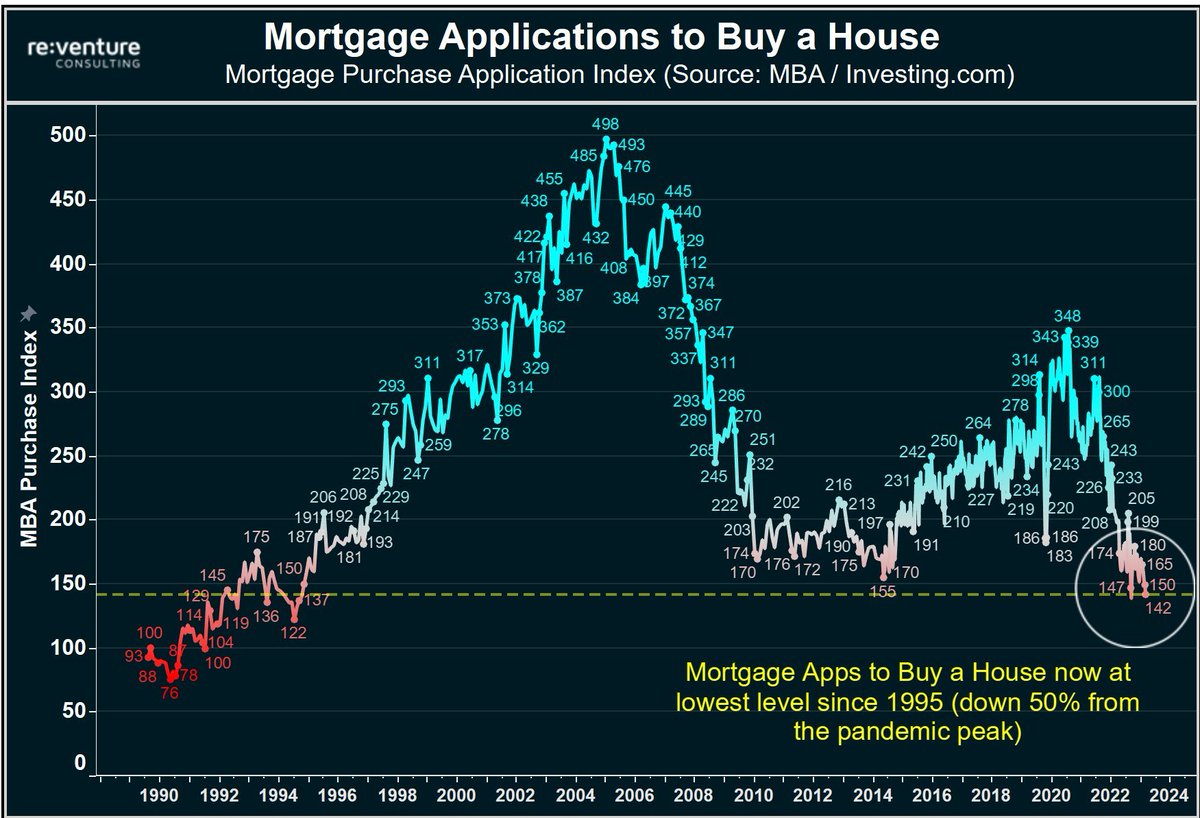
Mortgage demand is now at its lowest level since 1995 and still falling SHARPLY.
To put this in perspective, mortgage demand in 2005 was ~300% above current levels.
Since 2021, mortgage demand is down a massive 60%.
Meanwhile, existing home sales are down 16% this year, their lowest since 2010.
No one wants to sell and no one wants to buy.
Truly historic times.
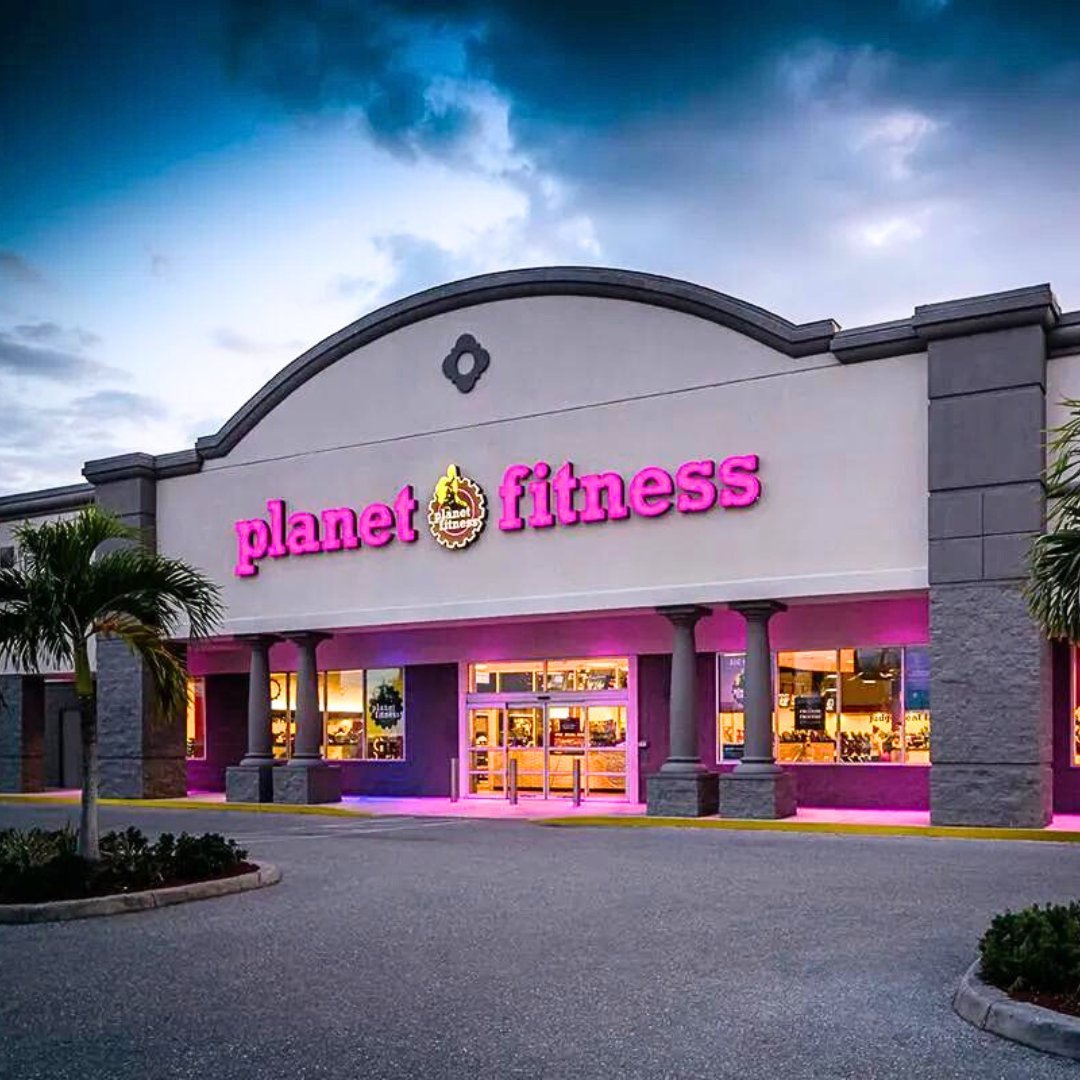
Planet Fitness is a fascinating case study.
They offer free pizza and bagels and kick out all the powerlifters by removing heavy weights from the gym.
But their membership price hasn't changed in 25 years, and they now have 2,500 gym locations worldwide.
Here's how it works 👇
The Planet Fitness story starts in 1992.
Michael & Marc Grondahl came from a family of entrepreneurs and wanted to start their own business.
So they bought a struggling Gold's Gym in Dover, New Hampshire.
But instead of catering to bodybuilders (like Gold's Gym), they focused on getting first-timers acclimated to fitness.
They added aerobics classes, child day care, state-of-the-art equipment, and introduced year-long payment plans.
The model initially worked — but as they added two more locations, problems started to compound.
Example: A kid would push another kid in daycare and start crying, or the aerobics instructor wouldn't show up for work and people would get pissed.
So the Grondahl brothers returned to the drawing board for their fourth gym in Portsmouth, New Hampshire.
They removed the heavy weights and introduced the "Judgement Free Zone," effectively kicking out bodybuilders and softening the gym's image.
They ditched group classes, juice bars, and childcare facilities, filling the gym with nothing but equipment.
And they changed the gym's hours to 24/7/365.
But the real game-changer was the price.
That's because getting rid of all the fluff typically associated with gym memberships (group classes, smoothie bars, steam rooms, etc.) allowed Planet Fitness to drop its price to just $10 per month.
That's 80% cheaper than the average gym in the United States ($50/month) and 94% less than an entry-level membership at a luxury gym like Equinox.
And here's the craziest part...
The $10/monthly price hasn't changed in 25 years.
Planet Fitness can do this because:
1) They sign cheap lease agreements with large retail locations that are struggling (Toys “R” Us, Circuit City, etc.).
2) They intentionally target the 80% of Americans that don’t have a gym membership.
The $10/month price point is perfect for these people — affordable enough to get new members but cheap enough so no one cancels.
And it allows Planet Fitness to significantly oversell its available inventory (aka gym space).
For example, the average Planet Fitness is 20,000 square feet and has 7,500 members.
But Planet Fitness knows that 60% of its members don't go to the gym for a 30-day period. So they oversell the space and collect more membership fees each month.
The company then upsells a large portion (60%) of the members that do use the gym, convincing them to pay $25/month for a better package (all locations, etc.).
And they scale this model through franchises.
Planet Fitness only owns ~200 of the 2,500 locations.
The rest are owned by franchisees (individuals, private equity funds, etc.) that pay between $1.5 million to $5 million in setup costs.
These franchises then provide Planet Fitness a steady revenue stream of gym membership royalties (7%), national marketing fees, and even PF-branded equipment sales.
Example: Planet Fitness sold $227 million in equipment to franchises last year alone.
Planet Fitness 2022 Revenue Breakdown
• Franchise revenue: $271.6 million
• Corporate-owned store revenue: $379.4 million
• National advertising fund revenue: $58.1 million
• Equipment: $227.7 million
–––––———
Total 2022 Revenue: $936.8 million (+60% YOY)
And Planet Fitness doesn’t seem to be slowing down anytime soon.
Their franchise model enabled them to open 158 new gyms last year alone — and by keeping their monthly membership rate steady at $10, same-store sales increased more than 11% from 2021.
Planet Fitness Market Cap
2015: $1.5 billion
2023: $6 billion
So the lesson here is simple: Sometimes it pays to think outside the box.
** This breakdown is an excerpt from my 3x weekly podcast (Top 50 in US Sports). Subscribe below so you don't miss any episodes going forward!
Apple: https://t.co/oxtjqN8JOE
Spotify: https://t.co/PHsIGLEjJB