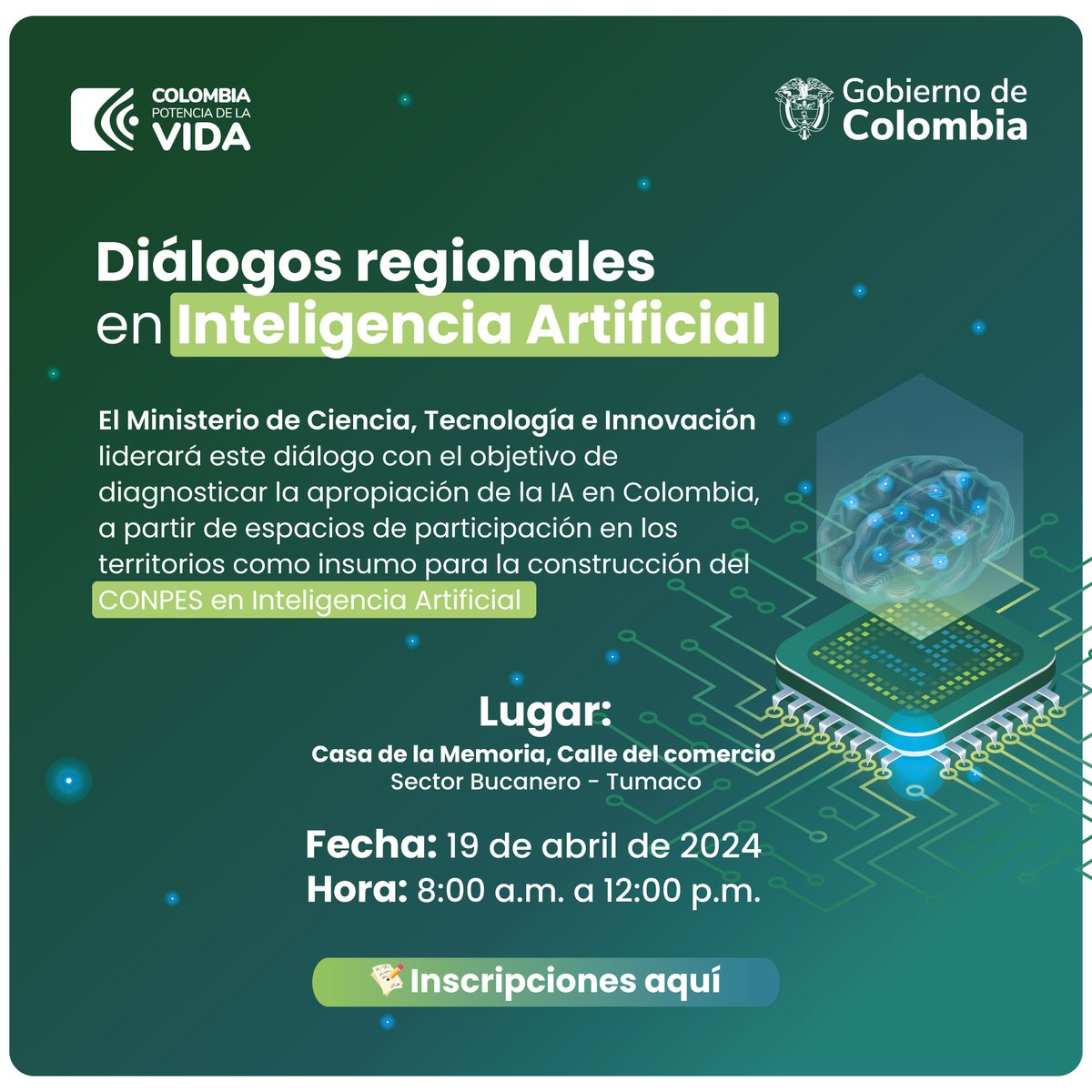
🗣️Inteligencia artificial (IA) será el tema de conversación en los territorios con #MinCiencias. Este viernes 19 de abril iniciarán en 📍#Tumaco, Nariño, los Diálogos Regionales en #IA para aportar a la construcción del CONPES.
Inscríbete para participar: https://t.co/LZ1oSfhZFc
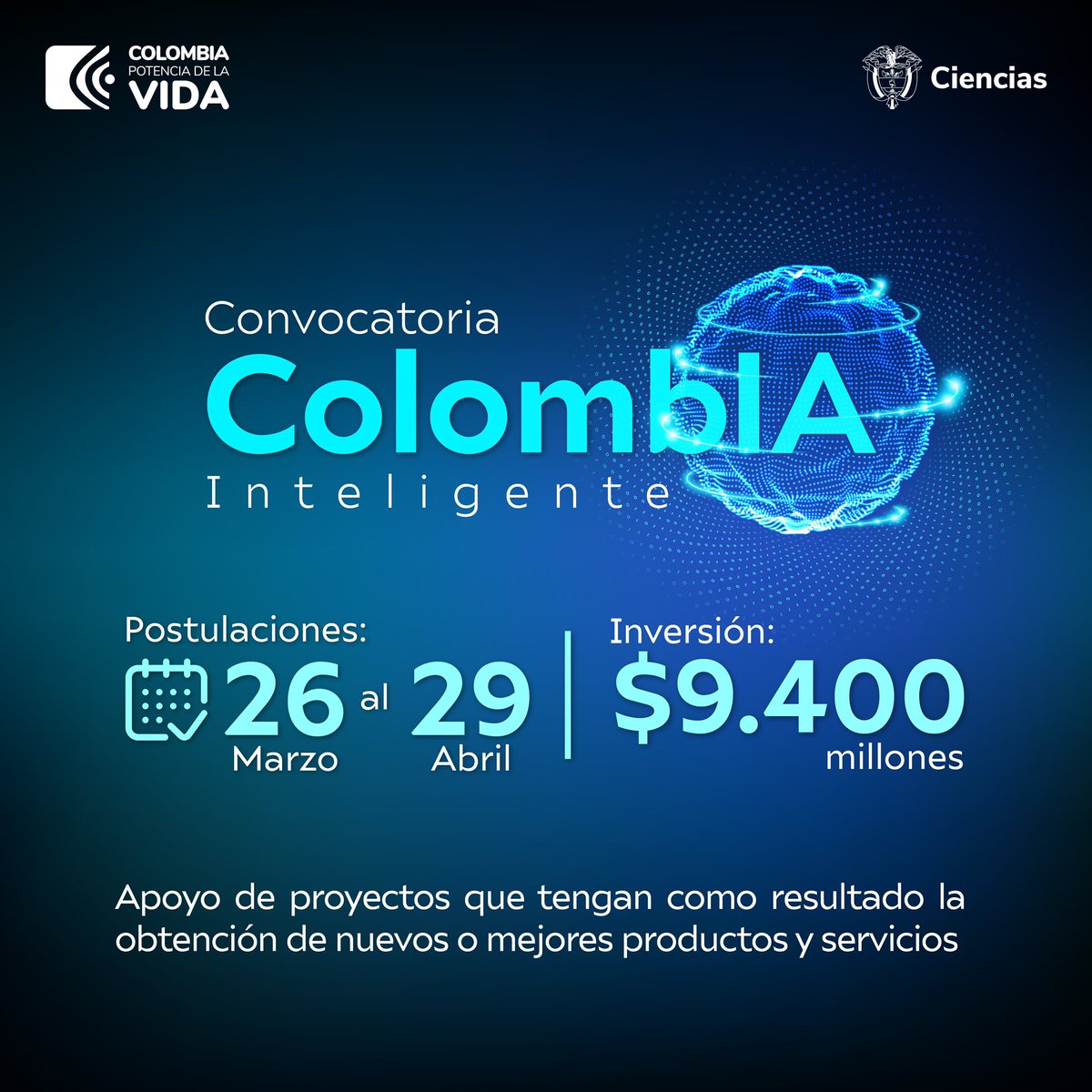
¿Ya sabes de #ColombIAInteligente? Este es el nuevo programa de #MinCiencias que impulsa proyectos de inteligencia artificial y tecnologías aeroespaciales.
Actualmente, tiene una convocatoria abierta por más de $9.400 millones.
💻 Detalles: https://t.co/A2rbNj6fht
La Metodología General Ajustada (MGA) para la formulación de proyectos de inversión pública en #Colombia, del @DNP_Colombia, ahora se ajusta para las convocatorias de Ciencia, Tecnología e Innovación.
¡Conéctate!
🗓️ Marzo 12 de 2024.
🕐11:00 a.m.
🔗 https://t.co/cx2cyuwESc
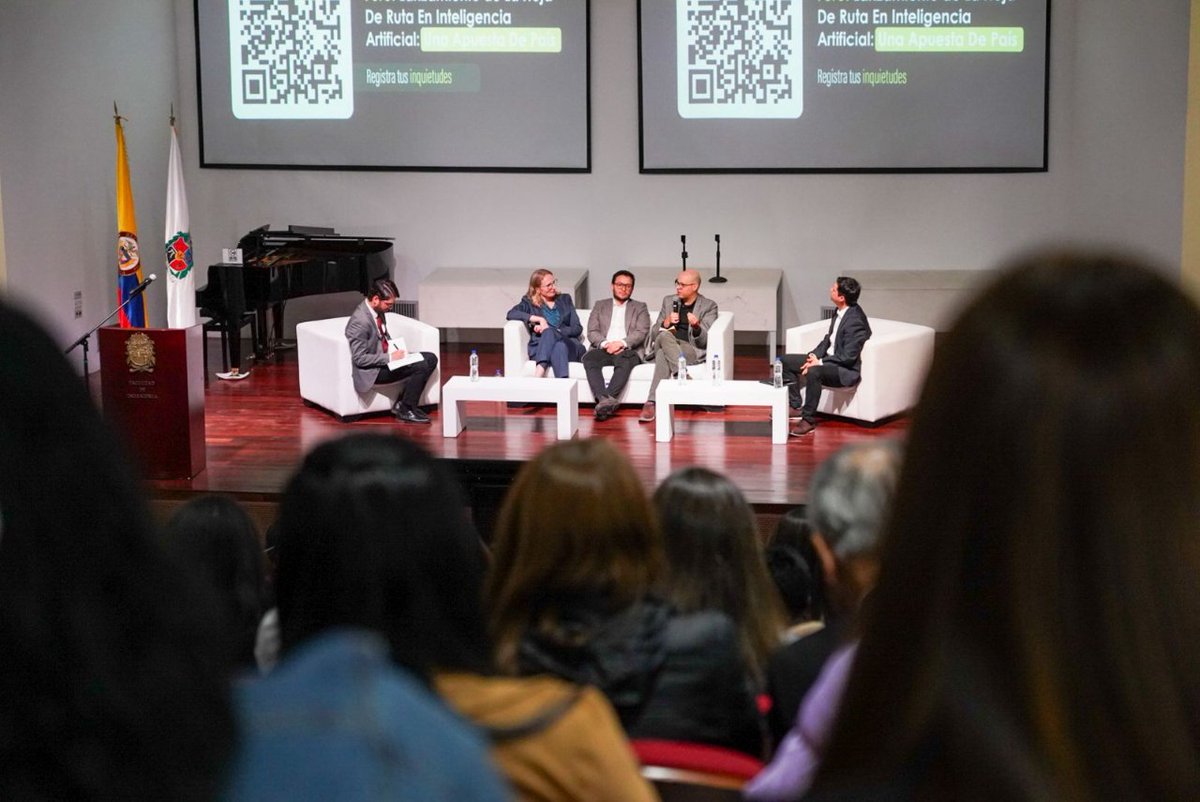
#HojaDeRutaIA I #Hoy se abre un nuevo capítulo para la Ciencia, Tecnología e Innovación en el país. 📍Desde @UNALOficial, 👉#MinCiencias lanza el documento de para la adopción de la Inteligencia Artificial en #Colombia.
☑️Conéctate desde las 8:00 a.m.🔗 https://t.co/AlTm548L4j
En el foro #HojaDeRutaIA, inicia el panel 'Experiencias de legislación para la regulación de la IA', participan: Eske Montoya - DiyiDiplomacia; Diego Castañeda - @Karisma; Juan Gutiérrez, profesor @Uniandes y Andrés Aguilera, profesor @UExternado.
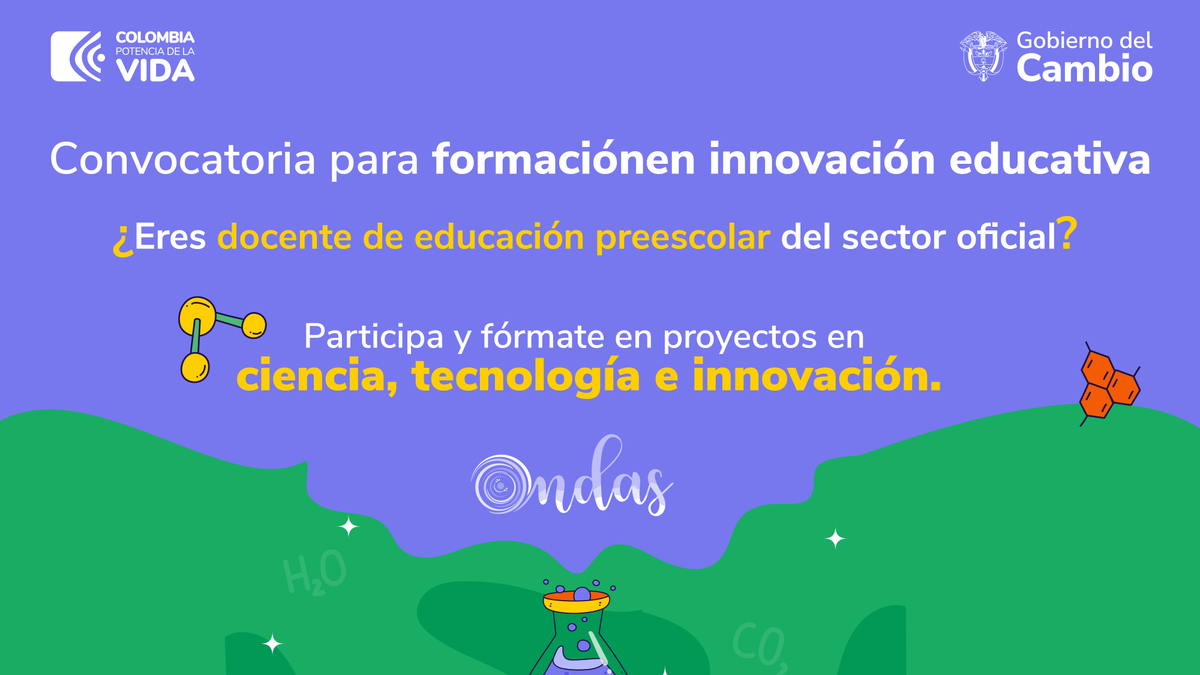
📚Con esta oportunidad tendrás beneficios como acceso a Diplomado en Innovación educativa, asesoría para escritura de artículos científicos, apoyo en la publicación de artículos científicos en revistas académicas, entre otros. Consulta más en https://t.co/SpJodswqDJ
¿Quieres una beca para estudiar en Colombia o en el exterior?🎓🌍
#BecaQueSíEsPaEso. Tenemos 3 oportunidades para ti que no te puedes perder. ¡Vamos juntos por esos sueños!✈️📚🎓
@MauroToroO
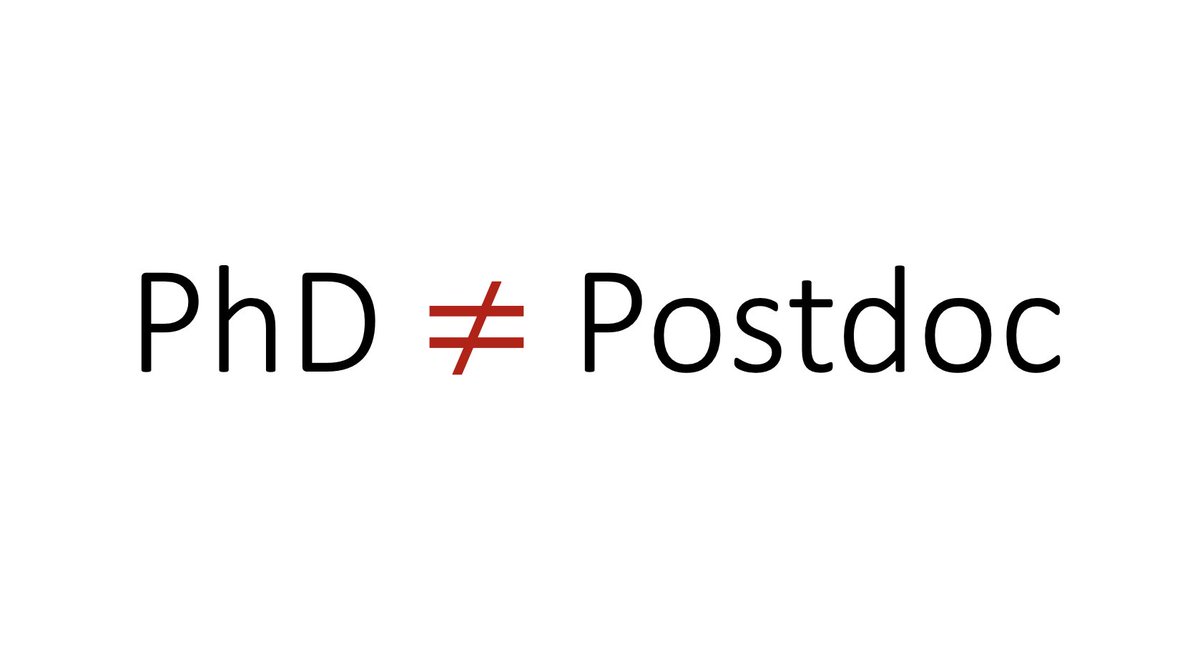
Postdoc is conceptually different from a #PhD position. Below are some key points to keep in mind before starting postdoc.
1️⃣ The harsh reality of being a postdoc:
1. Postdoc is a contractual (not educational) position. Your postdoc duties are defined by your contract & agreement with your advisor.
2. Usually, a contract is given for 1 year and renewed annually. It does NOT offer the same job security that PhD students enjoy. Be prepared to start searching for a new position in 1st year and leave anytime.
3. Postdoc is inherently a position for academia (with a few exceptions like in bio). Often, companies will assume that you’ve chosen an academic track, not industry. They’d rather hire a fresh PhD graduate from the same field than a postdoc. So, your job search outside academia may become challenging, especially if you do fundamental research.
4. If you want to be a faculty, your postdoc may require a lot more efforts than you originally expected, making it the most intense time of your life. Be prepared.
_________
2️⃣ If you take postdoc because you want to be more competitive for senior academic positions, keep in mind that:
0. Choosing the right lab & advisor is statistically MORE important than simply working hard and publishing papers during postdoc (esp. in the U.S.). However, working with an advisor who can write an excellent recommendation letter does NOT mean that you will also get prepared for a faculty life and become a great scientist. Your advisor should be a good mentor for this.
1. As the competition for faculty positions can easily reach over 1/300 and you have ~1 year before applying for positions, postdoc time often turns into a “race”. The worst part is that hard work does NOT necessarily lead to success.
2. Postdoc is NOT a must for being a faculty. Some students secure professor positions at the end of their PhDs (esp. at the top universities in the U.S.).
3. Postdoc lasts 1-3 years. If you’re a first-year postdoc and apply for faculty positions, committees will be OK with you showing your PhD work during interview. But starting from your 2nd year, they expect you to show successful postdoc results.
4. Some committees expect that a 3-year postdoc should complete as much work as a 5-year PhD student. It’s like a fast-track PhD.
5. Often (esp. in STEM), the expected number of “postdoc papers” is on average 1 paper per 1 year, unless the work is unusually complex. NOT 10 papers/year.
6. Publishing a lot of papers is normally viewed negatively. Coauthoring tens of papers will send a RED flag to the committee. For decent universities, it's (almost always) quality over quantity.
7. Doing a second postdoc is rarely helpful in landing a faculty position.
8. Ideally, postdoc should be in a different field than your PhD. Switching fields is viewed positively and can be helpful in landing a faculty position. But it is much more challenging because your time is very limited but you must do outstanding research. Also, I know many people who didn’t change fields but became faculties nonetheless.
Good luck!
#AcademicTwitter #AcademicChatter
Esto mola! De vuelta con las GANs, un nuevo método de control del proceso de generación basado en puntos de referencia que puedes fijar y arrastrar.
Se ve bastante intuitivo, pero es que también las rápidas inferencias de las GANs permiten interactuar en tiempo real.
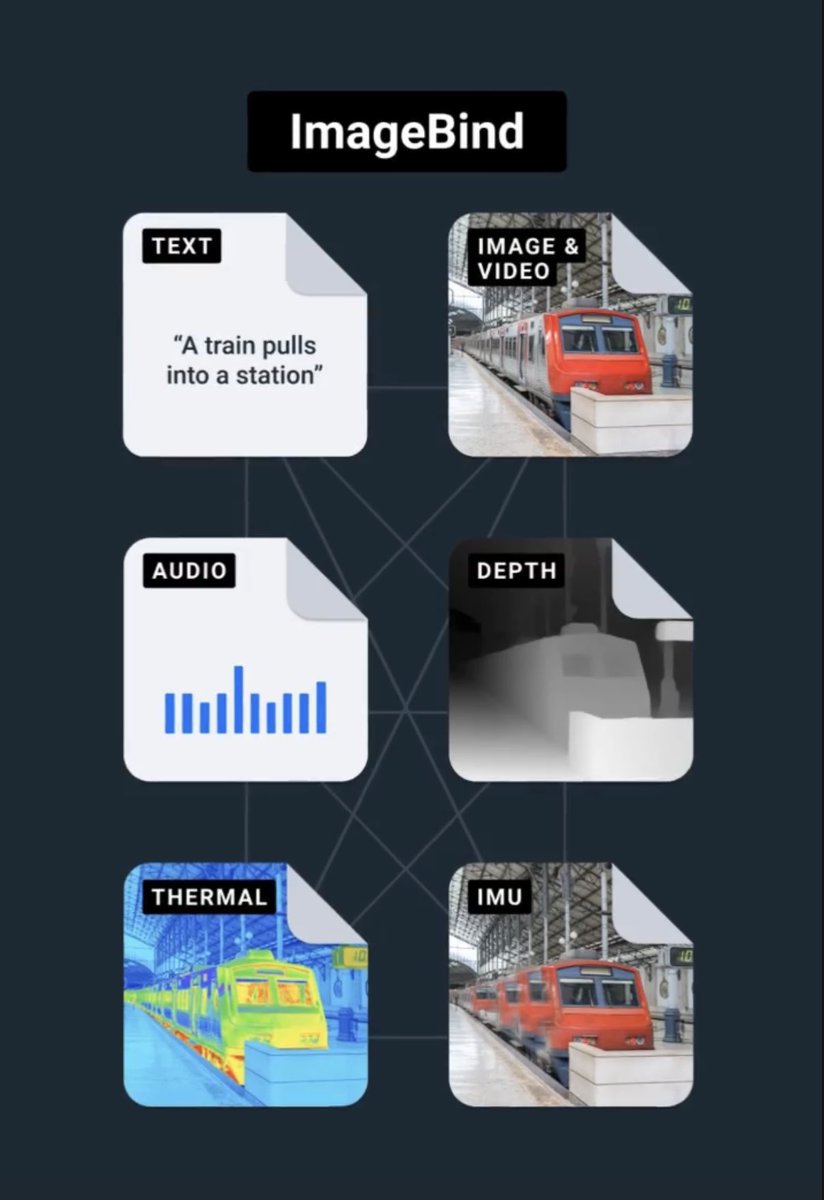
Introducing ImageBind by Meta AI: the first AI model capable of binding data from six modalities at once. This breakthrough brings machines one step closer to the human ability to bind together information from many different senses.
More on this new open source work ⬇️
ImageBind: Holistic AI learning across six modalities
ImageBind learns a joint embedding across six different modalities - images, text, audio, depth, thermal, and IMU data. It enables novel emergent applications ‘out-of-the-box’ including cross-modal retrieval, composing modalities with arithmetic, cross-modal detection and generation
blog: https://t.co/l8Vb0Or2y4
paper: https://t.co/YsXuVqne7I
github: https://t.co/6czW8tvGoS