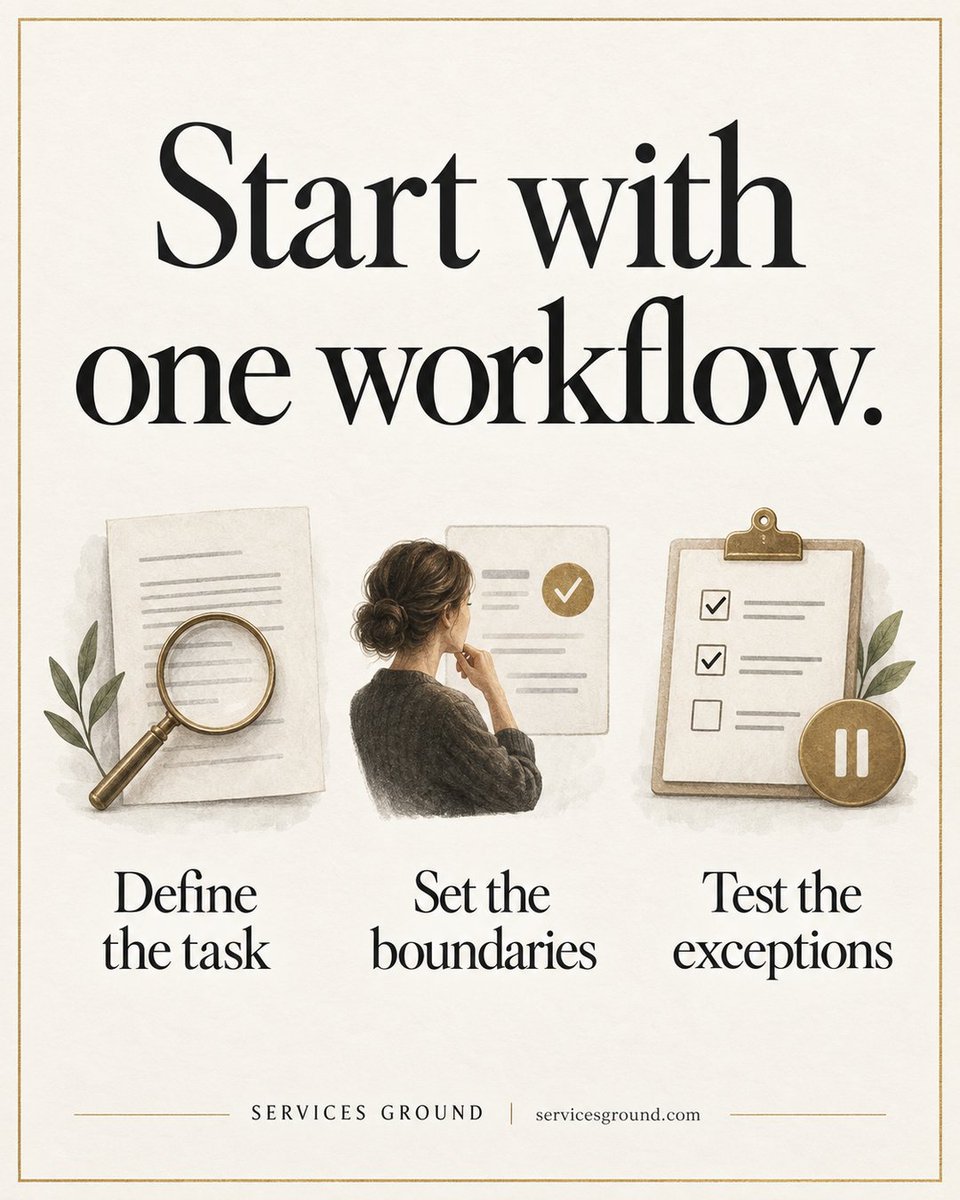
We build AI agents and workflow automation around your task, permissions and review needs. Start with one workflow and test its exceptions. Discuss your workflow: https://t.co/B4THKQYcN0
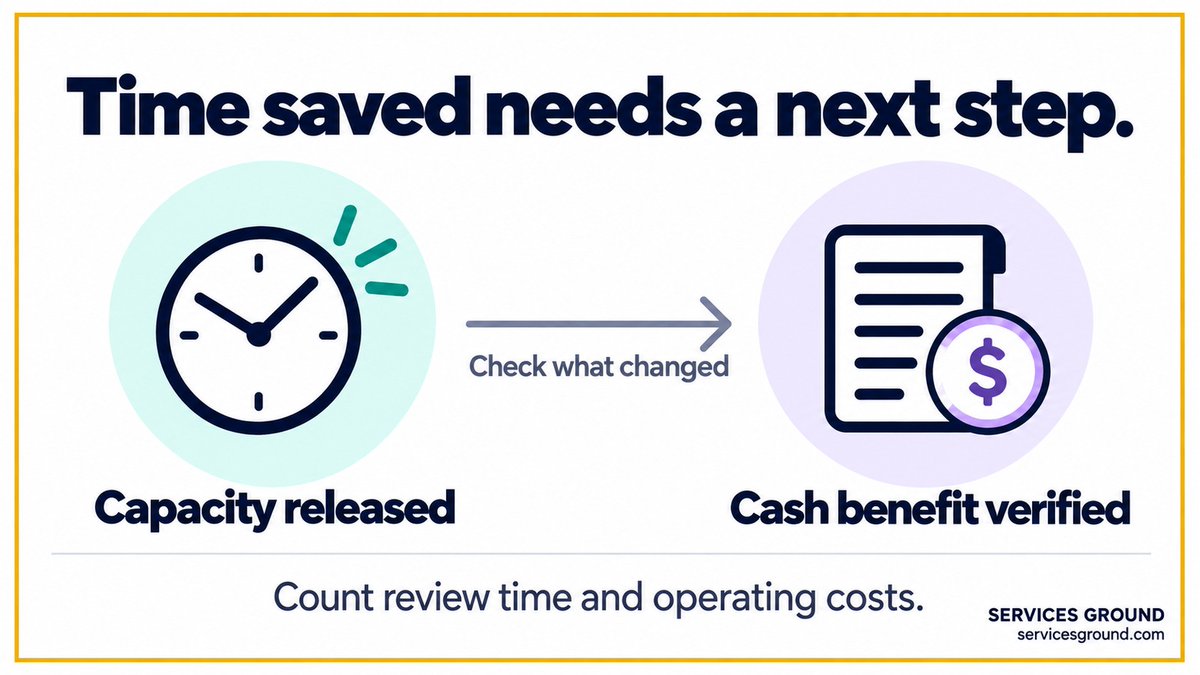
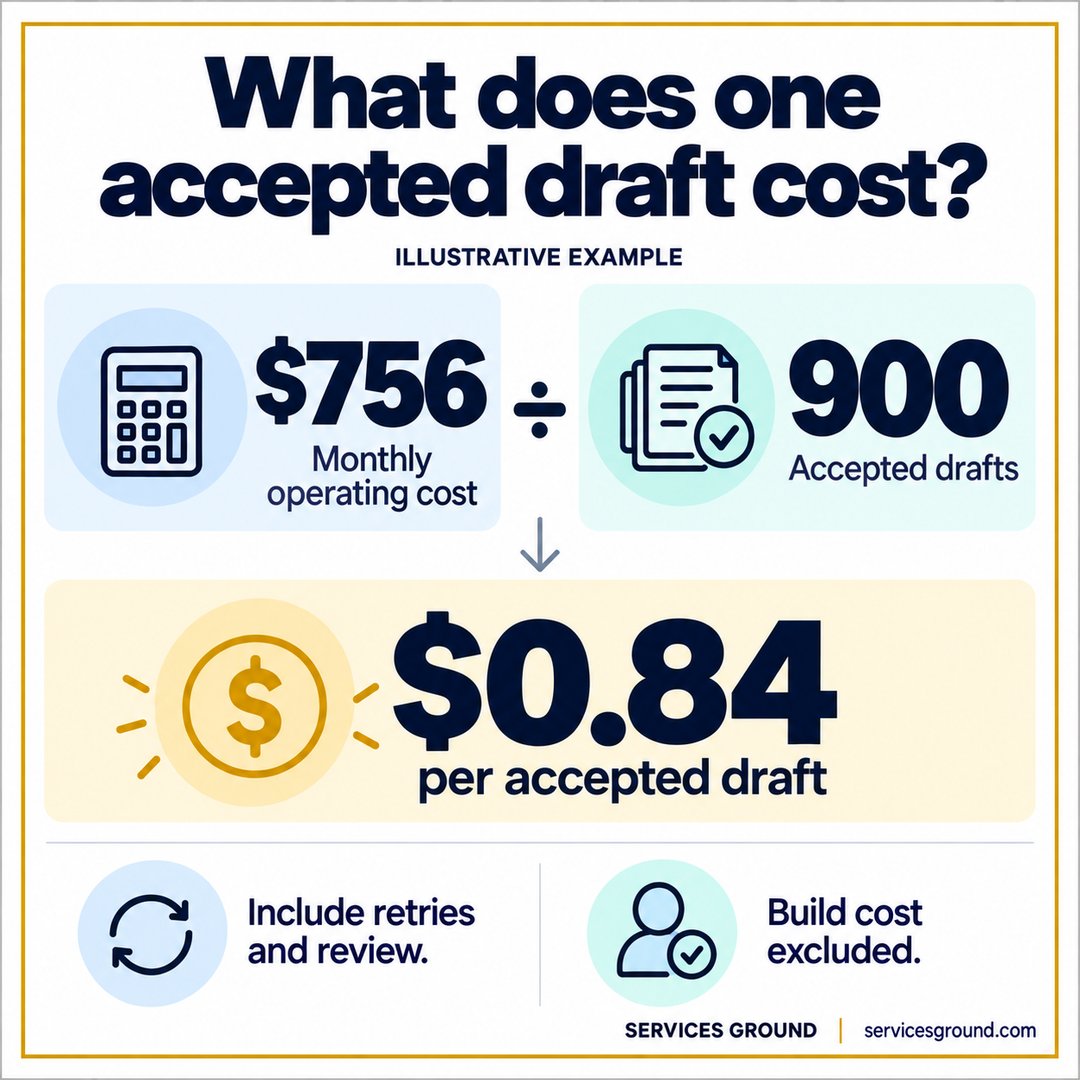
Hours released are capacity. Cash savings need a verified change in spending. Include review, corrections and operating costs, then measure what the team actually did with the time.
https://t.co/8PcIhUPEm1
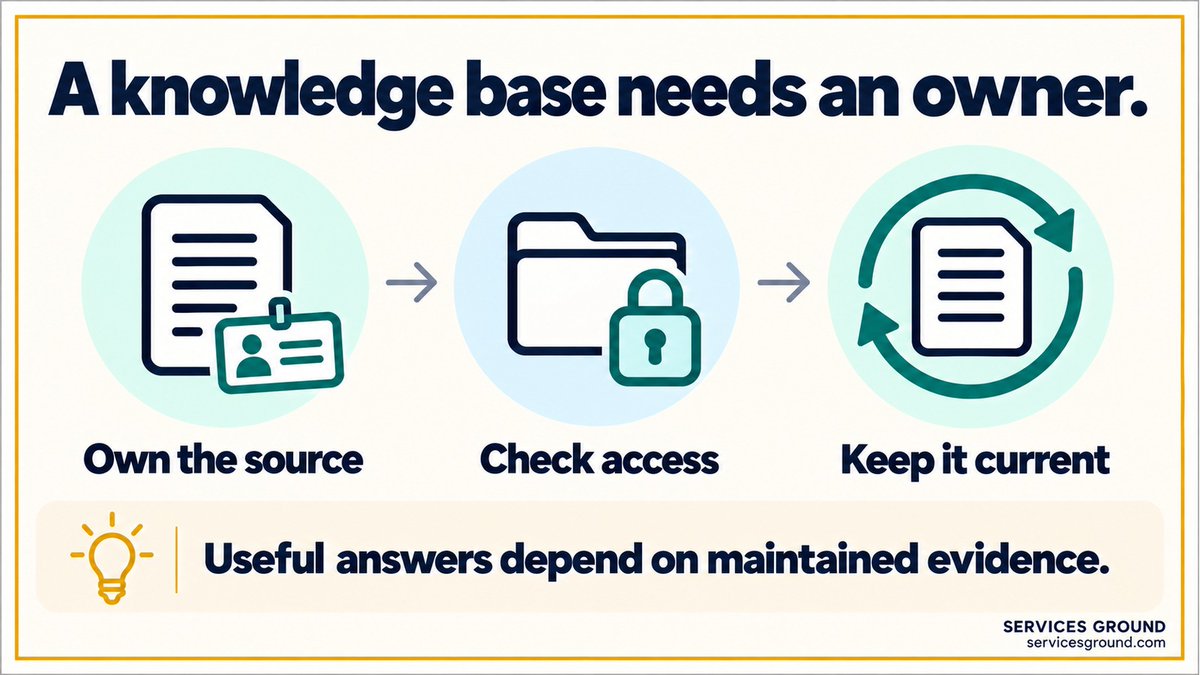
A company knowledge base needs source owners, access rules and update checks. Test withdrawn documents and revoked access, not just a successful answer. Who owns the evidence behind your assistant?
https://t.co/YDpPULYICY
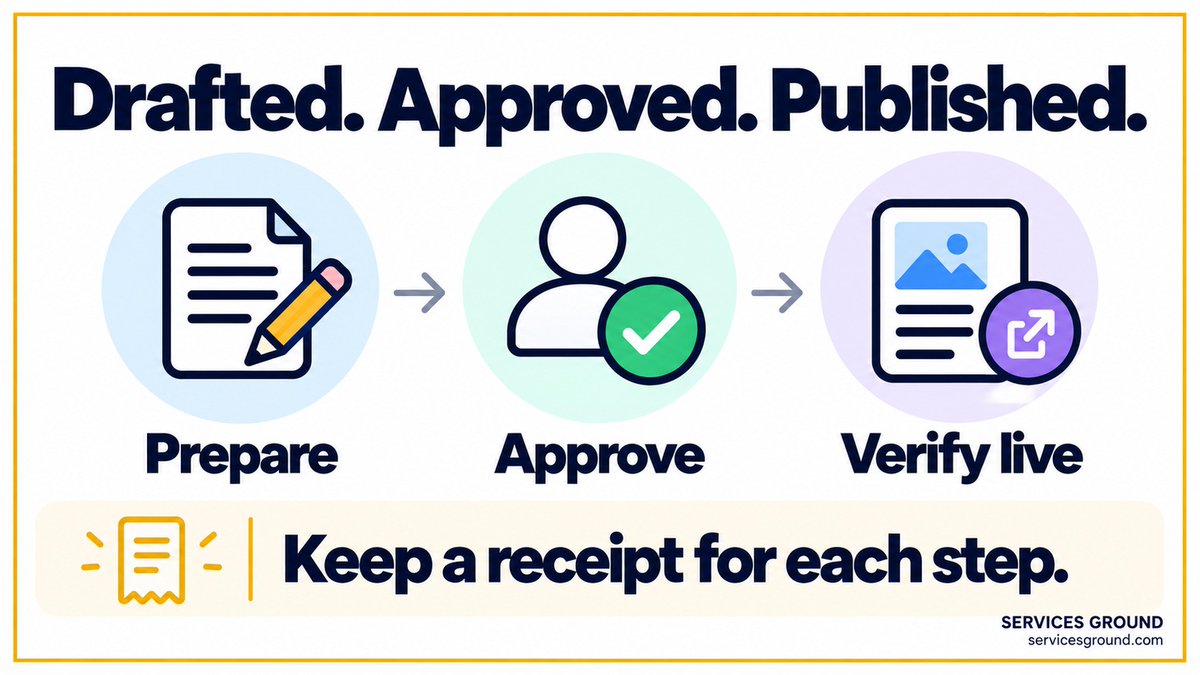
Drafted, approved and published are different states. Keep the approved version and verify the live URL. That simple separation makes a marketing agent easier to supervise and corrections easier to trace.
https://t.co/N3kqpAuPdp
The draft is ready. Who said yes?
This week's Agentic Edge: one internal handoff correction, three AI-control updates, and a practical way to separate ready, approved and delivered.
I’ll add the reading link in the first comment once it’s live.
An agent saying “done” is not a receipt. Check the account, authorize the action and verify the saved result. On timeout, inspect before retrying.
What action in your workflow needs that check?
https://t.co/U9sbeKgoQP
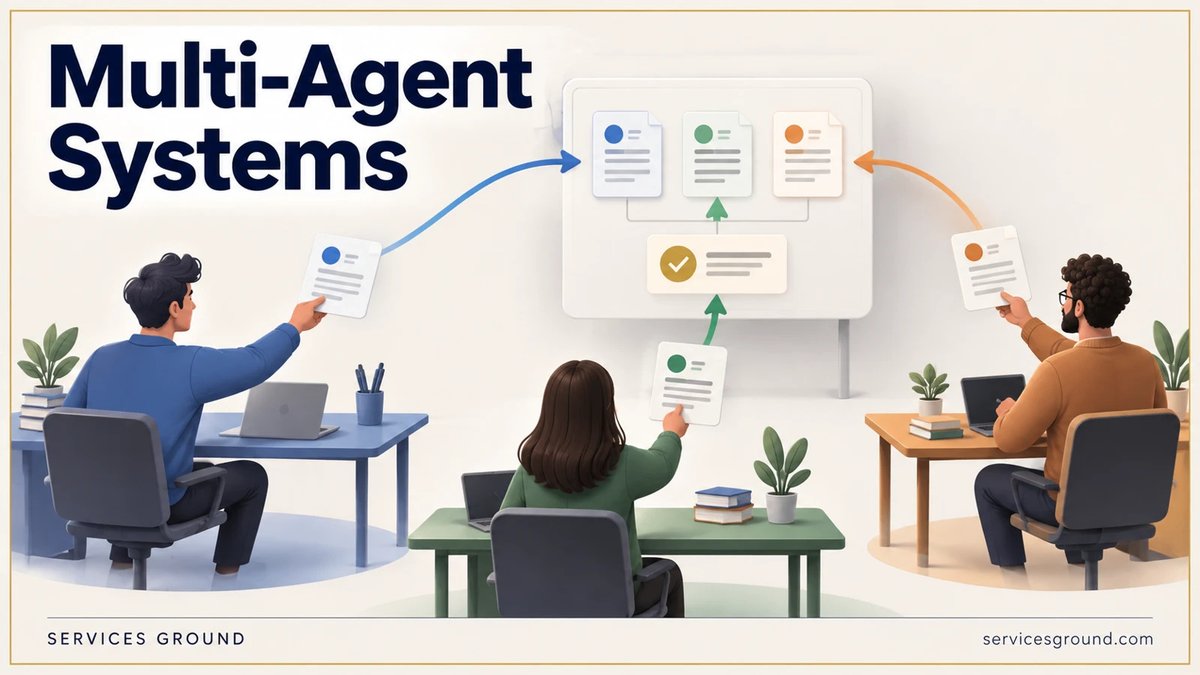
More agents create more handoffs. Define task scope, evidence, conflict rules and the owner of the final result. Our multi-agent guide:
https://t.co/ws0Kn1tXYa
Zero errors can mean zero work. This week's Agentic Edge explains how to check whether an AI workflow delivered the expected result, with a practical handover example.
I’ll add the reading link in the first comment once it’s live.
If the recipient changes after approval, should an agent still send? Bind approval to the exact action and version. Our human-in-the-loop guide:
https://t.co/Gw8eLqnPSu
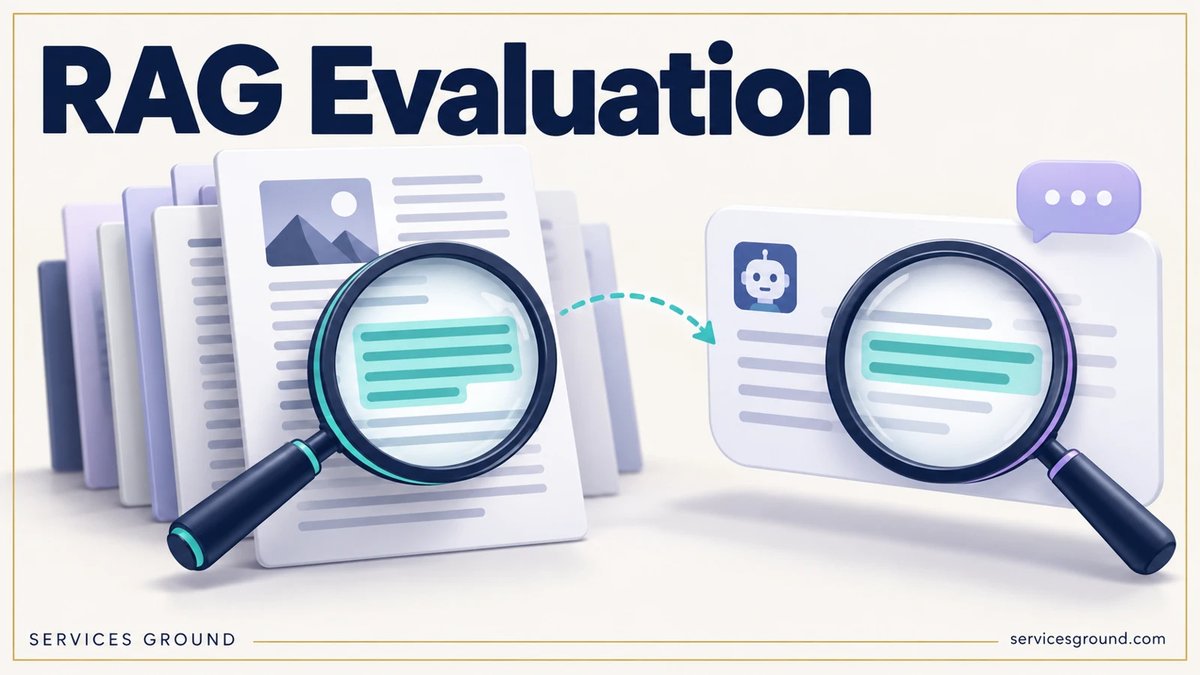
A fluent RAG answer can use the wrong document. Check retrieval and answer quality separately, including a case with missing evidence. Practical guide:
https://t.co/c0ocFMVWE8
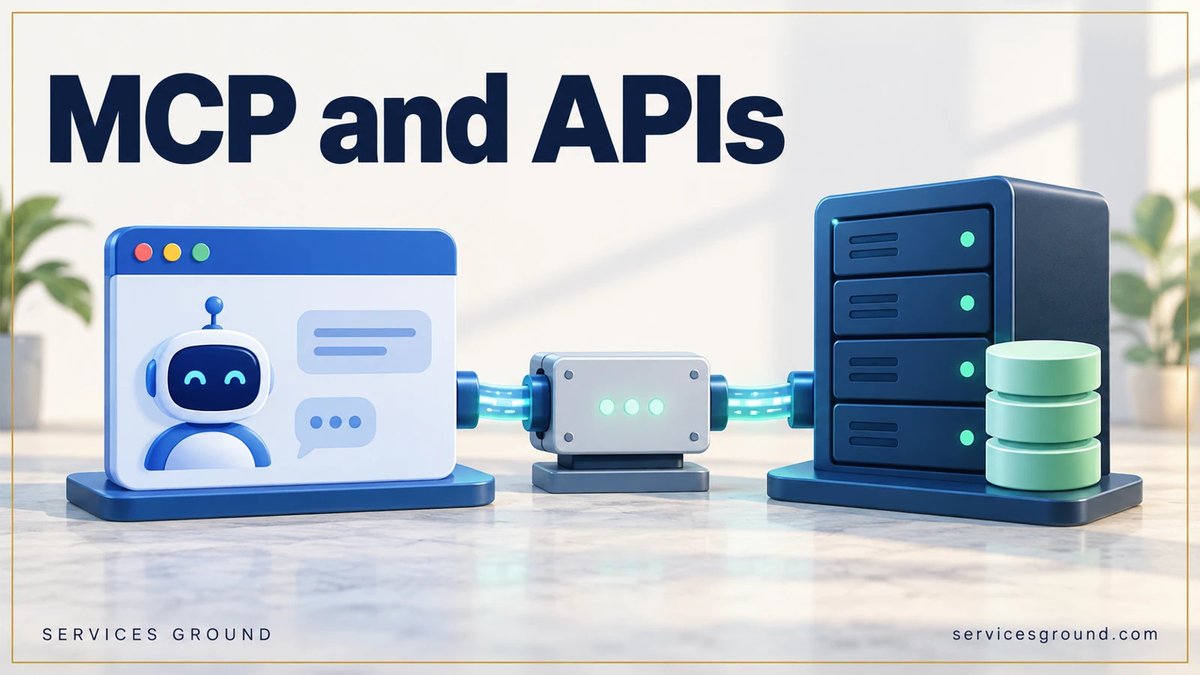
MCP can expose an API-backed operation. It does not replace permission checks. Compare the interfaces using an order-status example:
https://t.co/Z63o4qs7Kh
Agent memory needs more than storage: record the source, scope and recheck rule. A remembered preference is not permission to act. Our practical guide:
https://t.co/vC1DEq6Ynn
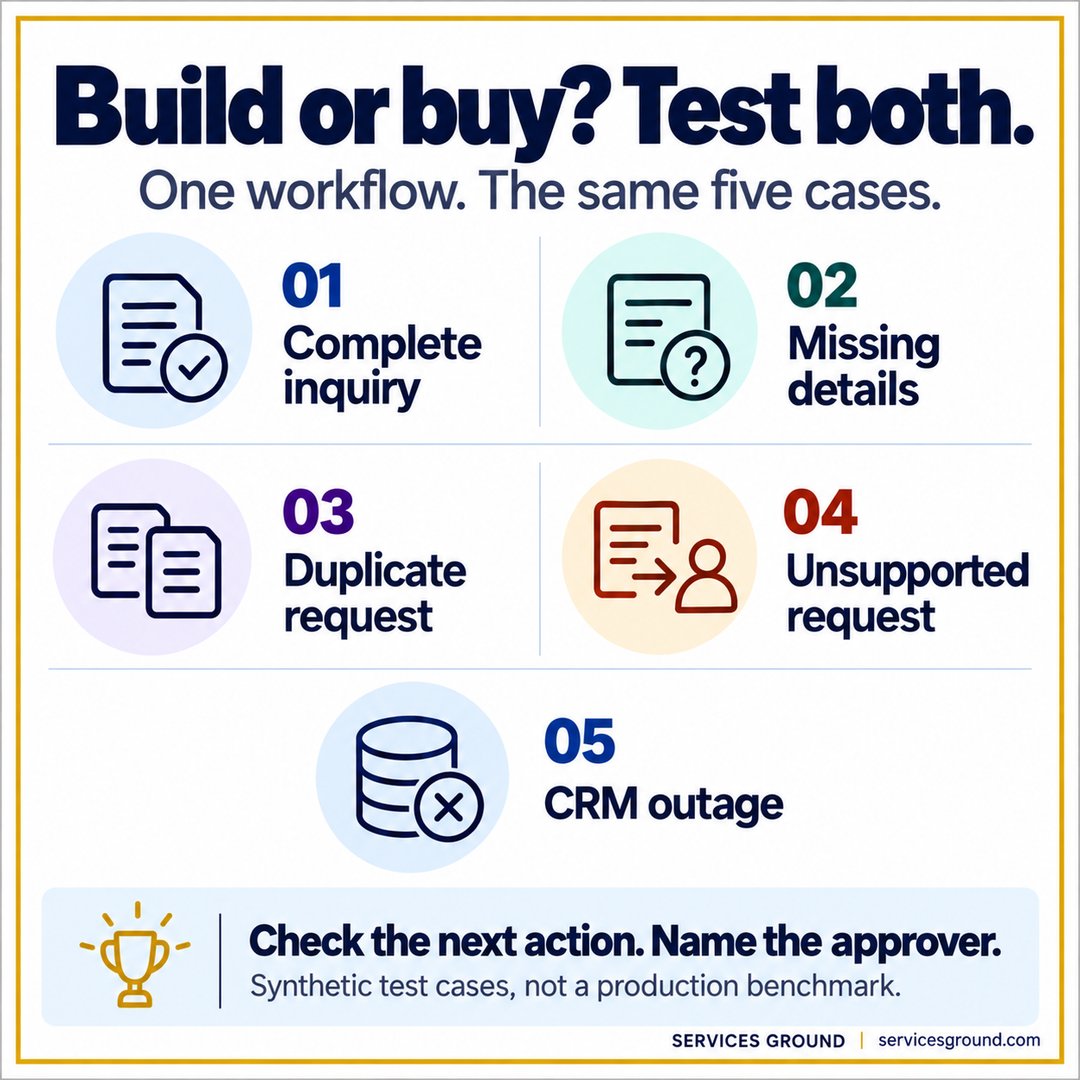
Build or buy? Test the same workflow: complete inquiry, missing details, duplicate, unsupported request and CRM outage. Check the next action and approver. Synthetic cases, not a benchmark.
https://t.co/yTttQWMm1K
Does the task need an agent? Fixed steps may suit a workflow. Changing steps may justify an agent. Both need enforced permissions. Our guide includes a fictional invoice example and pilot checklist.
https://t.co/38hh0nynbj
@DeepLearningAI As coding shifts toward supervising agent-generated work, evaluation matters more. The question is not just “did it finish?” but “is the result correct, reviewable, and safe to use?” That changes how teams approach tests, approvals, and monitoring.
@AmeeStelloAI This is where the real engineering starts. A capable model is only one layer. In production, permissions, approval boundaries, failure handling, and auditability determine whether an agent can actually be trusted with real work.