Most people just click buttons on testnets. Real Web3 QA requires terminal execution. I test smart contracts to ensure they behave exactly as intended on-chain.
I documented the full report in my QA portfolio and submitted it to their GitHub. Evidence and methodology here: https://t.co/Z3Xr7qle5Q and issue: https://t.co/WFVQ5yVWmq
Found a UX bottleneck on Flop Labs Devnet. Over 9,500 cross-chain HTLC swaps are marked as past timeout, but the Bridge UI offers no refund mechanism. Funds remain locked.
The explorer spec explicitly states senders can request a refund once the expiry block is finalized. But even with a finalized head and passed timeout block, the status remains CREATED and LOCKED.
If you are exploring the testnet, focus on edge cases in asset wrapping and API error handling. I will document the API behavior and testing findings in my GitHub repo. No hype, just technical evidence.
https://t.co/9wVXVrTETb
Most people join new testnets for points. I joined Polyester to look at the Zipper architecture. Wrapping native assets without a traditional bridge creates specific edge cases. Plus, they provide official SDKs for Rust, Go, and Python.
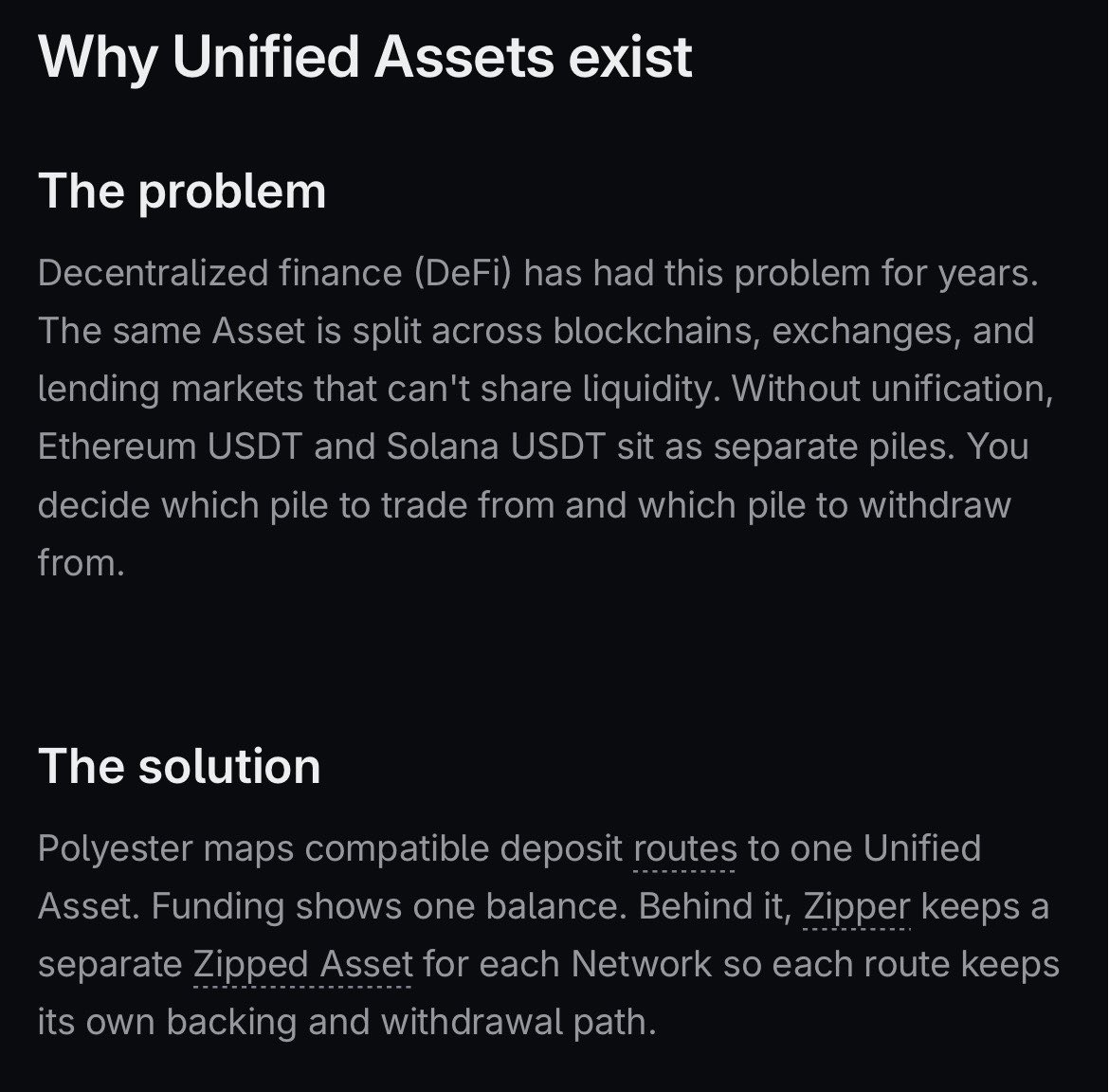
Digging into their Unified Assets docs. Zipper keeps a separate asset for each network to maintain backing and withdrawal paths, unlike standard bridges. Currently checking the API endpoints handling these routes for edge cases and rate limits.
Testing the DeFi deposit flow on RocX. Entered a huge amount to see how the UI reacts. It successfully caught the insufficient balance error immediately, blocking the transaction before hitting the wallet. Solid input validation. @RocX_official#RocX