You could literally:
> open Polymarket
> find BTC window where delta < 0
> check EV and ask Claude when Markov persistence ≥ 0.87
> enter
> risk $90 to make $900
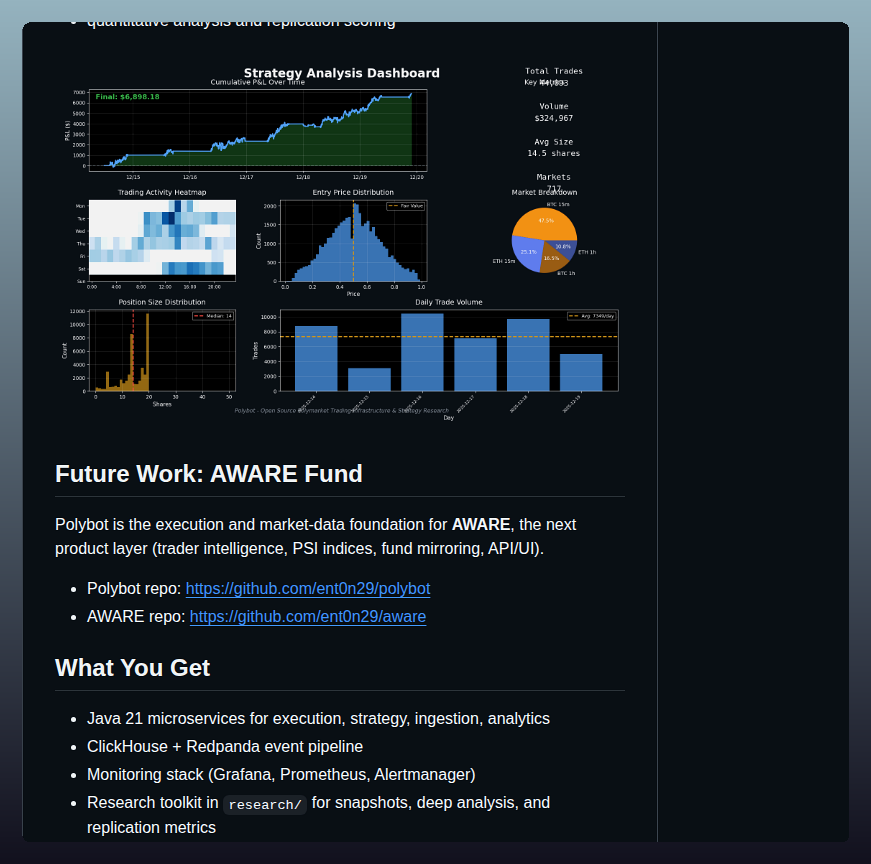
The math that prints $7–10K every day for this bot
Why do people still not doing this?
How to store billions of market prices in seconds?
ArcticDB.
• DataFrame database
• Proven at petabyte-scale
• Used by Man Group and Bloomberg
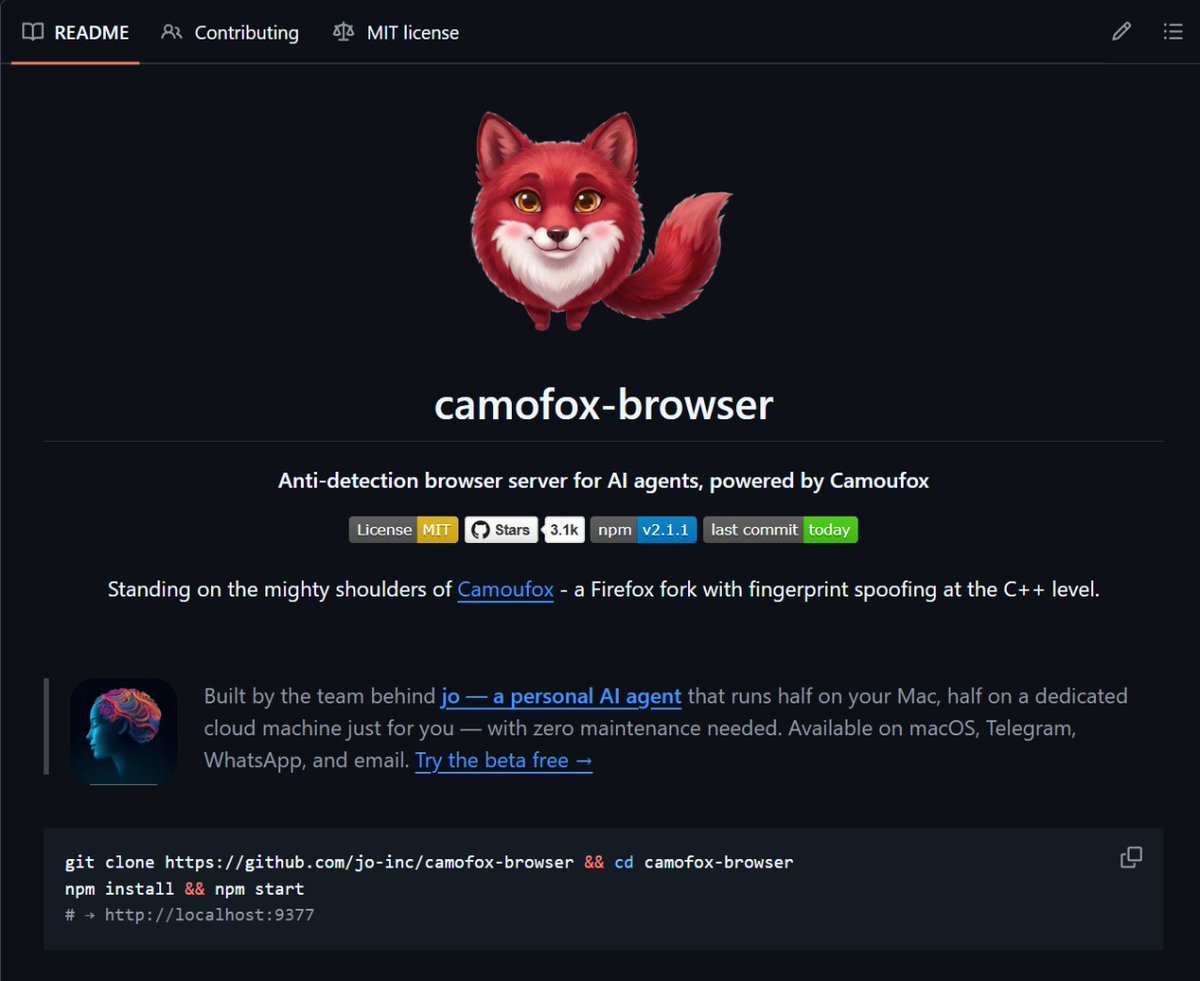
And it's free on GitHub:
See the top ranked papers in AI, ML, Robotics, Quantum Physics, and more on @kurateorg. Hundreds of arXiv preprints ranked daily by scientific impact through pairwise tournaments judged by Claude, GPT, and Gemini.
My ex thought I was doomscrolling crypto again because I had 14 GitHub tabs open at 1 AM.
I wasn’t even looking at prices anymore.
I was watching people build infrastructure around Polymarket faster than most startups build products.
The first repo that made me stop scrolling was:
https://t.co/AgUH1LBYQX
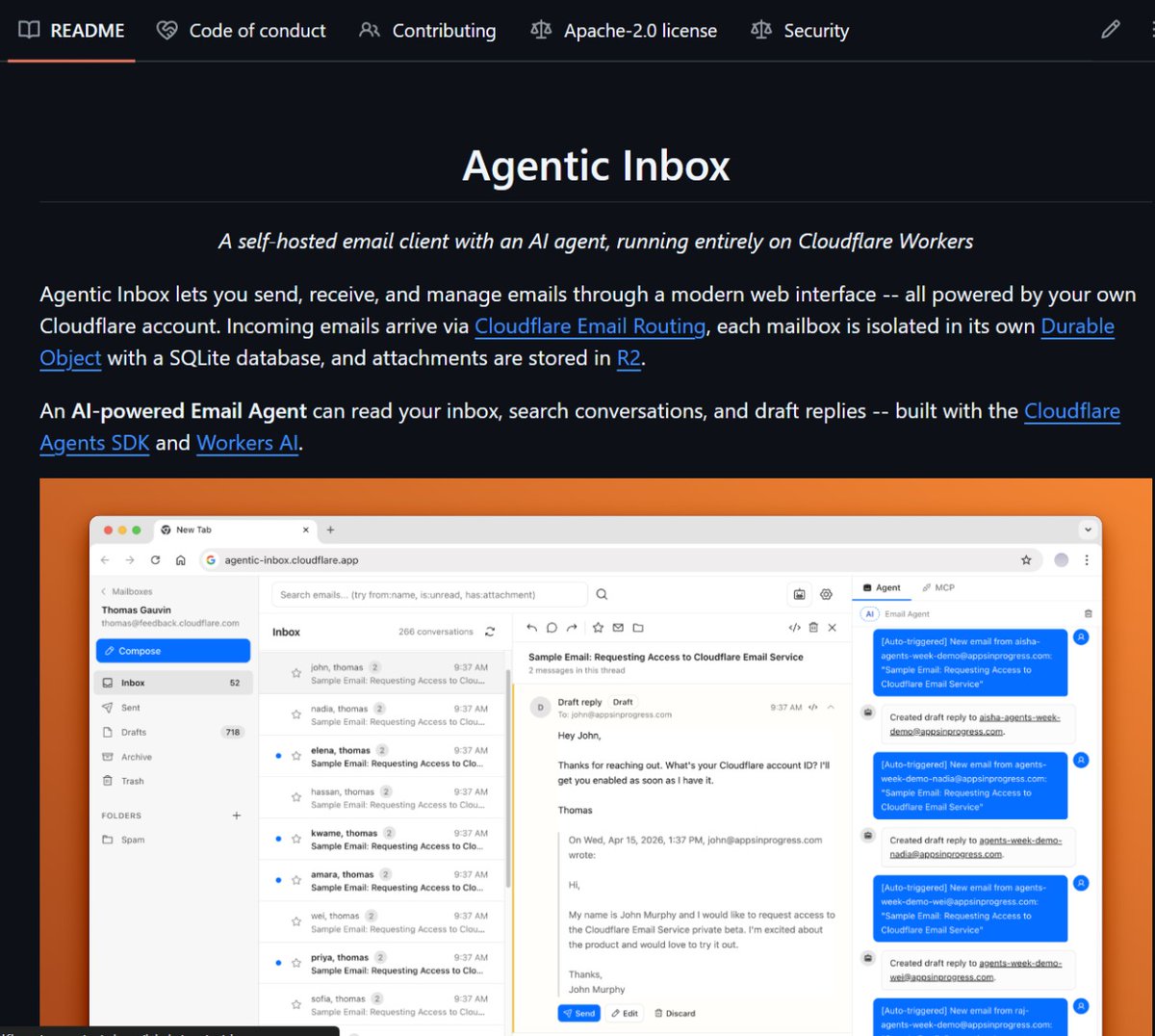
Official AI agents trading prediction markets with LLMs.
Not "AI assistants."
Actual autonomous systems reading news, monitoring markets and making decisions.
That already sounded absurd.
Then I kept digging.
One wallet I tracked was making entries before major sentiment swings happened.
Another was holding positions for less than 40 minutes while trading weather markets all day.
None of them looked human anymore.
No emotional entries.
No hesitation.
No scrolling CT waiting for narratives.
Just systems reacting to liquidity shifts and crowd behavior instantly.
Then I found this:
https://t.co/eqMxVwgjbK
A market-making bot managed through Google Sheets.
That’s when the entire platform started feeling different.
Polymarket doesn’t really look like a prediction market anymore.
It looks like open-source infrastructure stitched together by anonymous people who spend all night optimizing reaction speed.
One repo handles execution.
Another handles market data.
Another monitors wallets.
Another feeds agents live information.
And suddenly some of the biggest wallets on the platform start making a lot more sense.
Copytrade wallet: https://t.co/ogQCarJWLH
Most people still think they’re trading against random users clicking YES or NO.
I don’t think that’s true anymore.
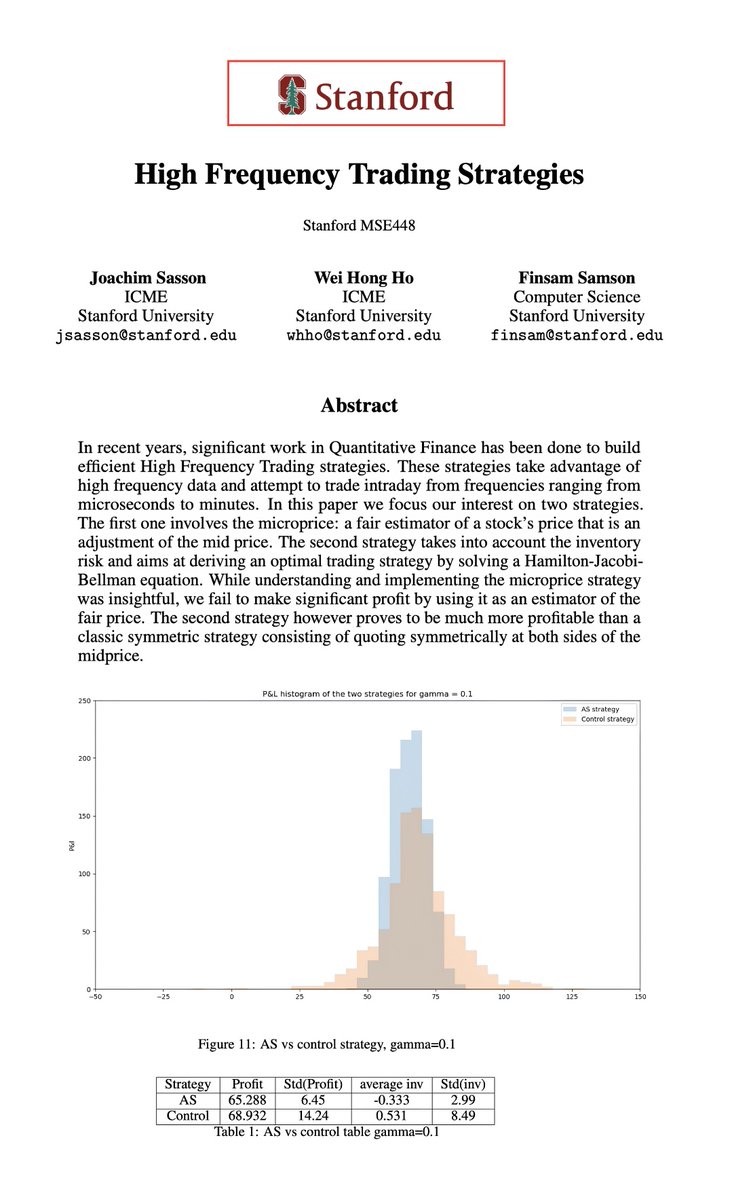
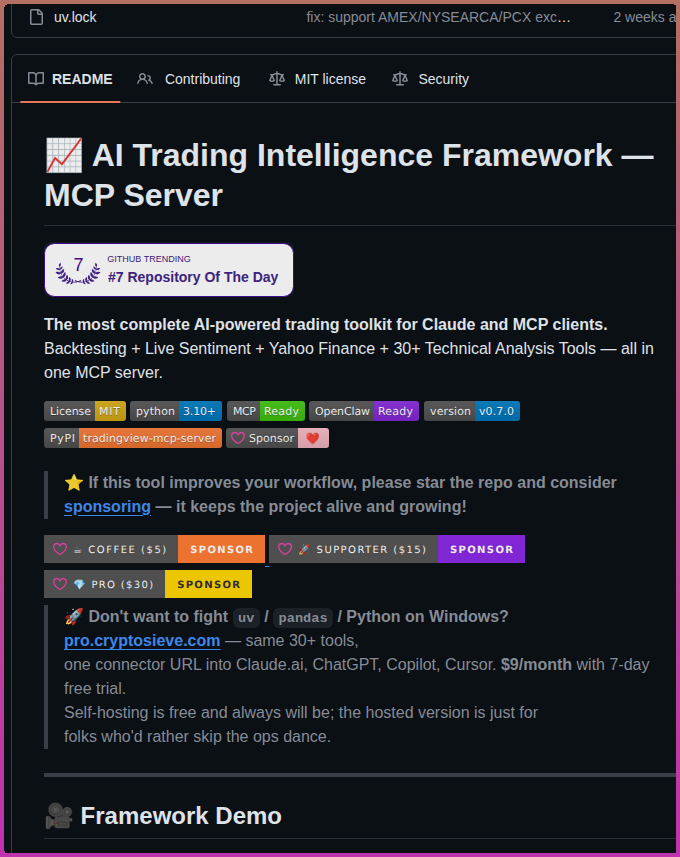
As someone who builds institutional level quant systems, this Stanford paper is the closest thing to an HFT desk I have ever seen publicly shared.
14 pages. Top Trading Strategies. Bookmark & get this, then read the article below before someone takes it down.
Do something different this weekend.
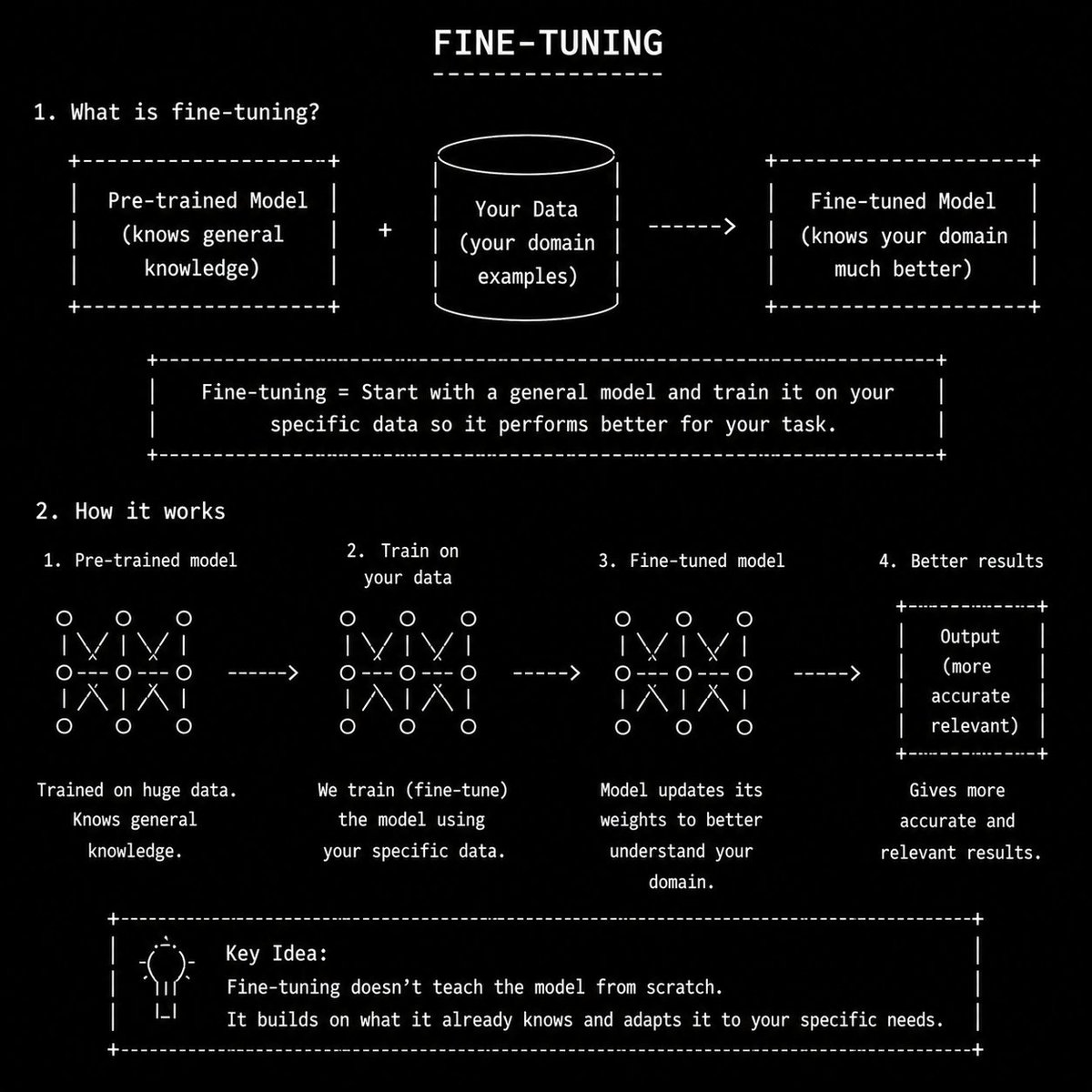
Become a PRO in AI Model Fine-tuning.
Paste this prompt in Codex/ChatGPT/Claude/Grok.
"You are an expert AI engineer and teacher.
Your job is to teach me modern LLM engineering and fine-tuning concepts from beginner to advanced level using very simple daily-life language.
Teach me step-by-step like a real mentor. Assume I am smart but new to the topic.
Foundations:
- LLM basics
- How AI models work
- Tokens
- Tokenization
- Context windows
- Embeddings
- Transformers
- Attention mechanism
- Parameters
- Training vs inference
- Open-source vs closed-source models
Datasets & Training:
- SFT datasets
- Instruction tuning
- Preference datasets
- Synthetic datasets
- Data curation
- Dataset cleaning
- Dataset formatting
- Fine-tuning basics
- Continued pretraining
- Hallucination reduction
Fine-Tuning:
- LoRA
- QLoRA
- DPO
- RLHF
- Quantization
- Model checkpoints
- Adapter tuning
- GGUF models
Inference & Optimization:
- KV cache
- Flash Attention
- Speculative decoding
- Inference optimization
- Model serving
- Batch inference
- GPU basics
- VRAM basics
- Latency vs quality tradeoffs
Local AI Ecosystem:
- llama.cpp
- Ollama
- vLLM
- MLX
- Hugging Face
- Unsloth
- Axolotl
- PEFT
- TRL library
RAG & Memory:
- RAG
- Vector databases
- Chunking
- Retrieval pipelines
- AI memory systems
- Semantic search
Agents & Workflows:
- Prompt engineering
- System prompts
- Tool calling
- Function calling
- AI agents
- Agentic workflows
- Multi-agent systems
- Browser agents
Model Types:
- VLMs
- SLMs
- Dense models
- MoE models
- Coding models
- Reasoning models
Deployment:
- Local inference
- On-device AI
- API serving
- Cloud GPUs
- Edge AI basics
Evaluation:
- AI benchmarks
- Human evals
- Cost-per-token analysis
- Speed benchmarking
- Quality benchmarking
Real-World Skills:
- Building chatbots
- Building AI copilots
- AI automation
- AI SaaS workflows
- AI coding workflows
- AI orchestration systems
- AI product thinking
Start from the absolute basics and gradually make me advanced.
Rules:
- Use simple English only
- Avoid academic jargon unless necessary
- Explain every difficult word in plain language
- Use real-world analogies and daily-life examples
- Use small code snippets when useful
- Show practical use cases
- Compare concepts side-by-side when helpful
- Teach from fundamentals first, then advanced concepts
- At the end of each topic:
- give a short summary
- give a simple mental model
- give beginner mistakes to avoid
- give a small exercise/project
I want deep understanding, not memorization."
Thank me later.
$4,300,000 combined profit.
15 bots. All under 40 days old.
Most people will never find them.
@PredictParity lets you filter Polymarket by:
> Account age (under 40 days).
> Bot vs Human.
> PnL, win rate, volume.
> Active positions.
One filter. This leaderboard appears.
$635K. $594K. $525K. $443K. All automated.
Then you pick one. Paste the wallet. Copy every trade.
No research. No guessing. Just follow the algorithm.
Save this.
AI has officially learned to predict the future - Chinese student use this and turned $2,000 into $166,000 with a single trade.
Claude as algo brain + MiroFish simulation engine allowed him to enter a Polymarket trade with just a 1.4% implied win probability.
And he won.
Wallet proof: https://t.co/72I2mr4yAi
Humans can’t process dozens of gigabytes of data in seconds - but Claude can.
Closed order book feeds from CEXs, live data from OTC trading desks, Pyth oracles - AI agent gathers all of it in one iteration.
Then this data is run through 10,000 simulations in MiroFish, every single piece of data comes alive in one unified simulation.
Claude analyzes output of the simulation and decides whether market odds are fair.
April 24: called BTC dump at 1.3% probability → $163k profit (75x).
April 21: knew ETH was pumping -> $25k profit
February 17: knew BTC would drop -> $37k profit
Successful trades with such low probabilities are not lucky guesses.
It’s elite tech + secret data + insane math working together.
Want the full guide to build the same bot? Save the post and read the article.
Want to start copying his trades right now? Use this TG copy-trading bot (US users can actually trade here, unlike the main Polymarket site): https://t.co/vbDZyVcfT3
Bear Market Trading Update 5:
100% winrate
11-0 W/L
Total profit: +182.4k
Total loss: 0
Total: +$182.4k
Everything shared live (entries and closes), checkable on my X and on my Hyperliquid wallet (testing started 25/03). Will keep doing periodic updates.
https://t.co/1sA6kZSrTP