SPEAKING: Real-World Lessons: Creating Outstanding Products with Outsourced Teams
Many technology teams rely on outsourced engineering teams. I'm going to share how these teams create great products despite different timezones, culture and priorities.
#agile2024@AgileAlliance
SPEAKING: Real-World Lessons: Creating Outstanding Products with Outsourced Teams
Many of my clients' teams rely on outsourced engineering & design teams. I'm going to share how I've seen these teams create great products despite differences in timezones, culture and priorities.
Announcing a live, online Analytics Master Class for Product and Design Professionals.
Class starts May 22nd.
Early Bird pricing ends April 22nd.
See more here: https://t.co/Q8t8gR2JbS
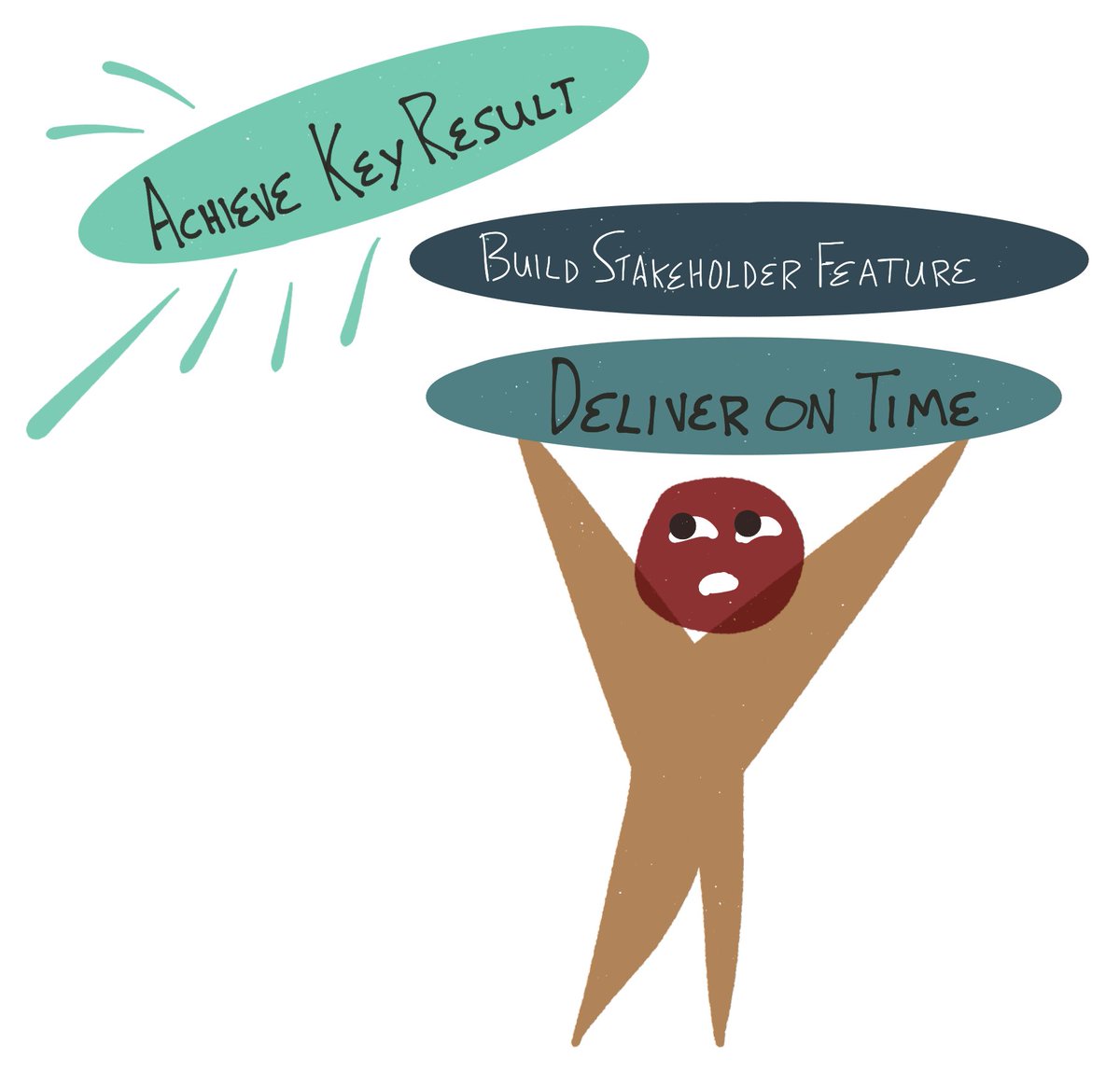
"Don't just layer OKRs on top of everything else"
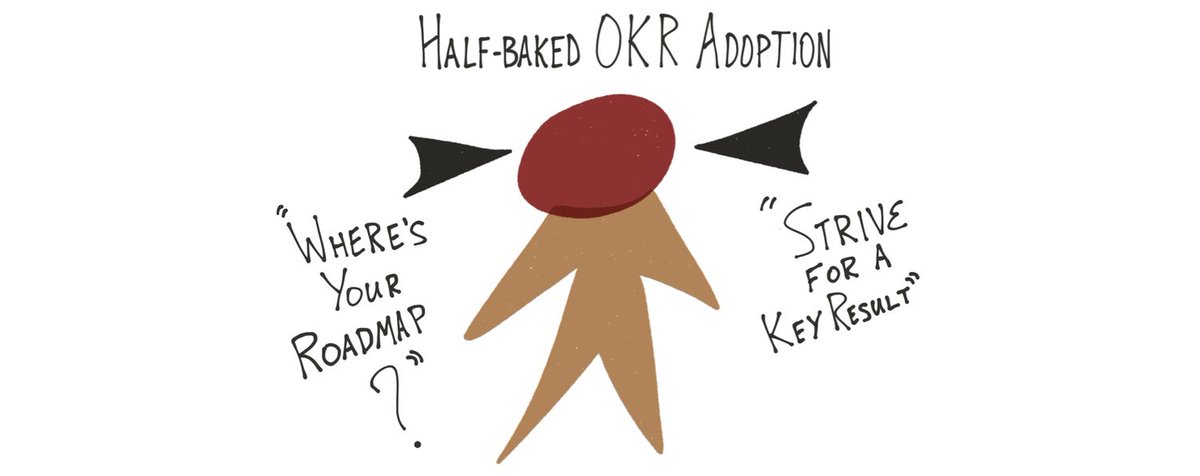
A symptom of a half-baked OKR adoption is creating key results but continuing to focus more on roadmaps with deadlines.
Unfortunately, roadmaps with deadlines and achieving key results are not compatible.
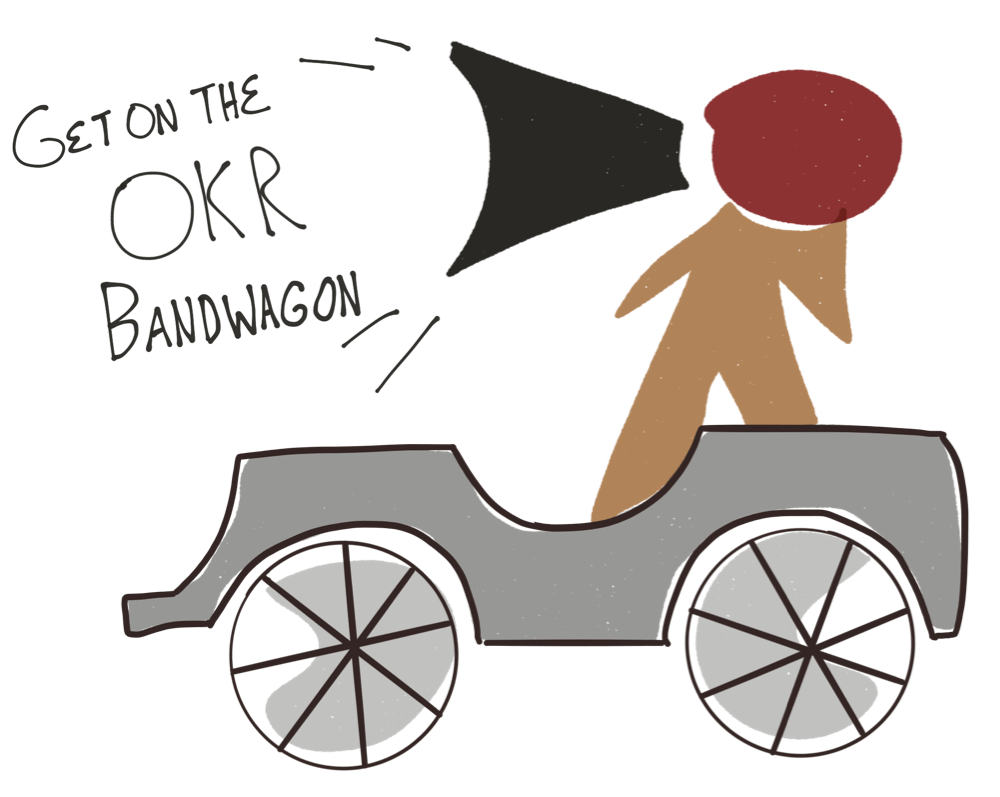
"Get on the OKR bandwagon"
Many companies adopt the Objectives and Key Results (OKRs) framework.
They create goals but struggle to achieve them.
Part of this failure can be attributed to a lack of an analytic culture and a lack of an analytic mindset in your key employees.
“How do you know if you’re successful today?”
It’s a simple question.
But often there’s an unsatisfying answer.
Start by recognizing your current patterns and using less of the following types of data:
“Anecdata”
Reactive measurements
Internal metrics
Just finished my 3rd year teaching product management to UC Berkeley grad students.
From a student: "Excellent course with a very dedicated passionate professor who clearly puts a lot of effort into the course. The best bootcamp I have had."
Fun samples from the students
"I don't have time to do discovery"
Teams are stuck in a "doom loop" of planning
Each time there's an unpredictable event, leadership wants more planning to avoid future ones
Stop predicting the future (poorly)
Repurpose planning time for discovery time to get predictability
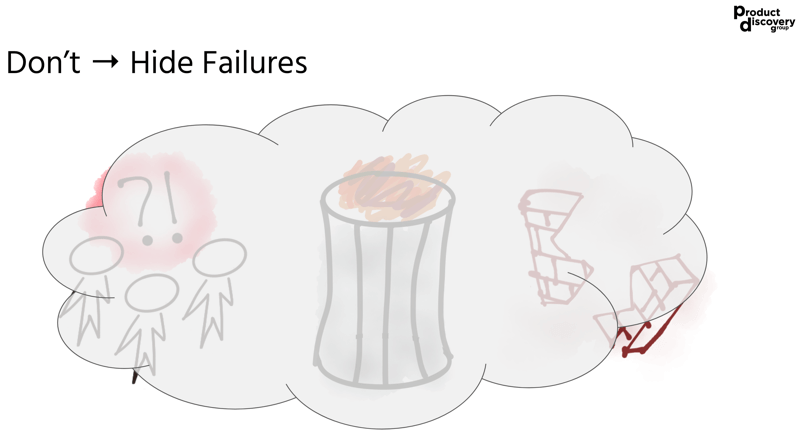
"Don't hide failures"
The culture of your team matters as much as the output (if not more).
Nobody likes to fail but it happens.
Products and features that launch and don't live up to expectations.
Share your failures. Don't hide them.
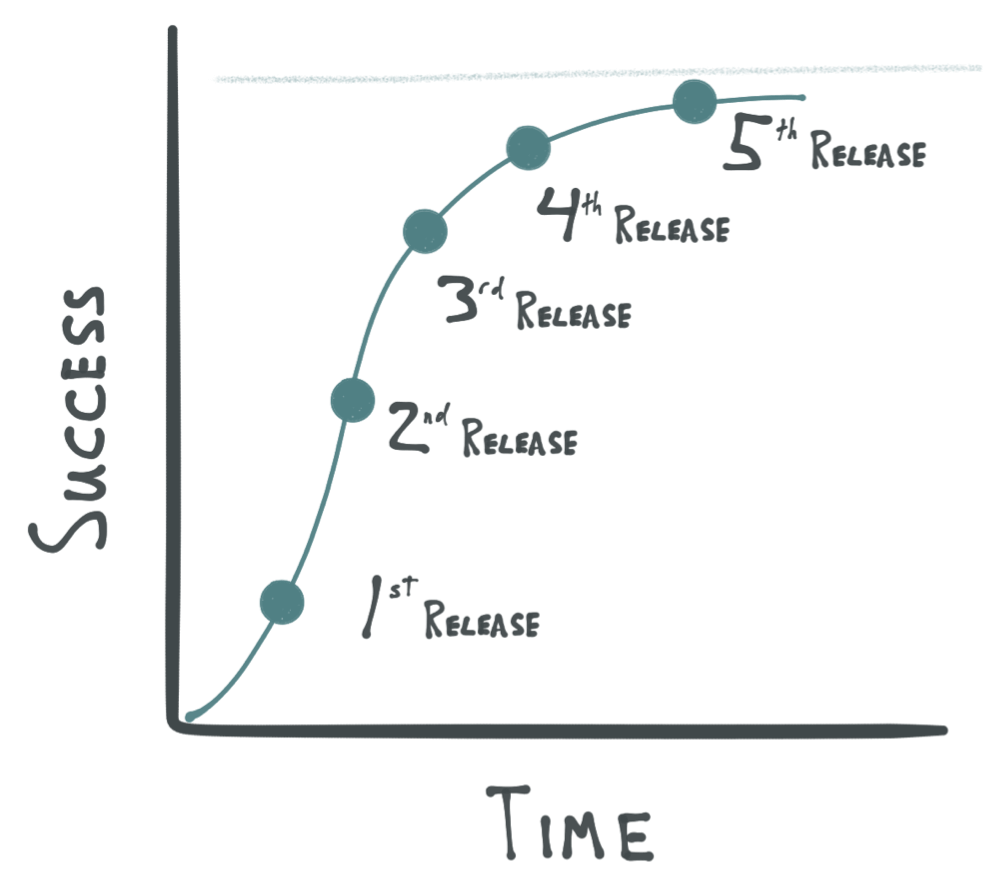
"Don't set goals. Make progress"
Pick an area of your product to improve
Find a metric that represents success
And then iterate
You don't need a goal. You need persistence and obsessiveness.
In essence, we used the Law of Diminishing Marginal Returns as our goal framework
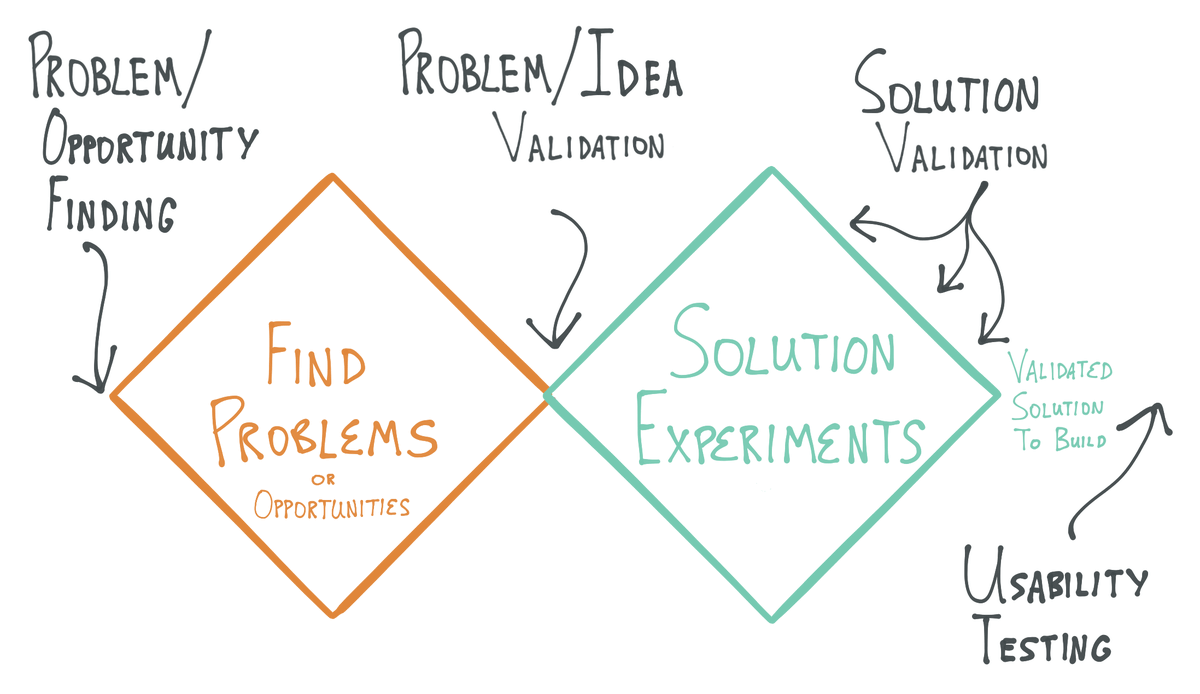
"Talk to customers in every phase"
-Problem/Oppty Finding ("No idea what I'm doing")
-Problem/Idea Validation ("I think I've found an important problem/opportunity")
-Solution Validation ("What about these solutions?")
-Usability Testing ("Aha. Got it but need to tweak it.")
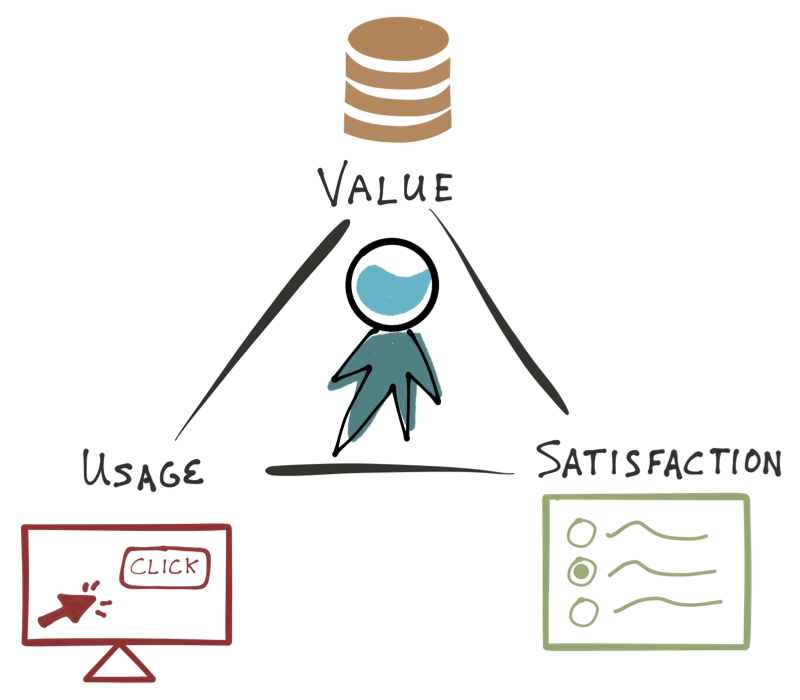
"Triangulate your customer's success"
What is success for your customer?
Being satisfied? Gaining discrete value from your product or service? Or browsing around and using your system?
It's easier to pick one metric, but over-optimizing might cause problems later.
"How to lead Product Discovery if you're not an expert"
Create time and space to learn Discovery
Focus getting better, not being perfect
Don’t wait for the “right” time to start
If you get frustrated with the team or your company, reach out to me:
https://t.co/UlcycKPVbB
"Learning happens with failure, repetition and reflection"
Teams that proactively make time to honestly reflect on their recent experience learn faster
As a leader, require your teams to meet and do a retrospective within one week of finishing their Product Discovery cycle
"Scrutinize your team's Discovery learnings"
As a leader, you need to coach your team to get better.
This prevents them from just going through the motions of Product Discovery.
What have they learned that they didn’t know before they started?
"As a leader, if you criticize every aspect of your team's process, it will slow them down."
Getting good at Product Discovery takes repetition.
In the beginning, emphasize the repetition.
"Don't just coordinate --> Collaborate"
Most teams see each other on a regular basis
This feels like collaboration
But really it's mostly coordination
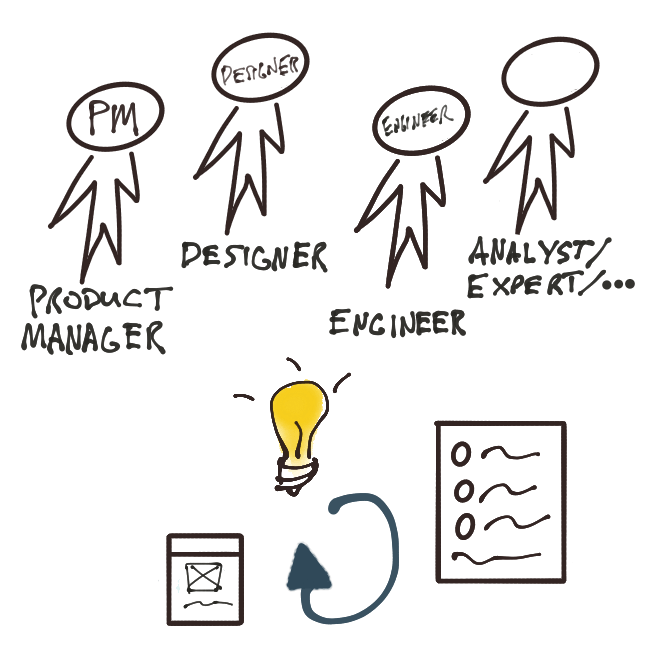
True collaboration asks earlier in the process for input from the designer, the engineer, the data analyst, the customer...
"Learn to be a better coach"
All successful teams have a coach (usually their manager)
The coach focuses on practice and iteration
In business, we underinvest in coaching assuming everyone knows what they're supposed to do
Reach out to me and get better at coaching your teams
"Help your teams recruit users"
This is probably the MOST important accelerator of Product Discovery.
Recruiting users always takes longer than teams think.
Push them to start recruiting immediately and ask for day to day status.
More tips :
https://t.co/hwoBu3ZXlZ