We maintain separate “lists” for each stage of the acquisition process that serve their own purpose.
These documents ensure we’re receiving all needed information (and that the information is accurate), highlight issues that may affect our business plan, and create processes to improve performance.
1.) Due-Diligence: This is how we ensure we’re not buying a lemon. Checking everything from location/elevation, surrounding properties, existing leases, permit history, title reports (easements, liens), and all other inputs that we gather through our general/sewer inspections.
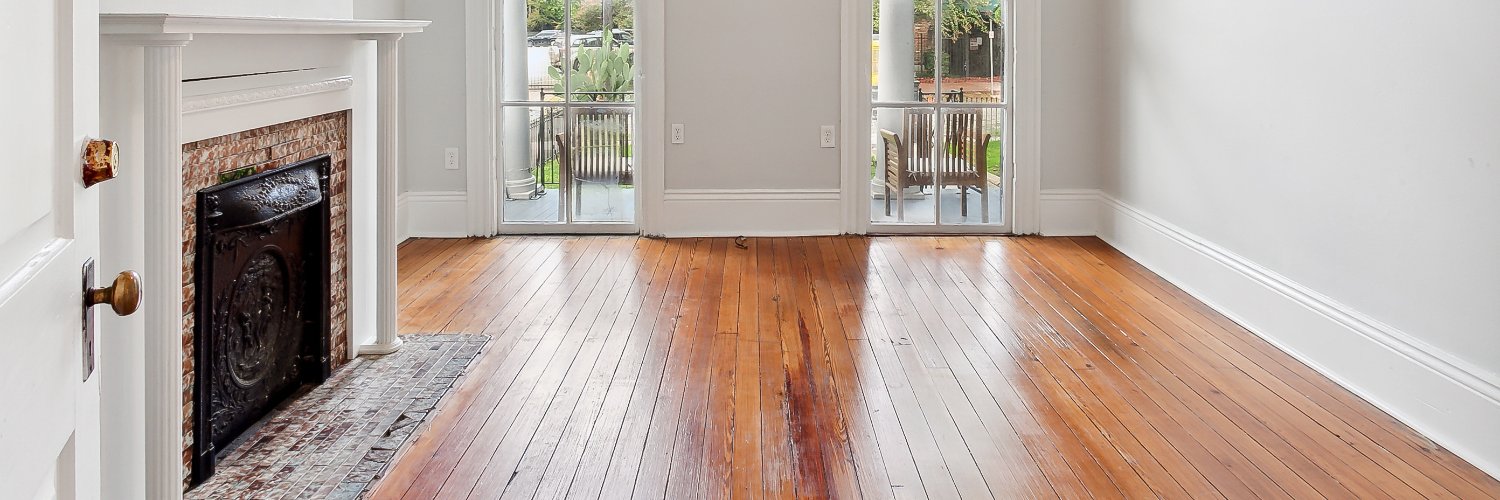
2.) Post-Acquisition (depending on the project): Quick maintenance to set the tone for management and to show existing tenants we care. This encompasses upgrades to entryway fixtures, painting, landscaping, and a deep cleaning of all common areas. If we’re gutting the whole building, this list becomes less important.
3.) Renovation: Construction and capital expenditures that add value such as new kitchens/bathrooms/flooring/roof/etc. These are organized by scope of work and have permits, estimates, and hard quotes corresponding to each stage.
4.) Punch-Out: Last items before the property is tenant ready; cleaning, touch-ups, signage, security, and the closing of open permits associated with the project.
5.) Preventative (On-Going): We maintain a list of maintenance items that we execute periodically, such as air filter replacements, MEP inspections, and landscaping. Getting in front of maintenance is generally a good way to save money in the future and tenants don’t always sound the bell early if something is wrong.
Each list is dynamic and seemingly grows after each project we execute.
There will always be surprises along the way but it’s best to have an itemized list of these “what ifs” to help mitigate any future issues and remind you of those you encountered in the past.
Great to explore the John R. Green mixed-use complex in Covington, KY with my new friend and owner @ErnieBrownII , appreciate you having us and big thank you to @JohnJBlatchford for the introduction.
Very excited to announce our acquisition of what we have named, The Eighth Street Flats: a 4,300 sq.ft apartment building built in 1860 and well situated in the historic Mainstrasse Village of Covington, Kentucky. We've been quiet over the last couple of months putting the pieces together on what is our first development in the Cincinnati metro area and hope it's the start of many more.
Camelback additions can be very hard to execute in certain markets but also present opportunities to dig out value with the right cost basis.
A camelback is a partial second story built on the back of a home, usually a shotgun house, to create more space.
They gained popularity across historic cities because many property sites have main buildings with accessory structures on the same lot.
Over time, the one-story main structure and the accessory were merged into a single building.
Or, as more space was needed in a shotgun-style house, a second story was added.
When executed properly (and legally), they allow operators to acquire a higher (future) unit count at a discounted basis.
Still very tough to make the numbers work (and secure permit approvals), but an avenue that opens up more possibilities for the operator.
Below is a picture of one of our New Orleans' duplexes that was converted into 4 units with the use of a camelback.
Digging into our acquisition process and what metrics we expect for the projects we take on.
As some know, our buying criteria is relatively narrow and encompasses the following:
1.) We only buy sub-institutional apartment buildings between 4-15 units.
2.) We seek out walkable, class A urban cores with supply constraints.
3.) We need angles to create value through operations or construction, allowing us to “make money” on the buy.
4.) The assets must exhibit the potential to be architecturally defining if they’re not already.
With that said, there’s specific metrics we need to achieve to move forward with a purchase and ultimately take on risk.
After collecting due-diligence materials (rent rolls, maintenance reports, capital improvements schedule, etc.), we verify all numbers and then assess how we would approach the building.
When analyzing the current rent and projecting the market rent, many will compare units by the number of bedrooms but don’t account for differences in square footage, what floor units are on, views, etc.
We pay no mind to the current rent rolls given we’re largely buying from generational owners who aren’t optimizing.
Are they leaving money on the table, yes.
Do they have less headaches and tenants that have never sent a maintenance request, yes.
These situations largely work in our favor and are a contributing factor to why we focus on the “forgotten middle tier” of these multifamily assets.
We’re always careful to analyze the floor plan of each unit, sq.footage, lighting, etc. to get the full picture of how much we could charge upon the completion of renovations (a studio with a balcony will achieve higher rents than one without).
Next, we gauge renovation costs through our inspection reports/estimates that are executed during the due-diligence period and formulate our contingency budget- we target a minimum of a 25% return on our renovation expenses.
We then model out downside, base, and upside case scenarios.
If the property can’t withstand a ~20% decrease in income (ie. rents don't cover overhead), we need to make an adjustment.
If the property doesn’t perform well without the assumption of rent growth (which we don’t underwrite), we need to make an adjustment.
It all comes down to having a refined process and accounting for the uncertainties that every project has.
Yes- nearly no new inventory entering most Historic Districts, causes people (that are able) to convert doubles/triples into singles and ultimately remove units from the area. Single-family market is very competitive in certain neighborhoods, which increases demand for those 2-3 bedrooms rentals by young families who want to be in the area but can't purchase.
A @JohnJBlatchford inspired post. Have been increasingly deterred by 1 bedroom apartments in our target markets- highest turnover rates, more availability, and rents that don't justify the new construction of such units. 1 beds largely appeal to singles or young couples that are using the apartment as a stepping stone to ultimately get something bigger. Something to be aware of on the operational side.
Shortcuts always cost more in the long run.
In real estate, everyone’s looking for that quick win or easy fix. But the truth is, every shortcut comes with a hidden cost—whether it’s deferred maintenance, bad tenant experiences, or rushed deals that don’t pan out.
The hardest part of this business isn’t the deals, it’s resisting the temptation to cut corners. We focus on doing the hard work upfront—understanding every asset, investing in the right improvements, and making sure we deliver value to the people who matter: our tenants.
If you’re looking for quick wins, don't get into real estate.
Thorough due diligence is crucial for the long-term success of a real estate investment.
The due diligence phase immediately follows the completion of the purchase agreement and typically lasts 2-12+ weeks depending on the deal.
During this period, we tour units, determine costs, finalize financing, and firm up underwriting.
To better inform the above, we always seek to obtain and review:
1.) Property Inspections (both general and plumbing)
2.) Lease Agreements
3.) P&L Statements
4.) Eviction Records
5.) Elevation Studies, Plans, Surveys
6.) Capital Improvements Schedule
7.) Utility Bills and Meter Counts
8.) Current Tax Bills & Appeals
9.) Title Reports
10.) Licenses and Permits
11.) Vendor Lists
12.) Miscellaneous Items Depending on the Deal
Someone inquired about what kind of renovations we do and what kind of product we seek to create.
Essentially, asking where we sit in the stack of apartment classes- which prompted an explanation of them.
Apartment complexes are generally categorized from Class C to luxury and vary widely in quality, amenities, and target demographics.
Class C Apartments: Budget-Friendly
Class C apartments are the most affordable option, typically older and located in less desirable neighborhoods. No frills, just a place to live.
Appeal: Class C apartments attract budget-conscious renters like students, working-class individuals, and those with lower incomes that typically leverage municipal housing vouchers (section 8). Very intensive property management processes are required as these assets typically have the most issues.
Class B Apartments: Middle Tier
Class B apartments offer a middle ground, being newer and in better neighborhoods than Class C. Typically nicer finishes and (some) amenities.
Appeal: Class B apartments cater to work-force housing in addition to young professionals, and small families. Higher credit tenant base than Class C and with generally less headaches.
Class A Apartments: Modern Living
Class A apartments are newer, located in desirable neighborhoods, and feature high-end finishes/materials.
Appeal: Class A apartments attract higher-income individuals, from older couples to high earning young professionals. These renters are willing to pay a premium for proximity to work, dining, and entertainment. Typically, responsible tenants, resulting in less management issues.
Luxury Apartments: The Peak
The top tier of the market, offering opulent finishes, expansive floor plans, and cutting-edge amenities, usually in the most desirable locations.
Appeal: Cater to the wealthiest renters who seek privacy, security, and access to the best parts of the surrounding area.
_______
The apartment market is diverse and each class serves a specific demographic and presents their own risks/rewards.
We choose to focus on the Class A space for the following reasons:
-Higher Credit Tenant Base- implying more stability in rent collections.
-Premiums on Rents - these assets command higher rent rolls due to their location, and newer construction/renovations, leading to greater rental income.
-Demand - high earning professionals want to live in nice apartments in nice areas- there are only so many of these in our target areas and it’s very hard to add more.
-Maintenance and Upkeep - Newly renovated properties require less immediate maintenance and fewer capital expenditures compared to older Class B or C properties.
-The Dirt - Desirable locations tend to appreciate at faster rates than others. If it’s hard to add new inventory into an area that people will continue to seek out, signs point to growth over time.