Rosé, Artistic Freedom, and the Psychology of Fandom
I've been a fan of the Rolling Stones, Led Zeppelin, Thin Lizzy, Rory Gallagher, and countless other musicians for more than 50 years. And guess what? I don't like every song they've recorded.
That's perfectly normal.
What's NOT normal is believing that because you've supported an artist for years, that artist somehow owes you the music, image, and personality you originally fell in love with.
As both a lifelong musician and a clinical psychologist, I find some of the reactions to Rosé's musical evolution fascinating.
There's a psychological phenomenon called parasocial attachment, in which people develop strong emotional connections with public figures they don't personally know. That attachment isn't inherently unhealthy. But when admiration turns into entitlement, things become considerably more complicated.
Rosé is approaching 30. She's no longer the 19-year-old who debuted with BLACKPINK. She's a grown woman with her own musical interests, ambitions, and creative vision.
Jisoo, Jennie, and Lisa are pursuing their individual careers in their own ways. Why shouldn't Rosé have that same freedom?
She wants to explore rock music, play guitar, perform in more intimate venues, and develop her own artistic identity. She's not obligated to follow the same musical direction as the other members.
And wanting something different doesn't mean she loves BLACKPINK any less.
Some fans have responded by threatening to unfollow her, predicting she'll lose her entire audience, or declaring her career a sinking ship.
That's not constructive criticism. That's an attempt to pressure an artist into conforming to someone else's expectations.
Musicians evolve. Their audiences can evolve with them or move on. Both choices are perfectly legitimate.
I've never expected Mick Jagger, Jimmy Page, or Rory Gallagher to make every musical decision according to my personal preferences. Why would I expect Rosé to?
You don't have to like every song. You don't have to enjoy her new direction. You don't even have to remain a fan.
But understand one fundamental distinction:
Being a fan gives you the right to decide what you listen to. It does not give you the right to decide what the musician plays.
Rosé doesn't owe anyone another decade of being 19 years old.
Let the woman make her music.
@EchoRosee@roseannepics@RoseGlobalUnion@RoseFocused@rose_usa_union@numberoneHQ
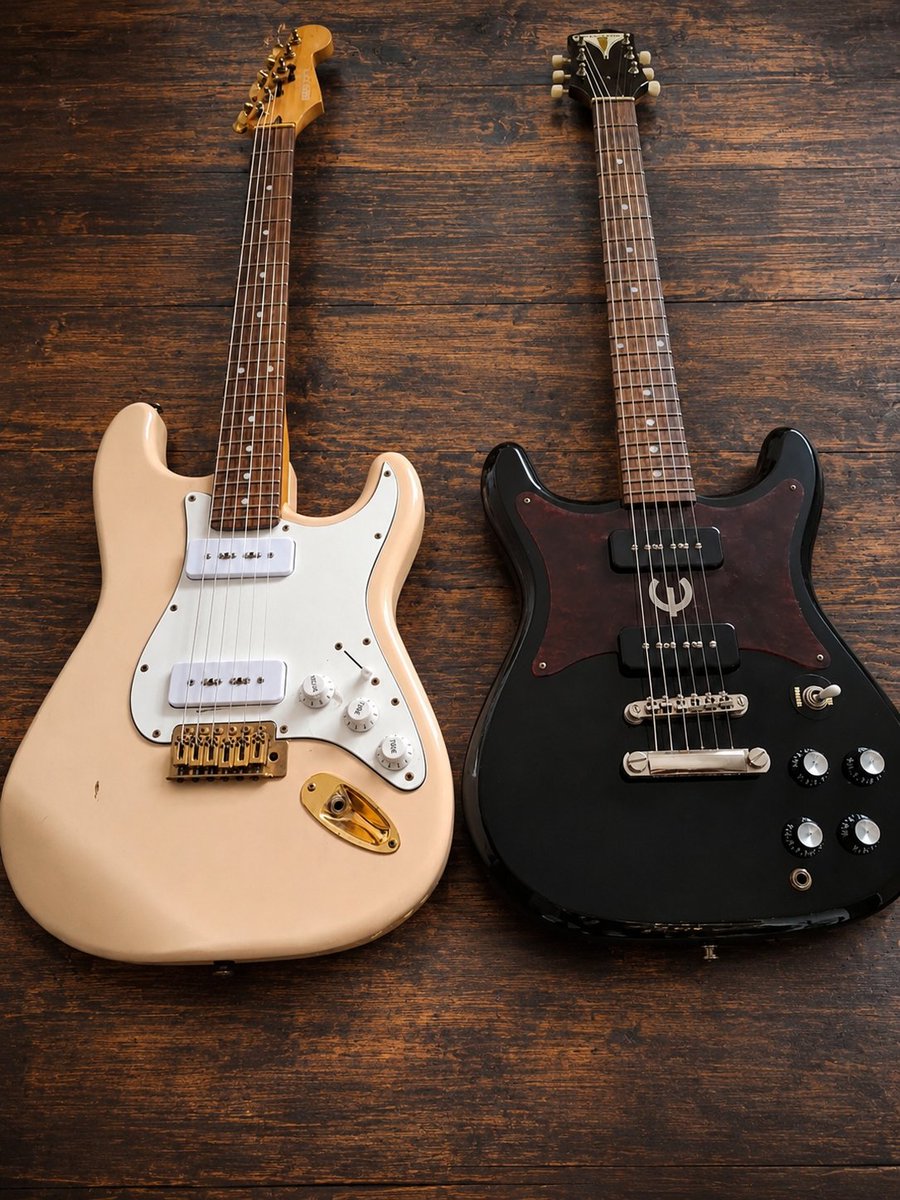
Two guitars with p90 pickups. Great for alternative rock, blues, classic rock, country rock, grunge, hard rock, punk rock, raggae and southern rock. I absolutely love p90 tone. Good shit.
No need to be disrespectful. I've liked specifically Rosé since the beginning. Fans need to realize she's evolved and she's shifted genres. She also writes her lyrics and music and co produces. That's a lot of work and it's much more difficult that cranking out an album of songs someone else wrote every six months and sorry but it you aren't a musician who's stood on that stage you aren't qualified to lecture her.
She's always leaned toward pop rock even during her solo stage performances. Eyes closed, Let it Be, Eyes, Lips, Nose, Hard to Love. Then her own songs On the Ground and Gone - all rock flavored songs. She auditioned for YG at 15 with a pop rock song. She's most of "rosie" was Indie rock. APT and Toxic Till The End - punk pop vibe. She's being herself and herself is damn good.
Rosé, Artistic Freedom, and the Psychology of Fandom
I've been a fan of the Rolling Stones, Led Zeppelin, Thin Lizzy, Rory Gallagher, and countless other musicians for more than 50 years. And guess what? I don't like every song they've recorded.
That's perfectly normal.
What's NOT normal is believing that because you've supported an artist for years, that artist somehow owes you the music, image, and personality you originally fell in love with.
As both a lifelong musician and a clinical psychologist, I find some of the reactions to Rosé's musical evolution fascinating.
There's a psychological phenomenon called parasocial attachment, in which people develop strong emotional connections with public figures they don't personally know. That attachment isn't inherently unhealthy. But when admiration turns into entitlement, things become considerably more complicated.
Rosé is approaching 30. She's no longer the 19-year-old who debuted with BLACKPINK. She's a grown woman with her own musical interests, ambitions, and creative vision.
Jisoo, Jennie, and Lisa are pursuing their individual careers in their own ways. Why shouldn't Rosé have that same freedom?
She wants to explore rock music, play guitar, perform in more intimate venues, and develop her own artistic identity. She's not obligated to follow the same musical direction as the other members.
And wanting something different doesn't mean she loves BLACKPINK any less.
Some fans have responded by threatening to unfollow her, predicting she'll lose her entire audience, or declaring her career a sinking ship.
That's not constructive criticism. That's an attempt to pressure an artist into conforming to someone else's expectations.
Musicians evolve. Their audiences can evolve with them or move on. Both choices are perfectly legitimate.
I've never expected Mick Jagger, Jimmy Page, or Rory Gallagher to make every musical decision according to my personal preferences. Why would I expect Rosé to?
You don't have to like every song. You don't have to enjoy her new direction. You don't even have to remain a fan.
But understand one fundamental distinction:
Being a fan gives you the right to decide what you listen to. It does not give you the right to decide what the musician plays.
Rosé doesn't owe anyone another decade of being 19 years old.
Let the woman make her music.
@roseanneHQ_ There's certainly some interesting psychology at work. Parasocial attachment, emotional overidentification, and a healthy dose of entitlement.
Some fans become so invested in an artist's identity that they start treating changes in that artist as personal betrayals.
@rrosesareroiee There's certainly some interesting psychology at work. Parasocial attachment, emotional overidentification, and a healthy dose of entitlement.
Some fans become so invested in an artist's identity that they start treating changes in that artist as personal betrayals.
Obviously you didn't listen to the whole thing. She said her music right now isn't what she would want to do at Coachella. She did NOT day she would perform at Coachella 2027. She's still getting in the rock genre. She's gotta pay her rock dues. Being a k-pop idol doesn't mean shit in rock and roll. I'm glad she's doing things her way. Artists evolve. Fans can evolve with the artist or move on.