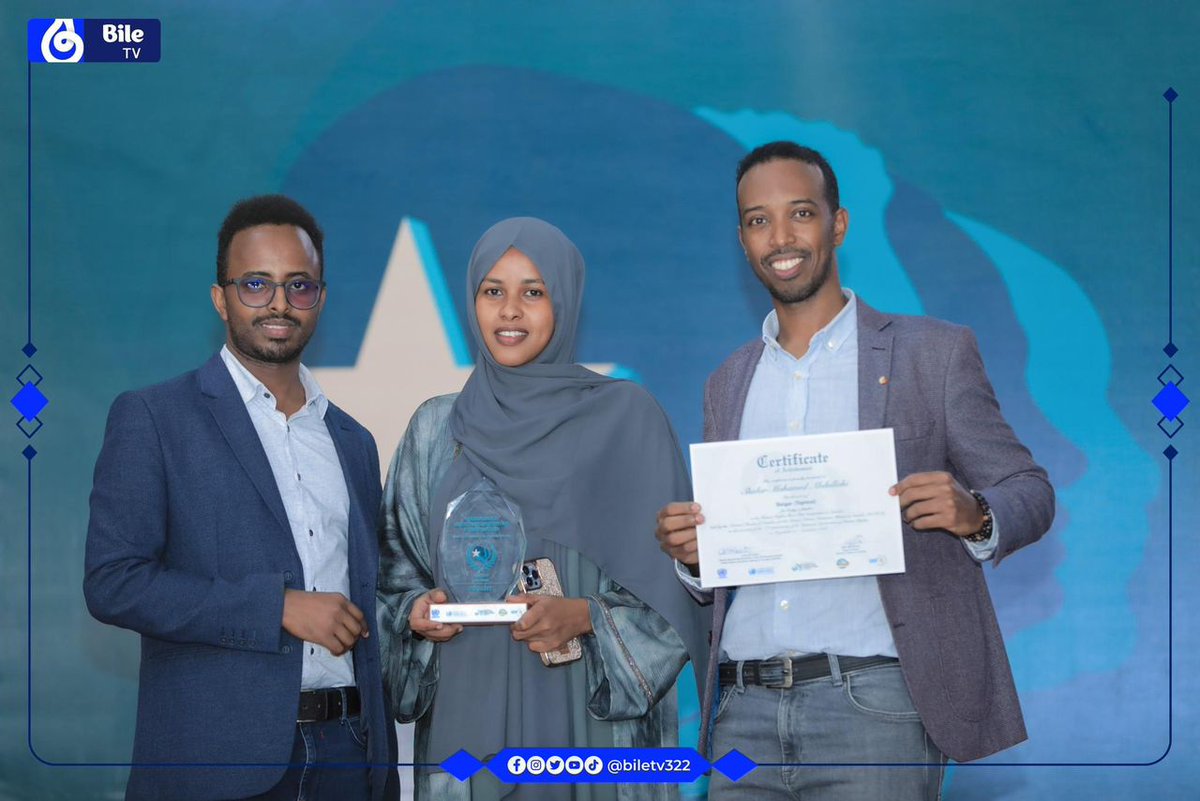
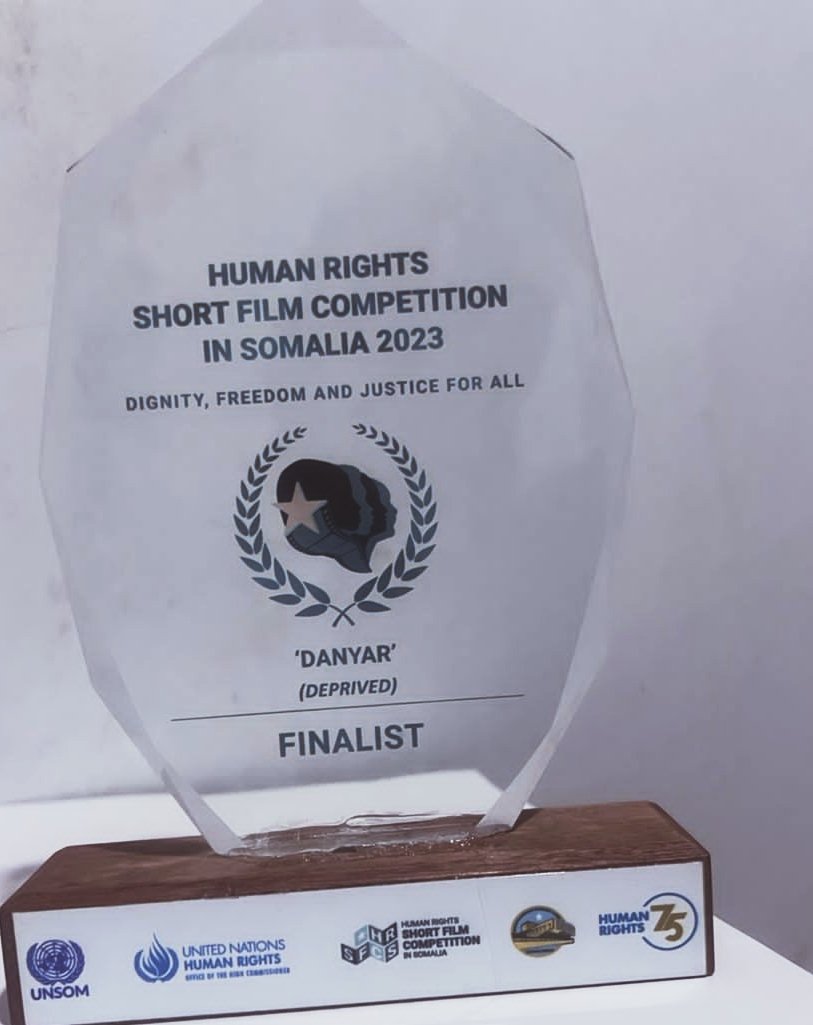
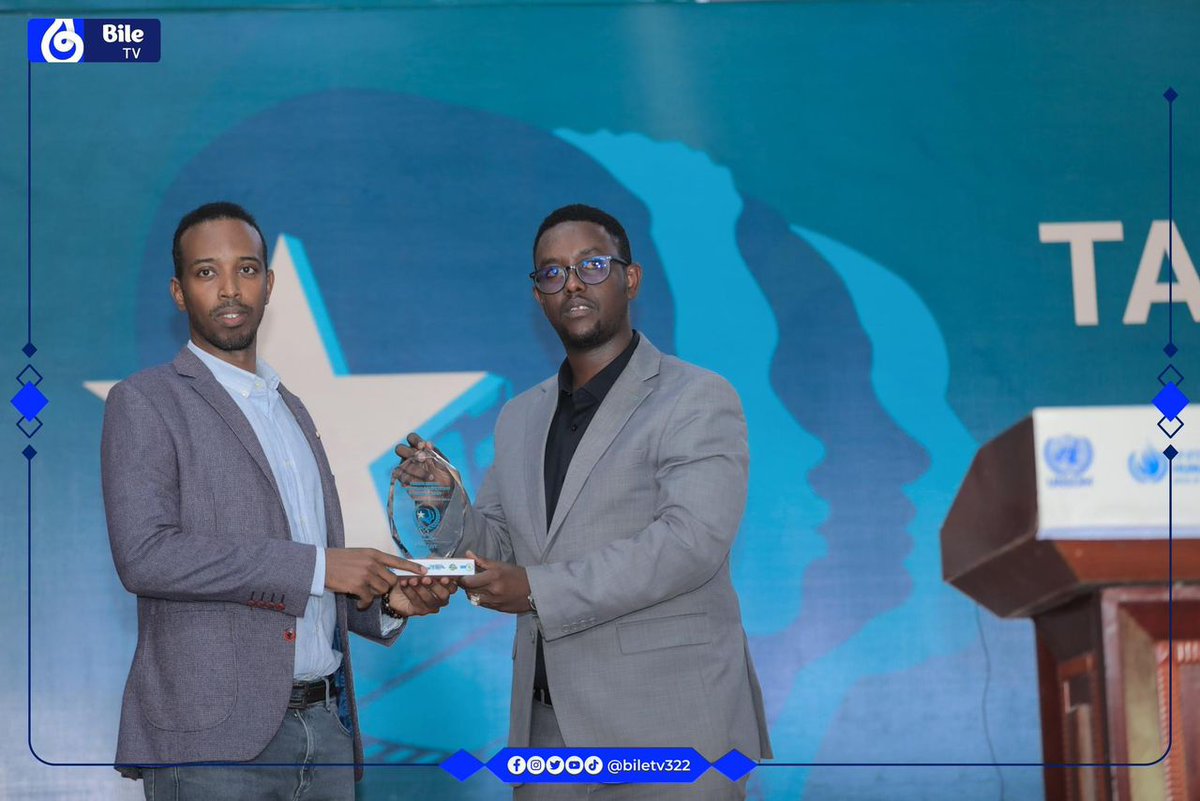
Thrilled to announce that my animation short film, "Danyar/Deprived," has reached the finals of the 2023 Human Rights Competition Short Film in Somalia, organized by the Somali National Theater and @UNSomalia. Grateful for the support of my friends @HassanAbdiH and @Hamdiohassan.
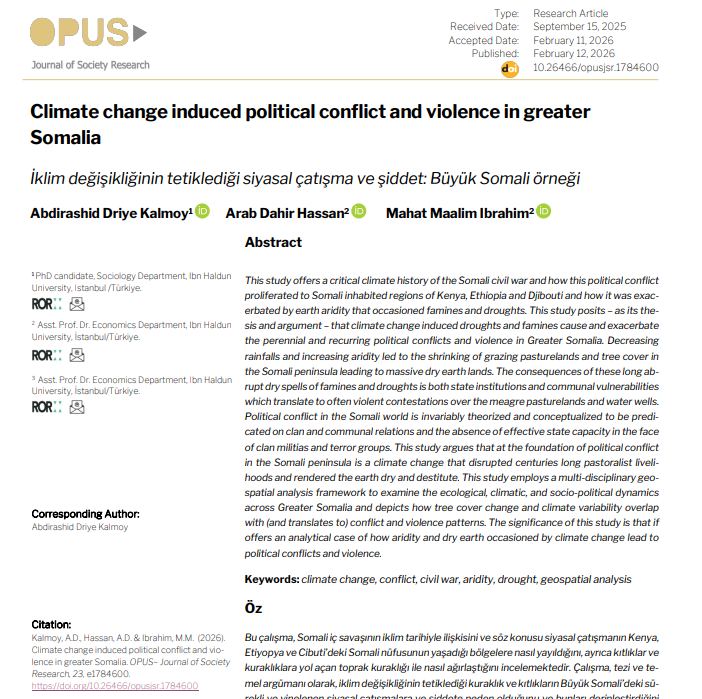
With Empirical data we establish that Climate Change (as one of the major fcators) triggers, sustains and exacerbate Political Violence not only in Somalia but all the Somali regions/territories in Ethiopia, Kenya and Djibouti.
Our new research article, “Climate Change Induced Political Conflict and Violence in Greater Somalia” published with fellow researchers Prof. Mahat and Prof. Arab Dahir, examines how droughts, declining rainfall, and shrinking tree cover have intensified political violence across Somalia, Kenya, Ethiopia, and Djibouti. Moving beyond clan-based explanations of conflict, we argue that climate change is not just background context but a structural force reshaping pastoral livelihoods, weakening institutions, and amplifying armed competition over land and water. Using high-resolution geospatial data (MODIS, TerraClimate) and conflict event data from Armed Conflict Location & Event Data Project, we combine satellite imagery, zonal statistics, and regression models to show how environmental stress overlaps with patterns of violence from 1997–2024. The study is unique in offering a multidisciplinary “critical climate history” of Greater Somalia, linking ecological degradation directly to conflict dynamics. Its significance lies in reframing climate change as a core security issue in the Horn of Africa - not a future risk, but a present driver of political instability in the whole region.
@HoehneVirgil@AbdiwahabSheik7 @IbrahimRaage1 @ibrahimalegoz@gokhankavk@DemirciEbuzer@TapriTampereUni@MahatMacalim@ibnhalduni@Ehelsan_Saleban@afyare_elmi
Full paper link: https://t.co/S59iEMnOKd
#ClimateChange #Somalia #HoA #PeaceResearch #ClimateCrisis
The lessons from our history are not distant memories; they are urgent warnings. In the 16th century, Somalia stood strong and united, resisting Portuguese incursions and Abyssinian highland expansion through powerful and organized states such as the Ajuran Sultanate and the Adal Sultanate. Unity gave us strength. Leadership gave us dignity. Statehood gave us protection.
But when these great states collapsed in the 17th century, division replaced unity. Fragmentation weakened us from within. By the late 19th century, our divided condition allowed the United Kingdom, Italy, France, and Ethiopia to partition our land. We did not lose because we were incapable; we lost because we were divided.
Today, we stand at a similar crossroads. If political elites fail to overcome internal rivalries, agree on a credible electoral model and a unifying constitutional framework, and strengthen balanced alliances with regional and international partners, history may repeat itself. Our national unity and sovereignty are not guaranteed; they must be protected through courage, compromise, and collective responsibility.
As Mark Carney, the Canadian PM expressed, when states are not at the table, they will be in the menu. Somalia is not in either spaces; instead, it has become an add- on. Since the collapse of the Somali state in 1991, the international order that emerged from the post–Cold War era is fragmenting. In this world of raw power dynamics, have left the country treated symbolically rather than substantively, much like a garnish on a plate: present, but without decisive influence.
To avoid remaining on the margins of global politics, Somalia must confront and resolve its internal disagreements, strengthen its state institutions, and articulate a unified national position. Without doing so, Somalia risks losing even the limited space it currently occupies, not only missing the table or in menu, but also losing the minimal status of an add-on.
Alhamdulillah.
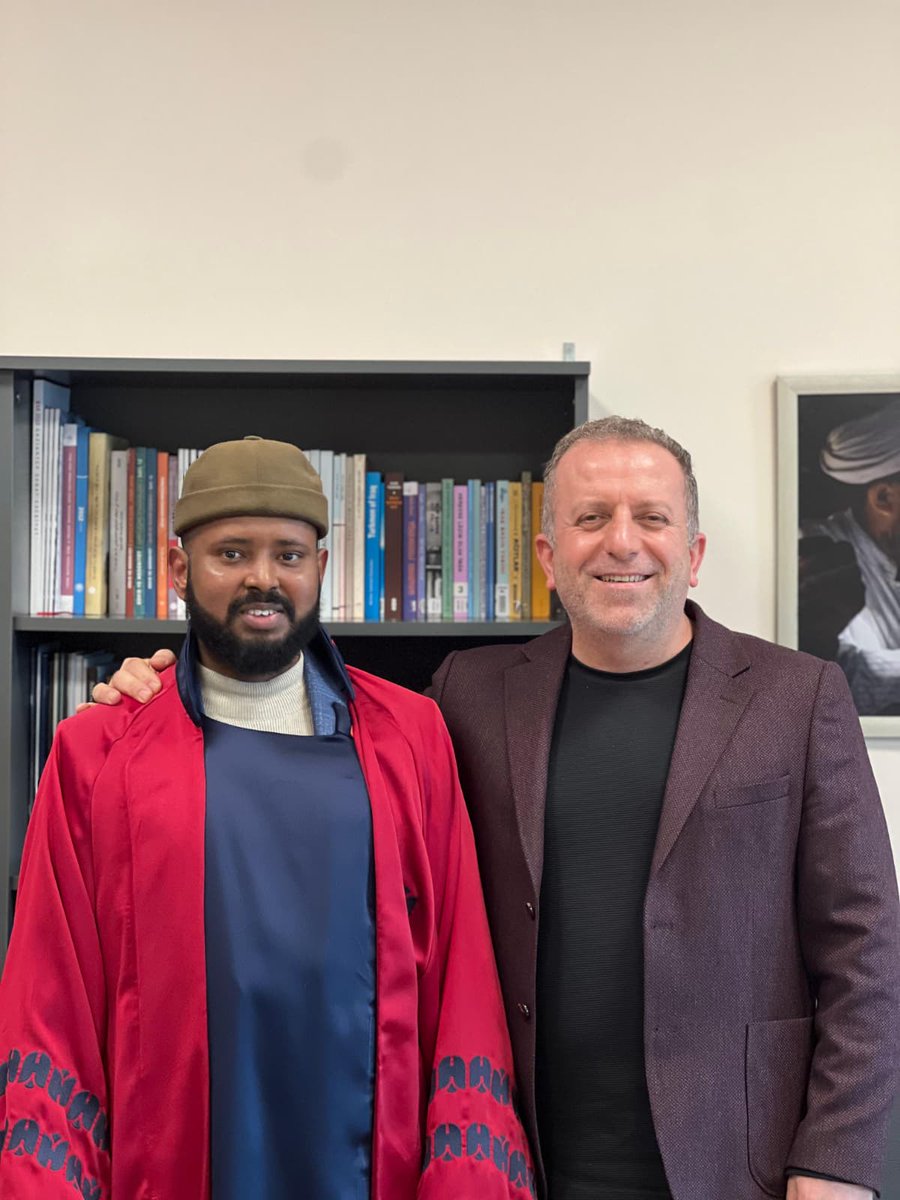
Today I successfully defended my PhD thesis. Deeply grateful to my supervisors, examiners, colleagues, friends, and family for the support throughout this journey.
@ibnhalduni@HoehneVirgil@Shaakirmc @_Khalif01
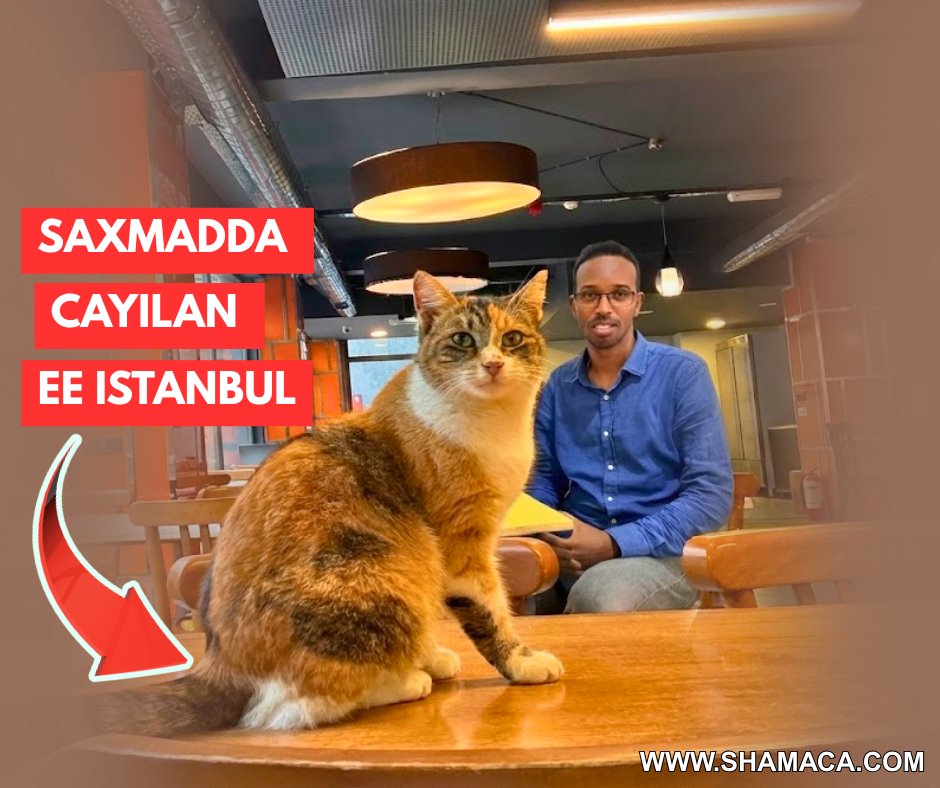
Waa qoraal kooban oo aan kaaga sheekeynayo wixii aan magaalada faca weyn ee Istanbul ku arkay xagaagii sanadka, 2025, dhowaan na macsalaameeyay. Linkiga hoose ka akhriso.
https://t.co/tfORcicC83
#shamaca#safar#istanbul#dalxiis#somaliblogger
Today, we successfully concluded a four-day symposium marking the 25th anniversary of the Somali Peace and Reconciliation Conference held in Arta, Djibouti, in 2000. The event celebrated this historic milestone with the opening of the Arta Museum and the symbolic reconstruction of the original conference tent, honoring the spirit of unity and hope that defined the Arta process. I wrote this article to reflect on the historical significance of that moment and its lasting impact on Somalia’s journey toward peace and statebuilding.
https://t.co/0vW60IVs98
Fadlan, kasoo qaybgal baal-furka buugga: Somalia: A State In Search of Exceptional Leaderahip. Introductions by H.E Ambassador to the UK @MinisterHashi and Somali historian Mohamed Issa Turunji. Organized by @MohammedAArtan@LoohPress#London_Uk
In recognition of their achievements in the inaugural 'Human Rights Short Film Competition in Somalia,' 14 promising young #Somali filmmakers today attended a filmmaking and #humanrights workshop in #Mogadishu - led by visual artist @AbshirRage, the @UN-supported event focused on enhancing their filmmaking skills to tell and share the story of human rights in #Somalia with local and global audiences.
The @SPACLD at @somalipubagenda extends its sincere appreciation to our instructors, Abdishakur Awil and @Shaakirmc, who conducted the blog writing training for the 8th cohort and some of the previous cohorts. With their extensive experience in blogging, the two instructors made the training sessions exciting, engaging, and practical.
#SomaliPublicAgenda #BlogWriting #Training
For more than 50 years the BBC’s Somali service has been broadcasting an anti-colonial message – without realising it.
My article on the @guardian on the BBC Somali service theme tune.
https://t.co/8ngm8uwnkj
Waxaan kula kulmay Jaamicadda Zhenjiang Dr. Wei Xu oo ah ku- xigeenka agaasimaha Machadka Daraasaadka Afrika. Dr. Xu waxay utarjumtay kitaabkayga taariikhda Soomaaliya Afka Chiinaha. Waxaa ku mahadsan tarjumadaas Ambassador Dr. Hodon Osman oo qayb ka aheed tarjumada kitaabka. Dr. Hodon Osman waxay wax ka baratay, kana shaqeysay Jaamicadda inta udhaxaysay 2005-2022.