People redact their bank statements and post their wallet address publicly.
One is private by design.
The other exposes every balance, every counterparty, every transaction you've ever made.
Permanently. Searchably. To anyone.
We treat the more revealing one as harmless.
The Litecoin ecosystem now has its own identity layer.
Claim your @name.lite
One name replaces every address you’d otherwise copy,
paste, and triple-check:
→ Patented Send-to-Name™ - no address poisoning
→ One-time stealth address for every pair of users - no public wallet exposure
→ Quantum-resistant cryptography - built into system
Get yours using the link below.
Every operational crypto hack comes down to one missing capability.
The ability to verify.
Verify who you're transacting with.
Verify what you're signing.
Verify the counterparty is who they claim.
Billions are lost every year in the gap between "looks legitimate" and "is provably legitimate."
Closing that gap isn't a feature. It's the entire unsolved problem.
Traditional finance has a feature crypto rarely talks about: discretion by default.
Your bank doesn't publish your balance.
Your broker doesn't expose your positions.
Your employer doesn't broadcast your salary.
None of this is anonymity. It's privacy, verified parties, confidential details.
Crypto built radical transparency and called it a feature. For institutional capital, it's the single biggest reason to stay out.
Watt2Trade's CEO isn't new to energy. ⚡
→ Top 100 Energy Sector Leaders. Two consecutive years.
→ President of COPARMEX's National Energy Commission.
Here's what @cauhdez said on his last interview.
After the year's biggest hacks, the stolen funds followed the same path.
Cross-chain liquidity protocols with no KYC.
Privacy tools to obscure wallet links.
Conversion to Bitcoin through intermediaries.
The exploit gets the headlines. The laundering infrastructure is what makes it worth doing.
As long as anonymous rails exist for moving stolen funds, the incentive to steal them never goes away.
Most compliant privacy systems have a backdoor.
They call it a "viewing key" - a master key that lets a third party see into your transactions. For compliance, supposedly.
But a viewing key is God mode. Someone, somewhere, can decide to look at your activity without your consent.
The better answer: no viewing key at all. The recipient can reveal their funds to whoever they choose, but no third party can decide for them.
Compliance without a backdoor. Disclosure without God mode.
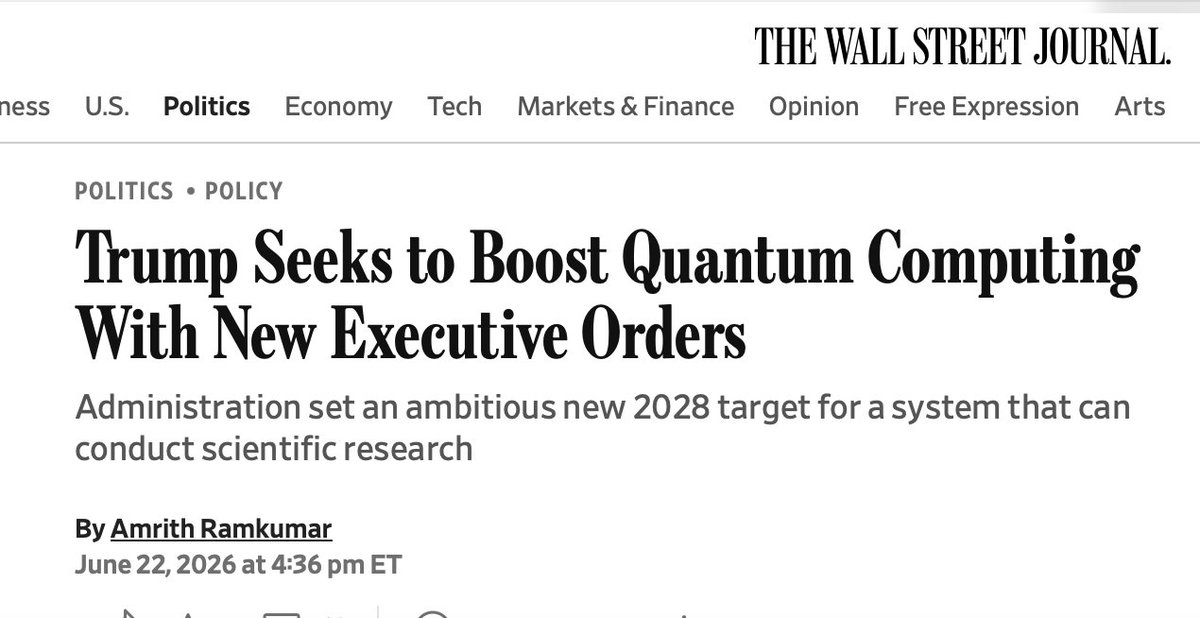
The quantum race just became a national priority.
President @realDonaldTrump 's new Executive Orders accelerating quantum computing development and preparing federal agencies for a post-encryption world are a reminder that quantum risk is no longer theoretical.
The conversation has shifted from if quantum computers will challenge today's security infrastructure to how soon organizations need to be ready.
For crypto, this is especially important.
Blockchains secure trillions of dollars in value using cryptographic systems that were never designed for a quantum future. The migration to quantum-resistant infrastructure will likely become one of the largest security upgrades in digital asset history.
We've believed from day one that quantum readiness is a necessity.
As governments, enterprises, and financial institutions begin preparing for the next era of computing, the need for quantum-resistant wallets, identity systems, and digital asset infrastructure will only grow.
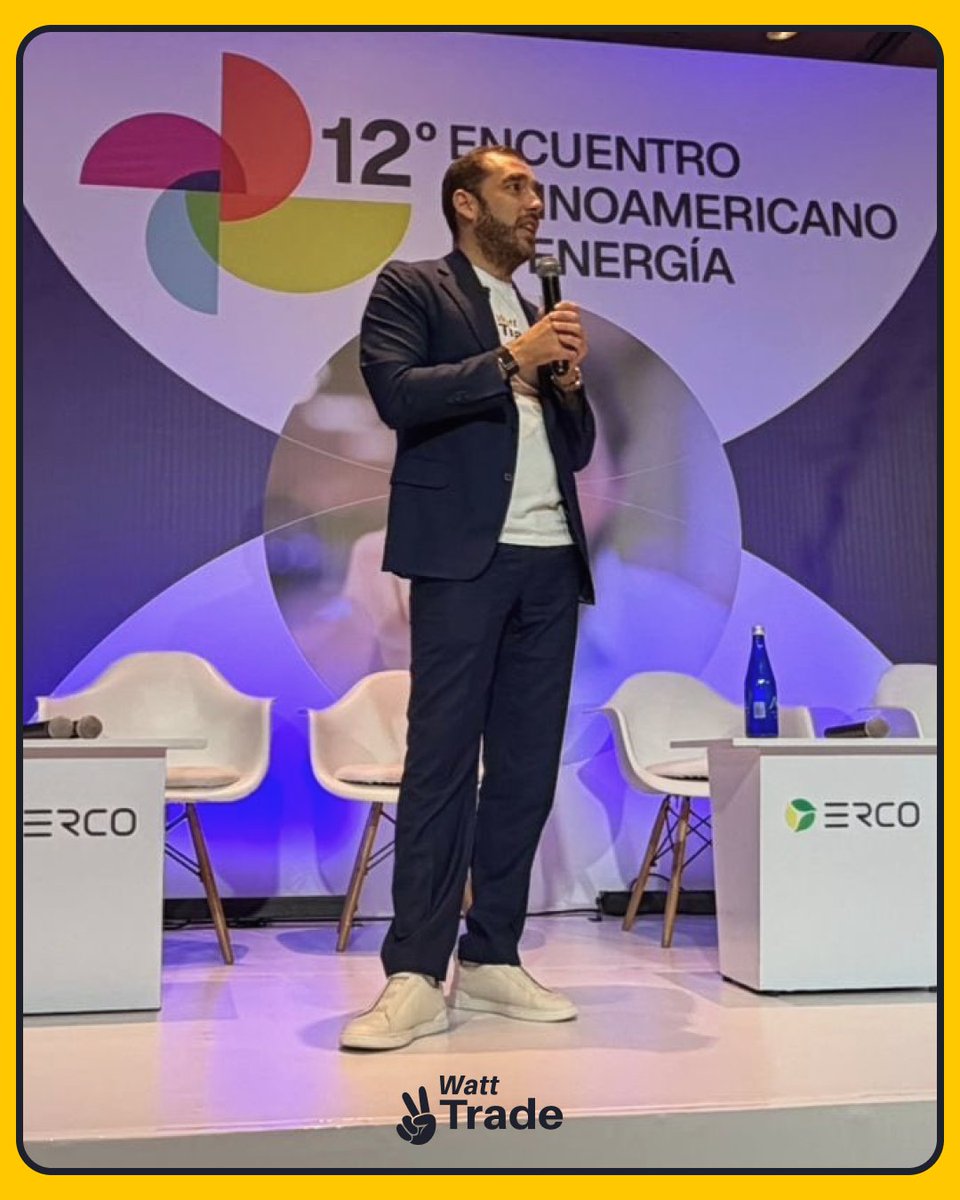
Our CEO, @cauhdez was invited to speak at the 12th Latin American Energy Forum on "New Technologies for Energy Trading."
In front of energy professionals from across Latin America, he walked through Watt2Trade's vision.