Egypt’s disallowed goal was for a foul that happened on the opposite end of the pitch.
That goal stands and this is a completely different game.
Remember that. #ARGvsEGY#FIFAWorldCup
Norway beat Brazil 2-1 at the 1998 World Cup too.
Same scoreline. 28 years apart.
Brazil have never beaten Norway at a World Cup.
Some fixtures are just cursed😶 #WorldCup2026#FIFAWorldCup
Brazil. Out. Again.
Beaten by a team ranked outside the top 30 in the world.
6 straight World Cups knocked out by European opposition.
24 years without a title.
#FIFAWorldCup
Japan went to Wembley in March and beat England 1-0.
First Asian team to ever beat England on home soil.
They’ve beaten Germany. Spain. Brazil. England.
Tell me again why anyone is sleeping on Japan tonight? 👀 #BRAvsJPN#fifa#worldcup2026
Japan have 7 goals in this World Cup. Most ever by an Asian nation at a single tournament.
Brazil have 7 goals too.
Same number. Different universes of expectation.
One of these teams is about to make history. Which one?
#BRAvsJPN#worldcup2026#fifa
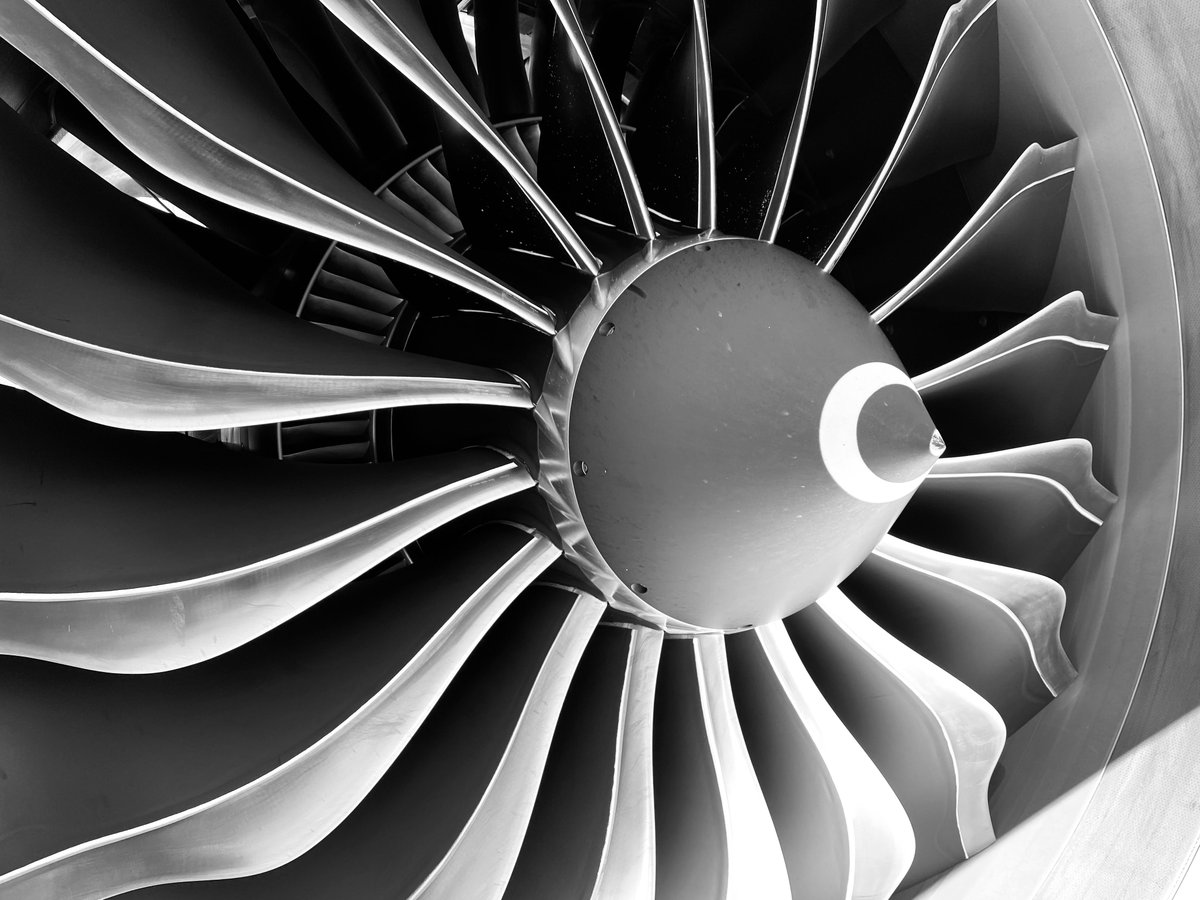
Now the engines theory is trending on Air India…loss of thrust.
I’m trying to walk a fine line: you’re going to see speculation one way or the other, so I’d like to add context to keep those theories from spinning out of control.
So, here’s what I know that could be relevant:
We don’t just firewall (go to maximum thrust) the throttles for takeoff. Instead, we use “Reduced Thrust” settings. These are calculated based on the environment; runway length, temperature, pressure, winds, etc.. A reduced thrust takeoff saves wear & tear on the engines, but is always calculated to be able to get you off the ground. A computer does it; you just tell it where you are, what runway you’ll use & how heavy you are. It tells you what % thrust to use & what flap setting is needed.
Can takeoff data get screwed up? Yes. Most often by entering the wrong weight (after fuel is added). If so, you can get a lower thrust & incorrect flap setting back from the computer.
Takeoff data almost always employs the “balanced field” concept. On very long runways, you can use a lower reduced thrust. For our purposes, this just means it’s not unusual for jets to use most of the runway for takeoff, even if it’s very long.
During takeoff, many airlines have a procedure where, just after setting the pre-calculated takeoff thrust, the pilot flying calls “Check thrust”. The pilot monitoring looks at the engines & compares the thrust to the calculated reduced thrust, then replies “Thrust set, 92.6%” (or whatever it is that day). I don’t know if Air India does this.
You can always firewall the thrust if things don’t look right.
The critical point of takeoff is called “V1”. Without going into details, if something is wrong before V1, you can stop. If it’s wrong after V1, you should make every effort to fly because you can’t stop in the remaining runway available. It is considered safer to take it into the air.
All airliners must demonstrate the ability to lose an engine at V1, continue the takeoff & safely climb away from the ground to a minimum safe altitude. This sometimes gets complex, but there is always a plan for that.
Windshear is a major threat to takeoff & landing. Wind is part of your airspeed; if it’s blowing in your face at 20 knots while you have the parking brake on, you still theoretically have an airspeed of 20 knots. Lift is based, in part, on airspeed (I’m simplifying). In a windshear event, the wind is strong, but then suddenly stops blowing. You lose a lot of airspeed & with it, lift. This is usually associated with thunderstorms in the area, but not always.
Have airliners simultaneously lost both engines before? Yes, usually due to something like bird strikes (think “Sully”) or fuel issues (“Gimli Glider” or Air Transat 236). Fuel issues are pretty rare & don’t usually happen until in cruise. It could be fuel exhaustion or fuel contamination; contamination can mean many things here. Maybe dirt in the fuel (which would get stopped by a filter, until the filter clogs, which trips a bypass to keep fuel flowing to the engine & gives a warning light) or it could mean water in the fuel (which would probably not be stopped by the filter or detectable to pilots, but fuel supplies are routinely tested).
Can airliners glide? Yes, but not as well as you might imagine. In probably our most famous example, Sully reached a top altitude of about 3,000’ after birds killed both his engines, then was able to glide for about 2 minutes, 30 seconds, which is losing about 1,200’ per minute. Obviously, glides that start low to the ground are shorter.
Ok, that’s some basic background data on engines & how they are used.
As always – and I cannot stress this enough – nobody knows what happened here, as good as their theories may sound. I sure as hell don’t…I’m very confused by what I’ve seen.
Time & an investigation will tell. This will be an investigation for the history books; while I don’t trust many govt agencies, I have full confidence in the NTSB.
𝐂𝐇𝐀𝐌𝐏𝐈𝐎𝐍𝐒 ⭐️ RCB PLAYED BOLD! 😇
17 Years, 6256 Days, 90,08,640 Minutes later, the wait finally ends. 🙌🤯
The IPL Trophy is finally coming home. And we CANT KEEP CALM! 🤩😍❤️