This 30-sec quiz completely changed my perspective on how to trim those hard-to-lose pounds. Finally, I see results!
Take the quiz to discover your specific gut-type! https://t.co/0GcfGuK2tA
Yesterday at DIALYSIS, the last twenty minutes my blood sugar and blood pressure dropped at the same time and I become "unresponsive". The nurses had to get the crash cart and call the Ambulance to get me Hamblen Hospital. At the hospital I had to have my 4th blood transfusion.
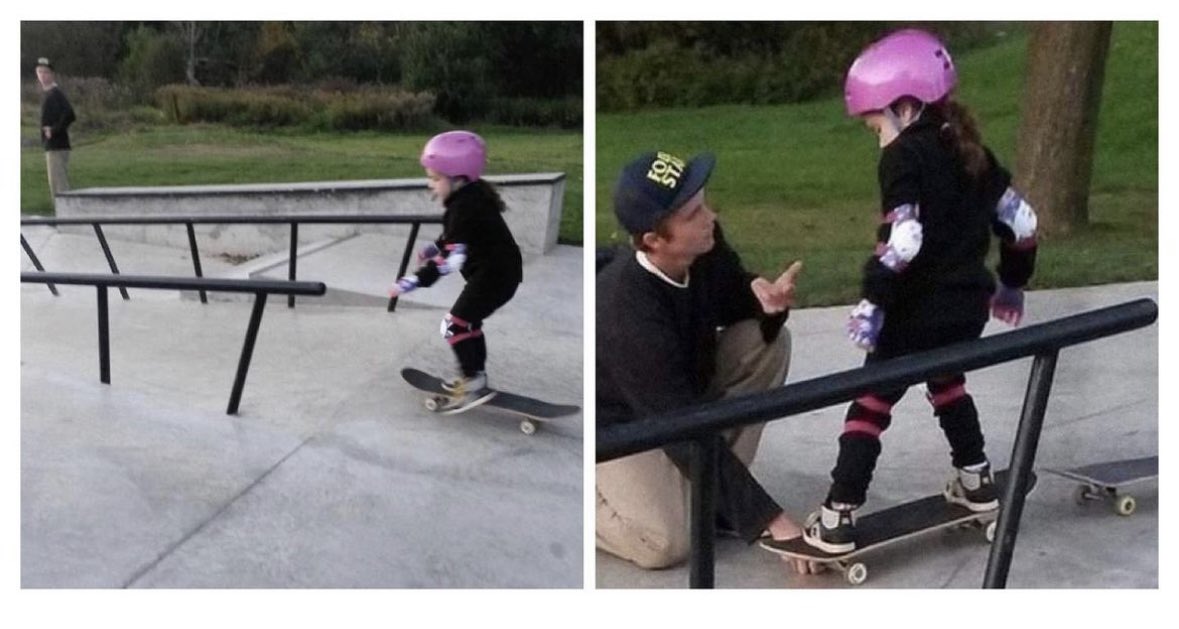
“Dear teenage boy at the skate park...
You're probably about 15 years-old, so I don't expect you to be very mature or for you to want a little girl on your skate ramp for that matter.
What you don't know is that my daughter has been wanting to skateboard for months. I actually had to convince her that skateboarding wasn't for just for boys.
So when we walked up to the skate park and saw that it was full of teenaged boys who were smoking and swearing, she immediately wanted to turn around and go home.
I secretly wanted to go too because I didn't want to have to put on my mom voice and exchange words with you.
I also didn't want my daughter to feel like she had to be scared of anyone, or that she wasn't entitled to that skate park just as much as you were.
So when she said, "Mom it's full of older boys," I calmly said, "So what, they don't own the skate park."
She proceeded to go down the ramp in spite of you and your friends flying past her and grinding rails beside her.
She only had two or three runs in before you approached her and said "Hey, excuse me.."
I immediately prepared to deliver my "She's allowed to use this park just as much as you guys" speech when I heard you say, "Your feet are wrong. Can I help you?"
You proceeded to spend almost an hour with my daughter showing her how to balance and steer, and she listened to you - a feat not attained by most adults.
You held her hand and helped her get up when she fell down and I even heard you tell her to stay away from the rails so that she wouldn't get hurt.
I want you to know that I am proud that you are part of my community, and I want to thank you for being kind to my daughter, even though your friends made fun of you for it.
She left the skate park with a sense of pride and with the confidence that she can do anything, because of you.”
Via @JeaneanThomas
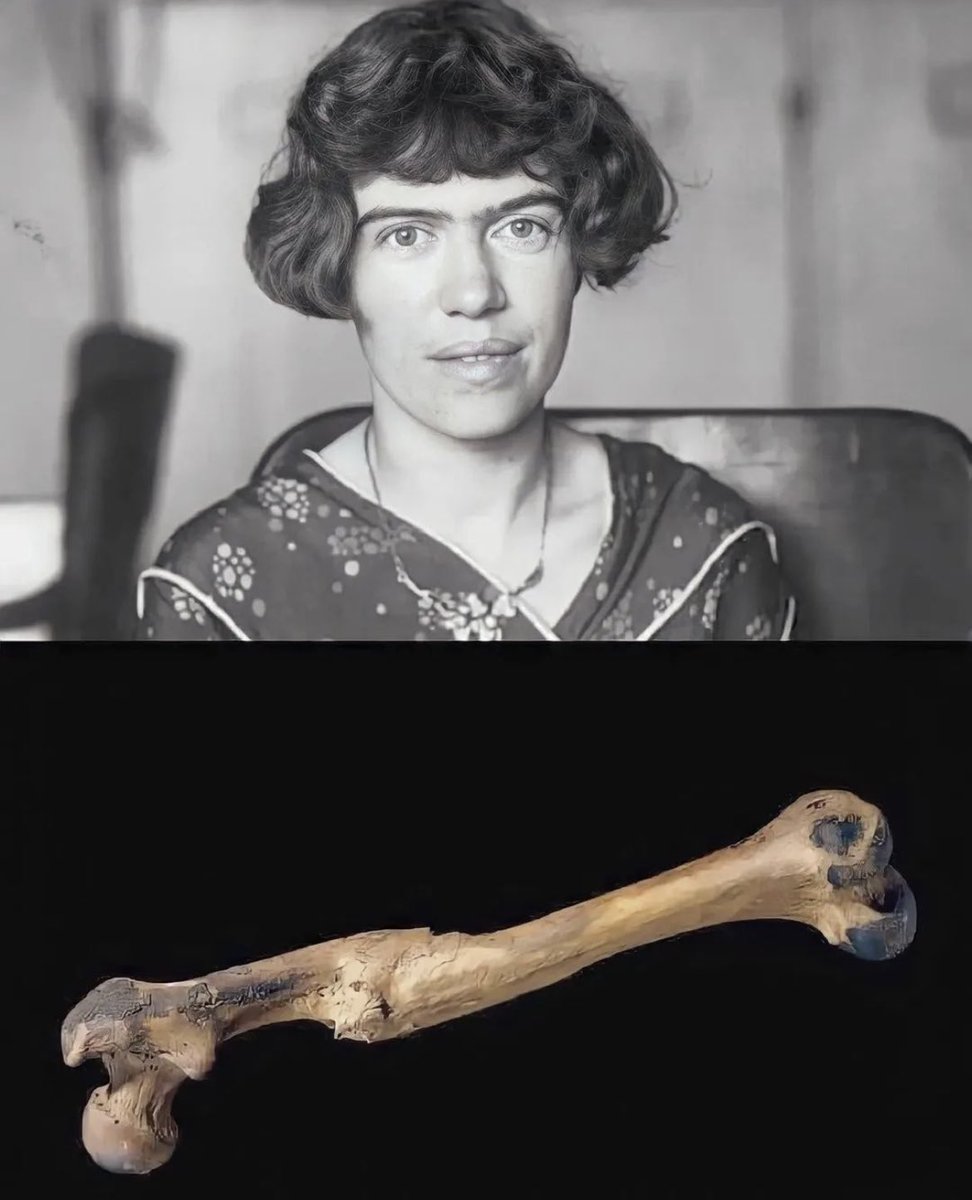
The concept of civilization is often associated with various tangible artifacts and advancements, such as tools, architecture, or systems of governance. However, anthropologist Margaret Mead presented a different perspective when she was asked about the first sign of civilization in a culture. Rather than focusing on material objects, she emphasized the significance of a healed femur bone.
In Mead's view, the animal kingdom provides a stark contrast to human civilization. When an animal breaks its leg, survival becomes nearly impossible. The inability to escape from danger, access water, or procure food renders the injured animal vulnerable to predators. Consequently, no animal lives long enough for a broken leg to heal naturally. Thus, the healing of a femur bone is a profound indication of civilization.
Why is a healed femur bone considered the first sign of civilization? Mead's explanation lies in the collective care and empathy demonstrated by a community. When someone breaks their leg, it is a moment of extreme vulnerability and danger. However, if the injured individual receives aid and support from others, they can overcome this critical period.
The act of caring for someone with a broken leg requires time, compassion, and a sense of responsibility towards others. Mead suggests that the healing process involves multiple steps. First, someone must have witnessed the accident and recognized the injured person's distress. Then, they would have provided immediate assistance, possibly by binding the wound and ensuring the person's safety. Finally, they would have stayed by their side, offering ongoing care and support during the recovery period.
By highlighting the significance of collective care, Mead emphasizes that civilization begins with the recognition of the suffering of others and the willingness to help. It is through acts of compassion and support that a community establishes its foundations of empathy, cooperation, and social cohesion. The healing of a broken femur, symbolizing the survival and recovery of an individual within a community, reflects the values and actions that underpin a civilized society.
Mead's perspective challenges the notion that civilization is solely determined by material progress or technological advancements. While such developments are undoubtedly important, they are built upon a deeper foundation of human connection and mutual aid. The healing of a broken femur bone serves as a metaphor for the care and support that individuals provide to one another, promoting the well-being and progress of society as a whole.
In conclusion, Margaret Mead's unconventional response to the question about the first sign of civilization reminds us of the fundamental importance of collective care. Civilization, she argues, is not solely defined by tangible artifacts or structures but by the empathy and support extended to those in need. The healing of a broken femur bone represents the compassion and responsibility that underpin a civilized society, highlighting the significance of human connection and mutual aid in fostering progress and well-being.