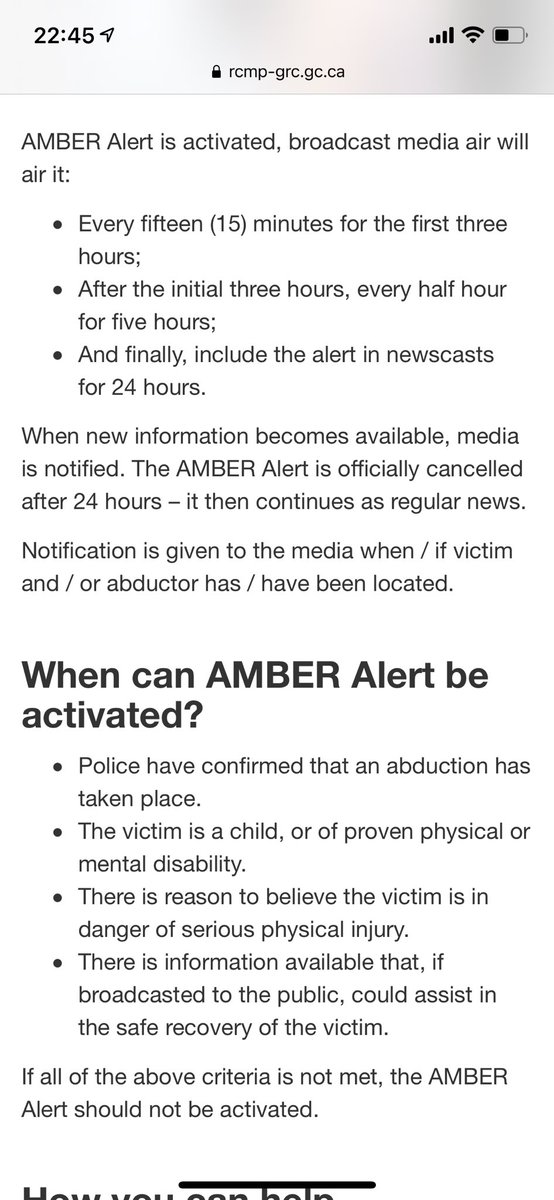
@fagstein The biggest problem with not sending someone is deskers are left relying on a call back from first responders, particularly police, who often won’t answer/acknowledge until a press release goes out a hours or days later.
@RayDoesData I’m not sure if it’s still the case, but when I went to STU the student union fee included a bus pass. We just had to show our student ID to ride for free. I have a vague memory of UNB students voting to reject a similar fee.
Bruce Fitch, previously minister of Social Development, is the new health minister. Shephard takes over his former portfolio. The health authority boards have been replaced by trustees.
Thanks to @kdonk for her help in finding some previous rulings I cited as part of the complaint. If you’re curious what a complaint looks like, here’s the one filed for this report:
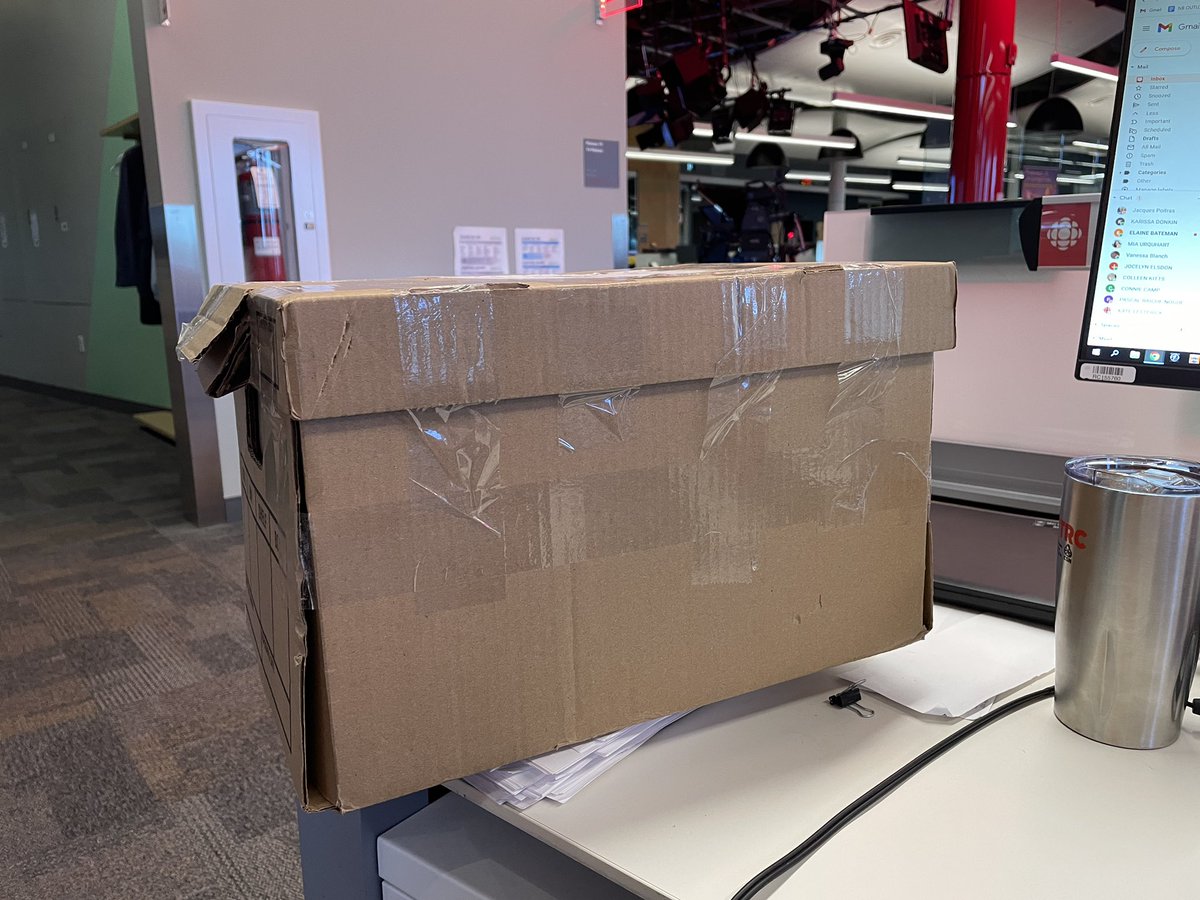
My story this morning that required a right to information request, a complaint to the ombud when the province wouldn’t release the report, and patience.
#cdnfoi
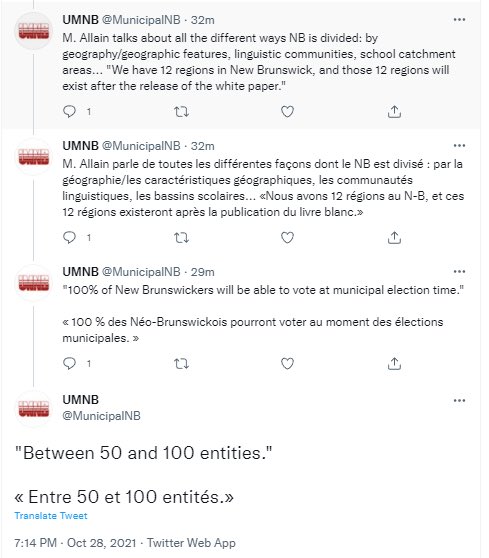
Allain spoke to municipal leaders last month. The Union or Municipalities of New Brunswick tweeted his comments, including a suggestion the figure would be between 50 and 100 entities following reforms. That tweet was later deleted.
"Restructuring will be coming," Daniel Allain, the province's minister of local governance reform, told reporters Friday.
Allain said the government will cut the number of local governance entities from 340 to fewer than 100.
That suggests some level of amalgamation is coming.
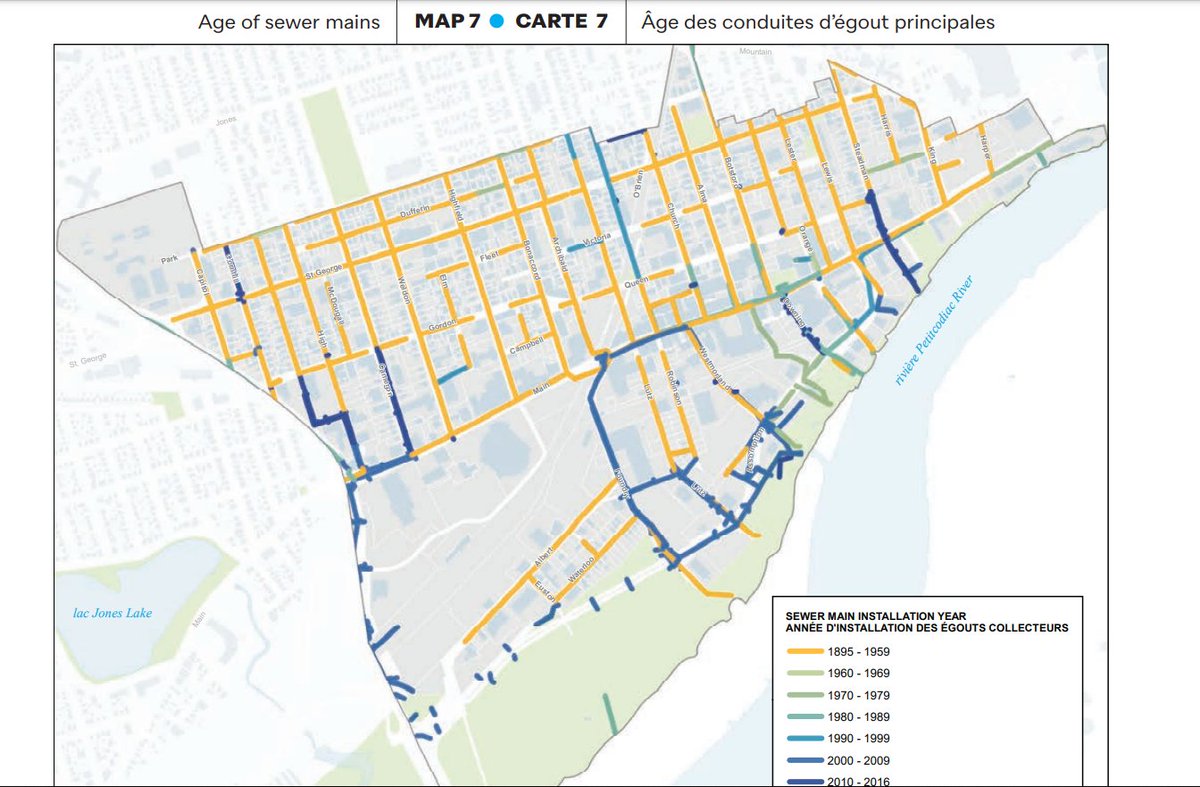
The city has also been separating storm water from the sewer system.
That reduces the amount that needs to be sent and treated by TransAqua and adds capacity to the system to deal with heavy rain or flooding.
But it's costly. It represents the bulk of the $32M in this story.
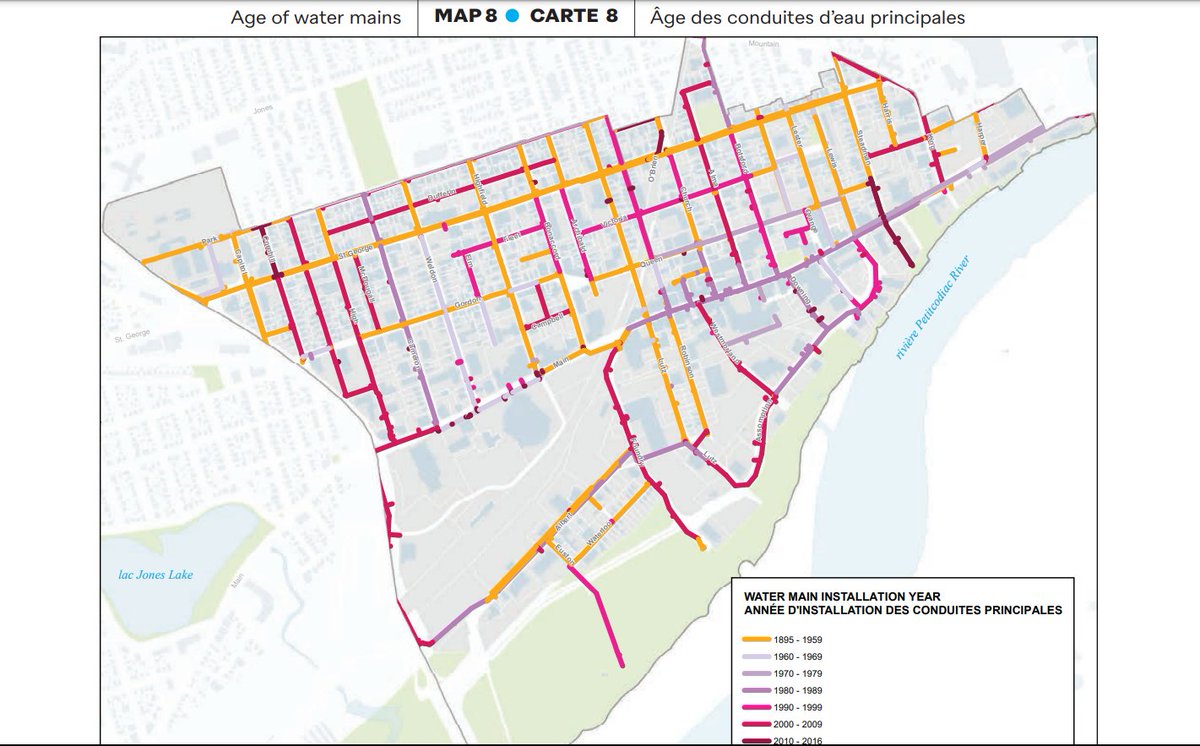
I didn't get into the details in the story, but replacing older water and sewer lines has been taking place regularly across the city.
A 2018 report shows some of the infrastructure we rely on for drinking water and to flush away our waste is very, very old.