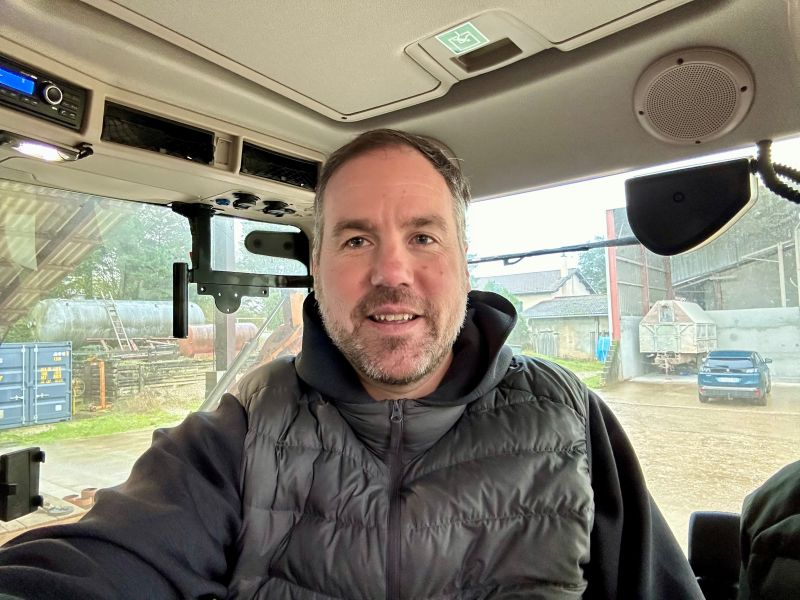
I worked for 20 years in "Big Ag" so you don’t have to. This is what they don’t want you to know:
Farmers don’t have time for conspiracy theories.
Romanticize farming all you want, but without modern tools, you’d starve.
GM crops aren't frankenfood.
They cut pesticide use, resist drought, and improve yields, all while passing some of the strictest safety checks in science.
They are the least unknown crops.
Your food is safe. Period.
Pesticides are tested more rigorously than most medicines.
Farming isn’t killing the planet.
Modern farming uses less land, less water, and fewer inputs than ever before. Innovation is the solution, not the problem.
Organic farming still use pesticides. Some are more toxic and less effective than synthetic alternatives, meaning higher doses are needed.
If you really care about feeding the world and protecting the planet, focus on facts, not fear.
My name is Simon and my goal is to make people smarter, not angrier.
Drop a “Hi” in the comments and let me know if you have any questions about Ag!
@FarmerTonyWhite@Tedthekelpie How do you arrive at what to pay then? Your initial quote works the same in reverse, you state what you pay and they tell you to fark off
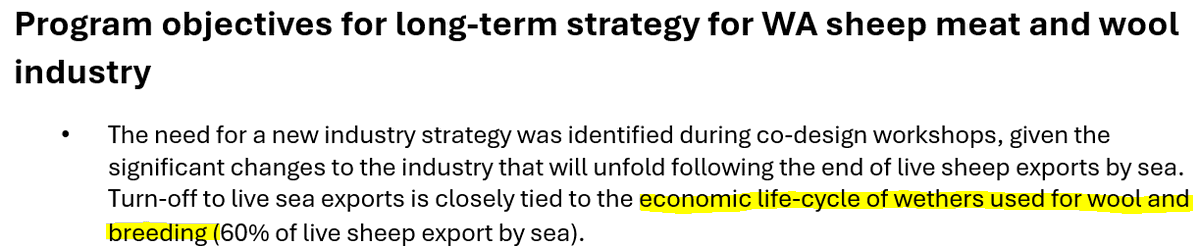
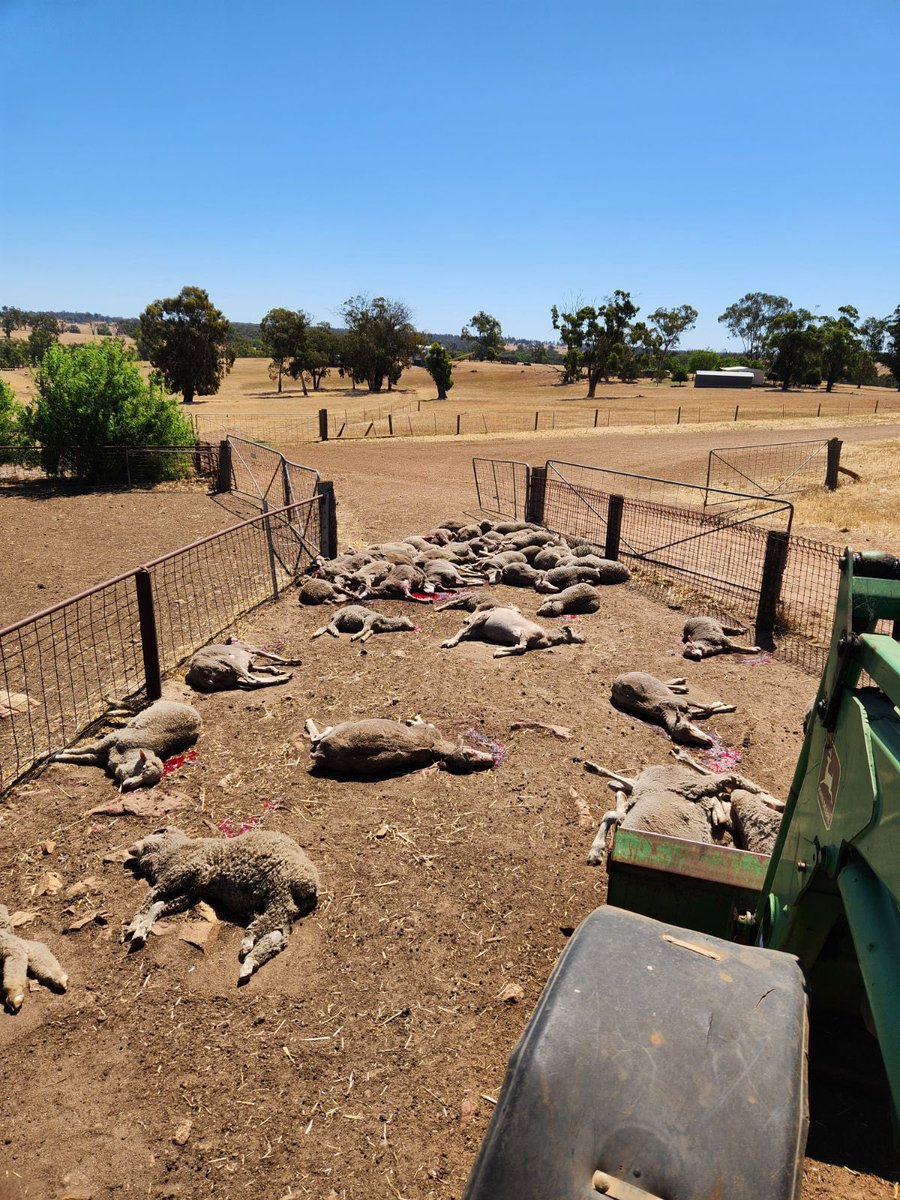
More excellent work from @DAFFgov's Live Sheep Export transition team.
They seem to think that wethers are used for breeding. Wethers are castrated male sheep.
This is why we are fighting. There is no hope for WA sheep industry without a change in government.
#KeepTheSheep
@Holly_Vet@AustLiveExports Sadly , people who advocate for Australian ESCAS standards to influence global trade, pretty much said this would happen. Lower global standards 🙁
Is glyphosate a dangerously high toxic agricultural chemical. In his 2017 study “Long-term trends in the intensity and relative toxicity of herbicide use,” Andrew Kniss analyzed herbicide usage and associated toxicities over a 25-year period. The study found that Glyphosate, in particular, accounted for a significant portion of herbicide applications—26% in maize, 43% in soybean, and 45% in cotton. However, due to its relatively low chronic toxicity, glyphosate contributed minimally to the chronic toxicity hazard in these crops: 0.1% in maize, 0.3% in soybean, and 3.5% in cotton.
The 2017 study provides a comprehensive analysis of the toxicity of herbicides used in U.S. agriculture over a 25-year period. since the introduction of GM crops in the mid 1990s. The study specifically ranks glyphosate’s toxicity relative to other herbicides and finds that it is one of the least toxic herbicides available.
Key Findings and Statistics:
1.Acute Toxicity Ranking:
•Glyphosate was found to have lower acute toxicity to humans than 94% of all herbicides analyzed in the study.
•It was also less acutely toxic than many common household substances, including vinegar and table salt.
2.Chronic Toxicity Ranking:
•Glyphosate exhibited lower chronic toxicity than 90% of all herbicides, making it one of the safest options for long-term exposure.
3.Usage vs. Toxicity Contribution:
•While glyphosate accounted for a significant percentage of herbicide use (26% in maize, 43% in soybean, and 45% in cotton), it contributed minimally to chronic toxicity hazards:
•0.1% of chronic toxicity risk in maize
•0.3% in soybean
•3.5% in cotton
4.Comparison to Organic and Alternative Herbicides:
•Many organic pesticides (such as acetic acid, copper-based fungicides, and rotenone) exhibit significantly higher acute and chronic toxicity compared to glyphosate.
•Some natural pesticides, including botanical insecticides, have lower LD₅₀ (lethal dose) values, meaning they are more toxic than glyphosate when considering their effects on human health and non-human animals.
Quote from the book Barbarians Inside the Gates and Other Controversial Essays:
"Much of what is called 'public service' is make-work for people who have degrees but lack the skills that would get them the kind of money and importance they feel entitled to in the marketplace."
@BenHobley Get the serial number off SIM and call Telstra they can then tell you. It’s a painful experience to ring them but was the only way I could work it out
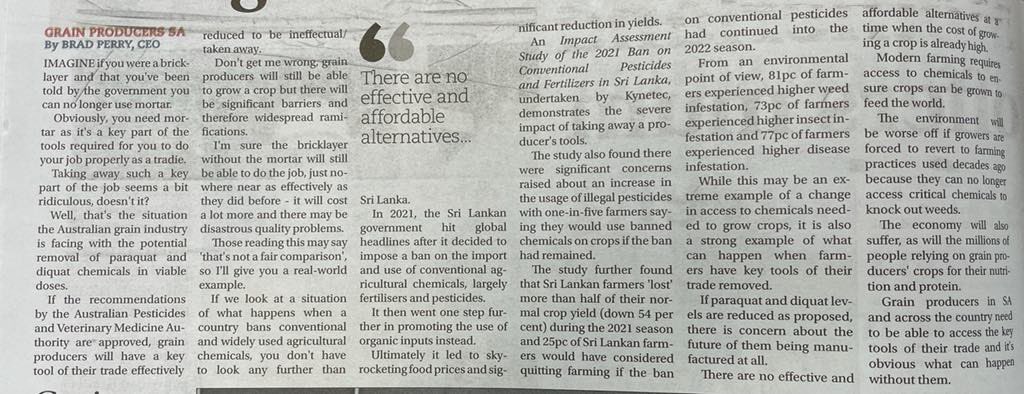
Taking away such a key part of the job seems a bit ridiculous, doesn’t it?
Read our CEO’s recent @stockjournal column about the review of paraquat/diquat and the need to heed the lessons from Sri Lanka
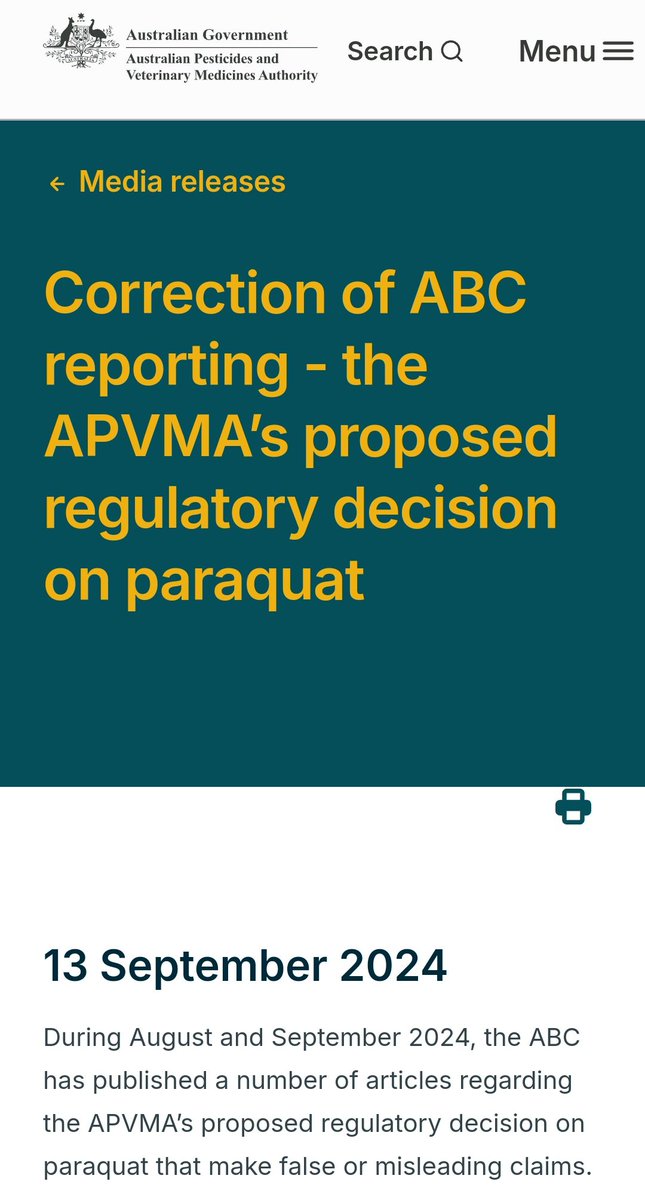
The ABC’s reporting has misrepresented the APVMA’s position, and the current scientific consensus. We have requested that the ABC issue a correction to clarify these points.
https://t.co/fm55InOpGn
This is not scaremongering- it’s the reality of life without the tools to do No-Till farming well. This is not a future I want for my kids. Soil is our most precious resource.
Good work Martin. In an Australian rain based dry land cropping system nothing is a critical as stored soil moisture. Removing access to Paraquat poses a huge risk to our ability to store moisture in a sustainable way.
@dankatriley@HallRaelene Raelene’s point was merely that government is saying that every single Australian will benefit from the $300 energy subsidy . This is blatantly untrue when many isolated people will get no benefit. I didn’t read her comment as complaining about not getting the subsidy
Highly recommended, especially for any non farmers interested in carbon reduction.
In one minute, everything you ever wondered about agricultural emissions explained.