۲۷ فایل صوتی از دیالوگ های سقراط …
This playlist has normal version audiobooks from 'The Platonic Dialogues' (also known as Socratic
Dialogues), the works attributed to Plato …
Platonic Dialogues Audiobooks | Audiobooks Dimension https://t.co/eAOE8mcCtp
AAN has published an unofficial English translation of the Islamic Emirate of #Afghanitan's Penal Code for Courts, translated by Deoband seminary graduate and former BBC journalist John Butt.
https://t.co/Xz8pBMKs1r
One of the many reasons y we need to read critical philosophy …
“Only through a critical philosophical elaboration of these categories [economic categories or any other category in our contemporary time] can we understand that they are not what they appear to be at first sight. To clarify the difference between form and substance, or between appearance and substance, we need philosophy. Through philosophy and the abstraction of concrete reality, we can understand which substance—which core—is concealed behind the form of appearance of the commodity, capital, or money” (Kosík 1967b, 95).
حقیقت باید از درون بجوشد ... هزار سخن از بیرون بگوی, تا از اند رون مصدّقی نباشد سود ندارد ...
"از حق امید داریم که شما این سخن ها را هم از اندرون خود بشنوید که مفید آنست" ...
مولانا معتقد است که سخنان انبیا و اولیا، چیز جدیدی نیست که به انسان اضافه شود، بلکه یادآوری حقیقتی است که در سرشت و ذات انسان نهفته است. اگر سخنی را می شنوید، زمانی بر شما اثر میگذارد که "هم جنس" آن در درون شما بیدار شود. شنیدن واقعی، شنیدن با گوش سر نیست، بلکه بیدار شدن آن حقیقت در جان است.
مولانا برای اثبات اینکه "عامل بیرونی بدون زمینه درونی بی اثر است"، مثالی عالی میزند:
تمثیل درخت و ریشه تَر (قابلیت رشد): درختی را تا در بیخ او تری نباشد اگر هزار سیل آب برو ریزی سود ندارد ...
آب (سخنان حکمت آمیز و هدایت) زمانی باعث رشد درخت (انسان) میشود که ریشه آن درخت هنوز زنده و "تَر" باشد. اگر ریشه خشکیده باشد (یعنی قلب انسان مرده باشد و قابلیت پذیرش نداشته باشد)، حتی اگر در سیلاب حکمت و موعظه هم غرق شود، سبز نخواهد شد.
تلاش کن تا "اندرون" خود را زنده و آماده نگه داری. تمام تعلیمات، کتابها و استادان بیرونی، مانند "آب" هستند؛ اما تو باید "ریشه زندهای" داشته باشی تا این آب را جذب کنی. اگر در درون تو "طلبی" نباشد، تمام سخنان حقِ عالم هم سودی نخواهد داشت.
از کتاب فیه ما فیه مولانا
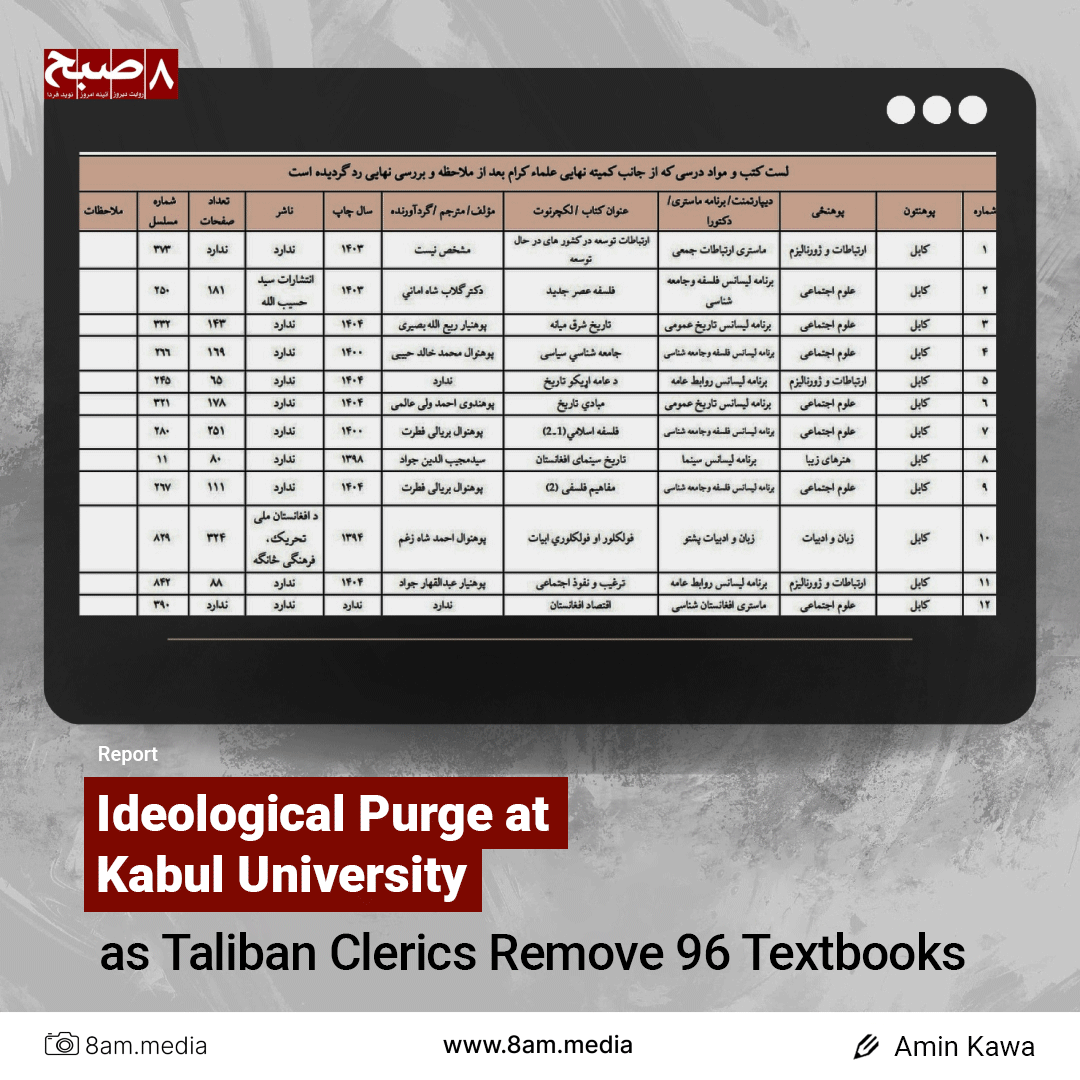
Hundreds of university textbooks have been removed and entire courses eliminated under new rules in Afghanistan — reshaping what students are allowed to learn. https://t.co/EMavX5PcJ8
To software engineers 👨💻 👩🏻💻 😝
Capital today is Extraction, Logistics, and Financialization. But it is not an all-powerful monster; It is vulnerable because it depends entirely on its opposite: the Social Individual … Today's worker operates in an "immaterial network" (internet, data, communication). The more the worker cooperates and uses these networks, the more autonomous and productive they become. They don't need a boss to tell them how to communicate or think. However, this very autonomy is what capital exploits. The more efficiently we "cooperate" (e.g., using Google Docs, coding open-source software, organizing on WhatsApp), the more value capital can extract from us. We effectively "organize the extraction of [our] own productive energy." In the past ("formal subsumption"), an artisan had autonomy because they used their own old tools. Today, the worker has autonomy not because they are outside the system, but because they are deep inside it, running the "cooperative processes." Negri calls this a mutation: The actual work of producing (coding, caring, communicating) is now totally in the hands of the workers' "autonomous productive initiative." The capitalist doesn't do anything anymore except "pure command"; and just skimming off the profit at the end. The Algorithm is OURS; This is a brilliant example. Bosses praise the "algorithm" as if it were a magical alien god that runs everything. Negri counters; The algorithm is just a machine made of OUR cooperation. It's frozen "mass intellectuality." In Marx's time, the boss brought the machine into the factory and forced workers to use it ("from outside"). Today, workers create the machines (software, social networks, AI models) through their own shared knowledge ("from within"). Workers have effectively "appropriated fixed capital" (we carry the "machines" in our brains and laptops). We own the "languages" and the "keys" to the system. The boss is just a parasite on top of this self-organizing system. Negri adds a crucial reality check: Just because workers technically run everything doesn't mean they are politically ready to take over tomorrow. transforming this "technical composition" (the fact that we run the networks) into a "political composition" (a revolutionary movement) is difficult, unpredictable, and "discontinuous." But we must recognize the "dignity" of this new labor power. We are not helpless victims; we are the immensely powerful creators of the very system that enslaves us.
در این بخش نویسنده توضیح میدهد که بهره کشی معاصر چگونه عمل میکند ... وی استدلال میکند که تا اواخر قرن بیستم، این سیستم به طور واقعی کل جامعه را تحت انقیاد درآورده و مرز میان کار و زندگی را محو کرده است، به طوری که ارتباطات، فرهنگ, روابط اجتماعی, صحت … ما تحت این سیستم مانند ابزار از آن بهره برداری میشوند (یعنی تبدیل کل جامعه بمثابه یک کارخانه و استخراج سود و دیتا از همه ی روابط آن). در نتیجه، بهره کشی دیگر فقط مربوط به بهره کشی از کار یک کارگر کارخانه نیست؛ بلکه اکنون شامل "استخراج" ارزش از همه ی روابط اجتماعی (رسانههای اجتماعی نمونه بارزی هستند: پست های فسبوک, اشتراک گذاری ها, مکالمات و گفتگو ها و فضاهای دیگر اجتماعی که رایگان بین خود برگزار میکنیم) از همه ی این داده ها فیس بوک (و دیگر رسانه های اجتماعی) "ارزش استخراج میکنند". این شامل کامپیوترها، تلفن های هوشمند، هوش مصنوعی ووو هم میشود و بدین وسیله کار و فعالیت های ذهنی ما را هم مدیریت و از آن بهره برداری میکنند ... و در این شرایط, زمان آزادی که جامعه برای "فرد" دارد (اگر زمان آزادی مانده باشد), فرد اجازه دارد روی پتانسیل های خود کار کند و شکوفا کند؛ تنها این زمان اندک اضافی, به گفته نویسنده, میدان نبرد جدید مبارزه طبقاتی است.
Afghan girls banned to attend high schools and or universities … in 21 century 😡🤬; though time may move forward, but oppression holds many of our dear ones back … this is abhorrent and ridiculous …
آن شب وحشتناکترین شب زندگیام بود. معنای طولانیترین شب سال را آن شب درک کردم. چون تمام شب از شدت خشم و عقده به خواب نرفتم و شب هم آنقدر برایم طولانی بود که گویا نمیخواست سحر شود. با وجود این هم، اوایل امید داشتم و با خودم میگفتم که حتما در ماه حوت مثل سالهای قبل دانشگاهها دوباره شروع میشود. اما حوت رسید و گذشت ولی چنین نشد. این روزها برادرم به مکتب میرود اما من به دانشگاه نه.
اینجا بخوانید: https://t.co/JxLrWRu1Ip
Happy to be part of a newly published open-access research paper on “Understanding needs and strengths shaping mental health among (UAMs) unaccompanied Afghan minors in resettlement in the U.S.”
https://t.co/CUwObcopgz
لوکاچ در کتابش (ویرانی عقل – destruction of reason) استدلال میکند که هیچ فلسفه ای "بیگناه" یا صرفاً آکادمیک نیست و آلمان را به عنوان یک "هشدار جهانی" بررسی میکند تا نشان دهد چگونه ایدههای خردستیزانهای که در بحثهای مثلا "روشنفکری" در ظاهر "بیضرر" به نظر میرسیدند و اما در واقع "زمینهٔ فکری" و هیزم لازم را برای "آتش افروزان جهانی" (همین ظهور جهانی راست افراطی که پدیده هائی مثل ترامپ و طرفداران ش را خلق میکنه) فراهم کردند تا فاجعهٔ نازیسم را رقم بزنند. این هشدار امروز در "رئال پولیتیک – realpolitik" قرن بیست و یکم حتی زنده تر است؛ ما شاهد همان خردستیزی در اشکال جدید هستیم. مفاهیمی چون پساحقیقت (Post-truth) وفکتهای آلترنتیو که نسخه های مدرن نسبی گرایی و پوچ گرایی هستند—به قدرتهای سیاسی اجازه میدهند تا واقعیت عینی را به نفع منافع خود انکار کنند. "اسطوره سازی" در قالب ناسیونالیسم افراطی (سگ های هار امثال نتانیاهو زیاد اند), تفکر غیر انتقادی که در گسترش تئوریهای توطئه در رسانههای اجتماعی دیده میشود، همگی به ابزارهایی قدرتمند برای "رهبران = عوامفریبان" تبدیل شده اند. این جریانها، همراه با تکیه بر "تعصبات نژادی" و نفرت پراکنی علیه مهاجران، دقیقاً همان کاری را می کنند که لوکاچ از آن می ترسید؛ آنها به رهبران اجازه می دهند تا با بسیج کردن تودهها بر اساس احساسات غیرعقلانی، اهداف مبتنی بر قدرتِ خود را، فارغ از هرگونه اخلاق یا دموکراسی واقعی، پیش ببرند.





![sharify59's tweet photo. One of the many reasons y we need to read critical philosophy …
“Only through a critical philosophical elaboration of these categories [economic categories or any other category in our contemporary time] can we understand that they are not what they appear to be at first sight. To clarify the difference between form and substance, or between appearance and substance, we need philosophy. Through philosophy and the abstraction of concrete reality, we can understand which substance—which core—is concealed behind the form of appearance of the commodity, capital, or money” (Kosík 1967b, 95).](https://pbs.twimg.com/media/G-KiwA1WsAE4oR_.jpg)