Help Monarchs and other pollinators in your region by growing seasonal, native plants (plant milkweed if on the migration route), reducing the use of pesticides in your garden, and reporting sightings to science platforms.
Share the story. Save the species. Don’t Dodo it.💚
Conservation efforts include native milkweed restoration projects across North America, protecting overwintering sites, promoting pollinator-friendly agricultural practices, and public awareness campaigns.
#PollinatorWeek
It has an obligate-dependency (one-way) on milkweed; its caterpillars feed only on milkweed leaves. If milkweed is gone, the Monarch will be gone too.
IUCN status: Endangered
Population trend: 80-90% decline since the 1990s
Range: North America
#TheEndangeredClub
We can help.
Reduce and reuse plastics.
Refuse single-use plastics.
Reduce your carbon footprint.
Save the oceans.
Save the species. 💚 #TheEndangeredClub
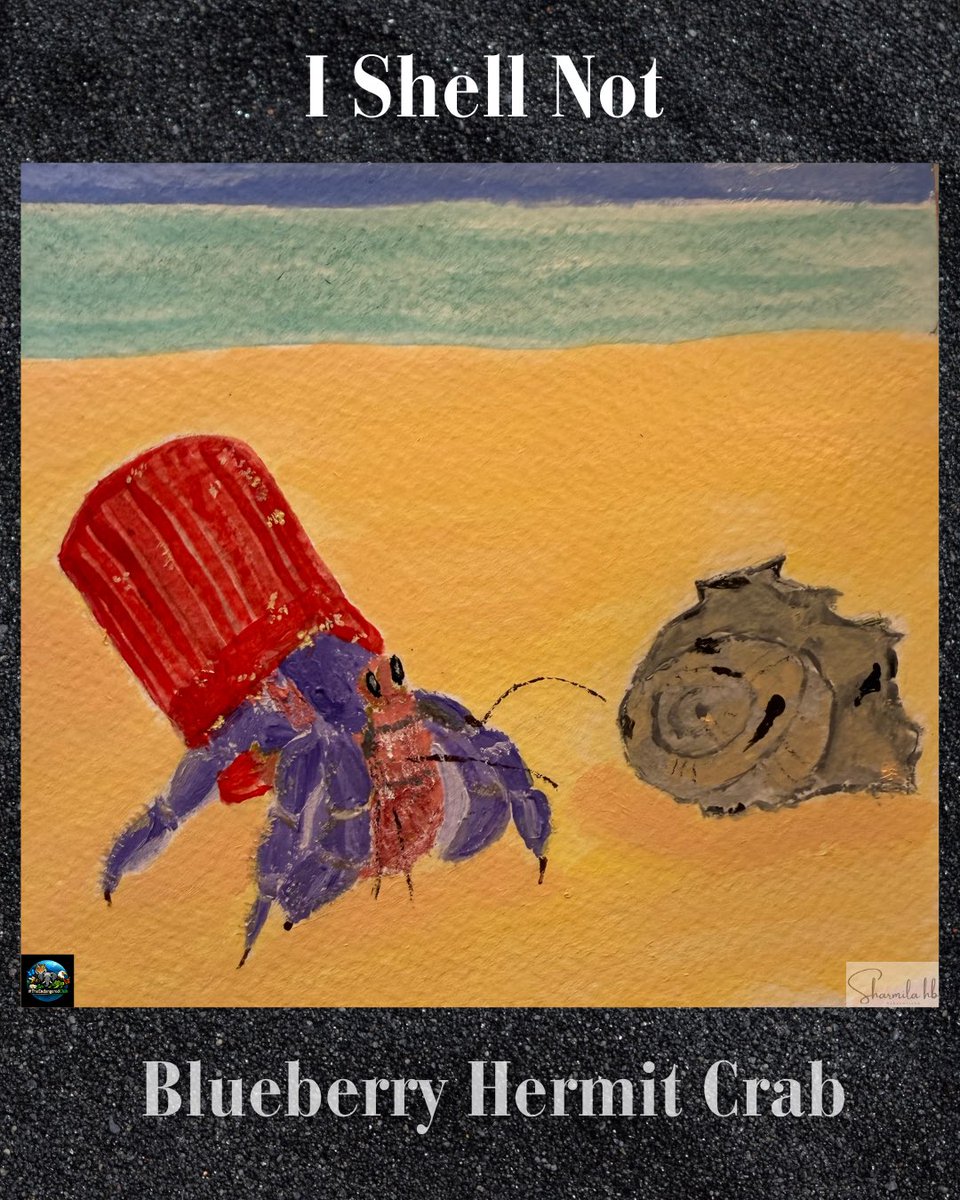
The Blueberry Hermit Crab. Endemic to Okinawa and Japan’s Ryukyu Islands. Near Threatened (Japan MoE). Not even on the global IUCN list.
Hermit crabs don’t grow shells. They borrow them from snails. But ocean acidification is dissolving shells
#TheEndangeredClub#WorldOceansDay
This year, the theme is a plea to reimagine our relationship with the oceans; it is an earnest call to redefine our relationship-from that of an indifferent inheritor to an active guardian.
#WorldOceansDay
Oceans cover 71% of earth and supply half of all our oxygen. They are home to a million species and provide food, livelihood to millions more.
Oceans are also our biggest dumping ground, carrying 12-20 million cubic tonnes (mostly plastic), every year. Likely to triple by 2040.
Oceans absorb carbon dioxide from the atmosphere, but if they absorb too much, it makes the seawater more acidic. Acidic seawater dissolves calcium carbonate essential for shellfish, snails, and corals to build their shells. Thin and weak shells render the hermit crab homeless.
Hermit crabs don't make their own protective shell but depend on the discarded shells of snails and other mollusks. They do it out of necessity.
They do it because of acute snail shell scarcity.
#OceanAcidification
Species: Blueberry Hermit Crab
Scientific Name: Coenobita purpureus
Conservation Status: Near Threatened (Japan Ministry of Environment); Not assessed by IUCN yet
Range: Endemic to subtropical & tropical island coasts of Japan
Habitat: Terrestrial; coastal shorelines
#HermitCrab
We can also help from wherever we are by growing native plants for pollinators, reducing pesticide use, and supporting climate action.
Happy World Environment Day!💚
KARNER BLUE & BLUE LUPINE
Habitat: Oak savannas, pine barrens
Range: Northeastern and midwestern U.S.
IUCN Status: Near Threatened
Threats: Habitat loss, Fire suppression, Climate change, Pesticides, Urbanization
#WorldEnvironmentDay#ClimateChange#TheEndangeredClub
Karner blue’s conservation efforts started with lupine restoration, controlled burning, replanting oak savanna, and removing invasive plants, followed by legal protection, captive breeding, and long-term monitoring.
There is hope for this pair.
#Environment
Wherever you are,
Reduce plastics use, reduce your carbon footprint, refuse to buy illegal turtle souvenirs.
Share the story. Save the species.
Don’t Dodo It. 💚
#HawaiianHonu#TheEndangeredClub
Warm Nests and Slow Extinctions
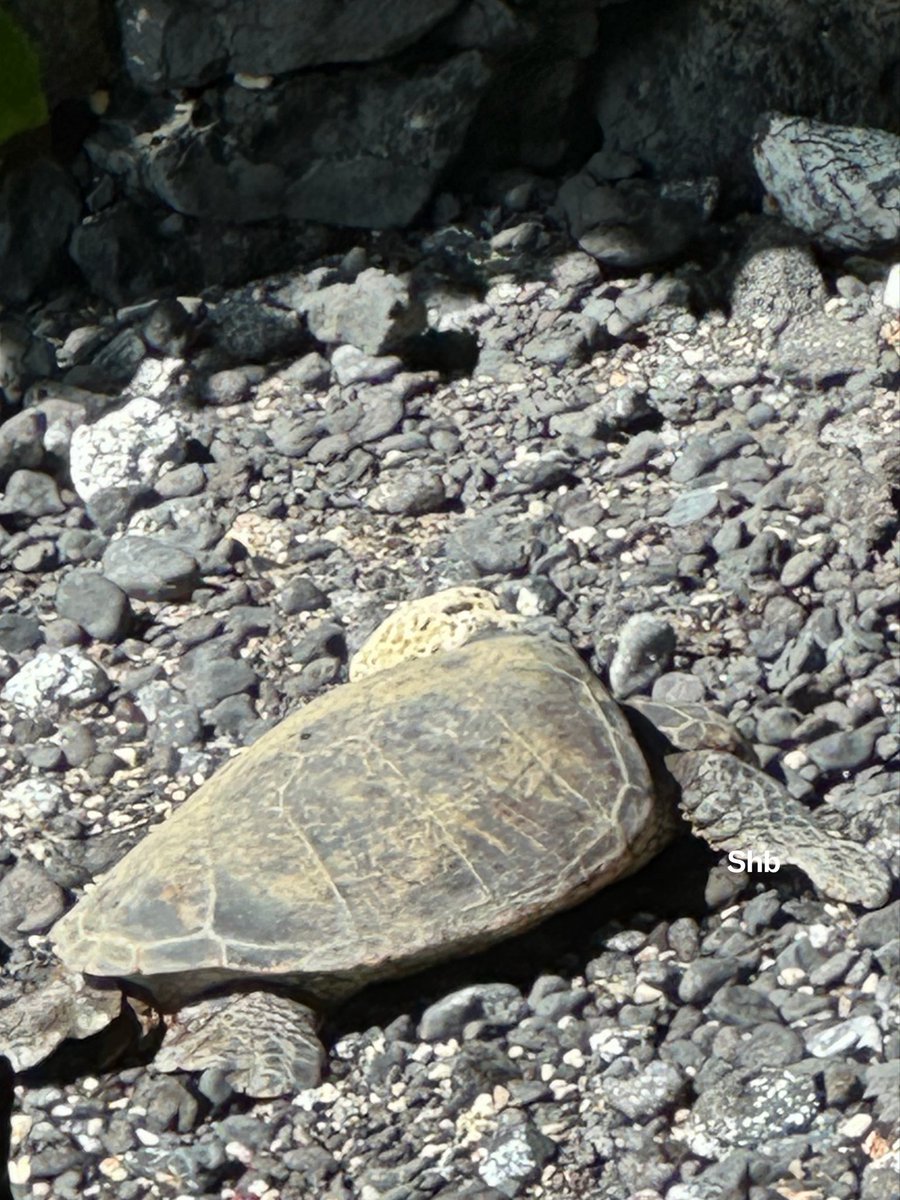
It is a Hawaiian Honu — a Green Sea Turtle basking on a beach in Maui.
The Green Sea Turtle is of Least Concern status globally but Threatened in Hawaii, by warming temperatures. 🐢🧵
#TheEndangeredClub#Honu#ClimateChange#WorldEnvironmentDay
Conservation efforts include Conservationists are shading nests, relocating eggs, managing incubation, and restricting beach lighting in nesting sites.
But the real problem is global warming.
#Honu