Hoping you enjoy this great series and especially #7, Welcome to the Ultimate Neuroscience Lab: Your Smartphone, by neuroethicist Karen Rommelfanger and our own @AlvaroF https://t.co/RES2l9nQW4
Infinite context windows seem to present a very large problem to using AI. Today's models already leak too much old information into current responses, a distraction that is part of why they are cognitively exhausting to use
I don't want to work with Borges's Funes the Memorious
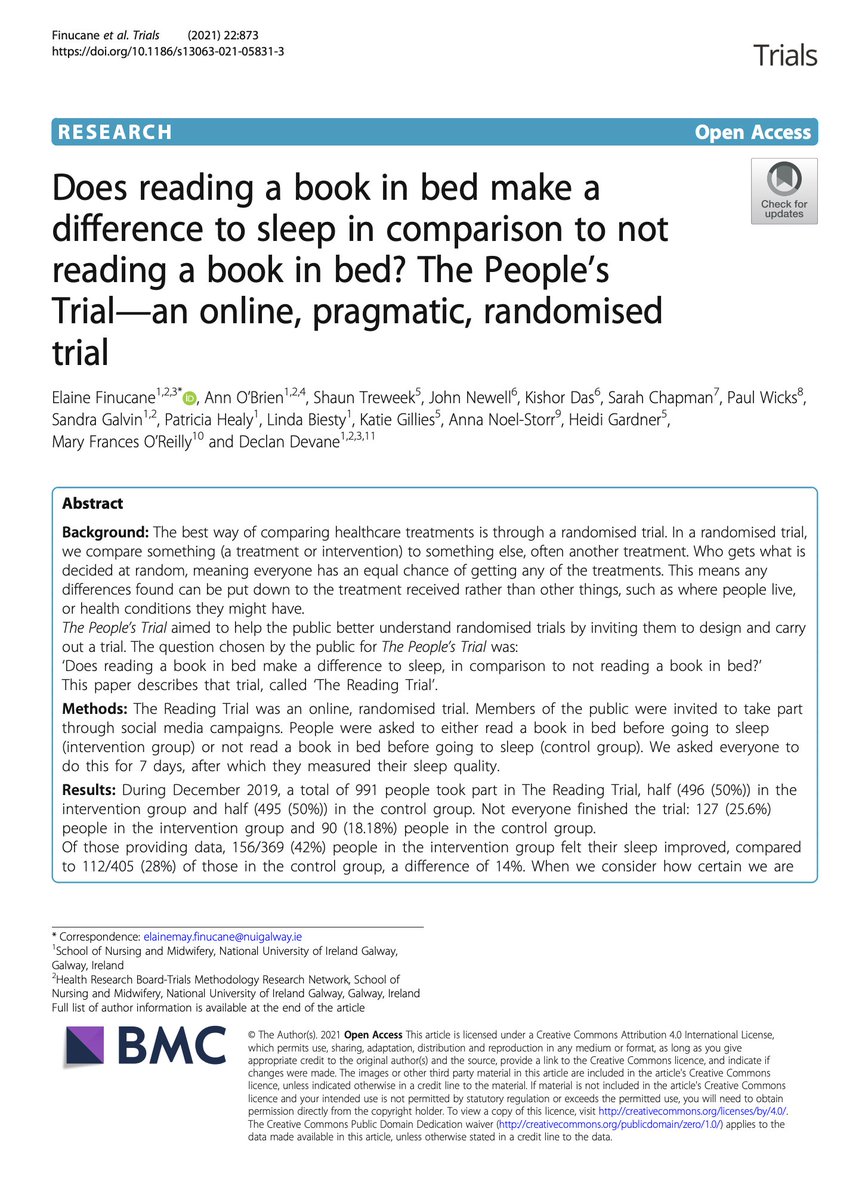
42% of people who read a book in bed before sleep reported better sleep vs. 28% who didn't read.
Simple sleep upgrade: Replace 20 minutes of scrolling with 20 minutes of reading.
The point of medical AI is not replacing presence. It is removing the paperwork and latency that destroy presence. Better intake, documentation, follow up and escalation should give doctors more time with patients, not less. https://t.co/E0QDZ2QO49
Ran an experiment on who actually gets smarter working with AI. It wasn't the cleverest people. It wasn't even the most technically fluent. My @WSJ piece today on what it was instead: https://t.co/qRHKDt27LF
Cognitive Science meets Meditation: Why I developed a new approach to help improve Attention and Emotional Regulation and Executive Control https://t.co/ZqyrXT2cvn
I had 2 separate articles go #1: one @CNBC and one @FastCompany
But many readers didn’t seem to know, both were excerpts from different chapters in my new book 𝑹𝒐𝒃𝒐𝒕-𝑷𝒓𝒐𝒐𝒇: “When Machines Have All The Answers, Build Better People.”
Given anti-amyloid "Alzheimer's drug" controversies, why do we still overlook the benefits of targeted cognitive interventions? https://t.co/2lelV1370l
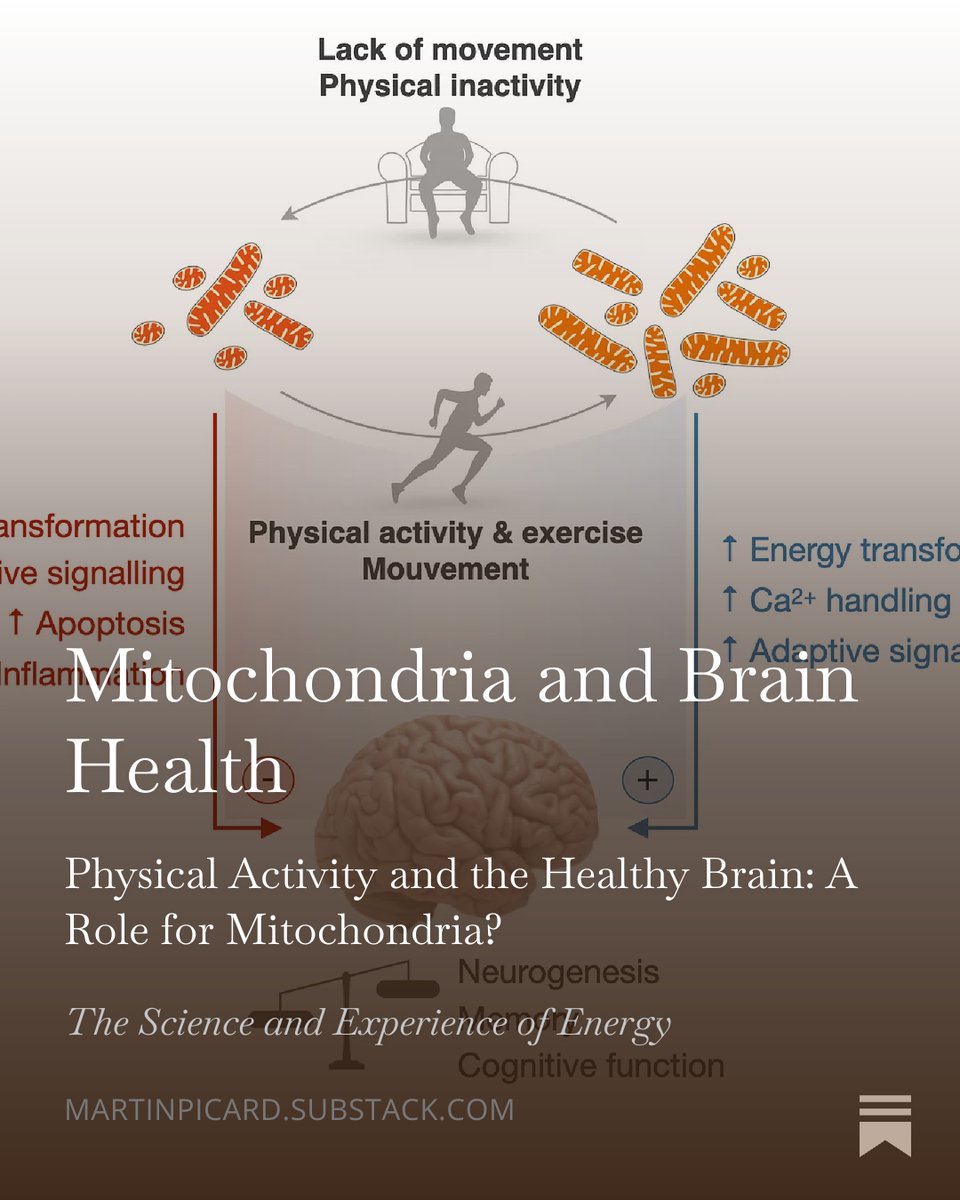
Exercise is good for the brain. But why?
This morning in The Science and Experience of Energy we explore the effects of exercise on brain mitochondrial. And why making more mitochondria might in part be why moving keeps our brain healthy.
https://t.co/TQjRODQpsS