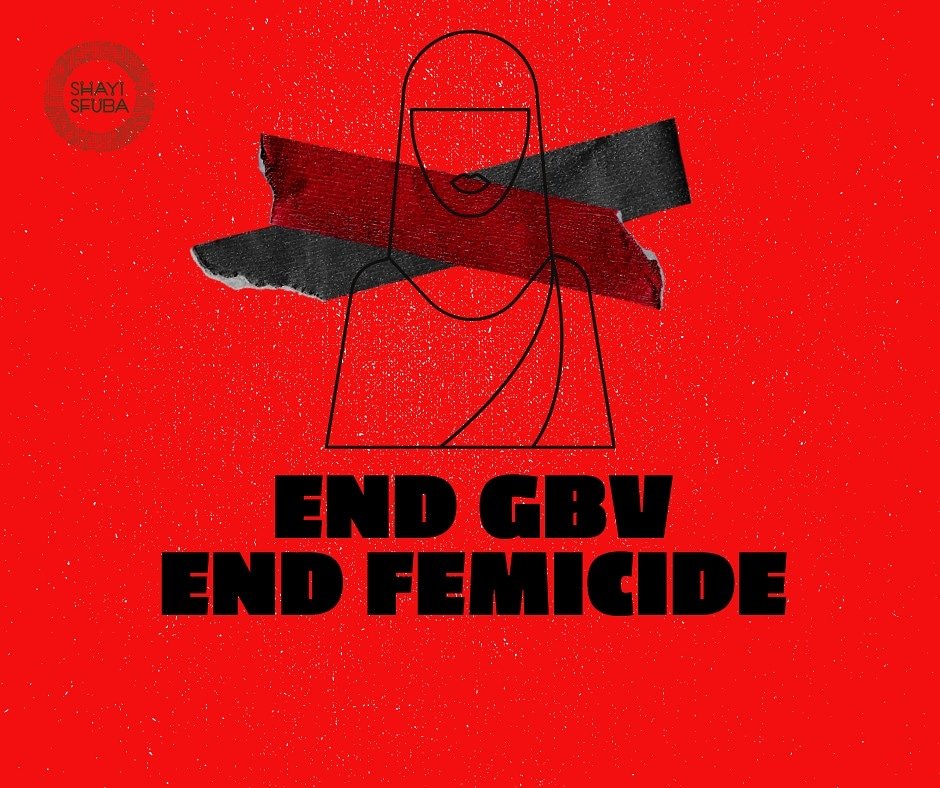
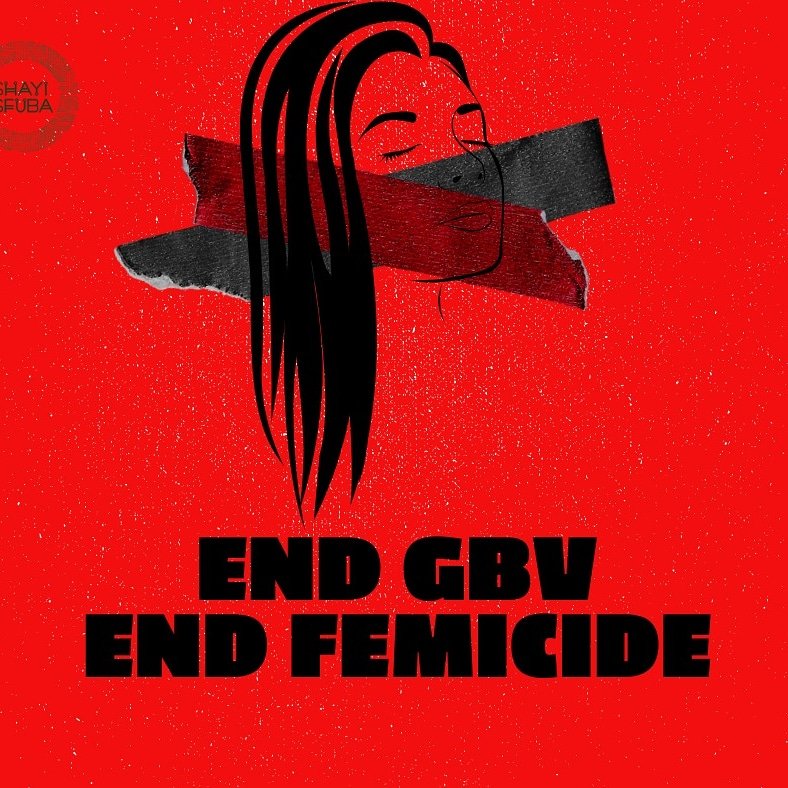
We are not silent! Several civil society organisations are working with wom_n’s groups to build their agency and empower them to address the issues that impact their lives, such as structural and interpersonal violence.
Others are tackling specific drivers of GBV, such as substance abuse and gangsterism. Still others take a “whole community” approach to dealing with GBV, involving community members and leaders in the fight against violence in their communities.
Much of our effort in South Africa has been focused on response. However – our response efforts need to be supported and complemented by prevention programming and policy development..
A call from the Institute for Security Studies to the hotline on 5 May was answered by a social worker in less than a minute. We encourage you to make that call if you need to.
Source: Safer Spaces
Wom_n who have been raped are at risk of unwanted pregnancy, HIV and other sexually transmitted infections. Over a third of wom_n who have been raped develop post-traumatic stress disorder (PTSD)...
Violence has significant economic consequences. The high rate of GBV places a heavy burden on the health and criminal justice systems, as well as rendering many survivors unable to work or otherwise move freely in society. A 2014 study by KPMG also
estimated that GBV....
and in particular violence against women, cost the South African economy a minimum of between R28.4 billion and R42.4 billion, or between 0.9% and 1.3% of gross domestic product (GDP) in the year 2012/2013. Source: Safer Spaces
GBV leads to psychological trauma, and can have psychological, behavioural and physical consequences for survivors. In many parts of the country, poor access to formal psychosocial or even medical support means that many survivors are unable to access the help they need.
and social structures of society and is driven by strongly patriarchal social norms and complex and intersectional power inequalities, including those of gender, race, class and sexuality.
Source: Safer Spaces
#MoreThan16Days#StopGBV#FeministGovernment#16days
In many cultures, men’s violence against wom_n is considered acceptable within certain settings or situations. This social acceptability of violence makes it particularly challenging to address GBV effectively. In South Africa in particular, GBV pervades the political, economic..
The COVID-19 crisis and social distancing measures have caused deep concerns about their impact on wom_n in abusive relationships. Numerous articles in the South African media have pointed to the increased risk wom_n in
these relationships face under lockdown conditions...
GBV is more prevalent in societies where there is a culture of violence, and where male superiority is treated as the norm. A belief in male superiority can manifest in men feeling entitled to sex with women, strict reinforcement of gender roles and hierarchy..